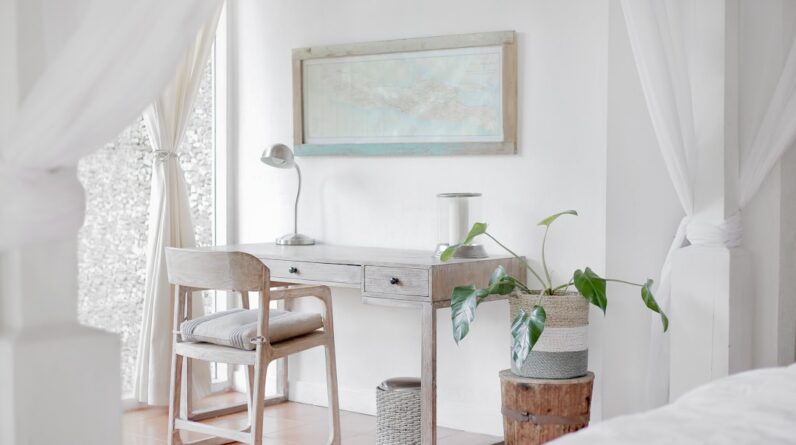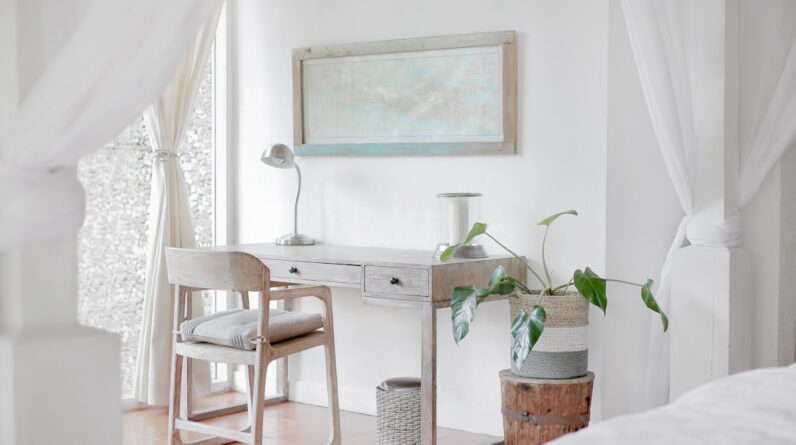
When it comes to achieving a restful night’s sleep, the design of your bedroom plays a crucial role. You may not realize it, but the environment in which you sleep can significantly impact your ability to fall asleep and stay asleep. A well-designed bedroom can create a sanctuary that promotes relaxation and tranquility, allowing you to unwind after a long day.
By paying attention to the layout, colors, and overall ambiance of your space, you can foster an environment that encourages restorative sleep. Moreover, the psychological effects of your bedroom design cannot be overstated. A cluttered or chaotic space can lead to feelings of stress and anxiety, making it difficult for you to relax.
Conversely, a thoughtfully designed bedroom can evoke feelings of calmness and comfort. By understanding the importance of your bedroom’s design, you can take proactive steps to create a space that not only looks good but also supports your overall well-being and sleep quality.
Key Takeaways
- A well-designed bedroom can significantly impact the quality of sleep
- Choosing calming colors like blues, greens, and neutrals can promote relaxation
- Incorporating natural elements such as plants and natural materials can create a calming atmosphere
- Decluttering and organizing the bedroom can help create a tranquil space
- Selecting comfortable bedding and furniture is essential for a good night’s sleep
Choosing the Right Color Scheme for a Peaceful Bedroom
Calming Colors for a Peaceful Atmosphere
Soft blues, gentle greens, and muted earth tones are often recommended for creating a peaceful atmosphere. These colors can help lower your heart rate and reduce stress levels, making it easier for you to drift off into a restful slumber.
The Impact of Light on Your Sleep Environment
In addition to the psychological effects of color, the way light interacts with different shades can also influence your sleep environment. Lighter colors can make a small room feel more spacious and airy, while darker shades can create a cozy cocoon-like effect.
Finding the Right Color Scheme for You
You might want to experiment with various color combinations to find what resonates with you personally. Ultimately, the right color scheme should reflect your personality while promoting a sense of calm and tranquility in your bedroom.
Incorporating Natural Elements for a Calming Atmosphere

Bringing natural elements into your bedroom design can significantly enhance its calming qualities. You might consider adding plants, which not only improve air quality but also create a sense of connection to nature. The presence of greenery can reduce stress and promote relaxation, making it an excellent addition to your sleep environment.
Choose low-maintenance plants like snake plants or peace lilies if you’re concerned about upkeep. In addition to plants, incorporating natural materials such as wood, stone, or cotton can further enhance the soothing atmosphere of your bedroom. Wooden furniture or decor can add warmth and texture, while stone accents can evoke a sense of grounding.
You may also want to consider using organic fabrics for your bedding and curtains, as they are often softer and more breathable than synthetic materials. By integrating these natural elements into your space, you create an inviting environment that encourages relaxation and restful sleep.
Decluttering and Organizing for a Tranquil Space
A cluttered bedroom can be a significant barrier to achieving restful sleep. When your space is filled with unnecessary items, it can create visual chaos that distracts you from winding down. To cultivate a tranquil environment, take the time to declutter and organize your bedroom.
Start by assessing what items are essential and which ones can be removed or stored elsewhere. You might find that simplifying your space not only makes it more visually appealing but also helps clear your mind. Once you’ve decluttered, consider implementing organizational systems that work for you.
This could involve using storage bins under your bed or investing in stylish baskets for easy access to items like blankets or books. By keeping your bedroom organized, you create a serene atmosphere that promotes relaxation and makes it easier for you to focus on getting a good night’s sleep.
Selecting Comfortable and Supportive Bedding and Furniture
The comfort of your bedding and furniture is paramount when it comes to creating an inviting sleep environment. You should prioritize selecting a mattress that provides adequate support for your body type and sleeping position. A good mattress can alleviate pressure points and ensure that you wake up feeling refreshed rather than sore.
Don’t hesitate to test out different options in-store or read reviews online to find the best fit for your needs. In addition to the mattress, consider the quality of your bedding as well. Soft sheets made from breathable materials like cotton or linen can enhance your comfort level while you sleep.
Pillows are another essential component; they should provide the right amount of support for your neck and head. By investing in high-quality bedding and furniture, you create a cozy retreat that encourages relaxation and restful sleep.
Implementing Soft Lighting for Relaxation

Soft Lighting Options
Table lamps with dimmers or string lights can provide gentle illumination that helps signal to your body that it’s time to relax. You might also want to explore the use of blackout curtains or shades to control natural light during the day and night.
Controlling Natural Light
By blocking out excess light when you’re trying to sleep, you create an environment conducive to restfulness. This can be achieved by using blackout curtains or shades, which allow you to control the amount of natural light that enters your bedroom.
Transforming Your Bedroom
The right lighting choices can transform your bedroom into a peaceful haven where you feel comfortable unwinding after a long day. By making a few simple changes to your lighting, you can create a relaxing and calming atmosphere that promotes a good night’s sleep.
Adding Personal Touches for a Cozy and Inviting Bedroom
Your bedroom should reflect your personality and style, making it feel like a true sanctuary. Adding personal touches can enhance the coziness of your space while making it uniquely yours. Consider displaying artwork or photographs that bring you joy or evoke positive memories.
These personal elements can create an emotional connection to your space, making it feel more inviting. Additionally, incorporating textiles such as throw pillows or blankets in colors and patterns that resonate with you can add warmth and comfort to your bedroom. You might also want to include sentimental items like heirlooms or travel souvenirs that remind you of cherished experiences.
By personalizing your space, you create an atmosphere that feels both cozy and welcoming, encouraging relaxation and restful sleep.
Creating a Relaxing Bedtime Routine for Better Sleep
Finally, establishing a relaxing bedtime routine is essential for promoting better sleep quality. You should aim to create a consistent schedule that signals to your body when it’s time to wind down. This could involve activities such as reading a book, practicing meditation, or taking a warm bath before bed.
By incorporating these calming rituals into your nightly routine, you help prepare both your mind and body for restful sleep. Consider limiting screen time in the hour leading up to bedtime as well; the blue light emitted by devices can interfere with your body’s natural sleep-wake cycle. Instead, opt for activities that promote relaxation and mindfulness.
By prioritizing a calming bedtime routine, you set yourself up for success in achieving restorative sleep each night. In conclusion, creating an ideal bedroom environment involves thoughtful consideration of various elements such as design, color schemes, natural elements, organization, comfort, lighting, personalization, and bedtime routines. By focusing on these aspects, you can transform your bedroom into a peaceful sanctuary that promotes better sleep and enhances your overall well-being.
FAQs
What are the key elements of a harmonious and peaceful bedroom design for better sleep?
The key elements of a harmonious and peaceful bedroom design for better sleep include a comfortable mattress and pillows, soothing color scheme, clutter-free environment, soft lighting, and natural elements such as plants or natural materials.
How can I choose the right color scheme for a peaceful bedroom design?
To create a peaceful bedroom design, choose soft and soothing colors such as light blues, greens, or neutrals. These colors can help promote relaxation and better sleep.
What are some tips for decluttering the bedroom for a peaceful design?
To declutter the bedroom for a peaceful design, consider implementing storage solutions, minimizing furniture, and keeping surfaces clear of unnecessary items. This can help create a calming and serene environment.
How can lighting contribute to a peaceful bedroom design?
Soft and warm lighting can contribute to a peaceful bedroom design by creating a relaxing atmosphere. Consider using dimmer switches, bedside lamps, or candles to create a cozy and calming ambiance.
What role do natural elements play in creating a peaceful bedroom design?
Incorporating natural elements such as plants, natural materials, or nature-inspired artwork can help bring a sense of tranquility and harmony to the bedroom, promoting better sleep.