How Can I Design A Harmonious Color Scheme For My Home?
Designing a harmonious color scheme for your home might seem daunting. Still, with some guidance and experimentation, you can create a space that reflects your personality and feels welcoming. Color is not just about aesthetics; it profoundly affects our moods and emotions.
The right combination of colors can create a tranquil retreat or a vibrant, energizing environment. This article will provide helpful steps and tips for developing a complete, harmonious palette that resonates with your style.

Understanding Color Theory
A basic understanding of color theory is essential to design an appealing color scheme. Colors can be grouped in various ways based on their relationships. The color wheel is crucial in visual art and design, presenting primary, secondary, and tertiary colors.
You might want to familiarize yourself with terms like complementary, analogous, and monochromatic schemes. Complementary colors are opposite on the color wheel, creating a striking contrast.
Analogous colors, situated next to each other, provide a harmonious combination without competing. Monochromatic schemes involve variations in one color, from light to dark, which can be soothing and sophisticated. Exploring these concepts opens up possibilities for your home’s color scheme.
Reflecting on Your Personality and Style
Before diving into paint samples and fabric swatches, take a moment to reflect on your style and preferences. What colors resonate with you? Are you drawn to the calming hues of blue and green, or do you prefer the bold energy of reds and yellows? Assessing your tastes is crucial; your home should reflect who you are.
You might find creating a mood board full of inspiring images helpful. This could include photos of homes, color swatches, or anything that captures your vision. Use tools like Pinterest or even a physical board to compile these elements. Visualizing your ideas can inspire unique combinations that reflect your essence and create a harmonious flow throughout your space.
Starting with a Base Color
Once you’ve established your style, select a base color to anchor your scheme. This is typically the most dominant color in your space and should evoke the desired ambiance. Consider the room’s function—warmer tones like yellows or oranges can create an inviting space, whereas cooler tones often promote calmness and relaxation.
To help you decide, consider the mood you wish to cultivate. You might want a soothing environment in your bedroom; thus, soft blues, grays, or whites could be ideal. On the other hand, if you are creating a lively, entertaining space, rich shades of red or warm wood tones can invigorate the area.
Incorporating Accent Colors
After selecting your base color, it’s time to introduce accent colors to add contrast and depth. Accent colors should complement your base color and add interest without overpowering the space. You can choose one or two accent colors that contrast dramatically with your base or add subtle variations.
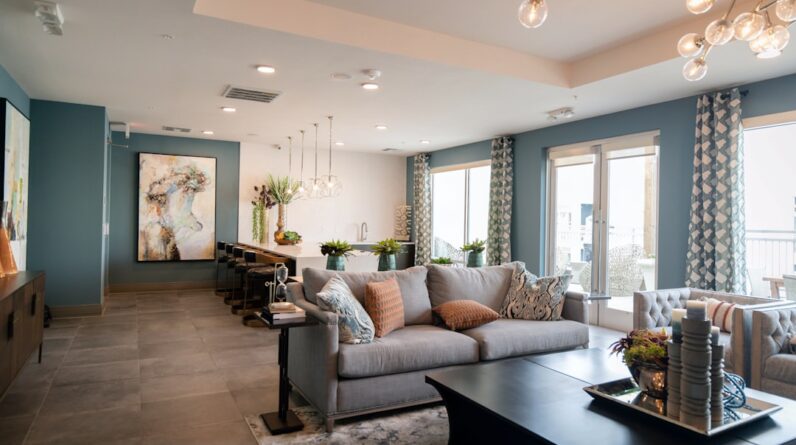
When deciding on accent colors, consider furniture, artwork, or decor that may already exist in the room. For instance, if your base color is a soft gray, you might introduce mustard yellow or navy blue accents to keep the look fresh and lively. Consider how these accents look in different lighting throughout the day to ensure they work harmoniously.
Testing Your Colors
Deciding based on a single paint chip or fabric swatch is tempting, but colors can dramatically change depending on light and surrounding elements. Before committing, it’s wise to test your selected colors. Buy sample pots of paint and apply patches on the walls of your home, ideally in areas that get varying light throughout the day.
Observe how the colors look at different times—early morning light will illuminate your space differently than evening shadows. Getting a feel for how colors interact in your home environment allows you to feel confident in your final selections, ensuring they will bring the desired atmosphere into your home.

Creating a Color Flow
One essential aspect of a harmonious color scheme is creating a flow throughout your home. This means ensuring that colors work together from one room to another, promoting a unified look while still offering variety. Consider how one room transitions to another and the visual journey it creates.
A popular technique is to use a consistent hue, whether in shades or tones, to tie your spaces together. For instance, choosing shades of green from room to room can create a refreshing feel without repetition. You might even use patterns or textiles, such as curtains or cushions, to carry colors through each area.
Understanding Lighting and Its Impact
It’s easy to overlook how much light affects color perception, but lighting plays a significant role in how colors appear in your home. Natural light can make hues look brighter and more vibrant, while incandescent bulbs tend to warm tones, and fluorescent lights can sometimes cool them down.
Designing mindfully considering lighting will help your colors appear as intended. For example, if you have north-facing rooms with more excellent natural light, warm colors can help create a cozy feel. Conversely, more fabulous shades may work wonderfully in south-facing rooms with warm sunlight.
Exploring Textures and Patterns
Color does not exist in isolation; it interacts incredibly with texture and patterns. Introducing various materials—think wood, metal, and fabrics—can influence how colors are perceived and add another layer of depth to your space.
Patterns can also advocate color-matching. If you select a bold pattern for a sofa or curtains, you can draw colors from that pattern to inform your other choices throughout the room. Mixing textures—from matte to glossy finishes—can elevate your color combination, too, making your space more engaging and dynamic.
Working with Neutrals
Neutrals are integral in a harmonious color scheme, offering balance amidst vibrant shades. These can serve as a backdrop for your more passionate hues and help create a polished look. Think about soft whites, grays, taupes, or beiges that can often sit elegantly with stronger jewel tones or deep shades.
A well-placed neutral can also allow your accents to shine without competing for attention. For example, if your base color is a rich emerald green, a neutral beige can serve beautifully as the backdrop for this bold hue while allowing space for accents of gold or terracotta.
Embracing Seasonal Changes
Nature tempts us to think of color in terms of seasons. By embracing seasonal changes in your home, you can foster a fresh experience each time, creating effortless warmth. Consider incorporating seasonal colors—like soft pastels in spring or rich earth tones in autumn—into your color scheme.
You can achieve this by seasonally changing out small accessories—like cushions, throws, and artwork—rather than committing entirely to a new paint job. A burnt orange throw may elevate your space during fall, while excellent seafoam greens might do it in summer. This flexible approach allows your space to evolve without a massive overhaul.
Personalizing Your Space
Ultimately, your home should tell your story. Your color scheme should reflect your journey, interests, experiences, and aspirations. Whether you choose bold, eclectic combinations or soft, understated hues, the most crucial element is that it feels authentic to you.
Curate pieces that showcase your style, such as art, photographs, or handcrafted goods, and surround yourself with colors that spark joy. Incorporating personal touches fosters a connection to your space, making it yours.
Seeking Professional Help
If you find yourself overwhelmed by choices or unsure about execution, consulting a professional can be beneficial. Interior designers or color consultants have the expertise to guide you through the color selection and can offer invaluable insights based on extensive experience.
Whether you choose a full consultation or seek advice on a few tricky areas, having an expert’s eye can solidify your decisions and help you achieve the harmonious color scheme you envision.
Staying Open to Change
Once you have established your color scheme, remember that change can be good! Color trends evolve, and your tastes may too. Feeling stifled by a static scheme may result in a home that lacks personality and charm.
Be open to refreshing your space every few years—consider changing out accents or giving a room a fresh coat of paint. This augments excitement and keeps your home evolving and reflecting your current self, making it a living, breathing entity that grows alongside you.
Final Thoughts
Designing a harmonious color scheme for your home is not just about aesthetics; it’s also about creating a space that resonates with who you are and how you feel. Embrace the process, and let it reflect your life and personality, making your home a sanctuary where you feel most comfortable.
Through thoughtful color choices, you can make your home a beautiful, cohesive space. From understanding the basics of color theory to embracing personal elements and seasonal changes, the steps outlined can guide you toward creating an inviting, harmonious environment.