How Can I Design a Small Space Effectively?
Designing a small space can feel like both a rewarding and challenging puzzle. With the right strategies, you can maximize functionality, aesthetics, and comfort without making the area feel cramped or cluttered. Whether you are transforming a tiny apartment, a snug bedroom, or a compact home office, this article will offer friendly, practical guidance. Let’s dive into how you can effectively design your small space to be both functional and aesthetically pleasing.

Understanding Your Space
Before diving into the design process, it’s crucial to understand the dimensions and layout of your space. Take accurate measurements and walk around to get a feel for the flow of movement in the room. Are there any architectural features or obstacles that you need to consider? By identifying these elements, you can make informed decisions about where furniture and decor should go.
Consider using graph paper or design software to sketch out your layout. This doesn’t have to be complicated! Just plotting where the doorways, windows, and any existing furniture pieces can help you visualize your new layout. You might even want to take a good look at how natural light circulates through the space. Understanding your space better allows you to work smarter, not harder, in creating an inviting environment.
Embrace Multi-Functional Furniture
With a limited amount of square footage, one of the most effective strategies is to embrace multi-functional furniture. Think about pieces that serve more than one purpose. For instance, a sofa bed can offer seating during the day and transform into a bed at night. Similarly, ottomans with storage capabilities can add additional seating while also providing a place to stash away blankets or books.
You might consider a foldable dining table that can expand when guests come over but fold up to save space when you’re alone. This concept not only maximizes available space but also enhances usability. Choosing furniture that pulls double duty will open up new possibilities in your small space without overwhelming it.
Keep It Minimal
Less can certainly be more when it comes to small spaces. Embracing a minimal aesthetic can provide a sense of calm and spaciousness. This doesn’t mean your space needs to feel stark or dull; rather, focus on selecting a few quality pieces that reflect your style without overcrowding the room.
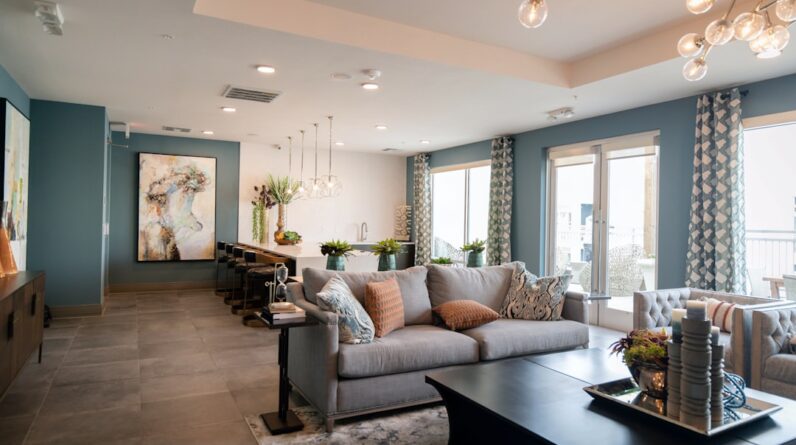
Avoid multiple small items that can clutter surfaces; instead, opt for larger, statement pieces that can serve as focal points. A bold piece of artwork can instantly elevate a room while giving it personality. Keeping surfaces clear helps create an open feel, making the space more inviting and comfortable.
Utilize Vertical Space
When designing in a compact area, you’re often limited by floor space. That’s where vertical space comes into play. Think about how to use your walls effectively by adding shelves that draw the eye upward. Wall-mounted shelves and hanging organizers can help you display books, plants, or personal items without taking up valuable floor space.
Additionally, consider tall bookshelves or cabinets that extend towards the ceiling. These not only provide storage but also create an illusion of height, making the room feel larger. Be sure to balance vertical elements with horizontal ones to maintain harmony in your design.
Choose a Cohesive Color Palette
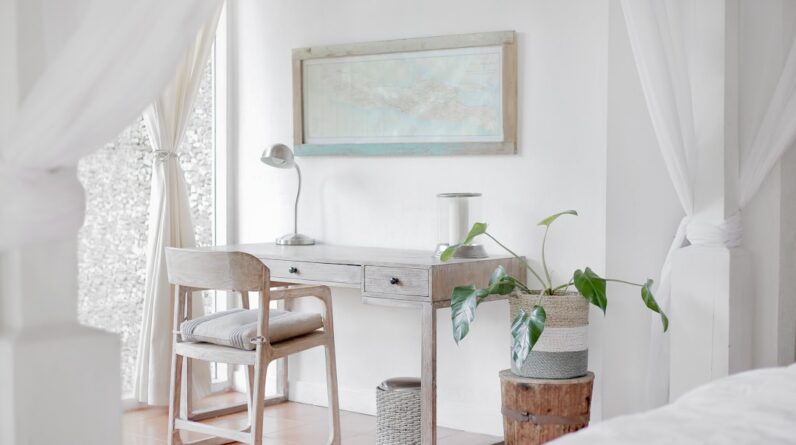
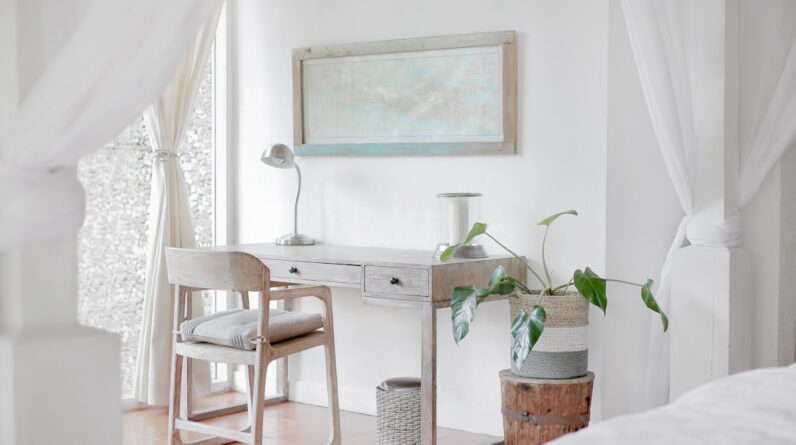
Color can significantly impact the perceived size of a room. A cohesive color palette can make a small space feel more seamless and open. Lighter colors, such as whites, soft pastels, or light grays, tend to reflect light and can make a space feel airy and expansive. You might want to use paint, wallpaper, or fabric in a limited range of complementary colors to enhance this effect.
If you love bold colors, consider using them sparingly as accent walls or accessories while keeping the main surfaces neutral. This allows you to express your personality without overwhelming the space. Mixing textures in your palette can add depth and interest, helping to create a cozy yet spacious environment.
Focus on Lighting
The right lighting can bring a small space to life. Natural light is ideal, so consider window treatments that allow you to maximize daylight, such as sheer curtains or blinds that can be fully opened. Beyond natural light, think about incorporating multiple light sources within your space.
Using a combination of ambient (overall), task (specific), and accent (highlighting details) lighting can create layers and make the room feel balanced. Floor and table lamps offer versatility, while wall sconces can save surface space. Dimmer switches can allow you to adjust the mood within the room at different times of the day, creating a warm and inviting atmosphere.

Create Zones
Even in small spaces, you can establish different functional zones to enhance usability without sacrificing style. For example, in a studio apartment, you can delineate areas for sleeping, working, and lounging with rugs that define each space.
Using furniture placement can also help outline these zones. Positioning your sofa to separate your living area from your workspace can create a sense of division. This variety not only makes your small space more practical but also adds an element of creativity to your design approach.
Personalize with Decor
While functionality is key in small spaces, don’t forget to infuse personality through decor. Use artwork, photographs, textiles, and plants to make the space feel like home. The key is to choose decor that complements your overall design while still showing off your personal style.
Instead of cluttering every surface, opt for a few key pieces that reflect your taste. A large piece of artwork or a striking mirror can serve as a centerpiece that draws the eye, giving the illusion of more space. Incorporating plants can also bring life and warmth into the room, and they can easily fit into tight corners or hang from walls without taking up valuable real estate.
Storage Solutions
Storage is often a significant concern in small spaces, but there are plenty of innovative solutions to keep clutter at bay. Look for hidden storage options under beds or within furniture such as storage ottomans and coffee tables with drawers. Vertical storage, as mentioned earlier, can greatly aid in organizing your items without sacrificing floor space.
Consider using decorative boxes or baskets to corral smaller items on shelves or furniture surfaces. By keeping things organized and stored away, you will maintain a clean and open feel in your small space. The more efficient your storage solutions, the more livable your space will become.
Consider Furniture Layouts
The layout of your furniture can make a huge difference in how spacious your small area feels. Avoid pushing all furniture against the walls, as this can sometimes create a cramped feeling. Instead, try floating your furniture pieces (such as a sofa or chairs) in the center of the room to create a conversational area.
Allow for easy traffic flow between furniture items. You want to ensure there’s enough space to move without bumping into anything. If you’re struggling to decide on a layout, don’t hesitate to experiment. Sometimes it takes a few tries to find the ideal setup.
Use Mirrors Wisely
Mirrors can be your best friend in small spaces! They not only add a touch of elegance and light but also create the illusion of more space. Strategically placing mirrors across from windows maximizes natural light, helping to brighten the room. A large decorative mirror can act as a stunning focal point, drawing the eye and making the room feel larger.
You might also want to consider mirrored furniture or decor accents. These can reflect shapes and colors in the room, adding depth while contributing to a cohesive look. Just be cautious about overdoing it; you want mirrors to enhance and not overwhelm the space.
Maintain Flexibility
In a small space, flexibility can be one of your greatest allies. Keep in mind how your needs may change over time and be open to adjusting your layout and furniture accordingly. Multi-functional furniture has its perks, but also think about using lightweight pieces that can be easily moved around when you need to switch things up.
Temporary partitions, such as curtains or folding screens, can also help create new layouts depending on your needs. This not only makes your space adaptable but keeps it fresh and exciting, as you won’t feel locked into one arrangement.
Incorporate Smart Technology
As technology advances, incorporating smart home devices can enhance your small space without cluttering it. Smart lighting, for instance, allows you to control the ambiance without needing bulky switches or table lamps. Similarly, smart speakers can provide entertainment while saving on additional devices.
Look for dual-purpose tech, such as a TV that can also be used for gaming or a sound system that blends seamlessly into your decor. These innovations can streamline your living experience, making technology an integrated part of your small space rather than an invasive presence.
Conclusion
Designing a small space effectively calls for creativity, practical solutions, and a mindful approach to aesthetics. Embrace the challenge of making every square inch count, and revel in the freedom of creating a cozy and functional environment that reflects your style. Remember, it’s all about making smart choices that align with your lifestyle while keeping the space enjoyable and inviting.
As you embark on your small space design adventure, keep these tips in mind and allow your unique personality to shine through your choices. If you found this article helpful, please clap, leave a comment, and consider subscribing to my Medium newsletter for more design inspiration and updates. Happy designing!