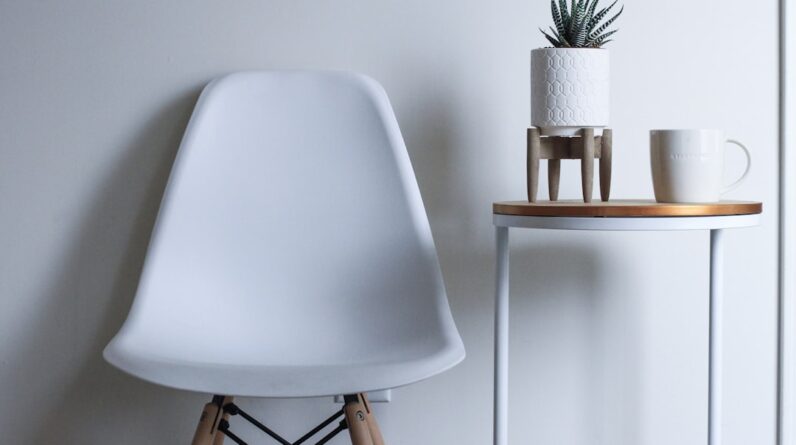
When it comes to furnishing your space, the choices you make can significantly influence the overall atmosphere and functionality of your home. You should start by considering the purpose of each room. For instance, if you’re designing a living room, think about how you want to use the space.
Will it be a place for entertaining guests, a cozy spot for family movie nights, or perhaps a multifunctional area that serves as both a workspace and a relaxation zone? Selecting furniture that aligns with these needs is crucial. Opt for pieces that not only fit your style but also serve practical purposes.
A sectional sofa might be ideal for accommodating guests, while a sleek coffee table can double as storage. In addition to functionality, the aesthetic appeal of your furniture and decor plays a vital role in creating a cohesive look. You should consider color schemes, textures, and styles that resonate with your personal taste.
Mixing different materials can add depth and interest to your space. For example, pairing a wooden dining table with metal chairs can create an inviting yet modern feel. Don’t shy away from incorporating art pieces or decorative items that reflect your personality.
These elements can serve as conversation starters and make your home feel uniquely yours.
Key Takeaways
- Choose furniture and decor that reflects your personal style and fits the scale of your space
- Maximize storage and organization with multifunctional furniture and creative storage solutions
- Create a focal point with a statement piece of furniture, artwork, or accent wall
- Incorporate lighting for both ambiance and functionality, including task lighting and accent lighting
- Select the right flooring that complements your design aesthetic and meets your lifestyle needs
- Add personal touches and character with unique decor, artwork, and sentimental items
- Make the most of limited space with space-saving furniture and clever storage solutions
- Consider traffic flow and accessibility when arranging furniture and decor to ensure a functional and inviting space
Maximizing Storage and Organization
Maximizing Vertical Space
Consider vertical storage options, such as wall-mounted shelves or tall bookcases, which can draw the eye upward, making your room feel larger while providing ample space for books, plants, or decorative items.
Utilizing Hidden Spaces
Think about how you can utilize every nook and cranny in your home. For instance, under-stair storage can be transformed into a small library or a cozy reading nook.
Creative Storage Solutions
Explore creative solutions like using decorative baskets or stylish bins to keep smaller items organized. Labeling these containers can further enhance your organization efforts, making it easy to find what you need when you need it. By prioritizing storage and organization, you create a serene environment that allows you to focus on what truly matters.
Creating a Focal Point

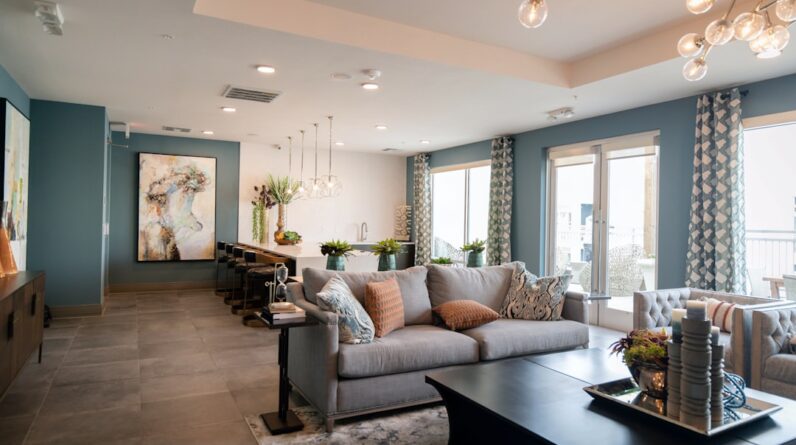
Every room benefits from having a focal point—a central feature that draws the eye and anchors the space. You should consider what element you want to highlight in each room. In a living room, this could be a stunning fireplace or an oversized piece of artwork that captures attention.
In a bedroom, perhaps it’s an elegant headboard or a beautifully arranged gallery wall. By establishing a focal point, you create visual interest and guide the flow of the room. Once you’ve identified your focal point, you can arrange the surrounding furniture and decor to complement it.
For instance, if your focal point is a striking piece of art, position seating in a way that encourages conversation while allowing guests to admire the artwork. You might also use lighting to enhance this feature; strategically placed lamps or spotlights can draw attention to your chosen element while adding warmth to the space. By thoughtfully creating a focal point, you not only enhance the aesthetic appeal of your home but also create an inviting atmosphere for both yourself and your guests.
Incorporating Lighting for Ambiance and Functionality
Lighting is one of the most powerful tools in interior design, capable of transforming the mood of any space. You should consider layering different types of lighting—ambient, task, and accent—to achieve both functionality and ambiance. Ambient lighting provides overall illumination, while task lighting focuses on specific areas where activities take place, such as reading or cooking.
Accent lighting can highlight artwork or architectural features, adding depth and interest to your rooms. When selecting light fixtures, think about the style and finish that will best complement your decor. A modern chandelier can serve as a stunning centerpiece in a dining room, while sleek pendant lights might be perfect for a contemporary kitchen.
Additionally, consider incorporating dimmer switches; they allow you to adjust the brightness according to the time of day or occasion, creating the perfect atmosphere whether you’re hosting a dinner party or enjoying a quiet evening at home. By thoughtfully incorporating lighting into your design scheme, you enhance both the functionality and aesthetic appeal of your space.
Selecting the Right Flooring
The flooring you choose can significantly impact the overall look and feel of your home. You should consider factors such as durability, maintenance, and style when making your selection. Hardwood floors exude warmth and elegance but may require more upkeep than laminate or vinyl options.
On the other hand, carpets can add comfort and coziness but may not be ideal for high-traffic areas or homes with pets. In addition to practicality, think about how your flooring choice will complement your existing decor. If you have an open-concept living space, you might want to choose flooring that flows seamlessly from one area to another to create a cohesive look.
Area rugs can also be used to define spaces within larger rooms; they add texture and warmth while helping to delineate different functional areas. By carefully selecting the right flooring for each room, you create a foundation that enhances both the beauty and functionality of your home.
Adding Personal Touches and Character

Your home should reflect who you are and tell your story through its decor and furnishings. You should take time to incorporate personal touches that showcase your interests and experiences. This could include family photos displayed in unique frames, travel souvenirs arranged on shelves, or handmade crafts that add warmth and character to your space.
These elements not only make your home feel more inviting but also create a sense of belonging. In addition to personal items, consider incorporating elements that inspire you or evoke positive memories. Perhaps it’s a favorite piece of art that resonates with you or a collection of books that have shaped your perspective on life.
By curating these personal touches throughout your home, you create an environment that feels authentic and meaningful. Remember that it’s not just about aesthetics; it’s about creating a space where you feel comfortable and connected.
Making the Most of Limited Space
If you’re working with limited space, clever design strategies can help you maximize every square inch without sacrificing style or comfort. You should start by evaluating how each area is used and identifying opportunities for improvement. For example, consider using wall-mounted furniture like foldable desks or drop-leaf tables that can be tucked away when not in use.
This approach allows you to maintain functionality while keeping the area open and airy. Another effective strategy is to embrace minimalism by decluttering regularly and only keeping items that serve a purpose or bring joy. This not only creates more physical space but also contributes to a calmer mental environment.
Additionally, using mirrors strategically can create an illusion of depth and openness in smaller rooms; they reflect light and make spaces feel larger than they are. By implementing these techniques, you can transform even the coziest quarters into stylish and functional living areas.
Considering Traffic Flow and Accessibility
When designing your home, it’s essential to think about traffic flow and accessibility to ensure that spaces are comfortable and easy to navigate. You should assess how people move through each room and arrange furniture accordingly to avoid creating obstacles or cramped areas. For instance, leaving enough space between seating arrangements allows for easy movement during gatherings while ensuring everyone feels included in conversations.
Accessibility is particularly important if you have family members or guests with mobility challenges. Consider wider pathways between furniture pieces and ensure that essential areas like kitchens and bathrooms are easily accessible without barriers. Additionally, using furniture with rounded edges can help prevent accidents in high-traffic areas.
By prioritizing traffic flow and accessibility in your design choices, you create an inviting environment where everyone feels welcome and at ease. In conclusion, designing your home is an exciting journey that allows you to express yourself while creating functional spaces tailored to your lifestyle. By carefully considering furniture selection, maximizing storage solutions, establishing focal points, incorporating effective lighting, choosing appropriate flooring, adding personal touches, optimizing limited spaces, and ensuring smooth traffic flow, you can craft an environment that is both beautiful and practical.
Embrace this process as an opportunity to create a sanctuary that reflects who you are while meeting the needs of those who share it with you.
FAQs
What is the purpose of an entryway or foyer?
An entryway or foyer serves as the first impression of a home, welcoming guests and providing a transition from the outside to the inside. It also serves as a functional space for storing outerwear, keys, and other items.
What are some key elements to consider when designing an entryway or foyer?
Key elements to consider when designing an entryway or foyer include adequate lighting, storage solutions for coats and shoes, a mirror for last-minute checks, a decorative rug or mat, and a focal point such as a piece of artwork or furniture.
How can I make my entryway or foyer feel more welcoming?
To make your entryway or foyer feel more welcoming, consider adding personal touches such as family photos, fresh flowers, or a welcoming sign. Additionally, incorporating comfortable seating and using warm, inviting colors can help create a welcoming atmosphere.
What are some space-saving solutions for a small entryway or foyer?
For a small entryway or foyer, consider using multi-functional furniture such as a bench with built-in storage, wall-mounted hooks for coats and bags, and slim-profile furniture to maximize space. Additionally, using mirrors and light-colored paint can help create the illusion of a larger space.
How can I create a functional entryway or foyer for my family’s needs?
To create a functional entryway or foyer for your family’s needs, consider incorporating designated storage for each family member, such as individual cubbies or baskets. Additionally, a message board or calendar can help keep everyone organized, and a durable rug or mat can help manage dirt and debris from outdoor activities.