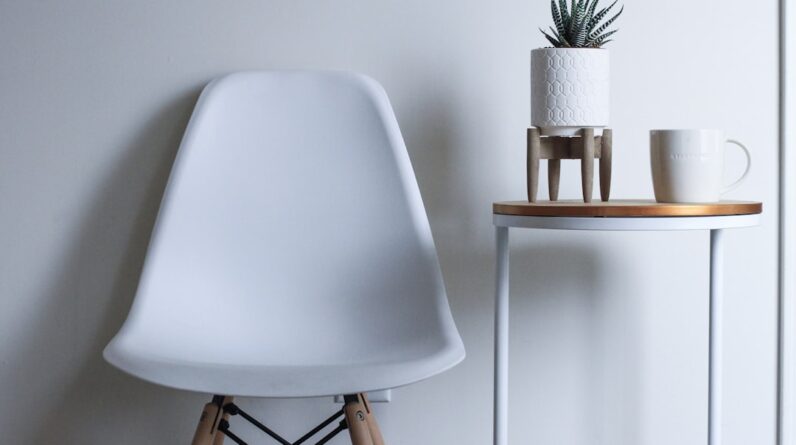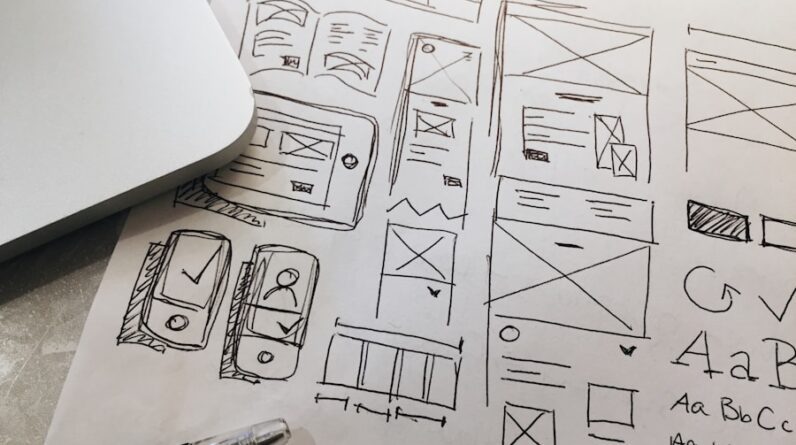
When it comes to interior design, the variety of styles available can be both exciting and overwhelming. You may find yourself drawn to the clean lines of modern design, the warmth of rustic aesthetics, or the elegance of traditional decor. Each style has its own unique characteristics, and understanding these can help you make informed choices that reflect your personality and lifestyle.
For instance, modern design often emphasizes minimalism and functionality, while bohemian styles celebrate eclecticism and vibrant colors. By familiarizing yourself with these different approaches, you can begin to identify which elements resonate with you the most. As you explore various design styles, consider how they can be blended to create a space that feels uniquely yours.
You might appreciate the simplicity of Scandinavian design but also want to incorporate the bold patterns found in Moroccan decor. The key is to recognize that these styles are not mutually exclusive; rather, they can complement one another beautifully. By understanding the foundational principles of each style, you can curate a space that reflects your tastes while maintaining a sense of harmony and balance.
Key Takeaways
- Understanding different design styles is essential for creating a cohesive and visually appealing space.
- Finding the right balance between different design styles can help create a harmonious and well-designed room.
- Incorporating key elements from each design style can add depth and interest to the overall look of the space.
- Creating a cohesive color palette is crucial for tying together different design elements and styles.
- Mixing textures and materials can add dimension and visual interest to the room, creating a more dynamic and inviting space.
Finding the Right Balance
Achieving balance in your design is crucial for creating a space that feels cohesive and inviting. You may find that certain elements in your room compete for attention, leading to a chaotic atmosphere. To avoid this, consider the visual weight of each piece in your space.
For example, large furniture items can dominate a room, while smaller accessories can add subtlety. Strive to create a sense of equilibrium by distributing these elements evenly throughout the space. This might mean pairing a hefty sofa with lighter accent chairs or balancing a bold artwork with more subdued decor.
In addition to visual weight, think about the balance between different design styles. If you’re mixing contemporary and vintage elements, ensure that neither style overshadows the other. You can achieve this by selecting a few key pieces from each style and allowing them to coexist harmoniously.
For instance, a sleek modern coffee table can be paired with an antique sideboard, creating an interesting juxtaposition that enhances the overall aesthetic. By finding the right balance, you’ll create a space that feels intentional and thoughtfully designed.
Incorporating Key Elements from Each Style
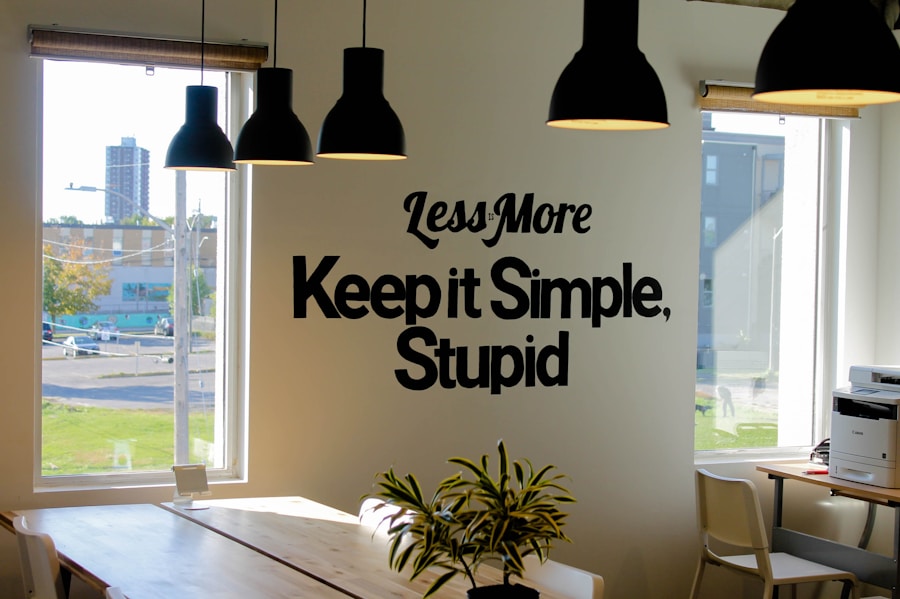
Once you have a grasp on different design styles and how to balance them, it’s time to incorporate key elements from each into your space. This process involves selecting signature pieces or features that embody the essence of each style you wish to include. For example, if you’re blending industrial and farmhouse styles, consider incorporating exposed brick walls alongside rustic wooden beams.
These elements will serve as focal points that highlight the unique characteristics of both styles. As you curate these key elements, think about how they interact with one another. You may want to choose a color scheme that ties them together or select materials that complement each other.
For instance, if you’re using metal accents from an industrial style, consider incorporating wooden textures from farmhouse decor to create warmth and contrast. By thoughtfully integrating these key elements, you’ll create a layered and dynamic space that tells a story about your personal style.
Creating a Cohesive Color Palette
A cohesive color palette is essential for unifying your design and ensuring that all elements work together seamlessly. As you embark on this journey, start by selecting a few core colors that resonate with you. These colors will serve as the foundation for your space and can be drawn from various sources, such as artwork, textiles, or even nature.
Once you have your core colors in mind, consider how they can be used throughout the room in different ways—on walls, furniture, and accessories. When creating your color palette, don’t shy away from experimenting with different shades and tones. You might find that a soft pastel complements a bold primary color beautifully or that earthy neutrals provide a grounding effect amidst vibrant hues.
The key is to maintain a sense of harmony while allowing for some variation. By thoughtfully applying your chosen colors across various elements in the room, you’ll create a cohesive look that feels intentional and well-designed.
Mixing Textures and Materials
Incorporating a variety of textures and materials is another effective way to enhance your design and add depth to your space. You may find that combining different textures—such as smooth metals, soft fabrics, and rough woods—creates visual interest and invites touch. For instance, pairing a plush velvet sofa with a sleek glass coffee table can create an engaging contrast that draws the eye and encourages exploration.
As you mix textures and materials, consider how they relate to the overall theme of your design. If you’re aiming for a cozy atmosphere, opt for warm textiles like wool or cotton alongside natural materials like wood or stone. Conversely, if you’re leaning towards a more modern aesthetic, consider incorporating sleek metals and glass for a polished look.
By thoughtfully mixing textures and materials, you’ll create a multi-dimensional space that feels inviting and dynamic.
Using Statement Pieces to Tie the Room Together
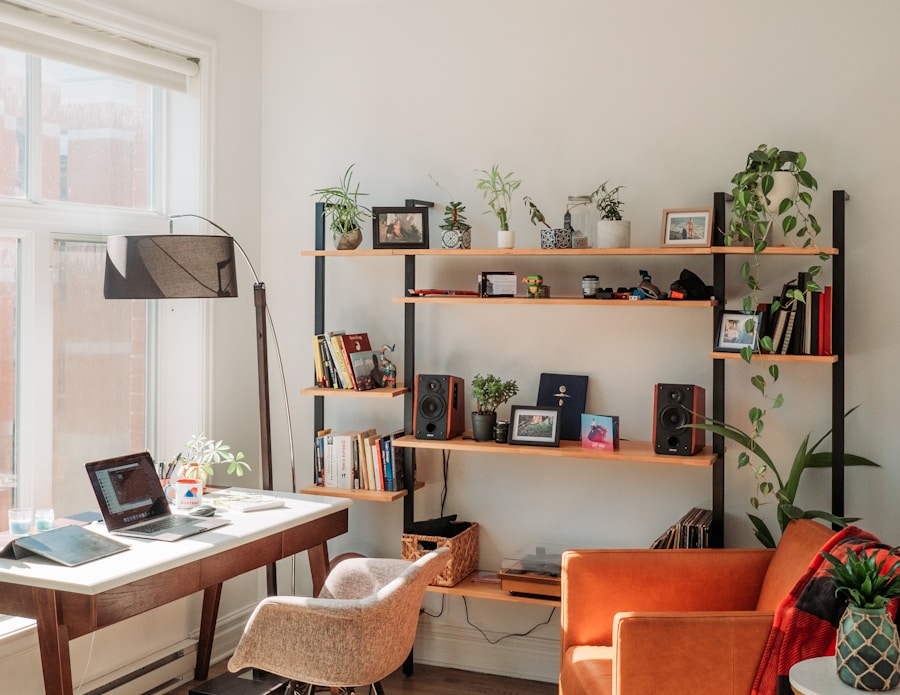
Choosing the Right Statement Piece
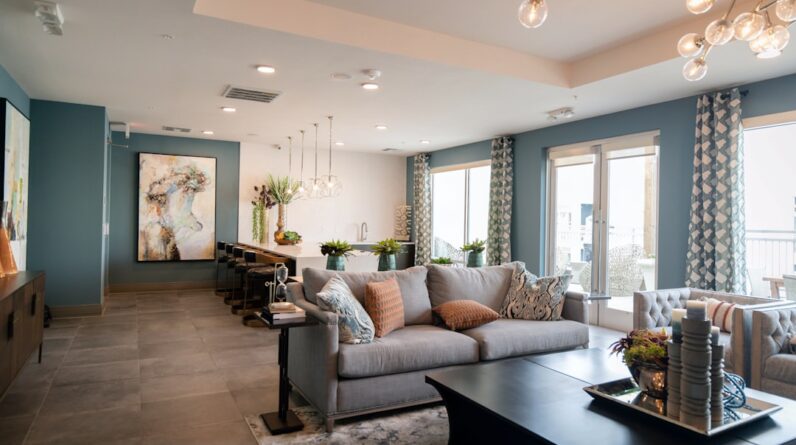
The key to selecting a statement piece is to choose something that reflects your personal taste and complements the room’s design. This could be a vibrant painting, a unique sculpture, or a bold piece of furniture that catches the eye.
Creating Harmony in the Space
Once you’ve chosen your statement piece, consider how it interacts with other elements in the space. You may want to arrange furniture around it or use it as inspiration for your color palette. For example, if your statement piece is a vibrant painting, pull colors from it to inform your choice of accessories or textiles throughout the room.
Creating a Cohesive Look
By using statement pieces effectively, you’ll create a cohesive look that draws attention and enhances the overall aesthetic. A well-chosen statement piece can elevate the entire room, creating a sense of harmony and visual appeal.
Paying Attention to Scale and Proportion
Scale and proportion are fundamental principles in interior design that can significantly impact the overall feel of your space. When selecting furniture and decor items, it’s essential to consider their size in relation to one another and the dimensions of the room itself. You may find that oversized furniture can overwhelm a small space or that tiny accessories get lost in a large room.
Strive for harmony by choosing pieces that are appropriately scaled for your environment. In addition to individual items, think about how different elements relate to one another in terms of proportion. For instance, if you have a large sectional sofa, balance it with equally substantial coffee tables or side chairs to create visual equilibrium.
Conversely, if you’re working with smaller furniture pieces, consider incorporating larger artwork or decorative elements to fill empty spaces effectively. By paying attention to scale and proportion, you’ll create a well-balanced environment that feels comfortable and inviting.
Seeking Inspiration and Guidance from Design Professionals
While it’s possible to navigate interior design on your own, seeking inspiration and guidance from professionals can elevate your project significantly. Interior designers bring expertise and experience that can help you refine your vision and make informed decisions about your space. They can provide valuable insights into current trends, materials, and techniques that you may not have considered.
In addition to hiring professionals, don’t underestimate the power of inspiration from various sources—magazines, online platforms like Pinterest or Instagram, and even nature itself can spark ideas for your design journey. As you gather inspiration, keep an open mind and allow yourself to explore different styles and concepts. By combining professional guidance with personal inspiration, you’ll be well-equipped to create a space that reflects your unique taste while also being functional and aesthetically pleasing.
In conclusion, designing your space is an exciting journey filled with opportunities for self-expression and creativity. By understanding different design styles, finding balance among them, incorporating key elements thoughtfully, creating cohesive color palettes, mixing textures effectively, using statement pieces wisely, paying attention to scale and proportion, and seeking inspiration from professionals, you can craft an environment that truly feels like home. Embrace the process and enjoy every step along the way!
FAQs
What are design styles?
Design styles refer to the distinct characteristics and elements that define a particular aesthetic or theme in interior design. Examples of design styles include modern, traditional, minimalist, industrial, and bohemian, among others.
Why combine different design styles in a single space?
Combining different design styles in a single space can create a unique and personalized look that reflects the homeowner’s individual taste and personality. It can also add visual interest and depth to the overall design of the space.
What are some tips for effectively combining different design styles?
– Start with a cohesive color palette to tie the different styles together.
– Use a mix of furniture and decor pieces from each style to create a balanced look.
– Pay attention to scale and proportion when mixing different design elements.
– Incorporate transitional pieces that can bridge the gap between different styles.
– Consider the overall flow and function of the space when combining different design styles.
What are some common design styles that work well together?
Some common design styles that work well together include:
– Modern and traditional
– Industrial and rustic
– Scandinavian and bohemian
– Minimalist and mid-century modern
How can I avoid a cluttered or chaotic look when combining different design styles?
To avoid a cluttered or chaotic look when combining different design styles, it’s important to edit and curate the elements in the space. Focus on creating a cohesive and harmonious design by carefully selecting and arranging the different pieces. Additionally, maintaining a sense of balance and symmetry in the space can help prevent it from feeling cluttered or chaotic.