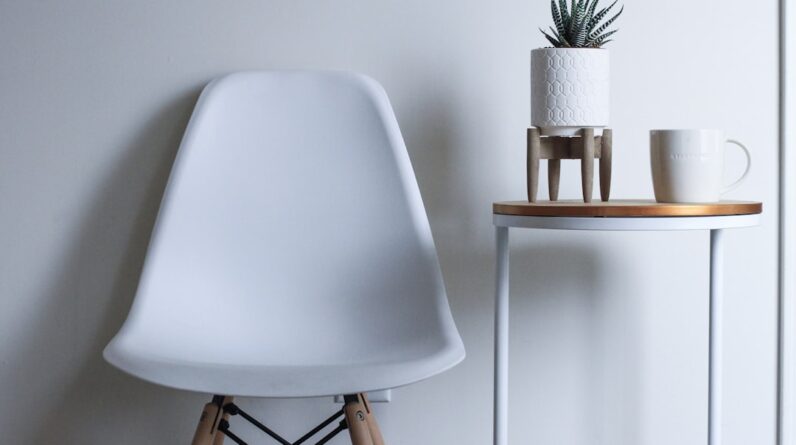
How Can I Incorporate Minimalism In My Interior Design?
Minimalism is more than just a design trend; it’s a lifestyle choice that can profoundly impact your well-being and space. Incorporating minimalism into your interior design can lead to a more serene environment, allowing you to focus on what truly matters. You might be wondering how to achieve that aesthetic without sacrificing comfort or personality. Don’t worry – you’re in the right place! In this article, you’ll learn practical tips and insights on how to weave minimalism seamlessly into your home, creating a space that feels open, airy, and genuinely you.

Understanding Minimalism
Before you dive into the practicalities of minimalism in your design, it’s essential to understand what it truly means. At its core, minimalism is about stripping away the non-essential to make room for what brings you joy. It’s a philosophy that emphasizes simplicity, functionality, and thoughtful consumption. In the context of interior design, minimalism means choosing fewer items that serve a purpose and contribute to a calm and intentionally curated environment.
A minimalist approach doesn’t mean your space has to look stark or sterile. Instead, it’s about finding a balance between aesthetics and livability. You can still showcase your personality with carefully selected décor and furnishings. Embracing minimalism is about making mindful choices that enhance your life, rather than clutter it.
Decluttering: Start With the Basics
The first step toward creating a minimalist space is decluttering. You’ll want to assess every corner of your home and decide what you truly need. Think about items that serve a purpose or bring you joy; everything else should go. The decluttering process can feel daunting at first, but you can start small.
Choose one area to focus on, such as a drawer, a shelf, or a room. Sort through items and group them into three categories: keep, give away, and throw away. Be mindful of sentimentality – holding on to items just because they have a memory attached can weigh you down. The goal here is to cultivate a space filled with things that you love and use frequently.
Decluttering not only helps you create a more minimal environment but also has emotional benefits. A clearer space can lead to a clearer mind, reducing anxiety and increasing your overall sense of peace. Additionally, enjoy the liberating feeling of letting go of things that no longer serve a purpose in your life.
Choosing a Color Palette
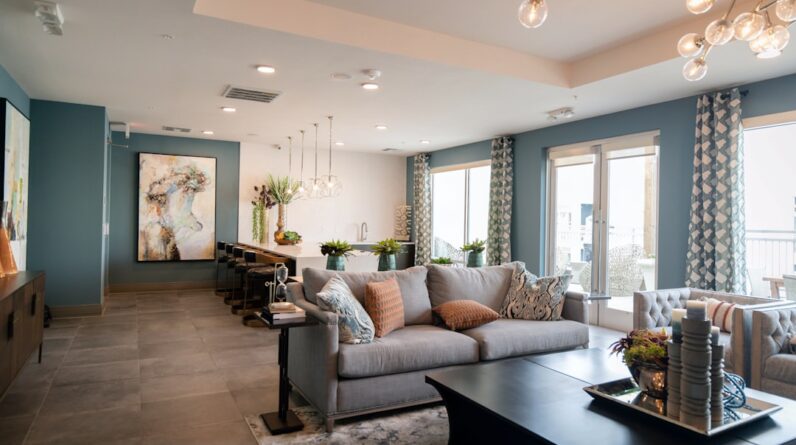
Once you’ve decluttered your space, it’s time to think about the colors you want to incorporate. A minimalist design often sticks to a neutral color palette with occasional accents. Colors such as whites, grays, and beiges create a calming atmosphere, making rooms feel larger and more open. Neutral colors also allow your furnishings and decor to shine without overwhelming the senses.
However, don’t be afraid to introduce small pops of color! Perhaps you have a favorite artwork or a vibrant cushion that embodies your style. These dashes of color can provide a focal point without overshadowing the minimalist approach. Remember, it’s about balance; choosing a cohesive palette lets elements stand out in harmony instead of chaos.
Textures and Materials Matter
In a minimalist design, textures and materials play a critical role. While you may prefer a neutral color palette, mixing textures can add depth and interest without cluttering the space. Think about incorporating materials like wood, stone, metal, and textiles to create a dynamic interior.
For example, consider a cozy wool throw on a sleek leather sofa, or a wooden coffee table that contrasts with a smooth marble countertop. These combinations will enhance visual interest while maintaining simplicity. Pay attention to the quality of the materials you choose – opting for sustainable, durable options can add elegance to your space.
Essential Furniture Choices
When selecting furniture for your minimalist interior, functionality reigns supreme. Look for pieces that serve a dual purpose, such as a coffee table with built-in storage or a sofa bed for accommodating guests. Clean lines and uncluttered designs should be your goal—furniture should be practical, stylish, and not overpowering to the space.
In addition, consider investing in fewer, but higher-quality pieces. This approach promotes sustainability and creates a curated look. Moreover, the fewer items you have, the easier it becomes to maintain a clean and serene environment. Every piece of furniture should feel intentional and harmonious with the overall aesthetic of the room.

Embracing Open Spaces
One of the fundamental aspects of minimalism is embracing open space. Instead of overcrowding your home with a multitude of furniture pieces, aim for a more open layout that allows for free movement and breathing room.
Take a moment to assess the arrangement of your furniture. Try not to have too many items against walls or clustered in corners. Instead, let each piece stand on its own, with plenty of space around it. This focus on open space can enhance the functionality of your home and create a welcoming atmosphere that feels less cramped.
Natural Light: A Minimalist’s Best Friend
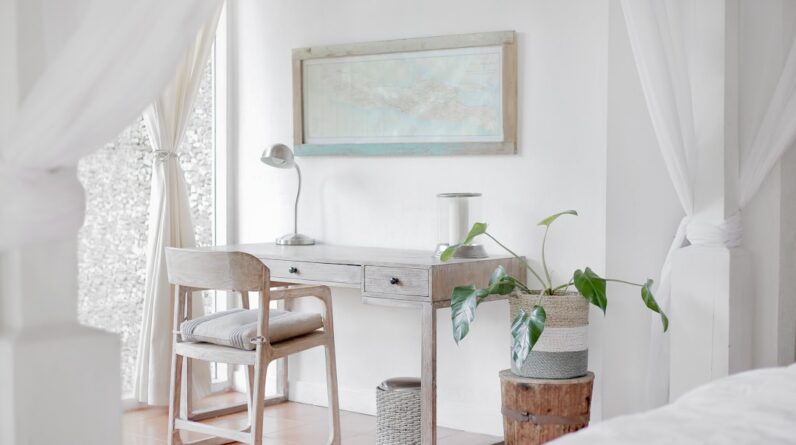
Natural light plays a crucial role in creating a minimalist interior. Maximizing light helps produce a fresh, airy feel. Take advantage of windows by keeping them unobstructed; avoid heavy curtains that block light. Instead, opt for light, sheer curtains that allow sunlight to pour in while maintaining privacy.
In darker areas, consider adding mirrors to reflect light and create an illusion of more space. A well-placed mirror can also serve as a statement piece, beautifully enhancing your minimalist design. The more you embrace natural light, the more your space will embody the essence of minimalism.
Thoughtful Décor
Minimalist design does not imply that you must leave your walls bare or forgo decor altogether. Instead, you should focus on thoughtful, intentional decor that enhances the space without creating clutter. Select pieces that resonate with you—think about artwork, plants, or sculptures that reflect your personality and values.
When choosing decorations, consider placing them in clusters rather than scattering items throughout the room. A group of framed photographs or a set of unique vases can create a visually appealing focal point without overwhelming the space. Keep in mind that less is often more in a minimalist design; a few meaningful pieces can have a far greater impact than many objects.
Incorporating Greenery
Plants can be an excellent addition to a minimalist design, infusing life and warmth into the environment. Consider incorporating a few low-maintenance plants that suit your lifestyle. For example, a snake plant or a pothos requires minimal tending while providing vibrant greenery.
You can also choose decorative planters that align with your color palette and material choices, adding to the aesthetic without introducing visual noise. Placing plants in corners or atop shelves can create contrast and help break the monotony of a neutral palette.
Mindful Technology Integration
In today’s digital age, technology is an essential aspect of life, but it can also contribute to clutter. To maintain a minimalist aesthetic, be intentional about how you integrate technology into your home. Keep cords hidden, and choose devices that blend seamlessly with your design.
For example, consider opting for smart home devices that can be discreetly integrated into your space. Choose aesthetically pleasing designs for gadgets, so they enhance rather than detract from your interior. By being mindful of technology, you can maintain a clean, minimal environment while enjoying the convenience of modern living.
Creating Zones and Functions
If you have a larger space, consider creating functional zones within your home. This approach allows you to maximize space while facilitating the minimalist lifestyle. For example, your living room could have designated areas for lounging, reading, and working.
You can achieve these zones through furniture arrangement, rugs, or even color divisions. Defining these areas helps maintain organization and reduces clutter since each zone serves a distinct purpose.
When creating zones, think about your needs and how you wish to use each area of your space. Customize it as per your requirements, ensuring that every zone contributes positively to your lifestyle.
Flexibility is Key
Minimalism encourages flexibility in your living space. Your needs may change over time, and your home should be adaptable to those changes. Consider investing in modular furniture pieces that can be rearranged or repurposed based on your current lifestyle.
For instance, ottomans can be used as seating, storage, or even a coffee table in various contexts. A foldable dining table can expand to accommodate guests, then be tucked away to create more space when not in use. Flexibility in your design promotes a sense of utility, adhering closely to the principles of minimalism while respecting your dynamic lifestyle.
Minimalism and Personalization
You may fear that embracing a minimalist approach might lead to a home devoid of character. While minimalism encourages simplicity, it also provides ample room for personalization. The key is to curate your belongings intentionally, focusing on pieces that resonate with you and reflect your personality.
Choose a few memorable items—a piece of art, a family heirloom, or even a decorative object from your travels. These selected pieces can tell a story and create a connection to your identity while remaining cohesive within the minimalist aesthetic.
Creating a Personal Sanctuary
Remember that your home is a sanctuary, a place where you should feel safe and at ease. While minimalism advises reducing distractions, it’s equally important to create an environment that makes you feel comfortable and inspired.
Incorporate items that bring you joy, whether it’s a cozy reading nook where you can unwind with a favorite book or a meditation corner that encourages mindfulness. Personalizing your space while adhering to minimalist principles creates a balance between simplicity and sentimentality, resulting in a true reflection of who you are.
Maintenance: Sustaining Minimalism
Incorporating minimalism into your interior design is not a one-time effort; it requires continuous maintenance. Create a routine for decluttering and organizing your home. Regularly assess your belongings and eliminate items that no longer serve you. Establishing a consistent practice helps you avoid build-up and keeps your space feeling fresh and intentional.
Additionally, strive for mindful consumption in the future. When purchasing new items, reflect on their necessity and value in your life. This way, you can ensure that your space remains uncluttered and aligned with your minimalist philosophy.
Stay Open to Change
Life evolves, and so will your concept of minimalism. Allow yourself the flexibility to adapt your space as your tastes, needs, and routines change. Your interior design can be a living reflection of your life journey—embracing growth while maintaining core principles of simplicity and intention.
Stay open to re-evaluating your space and the items within it. You never know when an element of surprise or creativity might emerge while you’re in the process of simplification.
Final Thoughts
Incorporating minimalism into your interior design can be a fulfilling journey that nurtures both your home and well-being. Remember, minimalism is not about deprivation but rather about making room for what genuinely matters. By following these tips, you can create a space that feels open, inviting, and uniquely yours.
As you embark on this journey, be patient with yourself. Minimalism is a practice, and every step you take brings you closer to a peaceful and intentional living environment. Embrace the journey, celebrate small victories, and enjoy the calm that minimalism can bring to your life.
If you found this article helpful, I’d love for you to clap for it, leave a comment with your thoughts, and subscribe to my Medium newsletter for updates! Let’s create beautiful spaces together.