How Can I Incorporate My Style Into Interior Design?
Understanding Your Personal Style
The journey of incorporating your style into interior design begins with understanding what makes you, well, you. Think about the colors, patterns, and textures that resonate with you. Is there a specific era of design that captivates you, or do you lean more towards contemporary aesthetics? Maybe you have a love for rustic charm or minimalist designs.
Dive deep into your personal preferences by reflecting on spaces that make you feel most at home. Is it the cozy feel of a farmhouse, the clean lines of a modern apartment, or perhaps the eclectic mix in a bohemian space? Identifying your personal style can be as simple as recognizing what draws your eye—this initial step can set the tone for your entire design process.
Additionally, gathering inspiration can help. Explore design magazines, social media platforms like Pinterest or Instagram, or even visit local home decor stores. Bring together images, textures, and colors that resonate with you, creating a mood board that captures your desired aesthetic. This visual representation will not only be a guide but also a source of motivation as you begin your design journey.
Exploring Design Styles
Once you have a grasp on your personal style, it’s time to explore different design styles that can harmonize with your aesthetic. Each style carries its own characteristics—knowing these can help you choose which elements to incorporate into your space.
Take, for example, the modern style characterized by its minimalist approach with a focus on function. If you gravitate toward simplicity and clean lines, modern design might be calling your name. On the other hand, if you appreciate a warm, inviting space with a touch of nostalgia, exploring traditional or rustic styles could be your perfect match.
Don’t shy away from mixing styles, though! Eclectic design allows you to blend various aesthetics into a cohesive look, making your space feel uniquely yours. The key is to find a balance—too many clashing styles can create chaos, while a few select elements from various styles can elevate your interior.
The Importance of Color
Color is a powerful tool in interior design, and it serves as one of the most direct ways to express your personal style. It can affect mood, create atmosphere, and even influence how you perceive the space around you. Think about what colors make you feel good, energize you, or promote relaxation.
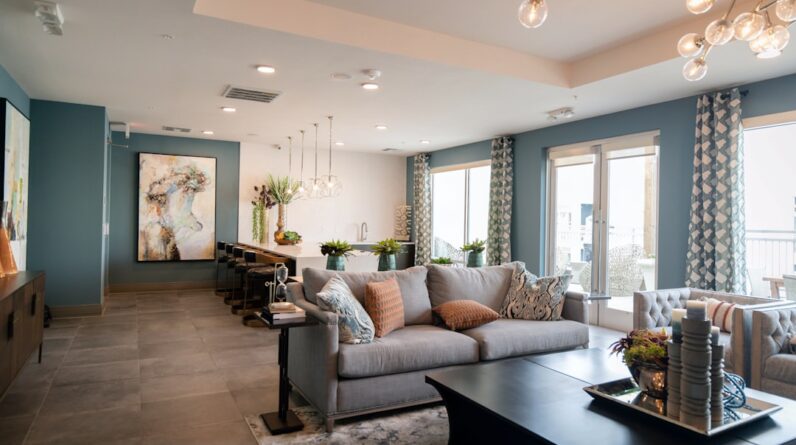
For instance, soft blues and greens often evoke tranquility, making them ideal for bedrooms or calming spaces. On the other hand, vibrant reds and yellows can bring energy to a living room or kitchen. You can experiment with color through paint, wallpaper, or accent pieces.
Consider using the 60-30-10 rule: use 60% of a dominant color for walls and large furniture, 30% for secondary elements like curtains or rugs, and 10% for accent colors in decor. This balance can help you achieve a cohesive look while allowing you to incorporate colors that resonate with your personal style.

Textures and Materials
Textures play a significant role in enriching your interior environment. Incorporating different textures can add depth and interest to your space, transforming a flat design into a rich, dynamic experience. Consider the materials that speak to you—do you love the rustic feel of reclaimed wood, or does sleek metal align more with your vision?
Think about how you can blend various textures to create an inviting atmosphere. For instance, pairing soft, plush textiles like velvet cushions with hard surfaces such as metal or glass can create a balanced and engaging look. Adding natural elements like jute rugs or wicker baskets can also soften a space and introduce warmth.
When selecting materials, consider their longevity and how they complement your lifestyle. If you have kids or pets, for example, you may want to choose durable fabrics that can withstand wear and tear. Seek materials that not only align with your style but also accommodate your daily life.
Furniture Choices
Choosing the right furniture is pivotal in making your space feel cohesive and true to your style. Start by evaluating the size of your space and determining what furniture pieces are essential. Whether you are furnishing a small apartment or a spacious house, scale is important—oversized furniture in a small room can overwhelm the space, while tiny pieces can make a large room feel empty.
Do some research on furniture styles that align with your aesthetic. Mid-century modern, industrial, Scandinavian, traditional—they all have unique features that can tie your design together. Once you have a style in mind, prioritize quality and comfort. You’ll want to invest in pieces that you not only love visually but also enjoy using.
Consider incorporating a statement piece—a bold chair or an artful coffee table can act as a focal point in your room, allowing you to showcase your style. It’s an opportunity to choose something that speaks to your personality, not just your functional needs.
Lighting Matters
Lighting can dramatically affect the mood of a room, influencing how your colors and textures are perceived. Consider the purpose of the space and how lighting can enhance your design. Natural light brings warmth and connection to the exterior, so always consider window treatments that allow sunlight to filter while maintaining privacy.
Explore different types of lighting: ambient lighting for overall illumination, task lighting for specific activities, and accent lighting to highlight particular features. A statement chandelier or unique floor lamp can serve as a conversation starter, while layered lighting options can create versatility depending on the time of day and occasion.
Don’t forget about light bulbs! The type of bulbs you choose can alter the ambiance, from warm tones that lend a cozy feel to cool tones that brighten the space. Experiment with various options until you discover what truly complements your style.

Personal Touches
Integrating personal touches into your interior design is what ultimately makes a space feel like home. This could be anything from family photos and artwork you love, to souvenirs from your travels or heirloom pieces passed down through generations. These touches tell your story and provide depth to your decor.
Consider creating a gallery wall where you can showcase your favorite artwork or photographs. Use frames of various styles and colors to create a dynamic yet cohesive display. Alternatively, a few thoughtfully chosen items on a shelf or mantel can serve as conversation starters, inviting guests to learn more about you.
Your curated collection of books, plants, or even your favorite childhood toys can reflect who you are and evoke memories—allowing your personality to shine through in every corner of your home.
The Role of Scale and Proportion
Understanding scale and proportion can significantly impact how your design comes together. It’s essential to maintain balance to create a harmonious environment. When adding elements into a space, consider how they relate to one another in size and structure.
For example, if you have a large sectional sofa, complement it with volumetric coffee tables or artwork that can fill the wall above it. A simple rule to keep in mind is that larger furniture works better in bigger rooms, while smaller pieces shine in compact spaces.
You can also play with height in your decor. Combining tall plants with low furniture can create visual interest while maintaining balance. Remember, it’s about creating a flow and making every piece feel intentional within the space.
Sustainable Choices
In a world that increasingly values sustainability, incorporating eco-friendly choices into your interior design can also reflect your personal values. When selecting furniture, decor, and materials, consider opting for sustainable resources, such as reclaimed wood, organic fabrics, or items made from recycled materials.
These choices can add character to your home while reflecting your commitment to the environment. Many companies now specialize in sustainable furniture, so you won’t have to sacrifice style for ethics. Look out for certifications like FSC (Forest Stewardship Council) to ensure the sustainability of your purchases.
Additionally, consider the longevity of your items. Investing in quality pieces that can withstand time and trends will keep your home looking timeless and well-appointed.
Creating Flow and Cohesion
As you start bringing individual elements together, remember to maintain a flow throughout your space. This doesn’t mean you have to adhere to one strict style uniformly—but rather, that elements should complement and harmonize with each other.
Use a consistent color palette throughout your home, allowing different spaces to feel connected. For example, if you have a bold color in the kitchen, consider recycling that color in a smaller accent element in the adjacent living space. This creates visual harmony and helps establish a narrative around your home.
When it comes to layout, consider the natural movement through spaces. Arranging furniture to facilitate smooth transitions from one area to another can foster a sense of ease and invites people to explore your home without feeling blocked or clustered.
Timeline and Budgeting
Designing your space can often feel overwhelming, especially if you’re working with a budget or timeline. It’s essential to map out your priorities, identifying which areas of your home you want to tackle first. This can help manage any feelings of stress and keep the process enjoyable.
Set a realistic budget for each project, accounting for unexpected expenses that may arise. Don’t hesitate to get creative with your funding—thrift shops, clearance sections, and DIY projects can significantly stretch your budget, allowing you to incorporate your style without overspending.
Moreover, take your time! Design should be a personal journey that reflects who you are. It might evolve over months, or even years, and that’s perfectly okay. Allowing your home to unfold one piece at a time can lead to thoughtful curation that truly feels tailored to you.
Seeking Inspiration from Others
While your personal style should shine through, seeking inspiration from others can help broaden your perspective. Consider visiting open houses, art exhibitions, or local design events. Talking to friends or family about their design choices can also spark ideas.
Moreover, don’t underestimate the power of online communities. Platforms like Instagram and Pinterest are brimming with design inspiration from individuals with varied styles. Following influencers who share similar tastes can keep you updated and inspired.
Keep a journal or create a Pinterest board to document what catches your eye. Over time, patterns will likely emerge, revealing elements that consistently resonate with you. Use this data as a guide when sourcing decor, furnishings, and other design elements.
Embracing Change and Growth
Finally, it’s important to embrace the fact that your style may evolve over time. Life changes, experiences, and influences can all shape how you perceive design. Your home should be a reflection not just of who you are today but of the journey you’ve taken to get there.
Don’t hesitate to make adjustments as you grow. It’s perfectly acceptable to swap out pieces, experiment with layouts, or even start from scratch if your aesthetic shifts. Viewing your home as a living space allows you to remain flexible and responsive to your own experiences and preferences.
Every change you make is a testament to your journey—embrace it! Let your space grow with you, offering comfort, nurturing creativity, and inspiring self-expression.
Conclusion
Incorporating your style into interior design is an enriching, rewarding journey filled with discovery and self-expression. Remember, it’s about infusing your home with personal touches that resonate with you and tell your story. From understanding your personal style and exploring different influences, to choosing colors, textures, and materials—it all culminates in creating a space that feels authentically yours.
Take your time, enjoy the process, and cherish the moments as you craft a sanctuary that embodies both comfort and individuality. Your home is an extension of who you are; let it shine!
If you enjoyed this article, please give it a clap, leave a comment, and subscribe to my Medium newsletter for updates! Your support means a lot!