How Can I Incorporate Plants In Interior Design?
Incorporating plants into your interior design is not just a trend; it’s a lifestyle choice that can breathe life into your living spaces. Whether you’re a seasoned plant enthusiast or someone who has just begun to appreciate the beauty of greenery, this guide will help you understand the myriad ways you can introduce plants into your home. From selecting the right plants based on your space and lighting to mastering creative displays, let’s dive into the wonderful world of interior plants.

Why Incorporate Plants in Interior Design?
You might be wondering why plants hold such an esteemed place in interior design. The answer is simple: plants have the incredible ability to transform spaces both aesthetically and emotionally. They add a pop of color, bring warmth to a cold room, and create a sense of tranquility. Studies have shown that indoor plants can improve air quality and boost mood, making your home not just beautiful but also healthy.
When you incorporate plants in your interior design, you create a living environment that resonates with vitality. The natural elements contrast beautifully with the structured lines of furniture and fixtures, giving your home a balanced and harmonious feel. By accepting plants into your space, you embrace a more holistic approach to your living environment—a small step with big benefits.
Choosing the Right Plants
Before you go out and fill your home with plants, it’s crucial to choose the right varieties to suit your lifestyle and space. Consider your environment: how much natural light do you get? Are you home often enough to tend to plants regularly? Do you have pets that might nibble on greenery? Each of these factors will guide your selection.
Low-Maintenance Options
If you’re someone who travels frequently or simply prefers a plant that won’t demand too much of your time, low-maintenance plants such as snake plants or pothos might be the perfect fit. Both plants thrive in various lighting conditions and require minimal watering. This makes them ideal for those who might forget to care for their other housemates.
Sun-Loving Greens
Do you have a bright, sunny room where plants can bask in the light? Then, consider adding succulents or cacti to your collection. These drought-resistant plants not only look aesthetically pleasing with their unique shapes and colors but also thrive on little water and love sunlight. Use them on your windowsill or as a centerpiece on your coffee table.
Pet-Friendly Choices
If you have furry friends at home, ensure that the plants you choose are non-toxic to animals. Spider plants and Boston ferns are great choices that are both safe for your pets and beautiful in appearance. Always double-check the toxicity of a plant before introducing it to your home, as some popular indoor plants can be harmful to pets.
Creating Plant Zones
Once you’ve chosen the plants that suit your lifestyle, it’s time to think about where to place them. Creating “plant zones” in your home is a fantastic way to both organize your greenery and enhance the overall aesthetic.
Living Room
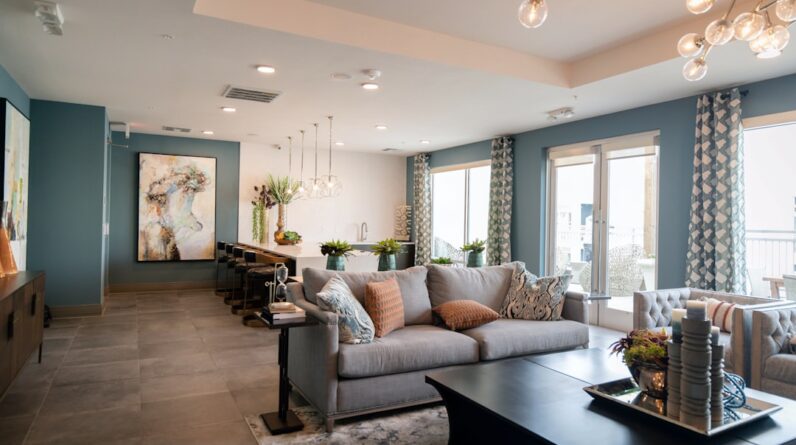
Your living room often serves as the heart of your home, where you spend leisure time and entertain guests. Adding plants here can elevate the atmosphere significantly. Try a tall potted floor plant like a fiddle leaf fig in a corner to serve as a statement piece. You can also hang smaller plants in attractive macramé hangers from the ceiling to draw attention upward, creating depth and interest.
Kitchen
The kitchen can often feel sterile, filled with cold surfaces and hard lines. Bringing in fresh herbs not only adds color but also functionality to your cooking space. Place a few pots of basil or mint on your windowsill where they’ll get plenty of sunlight. You can also use small succulents in decorative pots on the countertop to add a touch of life without taking up too much space.
Bedroom
Transform your bedroom into a serene sanctuary by incorporating plants that encourage relaxation and better sleep. Peace lilies or lavender plants are excellent choices as they add a calming fragrance. Position them on your nightstand or a shelf nearby to enjoy their soothing presence as you wind down for the evening.
Mixing Plants with Furniture
Integrating plants into your existing furniture and décor can create a cohesive look that feels intentional and stylish. Here are a few ideas to seamlessly blend plants with your furniture pieces:
Coffee Tables
Use your coffee table as a display for beautiful botanicals. Group smaller plants like succulents or air plants in decorative trays to create a delightful centerpiece. Mix them with candles or books to further enhance the visual appeal. This playful arrangement invites conversation while also adding warmth to your living room.
Shelving
Consider your shelves as an opportunity to showcase your plant collection. Stack plants in varying heights—using trailing plants like string of hearts spilling over the edge while pairing them with taller plants like snake plants or ZZ plants. This can create a layered effect that is visually striking and draws the eye.
Desks
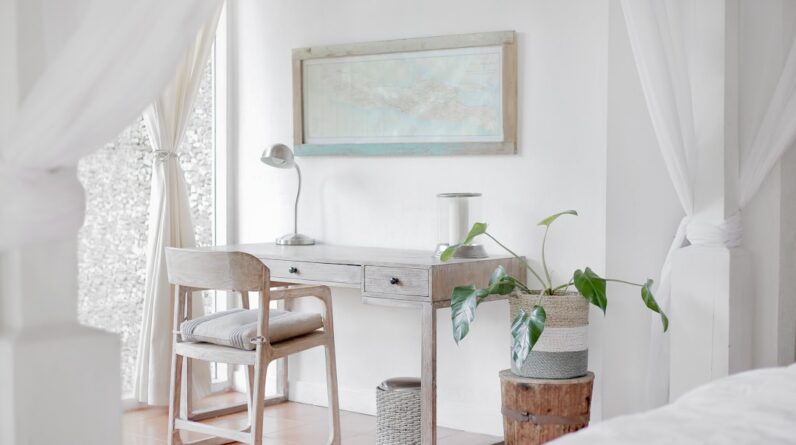
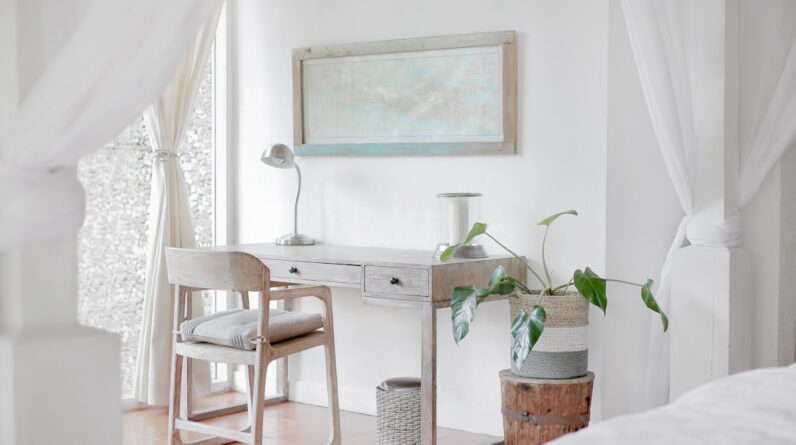
If you work from home, consider placing a small, low-maintenance plant on your desk to boost your productivity. Not only do plants improve air quality, reducing stress, but they can also increase focus and creativity. A tiny rubber plant or a succulent is easy to care for and can help brighten your workspace.

Creative Display Ideas
With the right plants and furniture in mind, it’s time to get creative with how you display them. Engaging in unique presentations can make a significant difference in your overall design aesthetic.
Vertical Gardens
If floor space is limited, consider creating a vertical garden. You can use wall-mounted planters or shelves to display a variety of plants. This concept not only saves space but also makes a bold statement on your walls. You could even incorporate a trellis or a hanging garden for an adventurous touch.
Terrariums
A terrarium is an enclosed glass garden that brings a bit of the outdoors inside. You can craft one using various small plants, stones, and soil to create a mini ecosystem. Terrariums are a fun and unique way to display plants, and they make fabulous conversation pieces.
Planter Boxes
Using planter boxes allows you to be more flexible in how and where you design with plants. You can place them in a window frame, on a patio, or even as a part of a room divider. You could also personalize your planter boxes by painting or staining them to complement your décor.
Using Plants for Room Separation
Plants can also serve functional roles in your interior design, such as separating spaces. If you have an open concept living area, using tall plants as natural dividers can help define different sections without the need for walls.
Room Dividers
Tall potted plants can create a sense of privacy in shared spaces while still allowing light to filter through. Place a large monstera or a rubber plant in a decorative planter to naturally separate your living area from your dining space. This not only demarcates areas but also adds a lush ambiance to the setting.
Outdoor Spaces
If you have an outdoor space like a balcony or patio, consider extending your indoor greenery outdoors. Create a seamless transition by choosing plants that can be kept indoors during colder months but thrive outside in warmer weather. Using large containers filled with colorful blooms can effectively blur the boundaries between your indoor and outdoor environments.
Seasonal Plant Changes
One of the joys of incorporating plants into your home is the opportunity to switch things up with the seasons. Different plants can evoke various feelings and aesthetics, aligning with the mood you want to set throughout the year.
Spring and Summer
Embrace fresh, vibrant colors in the spring and summer. Consider lively flowering plants like geraniums and petunias or the fragrant jasmine to uplift your spirits as the sun shines brighter. These plants can be placed in hanging baskets or window boxes for a cheerful floral display.
Fall and Winter
As the days grow shorter and the climate turns cooler, you might want to transition to more earthy tones. Consider adding warm-hued foliage plants like calatheas or even incorporating seasonal decorations like small pumpkins or ornamental gourds around your existing plants for a cozy fall feel.
The Benefits of Indoor Plants
Incorporating plants into your interior design is more than just a visual enhancement; it comes with a plethora of benefits that contribute to both mental and physical well-being.
Improved Air Quality
Plants can purify the air. They absorb toxins and release oxygen through the process of photosynthesis, helping to improve indoor air quality. By introducing plants into your space, you’re not just beautifying your home; you’re creating a healthier environment for yourself and your family.
Stress Relief
Studies have shown that being around plants can reduce stress levels. The act of caring for plants can also be meditative, providing a grounding routine that encourages mindfulness. Take a moment each day to tend to your greenery, and you may find that the practice becomes an essential part of your self-care routine.
Enhanced Productivity
When you surround yourself with plants, you’ll likely notice an increase in productivity and creativity. Adding greenery to your workspace can help stimulate thinking and enhance your focus, making it easier for you to tackle your to-do list.
Conclusion
Incorporating plants into your interior design is a delightful journey of creativity, offering countless possibilities to enhance your living spaces. Whether you want to choose low-maintenance options or create stunning displays, the opportunities are endless. This infusion of nature will not only beautify your home but also promote a sense of well-being and harmony. So go ahead—bring in those plants and enjoy the flourishing ambiance they create.
If you found this article helpful, feel free to give it a clap, share your thoughts in the comments below, and subscribe to my Medium newsletter for more insights on interior design and living well!