In recent years, the conversation surrounding sustainable and eco-friendly design has gained significant momentum. As you navigate through the complexities of modern living, you may find yourself increasingly aware of the environmental impact of your choices. Sustainable design is not merely a trend; it represents a fundamental shift in how you approach the creation and consumption of spaces and products.
By prioritizing sustainability, you can contribute to a healthier planet while also enhancing your own quality of life. Sustainable design encompasses a wide range of practices aimed at reducing waste, conserving resources, and minimizing environmental impact. It invites you to rethink traditional design principles and encourages innovative solutions that harmonize with nature.
Whether you are redecorating your home, designing a new space, or simply looking to make more conscious choices in your daily life, understanding the principles of eco-friendly design can empower you to make decisions that reflect your values and aspirations.
Key Takeaways
- Sustainable and eco-friendly design focuses on minimizing environmental impact and promoting a healthier, more sustainable lifestyle.
- Choosing sustainable materials and products is essential for reducing waste and supporting environmentally responsible practices.
- Implementing energy-efficient solutions such as LED lighting and smart thermostats can significantly reduce energy consumption and lower utility costs.
- Utilizing reclaimed and upcycled furniture and decor not only reduces waste but also adds unique character and charm to a space.
- Incorporating biophilic design elements, such as natural light and greenery, can improve well-being and connect people to nature within indoor spaces.
Choosing Sustainable Materials and Products
When it comes to sustainable design, the materials you choose play a pivotal role in determining the overall environmental impact of your project. As you embark on this journey, consider opting for materials that are renewable, recyclable, or biodegradable. For instance, bamboo is an excellent choice due to its rapid growth and minimal resource requirements.
By selecting such materials, you not only reduce your carbon footprint but also support industries that prioritize sustainability. In addition to natural materials, you should also be mindful of the products you incorporate into your design. Look for items that are certified by reputable organizations, such as the Forest Stewardship Council (FSC) for wood products or Energy Star for appliances.
These certifications ensure that the products meet specific environmental standards, giving you peace of mind that your choices align with your commitment to sustainability. By making informed decisions about materials and products, you can create a space that is both stylish and environmentally responsible.
Implementing Energy-efficient Solutions
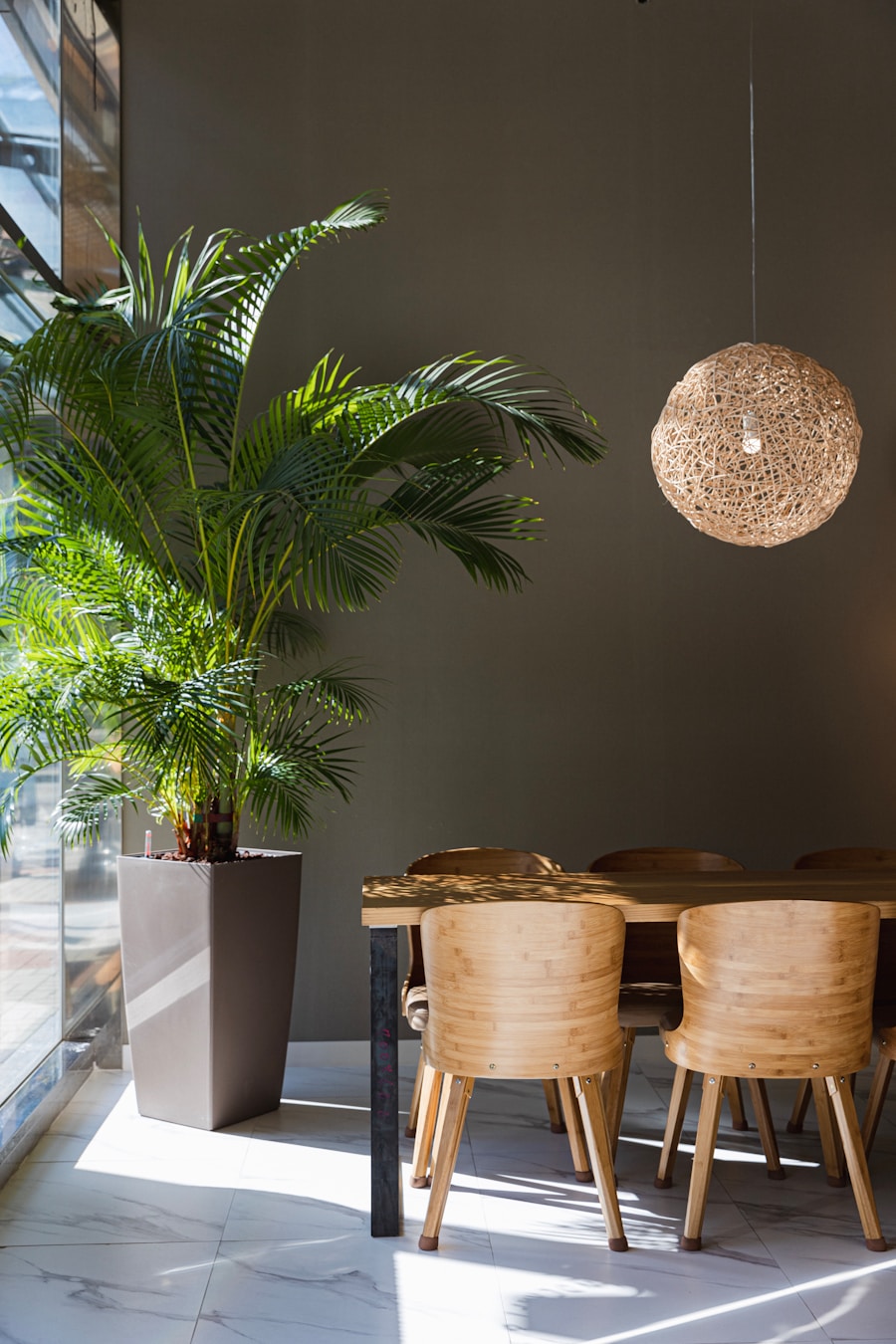
Energy efficiency is a cornerstone of sustainable design, and there are numerous strategies you can employ to reduce energy consumption in your space. One of the most effective ways to achieve this is by investing in energy-efficient appliances and lighting. As you replace outdated fixtures, consider options that use less energy while still providing the functionality and aesthetic appeal you desire.
LED lighting, for example, consumes significantly less energy than traditional incandescent bulbs and has a longer lifespan, making it a smart choice for both your wallet and the environment. In addition to selecting energy-efficient products, you can also enhance your space’s energy performance through thoughtful design choices. Insulation plays a crucial role in maintaining comfortable temperatures while minimizing heating and cooling costs.
By ensuring that your home is well-insulated, you can reduce reliance on heating and air conditioning systems, ultimately lowering your energy bills and carbon emissions. Furthermore, incorporating passive design strategies—such as maximizing natural light and ventilation—can further enhance energy efficiency while creating a more inviting atmosphere.
Utilizing Reclaimed and Upcycled Furniture and Decor
Incorporating reclaimed and upcycled furniture into your design not only adds character to your space but also promotes sustainability by reducing waste. As you explore options for furnishing your home, consider visiting local thrift stores, flea markets, or online marketplaces where you can find unique pieces with a story to tell. By giving new life to these items, you contribute to a circular economy that values reuse over disposal.
Upcycling is another creative avenue worth exploring. This process involves transforming discarded materials into new products or furniture pieces that serve a different purpose. For instance, an old wooden pallet can be repurposed into a stylish coffee table or garden planter.
Engaging in upcycling not only allows you to express your creativity but also minimizes the demand for new resources, making it an eco-friendly choice that aligns with sustainable design principles.
Incorporating Biophilic Design Elements
Biophilic design is an approach that seeks to connect people with nature through the built environment. As you consider how to incorporate biophilic elements into your space, think about ways to bring the outdoors inside. This could involve adding indoor plants, using natural materials like stone or wood, or maximizing natural light through large windows or skylights.
By fostering this connection with nature, you can create a calming atmosphere that enhances well-being and productivity. Moreover, biophilic design extends beyond mere aesthetics; it also promotes sustainability by encouraging biodiversity and improving air quality. Plants not only beautify your space but also help filter toxins from the air, contributing to a healthier indoor environment.
As you integrate biophilic elements into your design, remember that even small changes—such as incorporating a living wall or choosing furniture made from sustainably sourced wood—can have a significant impact on both your space and the planet.
Embracing Minimalism and Functionality
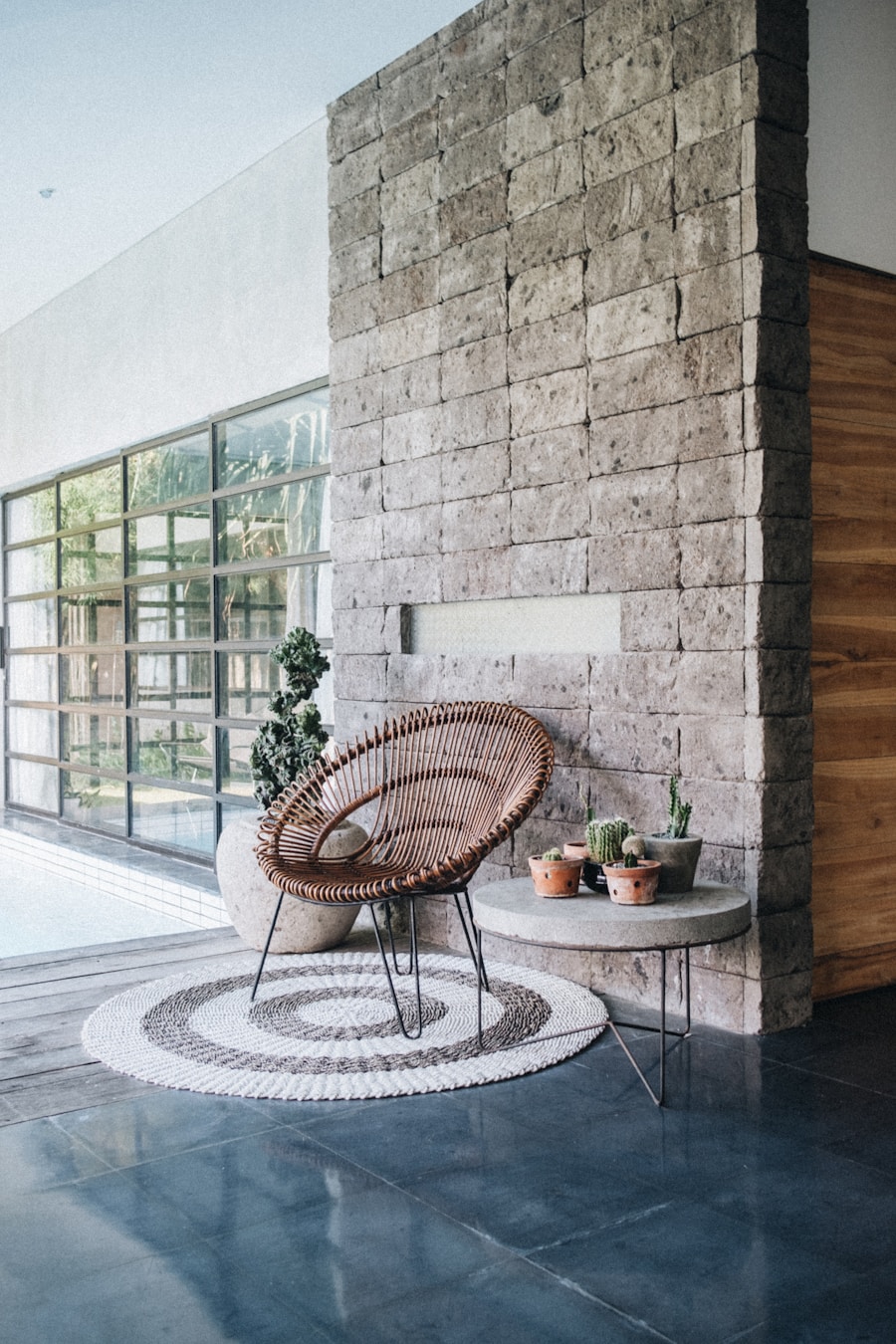
Minimalism is often associated with simplicity and decluttering, but it also aligns closely with sustainable design principles. By embracing a minimalist approach, you can create spaces that prioritize functionality over excess. This means carefully curating your belongings and choosing high-quality items that serve multiple purposes rather than filling your space with unnecessary clutter.
As you adopt this mindset, you’ll find that less truly can be more. Functionality is key in sustainable design; every piece of furniture or decor should serve a purpose while enhancing the overall aesthetic of your space. Consider investing in multifunctional furniture—such as a sofa bed or an extendable dining table—that maximizes utility without compromising style.
By focusing on quality over quantity, you not only create a more harmonious living environment but also reduce waste by minimizing the need for frequent replacements.
Engaging in Sustainable Practices in the Design Process
Sustainable design is not just about the end product; it encompasses the entire design process as well. As you embark on any project, consider adopting practices that minimize waste and promote ethical sourcing. For instance, when planning renovations or new constructions, aim to recycle materials whenever possible and work with contractors who share your commitment to sustainability.
Additionally, engaging in local sourcing can significantly reduce the carbon footprint associated with transporting materials over long distances. By supporting local artisans and businesses, you not only contribute to the local economy but also ensure that your design choices are rooted in community values. This holistic approach to sustainability will not only enhance your project but also inspire others to consider their own impact on the environment.
Balancing Style and Sustainability
As you reflect on the principles of sustainable and eco-friendly design, it’s essential to recognize that style and sustainability are not mutually exclusive. In fact, they can coexist beautifully when approached thoughtfully. By making conscious choices about materials, products, and design elements, you can create spaces that are both aesthetically pleasing and environmentally responsible.
Ultimately, embracing sustainable design is about more than just aesthetics; it’s about fostering a deeper connection with the world around you. As you incorporate these principles into your life—whether through choosing sustainable materials or engaging in mindful practices—you contribute to a larger movement toward environmental stewardship. In doing so, you not only enhance your own living space but also inspire others to consider their impact on the planet.
Balancing style with sustainability is not just an aspiration; it is a commitment to creating a better future for generations to come.
FAQs
What are sustainable and eco-friendly design practices?
Sustainable and eco-friendly design practices involve using materials, processes, and techniques that minimize negative impacts on the environment. This can include using renewable or recycled materials, reducing energy consumption, and minimizing waste.
How can I incorporate sustainable design practices into my home?
You can incorporate sustainable design practices into your home by using energy-efficient appliances, choosing eco-friendly materials such as bamboo or reclaimed wood, and implementing water-saving fixtures. Additionally, you can consider using non-toxic paints and finishes, and incorporating natural lighting and ventilation.
Can sustainable design practices be stylish?
Yes, sustainable design practices can be stylish. There are many eco-friendly materials and products available that are both sustainable and aesthetically pleasing. With the growing demand for sustainable design, there are now many options for stylish and eco-friendly furniture, decor, and building materials.
What are some examples of sustainable and eco-friendly design practices?
Examples of sustainable and eco-friendly design practices include using energy-efficient lighting, incorporating passive solar design, using low-VOC paints and finishes, choosing sustainable and renewable materials, and implementing water-saving fixtures. Additionally, utilizing recycled or upcycled materials and reducing overall energy consumption are also important practices.