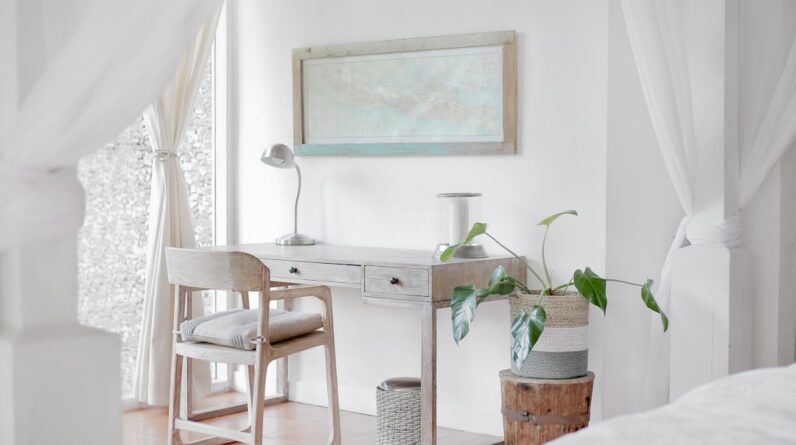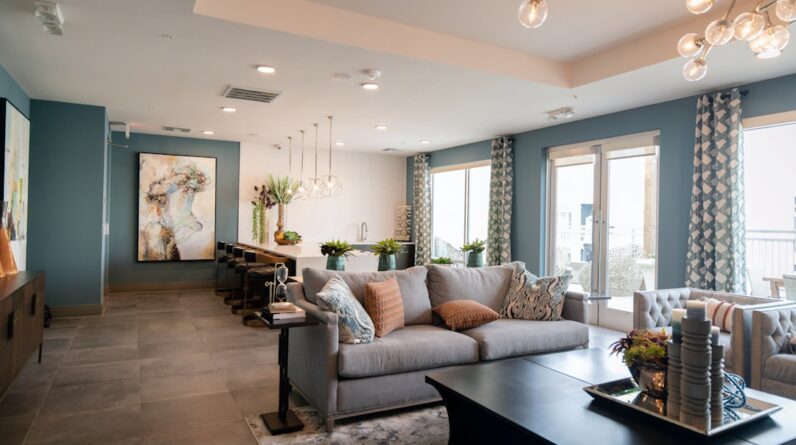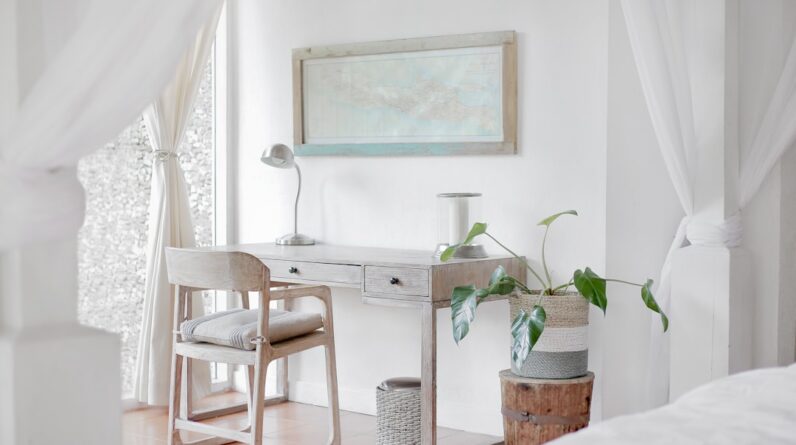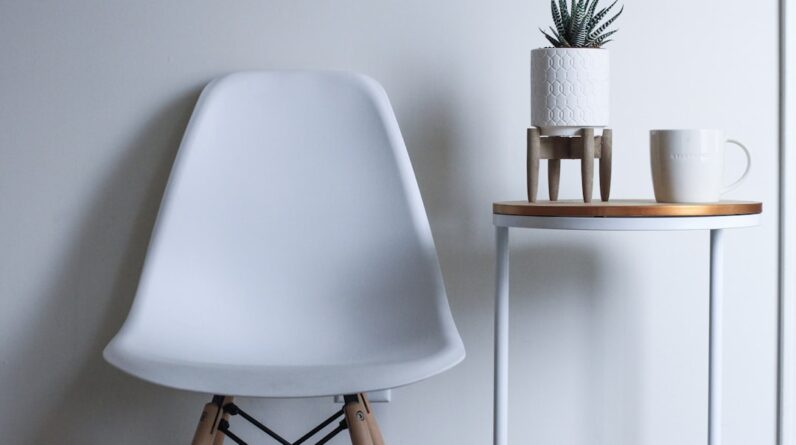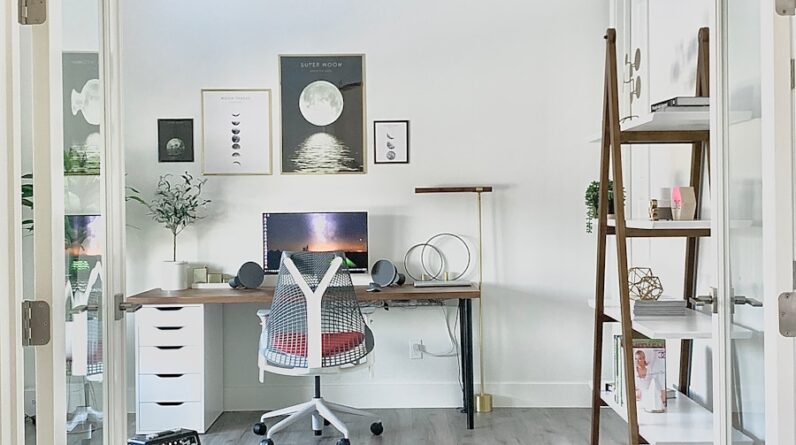
When it comes to making a small space feel larger and more inviting, the colors you choose can have a profound impact. Light colors, such as soft whites, pale blues, and gentle pastels, can create an airy atmosphere that opens up the room. By painting your walls in these hues, you can reflect more natural light, making the space feel brighter and more expansive.
You might also consider using light-colored furnishings and decor to maintain this theme. A light-colored sofa or a set of pastel cushions can enhance the overall brightness of your room, creating a cohesive look that feels both fresh and spacious. Natural light is another crucial element in achieving a sense of openness.
Whenever possible, maximize the amount of sunlight that enters your home. You can do this by keeping window treatments minimal or opting for sheer curtains that allow light to filter through while still providing some privacy. Positioning mirrors strategically across from windows can also help bounce light around the room, amplifying its effect.
By embracing both light colors and natural light, you can transform your small space into a bright and welcoming haven.
Key Takeaways
- Utilize light colors and natural light to make a space feel larger and more open
- Choose multi-functional furniture to maximize space and functionality
- Use mirrors to create the illusion of space and reflect natural light
- Opt for open shelving and minimalist decor to keep the space feeling open and uncluttered
- Incorporate vertical storage solutions to make the most of limited space
- Select furniture with exposed legs to create a sense of openness and airiness
- Create an open floor plan to make the space feel larger and more connected
- Utilize clever organizational systems to keep the space tidy and efficient
Choose Multi-Functional Furniture
Maximizing Functionality with Adaptable Pieces
Investing in items that serve more than one purpose can significantly enhance the usability of your space. For instance, a sofa bed can provide comfortable seating during the day and transform into a cozy sleeping area at night. Similarly, an ottoman with storage capabilities can serve as both a footrest and a place to stow away blankets or magazines.
Flexible Furniture for a Dynamic Environment
Consider furniture that can be easily reconfigured or moved around. A dining table with extendable leaves allows you to accommodate guests when needed while remaining compact for everyday use. Nesting tables are another excellent option; they can be separated for additional surface area or tucked away when not in use.
Creating a Space that Evolves with Your Lifestyle
By choosing multi-functional pieces, you not only save space but also create a dynamic environment that can evolve with your lifestyle. This approach enables you to stay organized, efficient, and stylish, even in the smallest of living areas.
Use Mirrors to Create the Illusion of Space
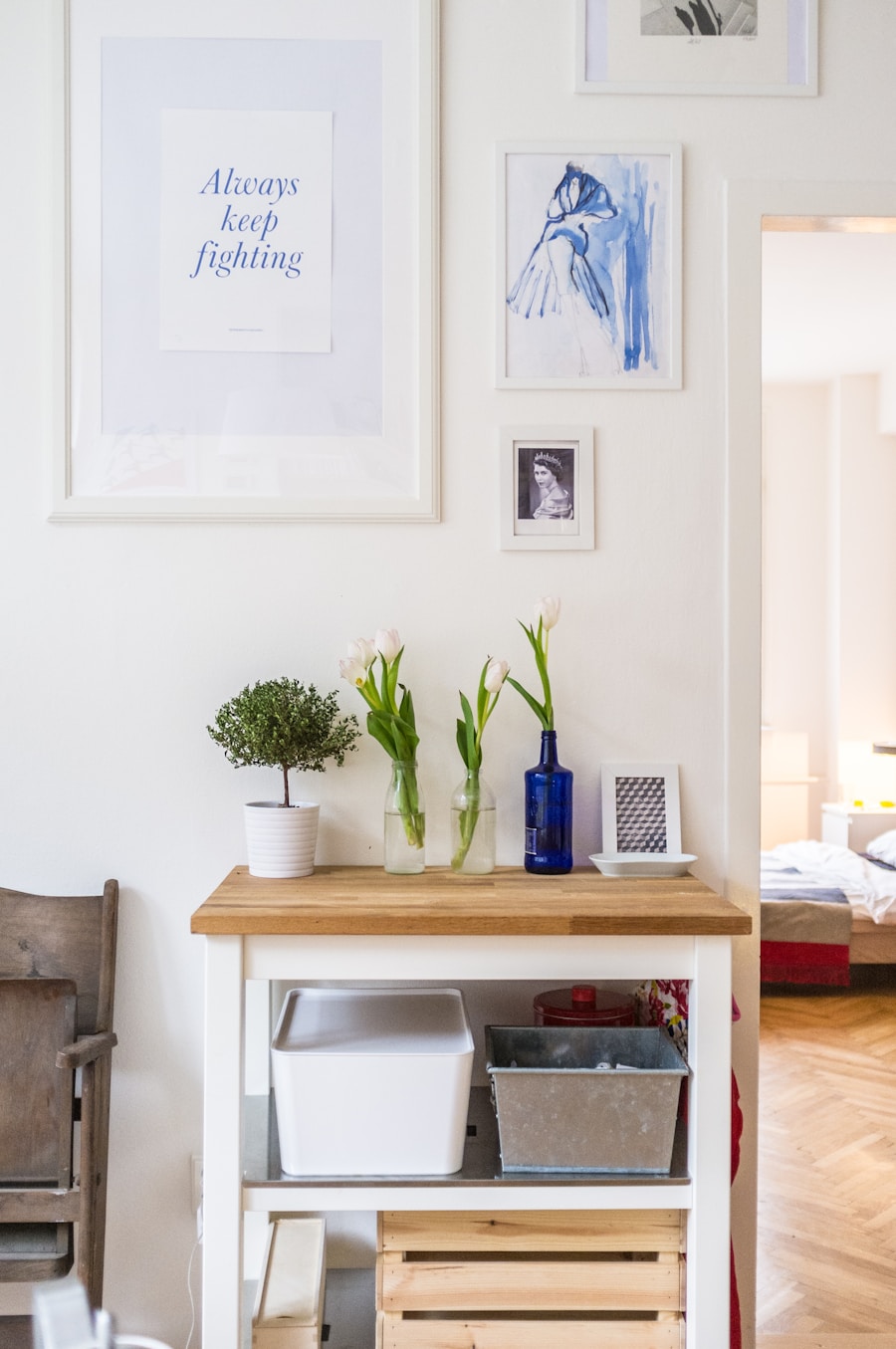
Mirrors are one of the most effective tools in your arsenal for making a small room feel larger. By reflecting light and creating depth, mirrors can trick the eye into perceiving more space than actually exists. You might consider placing a large mirror on one wall to create a focal point that draws the eye outward, giving the illusion of an expansive area.
Alternatively, a series of smaller mirrors arranged in an artistic pattern can add visual interest while still serving the purpose of enhancing light and space. In addition to their aesthetic benefits, mirrors can also be used strategically to enhance specific areas of your home. For example, placing a mirror opposite a window can amplify natural light, making the room feel brighter and more open.
You could also use mirrored furniture or decor accents to add a touch of glamour while maintaining that sense of spaciousness. By incorporating mirrors thoughtfully into your design, you can create an environment that feels both stylish and expansive.
Opt for Open Shelving and Minimalist Decor
When it comes to decorating a small space, less is often more. Embracing minimalist decor allows you to create an uncluttered environment that feels open and airy. Instead of overcrowding surfaces with knick-knacks and decorative items, focus on a few key pieces that truly resonate with you.
This approach not only simplifies your decor but also makes it easier to maintain a clean and organized space. Open shelving is another excellent way to showcase your belongings without overwhelming the room. By opting for open shelves instead of bulky cabinets, you can display your favorite books, plants, or decorative items while keeping the overall look light and airy.
This type of shelving encourages you to curate your collection thoughtfully, ensuring that only items you love are on display. Additionally, open shelving allows for easy access to your belongings, making it a practical choice for small spaces.
Incorporate Vertical Storage Solutions
When floor space is limited, thinking vertically becomes essential. Incorporating vertical storage solutions allows you to make the most of your walls while keeping your floor area clear. Tall bookshelves or wall-mounted cabinets can provide ample storage without taking up too much room.
You might also consider using hooks or pegboards to hang items like bags, hats, or kitchen utensils, freeing up valuable surface space. Another effective vertical storage solution is utilizing the space above doors or windows. Installing shelves in these areas can provide additional storage for items you don’t use daily but still want to keep within reach.
By maximizing vertical space, you not only create more storage options but also draw the eye upward, which can help make your small area feel larger and more open.
Select Furniture with Exposed Legs
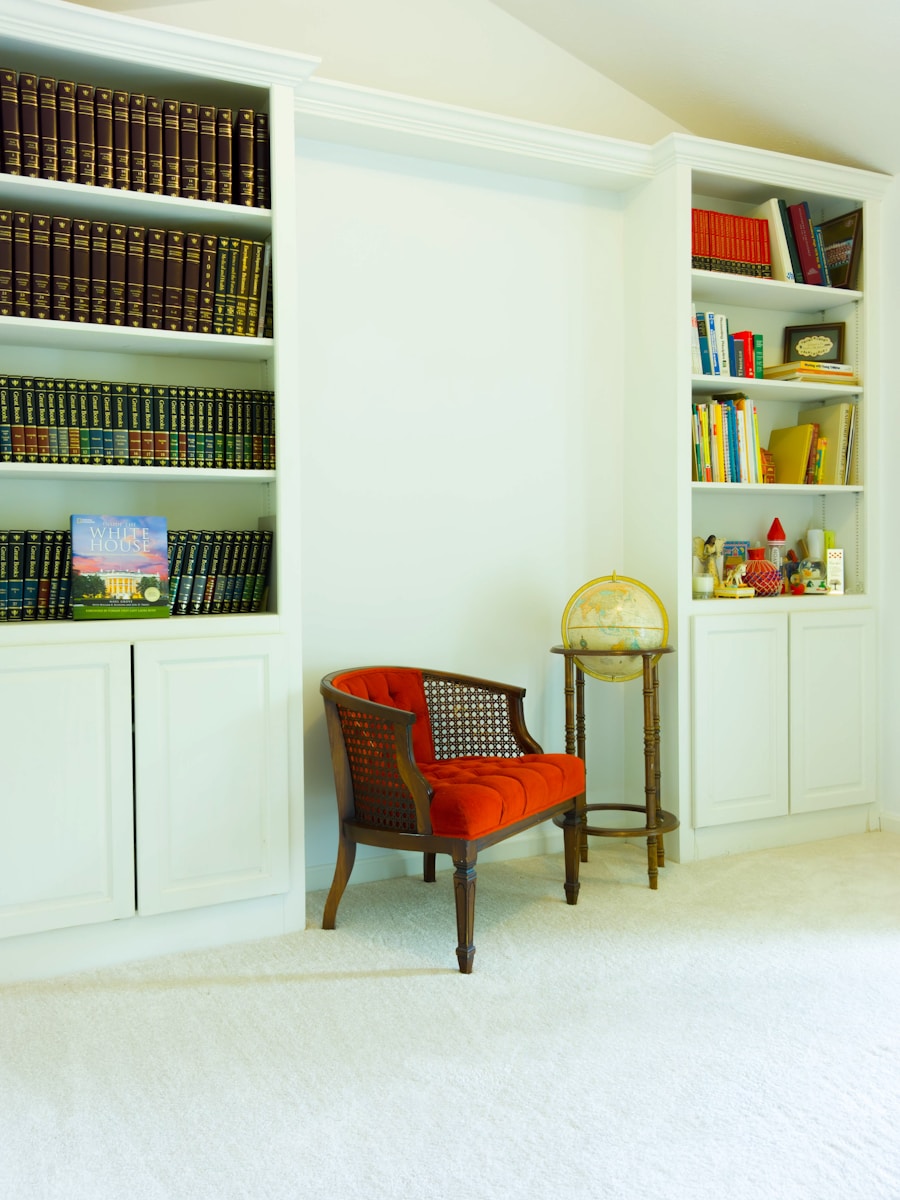
The design of your furniture plays a significant role in how spacious your room feels. Choosing pieces with exposed legs can create an illusion of openness by allowing light to flow beneath them. This design choice helps to visually lift heavy-looking furniture off the ground, making the room feel less cluttered and more airy.
For instance, a sofa with slender legs will appear lighter than one with a solid base, contributing to an overall sense of spaciousness. Additionally, furniture with exposed legs often has a more modern aesthetic that complements minimalist decor styles beautifully. Consider selecting dining chairs or coffee tables that feature this design element to enhance the feeling of openness in your space.
By being mindful of furniture design and opting for pieces that allow for visual flow, you can create an environment that feels both stylish and expansive.
Create an Open Floor Plan
If you’re in the position to redesign your living space, consider creating an open floor plan that merges different areas into one cohesive space. This layout eliminates barriers such as walls or bulky furniture that can make a room feel cramped. An open floor plan encourages movement and interaction between spaces, allowing natural light to flow freely throughout your home.
Incorporating an open floor plan doesn’t mean sacrificing functionality; rather, it allows for creative zoning through furniture arrangement and decor choices. For example, you might use rugs to define different areas within the same room—one for lounging and another for dining—while still maintaining an overall sense of unity. By embracing an open layout, you can foster a more inviting atmosphere that feels spacious and connected.
Utilize Clever Organizational Systems
Finally, effective organization is key to maintaining a spacious feel in any small area. Implementing clever organizational systems can help you keep clutter at bay while ensuring everything has its place. Consider using baskets or decorative boxes to store items neatly on shelves or under furniture; this not only keeps things organized but also adds texture and style to your decor.
You might also explore modular storage solutions that can be customized to fit your specific needs. For instance, adjustable shelving units allow you to change configurations as your storage requirements evolve over time. Additionally, drawer organizers can help maximize space within cabinets or dressers by keeping smaller items neatly separated.
By prioritizing organization through smart systems, you can create a serene environment that feels spacious and functional. In conclusion, transforming a small space into an inviting and functional area requires thoughtful design choices and strategic planning. By utilizing light colors and natural light, choosing multi-functional furniture, incorporating mirrors, opting for open shelving and minimalist decor, embracing vertical storage solutions, selecting furniture with exposed legs, creating an open floor plan, and implementing clever organizational systems, you can maximize every inch of your home while maintaining a sense of style and comfort.
With these tips in mind, you’ll be well on your way to creating a beautiful small space that feels expansive and welcoming.
FAQs
What are some design choices to make a small space feel more open and spacious?
Some design choices to make a small space feel more open and spacious include using light colors, maximizing natural light, incorporating mirrors, choosing furniture with exposed legs, and utilizing multi-functional furniture.
How can light colors help make a small space feel more open?
Light colors such as white, cream, and pastels can help make a small space feel more open by reflecting light and creating a sense of airiness. Dark colors tend to absorb light and can make a space feel smaller and more confined.
Why is maximizing natural light important in making a small space feel more open?
Maximizing natural light in a small space can help create a sense of openness and airiness. It can also make the space feel more inviting and less cramped.
How can mirrors help make a small space feel more open and spacious?
Mirrors can help make a small space feel more open and spacious by reflecting light and creating the illusion of depth. Placing mirrors strategically can also help visually expand the space.
What is the benefit of choosing furniture with exposed legs in a small space?
Choosing furniture with exposed legs in a small space can create a sense of openness by allowing light to pass through and around the furniture. This can make the space feel less cluttered and more spacious.
How can multi-functional furniture help make a small space feel more open?
Multi-functional furniture, such as a sofa bed or a storage ottoman, can help make a small space feel more open by reducing the need for multiple pieces of furniture. This can create a more streamlined and open layout.