How Can I Make My Room Look Bigger Using Interior Design Tricks?
We all have these moments when we step into a room and feel a little claustrophobic. It can happen in your own space, too—sometimes, it feels like every square inch matters. You might feel overwhelmed by how to breathe new life into a smaller room. But don’t worry! By using a few clever interior design tricks, you can transform your space and make it feel bigger and more welcoming.
Let’s explore some straightforward yet effective strategies to help you create the illusion of spaciousness.

Color Choices Matter
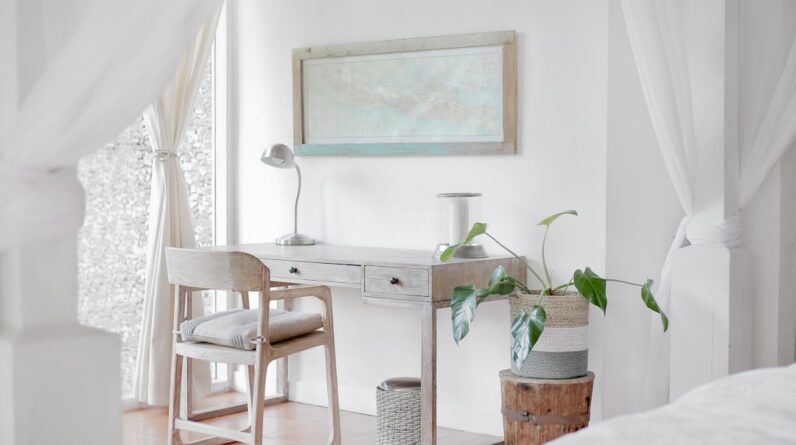
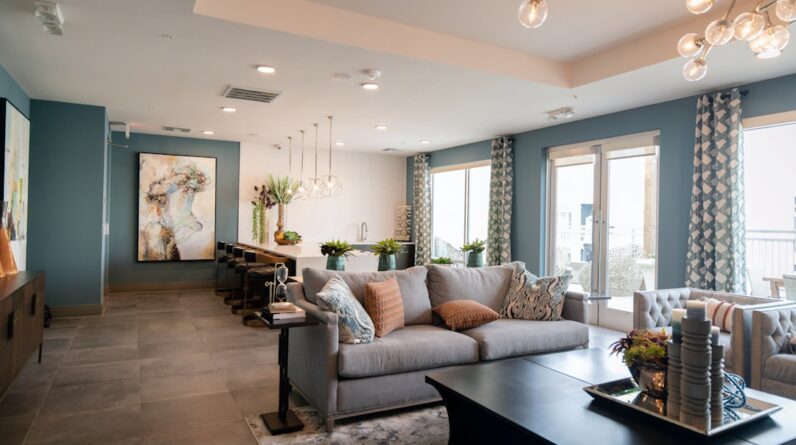
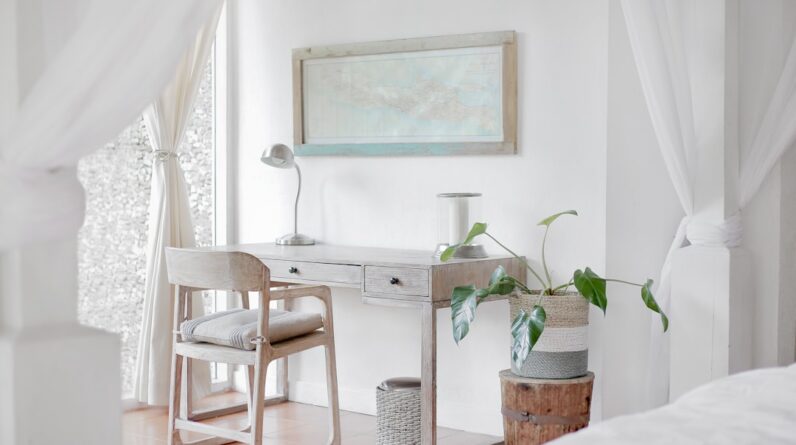
One of the fundamental elements in interior design is color. The colors you choose for your walls and furniture can significantly impact how large or small your room feels. Lighter colors, like soft whites, light grays, or pastels, reflect light and create an airy atmosphere.
By painting your walls in these lighter shades, you can trick the eyes into believing the walls are further away than they actually are. If a complete repaint isn’t in the cards for you, consider lighter-colored furnishings or accessories to enhance that open feel. You could even consider an accent wall in a very soft hue—a gentle contrast that doesn’t overpower.
Additionally, it’s smart to avoid dark colors for large furniture pieces or significant visual elements in the room. Dark colors tend to absorb light, making things feel more closed in. Instead, opt for lighter materials or at least a mix of hues that add contrast without making the room feel smaller.
Create Open Spaces
One of the best strategies to amplify your room’s perceived size is to create open spaces. Clutter is often the enemy of spaciousness, so focus on decluttering items that don’t serve a purpose in your everyday life. Take time to assess each item in your room: does it add value or is it just taking up space?
Alongside decluttering, consider investing in furniture that can serve multiple functions. For instance, a storage ottoman can act as both a seat and a way to store items out of sight. This can keep the room looking tidy and spacious while providing practicality.
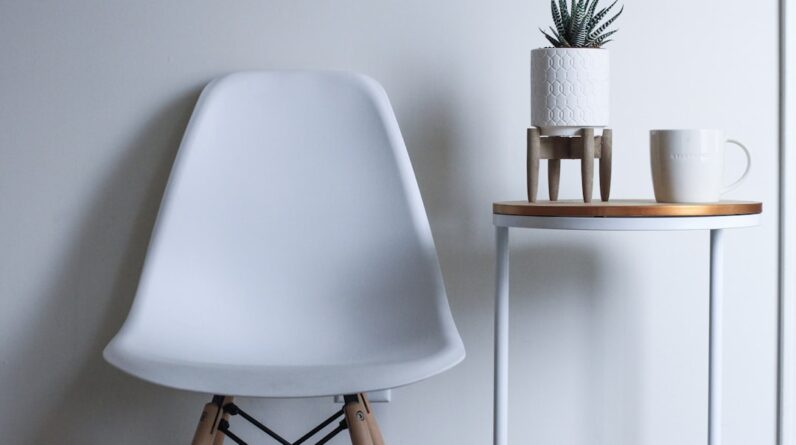
If you have furniture options that are bulky or overwhelming, it might be time to evaluate smaller-scale versions of the same pieces. A slimmer coffee table or streamlined chair can offer the same functionality without encroaching on floor space.
Utilize Mirrors Strategically
Mirrors can be your best friend when it comes to making a room look larger. The reflection creates depth and tricks the eye into believing that the room extends beyond its actual boundaries. Consider placing a large mirror on one wall, particularly if it reflects a window or a source of daylight.
Positioning mirrors across from windows not only amplifies natural light but also provides a visual continuation of the outdoors. This idea makes your room feel more connected to the outside world, which can create a sensation of openness.
If a large mirror feels like a commitment, think about small, decorative mirrors or mirror-accented furniture pieces. These can all contribute to making your space feel more expansive without being overwhelming.
Furniture Placement
The way you arrange your furniture can also significantly affect how big or small your room feels. Avoid pushing all your furniture against the walls. While this can create a sense of space, it may also make the room feel disconnected. Instead, aim for a more cohesive arrangement that facilitates conversation and flow.
Consider floating furniture arrangements; this means positioning pieces away from the walls. A comfortable seating area with a focal point—like a coffee table or an eye-catching piece of artwork—can create a sense of intimacy while keeping the room feeling open.
Also, be mindful of the scale and principles of furniture placement. Oversized furniture in a small room can feel overwhelming. If you need to keep larger pieces, balance them with lighter accessories or taller, slender pieces that draw the eye upward, thus encouraging a feeling of vertical space.
Vertical Lines Can Help
In many cases, you might overlook the power of vertical design elements, but they can significantly impact the perception of your space. Tall bookshelves or vertical artwork can create the illusion of height, drawing the eye upward and making the ceiling feel higher.
For blinds and curtains, opt for long drapery that reaches from the ceiling to the floor. This approach elongates the walls visually and complements the vertical lines in your room. If you’re fortunate enough to have windows that invite natural light, sheer curtains can provide privacy while still encouraging an open feel.
Additionally, if you’re painting, consider using vertical stripes. While it might seem like a bold choice, this can also add dimension and trick the eye into perceiving more height in the room.
Limit Patterns and Textures
While patterns and textures can add visual interest, too much can overwhelm a small space and make it feel cramped. It’s often advisable to limit bold patterns to smaller accent pieces like throw pillows or decorative vases.
Choose solid-colored, lighter textiles for larger items such as upholstery and curtains to keep the room feeling open. If you do want to introduce patterns, be thoughtful about their scale; larger patterns can feel overwhelming in a small area, while smaller, more subtle designs can offer a light-hearted touch without feeling cluttered.

Keep Things Light and Airy
When selecting fabrics, furniture, and decor, go for options that evoke a light and airy feeling. Materials like glass, acrylic, or light woods can add to the visually spacious environment you’re trying to create.
For instance, choose a glass coffee table instead of a bulky wooden one. The transparency of glass creates a sense of openness and fluidity within the room, allowing the eye to travel around without interruption.
Consider the weight of your decor too. Heavy drapes or big, decorative accessories can visually weigh down a space. Opt instead for simpler arrangements that achieve style without sacrificing the airy feeling.
Clever Use of Lighting
Lighting can dramatically change the perceived size of a room. Natural light is your best ally, so keep your windows unobstructed where possible. During the day, let the sunlight flood in and brighten your space.
When it comes to artificial lighting, layering is key. Use a mix of overhead lights, task lights, and ambiance sources to create a well-lit space. Well-placed lamps can provide the illusion of height; floor lamps, for example, draw the eye upward, adding to that airy feel.
Don’t forget about colors and materials for your light fixtures. Opt for lighter shades or materials that reflect light. Brighter lighting can create a welcoming atmosphere, making your room feel expansive and full of life.
Integrate Built-In Storage Solutions
If you’re suddenly overwhelmed by your space, you might consider built-in storage solutions. They double as functional and aesthetic elements, integrating seamlessly into your room without sacrificing floor space.
Built-in shelving units can house books and decorative items without taking up additional room. Bins, drawers, and other concealed storage options can also reduce clutter while maintaining the beauty of your space.
Additionally, creating vertical storage options—like utilizing shelves that go all the way to the ceiling—can save on floor space while also drawing the eye up, which is essential in giving a sense of a larger area.
Choose Floating Furniture
Floating furniture can provide essential functionality while doubling down on creating an illusion of spaciousness. A floating desk or shelves can free up floor space, allowing the room to breathe.
This type of furniture adds visual interest without overwhelming your design. You might also consider options like a floating vanity or bathroom storage—these not only look modern but also encourage a sense of openness.
Choosing furnishings that aren’t solely confined to a surface can have an incredible positive impact on how you use your space. Usability and openness go hand in hand, leading to a more extensive feel without significant redesigns.
Greenery and Nature
Bringing the outside in is not only soothing but can also create a lovely illusion of more space. Houseplants can break up the monotony of solid colors and provide freshness to a room.
Selecting plants of varying heights can create visual interest while using smaller pots allows you to keep the arrangement uncluttered. Intriguing planters can also highlight your personal style and enhance the overall aesthetic of your space without taking up too much ground.
The actual greenery—no matter how small—offers opportunities to connect with nature and can serve as a functional element that adds life to an otherwise flat room.
Personalize with Art but Keep it Minimal
Art offers a beautiful way to express personality, but in a small room, sticking to a more cohesive, minimalistic approach can help sustain the roomy feel. A few carefully curated pieces can add character without overwhelming the aesthetic.
If you want to go for it, consider gallery walls, but keep them well-planned. Opt for frames that match or have a unifying theme to reduce chaotic visual clutter. If limited on space, consider wall decals or a single large piece that makes a statement.
Remember, showcasing your personality shouldn’t feel burdensome; your art should lift the mood without taking over the ambiance of the room.
Embrace Multi-Functional Spaces
In smaller rooms, it often becomes necessary to create multi-functional spaces. If your bedroom also serves as a home office, think about how you can organize the area for both activities without squeezing away functionality.
Choosing furnishings like a desk that doubles as a bedside table can maximize space, while foldable desks or murphy beds can open up the area when not in use.
If you want things to feel cohesive, developing a shared color palette can help harmonize the varying functions of the space. This way, whether you’re working or unwinding, the area feels open and enjoyable.
Make Use of Vertical Space
Lastly, don’t forget the vertical space in your room. Utilizing shelving systems that extend upwards not only maximizes every inch but showcases your items beautifully.
Beyond shelves, think about tall plants, wall decor, or hanging lights that draw the eye up. This will make your room feel more cohesive while not compromising functionality.
Go through any underused vertical areas too—like wall corners or above doorways. Adding decor or shelving at these heights can create a visually appealing factor while ensuring you’ve optimized every inch of your room.
Wrapping it Up
There you have it! By incorporating these interior design tricks, you can make your room feel much bigger and brighter—all without major renovations or expansive investments. Because creating space isn’t just about the physical dimensions; it’s about how your environment makes you feel.
So, whether that means choosing lighter colors, clever furniture placement, or lovely plants, you now have the tools to transform that room you once felt cramped in into a wide, open, and inviting space.
If you found this article helpful, consider clapping to show your appreciation! I would love to hear from you too; drop a comment below sharing your own tips or experiences with making a room feel larger! Don’t forget to subscribe to my Medium newsletter for more updates and insights on enhancing your living space!