Natural light and ventilation are two fundamental elements that can significantly enhance the quality of your living space. When you allow sunlight to flood into your home, you not only brighten the atmosphere but also create a warm and inviting environment. Sunlight has been shown to improve mood and increase productivity, making it essential for both your mental and physical well-being.
Moreover, natural light can help regulate your circadian rhythms, leading to better sleep patterns and overall health. By prioritizing natural light in your home, you are investing in a space that nurtures both body and mind. Ventilation, on the other hand, plays a crucial role in maintaining indoor air quality.
Fresh air circulation helps to reduce humidity levels, eliminate indoor pollutants, and prevent the buildup of allergens. When you open windows or use ventilation systems effectively, you create a healthier living environment. This is particularly important in areas like kitchens and bathrooms, where moisture can accumulate and lead to mold growth.
By understanding the importance of both natural light and ventilation, you can create a home that not only looks beautiful but also promotes a healthy lifestyle.
Key Takeaways
- Natural light and ventilation are essential for creating a healthy and inviting living space.
- Choosing the right window treatments can help control light and privacy while enhancing the overall aesthetic of a room.
- Mirrors can be used strategically to reflect natural light and make a space feel brighter and more spacious.
- Light-colored and reflective surfaces can help bounce light around a room, making it feel more open and airy.
- Selecting the right furniture and decor can optimize natural light and ventilation while creating a cohesive and inviting atmosphere.
Choosing the Right Window Treatments
Softening Harsh Glare
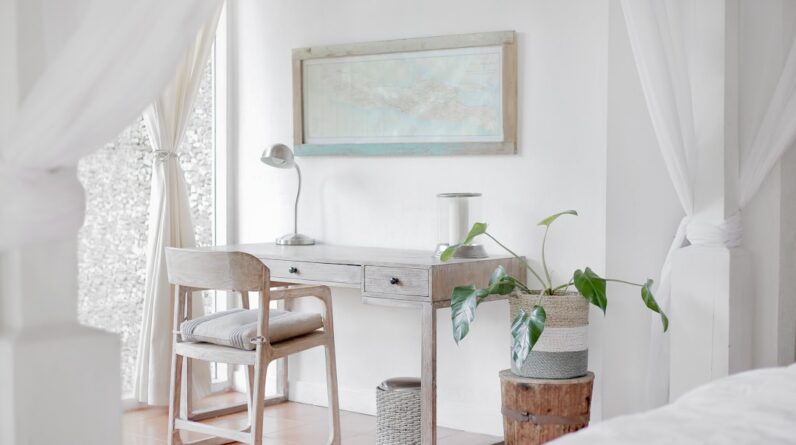
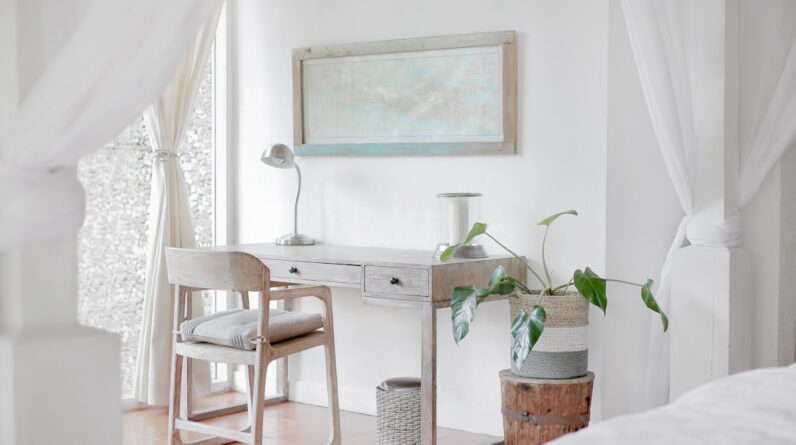
You might consider sheer curtains or light-filtering shades that allow sunlight to enter while diffusing harsh glare. These options can create a soft, inviting ambiance in your rooms without sacrificing your privacy.
Adjusting to Changing Light Conditions
Additionally, you can explore adjustable blinds that give you control over how much light enters your space throughout the day. This flexibility allows you to adapt to changing sunlight conditions, ensuring that your home remains comfortable at all times.
Considering Color, Material, and Layering
Another factor to consider is the color and material of your window treatments. Light-colored fabrics can reflect sunlight, enhancing the brightness of your rooms, while heavier materials may absorb light and create a cozier atmosphere. You might also want to think about layering treatments; combining sheer curtains with blackout shades can provide versatility for different times of day. By carefully choosing window treatments that align with your aesthetic preferences and functional needs, you can create a harmonious balance between natural light and privacy in your home.
Utilizing Mirrors to Reflect Light

Mirrors are a powerful tool for enhancing natural light in your home. By strategically placing mirrors across from windows or in areas where light is abundant, you can effectively double the amount of light that enters a room. This not only brightens up dark corners but also creates an illusion of more space, making your home feel larger and more open.
You might experiment with different sizes and shapes of mirrors to find the perfect fit for your decor style while maximizing their reflective properties. In addition to their practical benefits, mirrors can also serve as decorative elements that add character to your space. A beautifully framed mirror can act as a focal point in a room, drawing attention and enhancing the overall aesthetic.
You could consider using mirrored furniture or decor accents to further amplify the effect of light reflection throughout your home. By incorporating mirrors thoughtfully, you can transform your living space into a brighter, more inviting environment.
Incorporating Light-Colored and Reflective Surfaces
The colors and materials you choose for your walls, floors, and furnishings can significantly impact how light interacts within your home. Light-colored surfaces tend to reflect more light than darker hues, making them an excellent choice for creating a bright and airy atmosphere. You might opt for soft whites, pale pastels, or even light grays to enhance the natural light that enters your space.
These colors can make rooms feel more expansive and welcoming, contributing to an overall sense of tranquility. In addition to paint colors, consider incorporating reflective surfaces into your design scheme. Glossy finishes on cabinets or furniture can bounce light around the room, further amplifying brightness.
You could also explore materials like glass or polished metals for accents that catch the light beautifully. By thoughtfully selecting light-colored and reflective surfaces, you can create a cohesive design that maximizes natural light while adding depth and interest to your home.
Selecting the Right Furniture and Decor
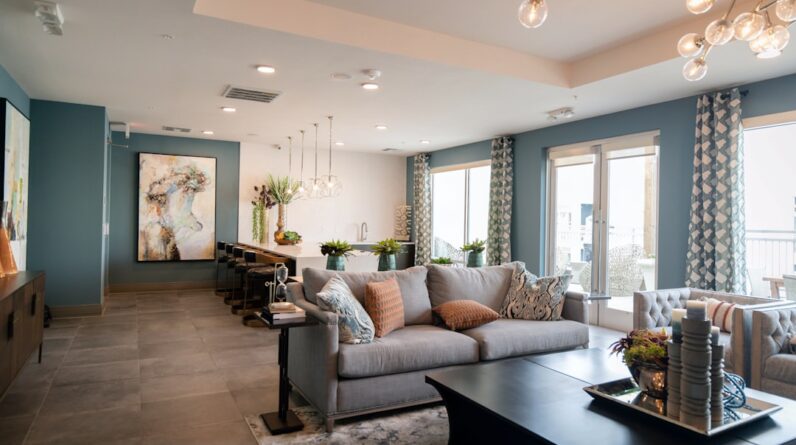
When it comes to furniture selection, consider pieces that complement the flow of natural light in your home. Opting for lighter-colored upholstery or furniture with sleek lines can help maintain an open feel in your space. Bulky or dark furniture may absorb light and make a room feel cramped, so it’s wise to choose items that enhance rather than hinder brightness.
Additionally, consider multi-functional furniture that allows for flexibility in layout; this can help you adapt your space as needed while keeping it airy. Decor plays an equally important role in how light is perceived within a room. You might choose artwork or decorative items that incorporate lighter colors or reflective materials to enhance brightness.
Textiles such as throw pillows or rugs in lighter shades can also contribute to an overall sense of openness. By carefully selecting furniture and decor that harmonize with natural light, you can create a cohesive design that feels both inviting and spacious.
Using Indoor Plants to Enhance Air Quality

Improving Air Quality
Indoor plants are natural air purifiers, absorbing carbon dioxide and releasing oxygen to create a healthier environment for you and your family. Certain varieties are particularly effective at removing toxins from the air, making them excellent choices for bedrooms or living areas where you spend significant time.
Low-Maintenance Options
If you’re new to plant care, consider low-maintenance options like snake plants or pothos. These plants are easy to care for and can still provide the benefits of air purification and aesthetic appeal.
Enhancing Your Space
Beyond their air-purifying benefits, indoor plants can also enhance the aesthetic appeal of your space. The vibrant greens of foliage contrast beautifully with lighter surfaces and can help soften hard edges in a room. Experiment with different plant heights and textures to create visual interest while maximizing natural light exposure. By thoughtfully incorporating indoor plants into your decor, you can foster a calming atmosphere that connects you with nature.
Installing Skylights and Solar Tubes
If you’re looking for innovative ways to bring more natural light into your home, consider installing skylights or solar tubes. Skylights are windows installed in the roof that allow sunlight to pour into spaces that may otherwise lack adequate lighting. They can transform dark areas like hallways or bathrooms into bright, cheerful spaces.
When considering skylights, think about their placement carefully; positioning them strategically can maximize sunlight exposure throughout the day. Solar tubes offer another option for harnessing natural light without extensive renovations. These tubular devices capture sunlight from the roof and channel it down into your living spaces through reflective tubing.
They are particularly useful in areas where traditional windows may not be feasible due to structural constraints. Both skylights and solar tubes provide an opportunity to enhance natural lighting while adding unique architectural features to your home.
Considering the Layout and Placement of Rooms
The layout of your home plays a crucial role in how natural light flows through each space. When designing or rearranging rooms, consider their orientation relative to sunlight exposure throughout the day. South-facing rooms typically receive the most sunlight, making them ideal for living areas or workspaces where you want to maximize brightness.
Conversely, north-facing rooms may benefit from lighter color schemes and reflective surfaces to compensate for reduced natural light. Additionally, think about how room placement affects airflow and ventilation. Open floor plans can facilitate better air circulation while allowing natural light to travel freely between spaces.
You might also consider using interior glass doors or partitions to maintain an open feel while still providing privacy when needed. By thoughtfully considering the layout and placement of rooms in relation to natural light and ventilation, you can create a harmonious living environment that feels both spacious and inviting. In conclusion, enhancing natural light and ventilation in your home involves a multifaceted approach that encompasses various design elements—from window treatments to furniture selection and room layout.
By understanding the importance of these factors and implementing thoughtful strategies, you can create a living space that not only looks beautiful but also promotes health and well-being for you and your family. Embrace these principles as you curate your home environment, allowing it to reflect both your personal style and the benefits of natural elements.
FAQs
What is the importance of natural light and ventilation in interior design?
Natural light and ventilation are important elements in interior design as they can make a space feel more open, airy, and inviting. They can also help reduce the need for artificial lighting and air conditioning, leading to energy savings.
How can I maximize natural light in my home through interior design?
To maximize natural light in your home, you can use light-colored paint on walls and ceilings, strategically place mirrors to reflect light, and use sheer window treatments to allow light to filter through. Additionally, keeping windows clean and free of obstructions can help maximize natural light.
What are some ways to improve ventilation in my home through interior design?
To improve ventilation in your home, you can strategically place windows and doors to create cross-ventilation, use ceiling fans to promote air circulation, and incorporate skylights or clerestory windows to allow hot air to escape. Additionally, choosing breathable materials for furniture and textiles can help improve air flow.
Are there specific interior design styles that are known for maximizing natural light and ventilation?
Yes, certain interior design styles, such as Scandinavian and modern minimalist, are known for their emphasis on natural light and ventilation. These styles often feature open floor plans, large windows, and light-colored materials to create a bright and airy atmosphere.
What are some common mistakes to avoid when trying to maximize natural light and ventilation through interior design?
Common mistakes to avoid include using heavy window treatments that block natural light, overcrowding a space with furniture that obstructs air flow, and neglecting to maintain windows and ventilation systems. It’s also important to consider the orientation of your home and how it affects natural light throughout the day.