How Can I Use Lighting Effectively In Interior Design?
Lighting is often an overlooked element when it comes to interior design, yet it holds the power to completely transform a space. You might think that paint colors, furniture arrangements, and decor are the star players, but lighting has an immense impact on mood, functionality, and aesthetic appeal. It sets the tone for your home, highlights architectural features, and even affects how you feel when you step inside. In this article, let’s explore how you can use lighting effectively in your interior design strategies.
Understanding the Basics of Lighting
Before diving into how to use lighting, it’s essential to understand its fundamental types. Generally, lighting can be categorized into three main types: ambient, task, and accent.
Ambient Lighting
Ambient lighting is the general illumination of a room, providing a comfortable level of brightness without glare. Think of it as the foundation of your space. You can achieve ambient lighting through various sources, including overhead fixtures, wall sconces, and floor lamps. This type of lighting lays the groundwork for visibility and helps create a welcoming atmosphere.
When designing your interior space, consider the layout and the natural light that may come from windows, skylights, or other openings. These elements work together to establish a warm ambiance, which is crucial for creating an inviting environment for you and your guests.
Task Lighting
Once you have established your ambient lighting, it’s time to consider task lighting. This type of lighting is more focused and is used for specific activities, such as reading, cooking, or working. Table lamps, pendant lights over kitchen islands, and under-cabinet lighting in kitchens are all examples of task lighting.
The key is to place your task lighting where it’s needed most. For example, if you enjoy reading in a cozy corner, a well-placed floor lamp can enhance that experience. Understanding how you use your space will help you determine what kinds of task lighting you need to incorporate.
Accent Lighting
Accent lighting is all about highlighting specific areas or elements in a room. Whether it’s artwork, architectural features, or plant life, accent lighting draws attention to what you wish to be the focal point. Spotlights, wall-mounted fixtures, and even candles can serve as effective means of accentuating prized possessions or creating drama in a space.
The interplay between ambient, task, and accent lighting creates a dynamic environment that captivates and connects you with your home. Now that we have established the types of lighting, let’s explore how to utilize these effectively within your interior spaces.
Creating a Layered Lighting Design
One of the most effective ways to use lighting is through a layered approach. Layering lighting means combining different types of lighting to create a more dynamic and functional space.
Combination of Light Sources
Implement a mix of ambient, task, and accent lighting in your design. This ensures that you have sufficient light for various activities without sacrificing the overall ambiance. For instance, you might have a beautiful chandelier as your main ambient light, paired with table lamps for task lighting and wall sconces to showcase artwork or architectural features.
Consider the mood you want to achieve in each room. A cozy reading nook will benefit from softer task lighting, while a kitchen may require brighter, more focused task lighting without compromising the softer ambient light.
Flexibility Is Key
Incorporate dimmers to give you control over the brightness levels throughout the day. Dimmer switches allow you to adjust the lighting depending on the time of day or the specific activity, creating a tailored atmosphere that suits your needs. You may want bright lighting while preparing meals but prefer a softer glow for après-dinner conversations.
This flexibility ensures your lighting works efficiently for you, accommodating various moments and enhancing your experience in the space.

Choosing the Right Fixtures
Lighting fixtures come in countless styles, shapes, and sizes, allowing you to express your personal taste while maintaining functionality. Choosing the right fixtures can elevate your design and make a substantial difference in your space.
Aligning Style with Function
When selecting lighting fixtures, consider the style of your interior design. A contemporary home may benefit from sleek, modern lighting designs, while a rustic cabin might call for more vintage or industrial fixtures. The goal is to select lighting that complements your overall style while also meeting your practical needs.
Don’t hesitate to mix styles—pairing sleek pendants with vintage sconces can create an eclectic charm that might just be perfect for you. Just keep in mind that cohesion in your lighting choices can unify your design.
Scale Matters
Be mindful of the scale of your lighting fixtures. Large, dramatic fixtures can serve as statement pieces, anchoring a room, while smaller fixtures can be scattered throughout to provide a subtle lighting effect. As a rule of thumb, your fixtures should be proportional to the scale and height of your room. For example, oversized chandeliers can work beautifully in grand dining rooms with high ceilings but may look out of place in more intimate spaces.
Energy Efficiency
As you select your lighting fixtures, it’s wise to consider energy efficiency. LED bulbs are a great choice, as they offer longevity and save on energy costs. Many contemporary fixtures now come with integrated LED options, providing an attractive blend of style and sustainability.
Utilizing Natural Light to Your Advantage
Do not underestimate the power of natural light. It’s one of the most fantastic elements you can incorporate into your home, dramatically affecting the mood and aesthetic of your interior design.
Maximizing Daylight
When planning your space, consider how sunlight enters each room. Use sheer curtains that allow light to filter in while providing privacy. Additionally, avoid heavy draperies that can block light during the day, and think about positioning mirrors strategically across from windows to reflect light deeper into the room.
If you’re in the process of renovating or building a home, consider oversized windows, skylights, or open concept spaces that can make the most of natural light.
The Importance of Orientation
The orientation of your home also plays a vital role in how light affects each room throughout the day. South-facing rooms often receive more sunlight; therefore, you may want to design these spaces with warmer tones and robust, vibrant furniture. In contrast, north-facing rooms can be cooler in tone, requiring more thoughtful lighting choices to avoid a somber atmosphere.

Setting the Mood with Color Temperature
The color temperature of your light bulbs affects the overall ambiance of your space. Measured in Kelvin (K), color temperature can range from warm (around 2700K) to cool (above 5000K).
Warm vs. Cool Light
Choosing warm light (think shades of soft white) creates a cozy, inviting atmosphere, perfect for living spaces and bedrooms. On the other hand, cooler light (think bright white) works well in areas where attention to detail and clarity is paramount, such as kitchens and workspaces.
When selecting a light bulb, don’t be afraid to test different options. LEDs allow for various color temperatures, giving you the freedom to experiment until you find the warm glow or bright clarity that suits your style best.
Task-Specific Color Temperature
For task-oriented areas, consider using cooler temperatures during the day and warmer options in the evening to encourage relaxation. A cooler light while working or cooking can enhance focus and visibility, while warmer lighting helps to wind down your day.
Accentuating Architectural Features
One of the joys of interior design lies in accentuating the unique characteristics of your space. Lighting can achieve this beautifully, offering a means to showcase specific elements while adding depth and dimension.
Highlighting Art and Decor
Use accent lighting to focus on artwork, sculptures, or decorative pieces you want to showcase prominently. Picture lights, track lighting, or even wall-mounted fixtures can draw attention and create a gallery-like feel, enhancing your personal taste throughout your home.
Architectural Elements
If your space features interesting architectural elements, consider backlighting these details to create a striking outline. For example, illuminating archways, built-ins, or unique molding can turn simple features into captivating highlights.
Adapting to Different Spaces
Different rooms serve distinct purposes, and their lighting should reflect their functionality as well as the atmosphere you want to create.
Living Rooms
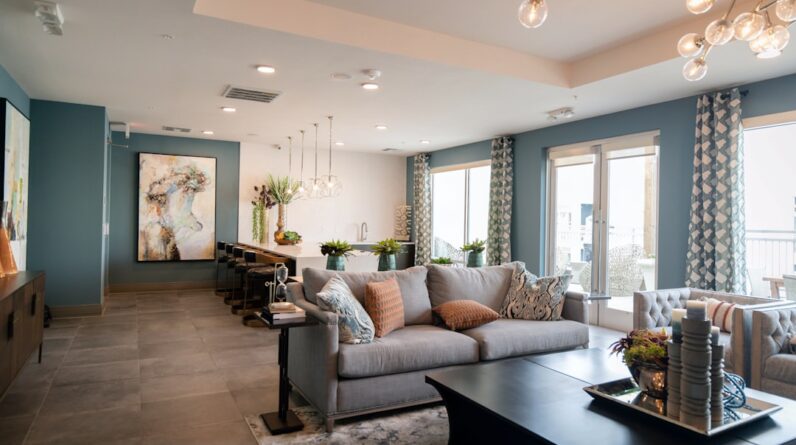
In living rooms, aim for a cozy, inviting atmosphere. Continue with ambient lighting as your main source, interspersing table and floor lamps to provide warmth and flexibility. Decorative fixtures can also add personality and charm to this critical space.
Kitchens
In the kitchen, practicality is crucial. Bright task lighting positioned directly over work areas, like countertops and cooking surfaces, will help you navigate cooking and meal prep efficiently. Adding ambient lighting will ensure the space feels welcoming when it’s time to gather around the table.
Bedrooms
For bedrooms, consider softer ambient lighting paired with your bedside table lamps. Layering lighting will help you create a tranquil space conducive to relaxation and sleep.
Bathrooms
Bathrooms, much like kitchens, benefit from a mix of task and ambient lighting. Bright, focused lighting in front of mirrors is great for grooming, while softer ambient lighting can create a spa-like atmosphere during a relaxing bath.
Workspaces
In home offices, good lighting is crucial for concentration and productivity. Make sure you have consistent task lighting that illuminates your workspace properly, while also accounting for ambient sources of light to keep the area feeling inviting.
Keeping Safety in Mind
As you explore your lighting options, it’s crucial to keep safety a priority.
Avoiding Glare and Shadows
Think about the placement of your lighting fixtures to avoid glare and harsh shadows, which can be distracting. Use lampshades to diffuse direct light and create a softer glow.
Consider Your Needs
If you share your home with young children or pets, you may want to select lighting fixtures that are safe and secure. Avoid low-hanging fixtures in high-traffic areas to minimize the risk of accidents.
The Final Touch: Smart Lighting Solutions
Incorporating smart technology into your lighting design can enhance living experiences, making the environment more adaptable to your needs.
Smart Bulbs and Switches
Smart bulbs allow you to adjust brightness and color temperature directly from your smartphone or voice assistant. This level of customization can be tailored to your preferences, whether you are winding down for the evening or preparing for a more energetic gathering.
Creating Lighting Scenes
With smart lighting, you can set specific “scenes” or moods through programmable settings. Hosting a dinner party? Program your lights to create a warm, inviting atmosphere. Movie night? Dim the lights to create a cinematic experience with tailored brightness just right for your film.
Conclusion
As you can see, lighting is a dynamic force in interior design, capable of supporting functionality and creating an ambiance that truly reflects your personal style. By understanding the types of lighting, employing a layered approach, and adapting your schemes based on purpose, you can gain not only aesthetic appeal but also create intentional spaces in your home that cater to your every need.
Remember that the world of lighting design invites you to experiment and discover what aligns with your vision. Lighting is not merely a practical necessity—it’s an artistic expression. So get creative and let your lights shine.
If you enjoyed this article, consider clapping, leaving a comment with your thoughts, and subscribing to my Medium newsletter for updates. Your support means the world!