How Can Interior Design Improve Quality of Life?
Interior design isn’t just the arrangement of furniture or the selection of paint colors; it’s a powerful tool capable of enhancing your quality of life in numerous ways. From fostering mental well-being to increasing productivity, the spaces you inhabit can have a profound impact on your daily experiences. In this article, we’ll delve into various aspects of interior design and explore how thoughtfully curated environments can elevate your overall well-being and lifestyle.

The Psychological Impact of Color
Color Psychology in Your Space
When you walk into a room, what’s the first thing you notice? For many, it’s the color. Colors can evoke feelings and emotions, influencing your mood and stress levels. A well-designed space takes color psychology into account to create an atmosphere that supports your well-being. For instance, soft blues and greens can promote calmness and tranquility, while warmer tones like yellow can be energizing.
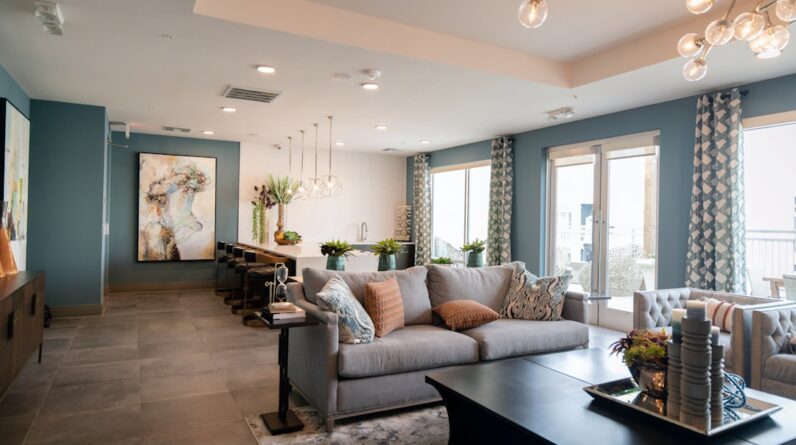
Consider how you feel in your home! A living room painted in serene hues can create a peaceful retreat, encouraging relaxation after a long day. On the flip side, vibrant colors can boost your energy in creative spaces, making them more conducive to brainstorming and innovation. By intentionally choosing colors that evoke positive emotions, you create a sanctuary that nurtures your mental state.
Spaces for Reflection and Relaxation
Your interior design choices can also provide you with spaces specifically designed for reflection and relaxation. Imagine a reading nook with soft lighting, surrounded by calming colors and plush seating. This little corner of your home can become a haven for unwinding, reading a book, or simply enjoying a moment of peace.
Designing spaces that promote relaxation—not just aesthetically but practically—will encourage you to take time for yourself, fostering a healthier work-life balance. Consider incorporating elements like a cozy blanket, comfortable seating, or even soothing sounds to create the ideal environment for decompressing.
Creating Functional Spaces
The Importance of Layout
An effective layout is more than just ensuring that you can walk from one room to another; it’s about creating flow and functionality that suits your lifestyle. If your kitchen is cluttered and chaotic, meal prep can become a daunting task. On the contrary, a well-designed kitchen fosters efficiency and enjoyment, making cooking a pleasurable experience.
Think of how you use your space daily. Do you have dedicated areas for work, relaxation, and entertainment? Evaluating the layout of your home allows you to optimize each area according to your needs. Creating distinct zones ensures that each activity has a designated space, reducing distractions and increasing productivity. You’ll be amazed at how a simple rearrangement can significantly enhance your daily life.
Flexible Spaces for Modern Living
In today’s fast-paced world, flexibility in your living space is vital. The lines between work, play, and rest are often blurred, especially if you work from home. Design elements like foldable desks, ottomans with storage, and sliding walls can transform a single room into a multifunctional space, adapting it to your needs.
Imagine hosting a dinner party at a table that easily converts from a small setting to a larger gathering. Or picture having an office that can quickly become a tranquil yoga space. Innovative design solutions ensure that your home can evolve alongside your lifestyle, ultimately improving your quality of life.
Biophilic Design: Nature in the Home
The Benefits of Incorporating Nature
Biophilic design revolves around integrating nature into your interiors, and its benefits are striking. Research has shown that incorporating natural elements can reduce stress, enhance creativity, and improve overall well-being. Think of fresh plants, natural light, and views of the outdoors. Each of these elements can significantly impact your mood and productivity.
Having indoor plants can purify the air and provide a sense of tranquility. A well-placed window allows natural light to brighten your space, boosting your vitamin D levels and enhancing your mood. When you bring nature indoors, you create an uplifting environment that can transform your everyday life for the better.
Creating Indoor Gardens
If you’re a nature lover, why not create an indoor garden? This idea goes beyond mere aesthetics; it contributes to your overall happiness. You can design a small space filled with lush plants, herbs, or flowers tailored to your preferences. Gardening at home not only beautifies your space but also offers a form of therapy. The act of tending to plants can be meditative, allowing you to connect with nature even in the hustle and bustle of daily life.
Think about how much more enjoyable a meal can be when it includes fresh herbs you’ve grown yourself. Every time you water your plants or nurture them to grow, you’re also nourishing your spirit.
Enhancing Productivity through Design
Workspaces that Inspire
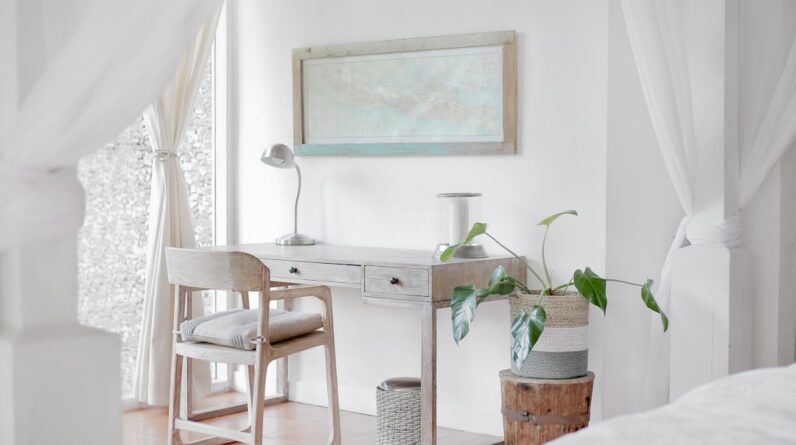
If you work from home, the design of your workspace can make a world of difference. An inspiring and organized work environment can greatly enhance your focus and productivity. You might want to consider decluttering your desk, adding ergonomic furniture, and utilizing natural light. All of these changes can contribute to a space that not only looks good but also feels good to work in.
A clear distinction between your home and work space is vital for maintaining a healthy work-life balance. By designing a dedicated work area with the right tools and aesthetics, you foster an environment that encourages efficiency and creativity.
Break Areas for Mental Clarity
Design isn’t just about productivity but also about ensuring you take adequate breaks. Break areas, even if it’s just a cozy corner of your living room, can encourage you to step away from your work and reset your mind. A designated spot for breaks reminds you of the importance of mental downtime.
Consider designing this area with comfortable seating, calming colors, and perhaps an inspiring piece of art. During your breaks, step away from your screen and recharge your mind in a space that encourages relaxation and reflection.

The Role of Light in Interior Design
Natural Light and Your Well-Being
Lighting plays a crucial role in interior design and significantly impacts your mood and health. Natural light is known to boost serotonin levels, which are important for maintaining a positive outlook. The design encourages the use of large windows, skylights, and reflective surfaces to enhance the amount of sunlight that floods your home.
Moreover, the right lighting can also affect sleep patterns. Consider how many times you’ve been in a bright room late in the evening, only to feel wide awake when it’s time to sleep. On the other hand, dim lighting in the evening can signal your body that it’s time to wind down. Thoughtful use of lighting can improve your sleep quality and overall well-being.
Task Lighting for Focus
While natural light is crucial, the right task lighting is essential for activities like reading, cooking, or working. Utilizing the right lamps and fixtures can drastically improve efficiency and comfort. For example, a well-placed LED light in your kitchen can make meal prep more enjoyable and ensure safety while you work.
You can also consider a layered approach to lighting—incorporating ambient, task, and accent lighting. Each serves a unique purpose and can create a warm, welcoming atmosphere that promotes productivity and well-being.
Personalization and the Sense of Belonging
Designing for Your Identity
Your home should reflect who you are, and personalization is a vital aspect of interior design. Surrounding yourself with items that tell your story or evoke cherished memories fosters a strong sense of belonging. Whether it’s displaying family photos, incorporating unique artwork, or keeping trinkets from your travels, these personal touches make a space feel truly yours.
An environment that resonates with your personality encourages comfort and happiness. When you walk into a space that reflects your identity, it can evoke feelings of joy and nostalgia that enhance your quality of life.
The Power of Art and Expression
Art adds personality and vibrancy to your home, acting as a reflection of your tastes and interests. Whether it’s a striking painting, a beloved sculpture, or even handmade crafts from local artisans, art enriches your space and your life. Surrounding yourself with pieces that inspire you can spark creativity and happiness on a daily basis.
Consider how art can be strategically placed in high-traffic areas to create focal points or evoke particular emotions. The right piece can enhance energy, peace, or joy in your space, further contributing to your overall well-being.
The Importance of Comfort
Cozy Spaces that Nurture
Comfort is a fundamental component of quality interior design. A space that is comfortable is inviting and fosters relaxation. Think of plush sofas, textured blankets, and warm lighting. Each of these elements contributes to a space that you can enjoy and retreat to at the end of the day.
You should also consider the functionality of furniture. Ergonomic chairs, supportive sofas, and thoughtfully arranged seating can contribute to your comfort and well-being. After all, your home should be a haven, one that invites you to relax and rejuvenate.
Incorporating Zones for Different Activities
Creating distinct zones for different activities in your home is an effective design strategy to enhance comfort. Consider that your living room should encourage socialization, while your bedroom should foster rest. Defining these areas will help you focus on the activities meant for each, enhancing your overall experience.
By purposefully designing areas that cater to specific needs—like reading, working, or entertaining—you enhance comfort and functionality, ultimately improving your quality of life.
Sustainability in Interior Design
The Impact of Sustainable Choices
More people are becoming conscious of sustainability, and this conscious choice extends to our interiors. By using environmentally friendly materials and sourcing local products, you not only contribute to the environment but also create healthier living spaces. Sustainable materials, such as bamboo and reclaimed wood, can drastically reduce your carbon footprint while adding a unique touch to your home.
Beyond materials, energy-efficient appliances and smart home technology can promote sustainability and lower utility bills, enhancing your quality of life both environmentally and financially.
Creating a Healthy Living Environment
Sustainability goes hand in hand with health. By choosing low-VOC (volatile organic compounds) paints and materials, you create a space that minimizes the impact on your indoor air quality. Your home should nurture your well-being, and reducing harmful chemicals in your environment is a significant step in ensuring a healthier lifestyle.
Embracing Minimalism
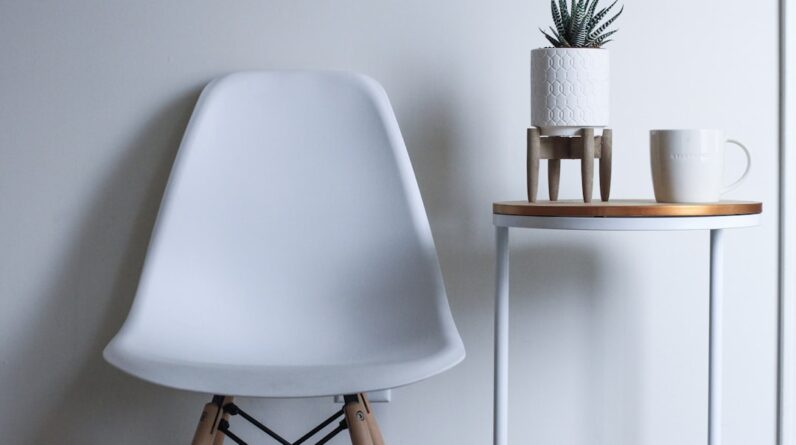
The minimalist design is another way to enhance your quality of life. By decluttering and simplifying your space, you create an atmosphere that reduces stress and fosters clarity. The concept is that less is often more, allowing you to focus on what truly matters. A minimalist approach can not only create a cleaner aesthetic but also improve your mental state, making it easier to enjoy your surroundings.
Conclusion: The Transformative Power of Design
In conclusion, interior design holds transformative power, enabling you to improve your quality of life significantly. By considering elements such as color, layout, natural light, personalization, and sustainability, you can create a space that nurtures your well-being and reflects your identity.
Whether you’re redesigning an entire home or just revamping a small area, remember that each choice contributes to the larger picture of your overall happiness and comfort. Your home is your sanctuary; invest in it with love, intention, and creativity.
Finally, please clap this article if you found it helpful! I would love to hear your thoughts, so leave a comment below and don’t forget to subscribe to my Medium newsletter for more updates! Your input means a lot to me, and I appreciate your support.