How Can Interior Design Promote a Healthy Lifestyle?
When you think about making healthy changes in your life, your mind may go straight to diet and exercise. But what if I told you that the environment you create in your home could significantly influence your overall well-being? Interior design is much more than aesthetics; it has the power to promote a healthy lifestyle. So let’s embark on this delightful journey to understand how you can turn your living space into a sanctuary for health and happiness.

The Psychology of Space
Your physical environment impacts your mental state more than you might realize. When you walk into a room that feels cluttered and chaotic, it can subconsciously trigger stress. On the other hand, a well-designed space can foster calmness and clarity. To create an atmosphere that promotes well-being, think about how colors, textures, and layouts affect your mood.
Color Choices
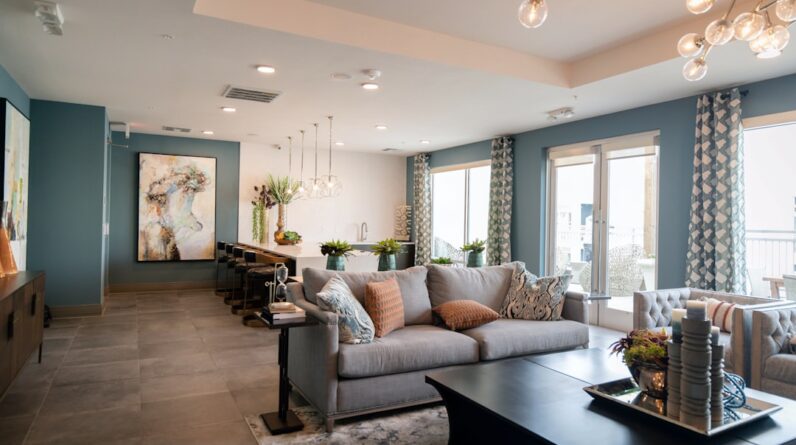
Colors play a pivotal role in shaping our emotions and behaviors. Cool blues and greens can evoke feelings of tranquility, while warmer hues like red or orange can stimulate energy. By incorporating colors into your design that resonate with the vibe you want to cultivate, you can create a space that feels harmonious and rejuvenating. Painting your walls in soft blues or accenting with warm yellows can set the tone for your daily activities.
Layout and Flow
The way furniture is arranged in a room also influences how you navigate your space. A cluttered layout can inhibit movement and create feelings of being trapped. By maintaining an open floor plan, you can encourage freedom of movement and promote a sense of ease. This includes considering pathways that allow you to move through your home without obstacles, which can lead to a more active lifestyle.
The Importance of Natural Light
Natural light is a cornerstone of healthy living. Not only does it enhance the aesthetic appeal of your space, but it also affects your mood and overall health. Sunlight helps to regulate your circadian rhythm, boost serotonin levels, and enhance your vitamin D absorption, all crucial elements in promoting mental well-being.
Window Treatments
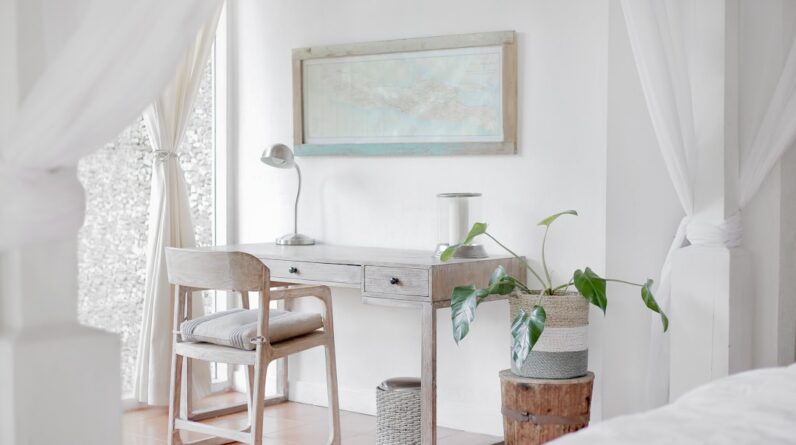
Choosing window treatments that allow natural light to flood your space while providing privacy is essential. Sheer curtains or blinds that can be easily adjusted will let you soak in the sun, creating a brighter atmosphere that uplifts your spirits. Additionally, utilizing mirrors strategically can amplify light in dim spaces, giving an illusion of more space while promoting a positively charged environment.
Indoor Plants
Incorporating indoor plants can also be an effective way to enhance natural light. Plants not only purify the air and improve indoor air quality, but their greenery also adds a calming aesthetic that can enhance focus and creativity. Opt for low-maintenance varieties if you’re new to plant care— succulents or snake plants can be great starters that thrive in various lighting conditions.
Creating Spaces for Movement
With the hustle and bustle of daily life, it’s easy to neglect physical activity. However, thoughtful interior design can help to seamlessly integrate movement into your daily routine, promoting an active lifestyle without feeling overwhelming.
Multi-functional Spaces
Designing multi-functional spaces ensures that you can engage in various activities within a single area. For instance, setting up a cozy reading nook also allows room for yoga or meditation. You could invest in furniture that can transform to serve multiple purposes. A storage ottoman can double as a seat for reading or stretching, while a lightweight, collapsible desk can create a workspace conducive to movement.
Encouraging Active Choices
Incorporating elements that encourage activity can also make a significant impact. Positioning a workout mat in an easily accessible spot removes barriers to exercise. Simple changes like placing your water bottle in a visible location or creating a fun space for family activities not only promotes movement; they also foster bonding and interaction.
Designing for Mindfulness
In today’s fast-paced world, mindfulness has become an essential tool for maintaining mental health. Your interior design can play a role in facilitating a peaceful, mindful environment that encourages you to slow down and appreciate the moment.
Calming Elements
In order to cultivate mindfulness in your environment, incorporate calming elements such as soft textures, gentle colors, and tranquil sounds. Surround yourself with soothing items, such as plush cushions, throws, or a warm blanket, to create a space that invites relaxation. Consider adding a small water fountain or a gentle sound machine to introduce calming sounds into your environment—these sensory elements can significantly enhance your sense of serenity.
Dedicated Mindfulness Areas
Creating a dedicated area for mindfulness activities can be transformative. Whether it’s a spot for meditation, yoga, or simply a space to breathe and recharge, designate an area in your home where you can retreat for quiet reflection. Use comfortable seating, supportive props, or even a cozy corner with soft lighting to make this area special. By nurturing your ability to practice mindfulness, you empower yourself to manage daily stressors with grace and composure.

The Role of Personalization
Your living space is, ultimately, a reflection of you. Personalization can make your environment feel more inviting and comfortable, strengthening your emotional connection to your home.
Art and Decor
Incorporating art and decor that resonate with you can help evoke positive emotions and memories. Hang artwork that inspires you, whether it’s vibrant paintings, photographs from your travels, or meaningful quotes. These personal touches serve as continual reminders of happiness, encouragement, and your journey toward a healthy lifestyle.
Photographs and Mementos
Displaying personal photographs and cherished mementos throughout your home encourages meaningful connections and fosters a sense of identity. Create a gallery wall with special moments captured in time that bring you joy—a gentle reminder of life’s beautiful chapters can elevate your spirits each day.
Sound Design for Health
Sound is another often-overlooked aspect of design that can profoundly affect well-being. The sounds in your environment can trigger different emotional responses, influencing relaxation, focus, and mood.
Acoustic Considerations
Incorporating acoustically friendly materials into your design can enhance sound quality and reduce noise pollution, contributing to a more serene atmosphere. Soft furnishings such as rugs, curtains, and upholstered furniture absorb sound, providing a quieter space that calms the mind.
Music and Nature Sounds
Introducing soundscapes into your daily routine can elevate the ambiance of your space. Consider creating playlists of soothing music or nature sounds that you can listen to while working, unwinding, or exercising. This immersive experience can center your focus and nourish your mental well-being.
Ergonomics and Comfort
Your health is deeply connected to how comfortably you inhabit your space. Ergonomic furniture can prevent strain and discomfort, allowing you to move freely and live well.
Investing in Quality
Investing in quality furniture that supports your body in its natural position is key to promoting health. Choose an ergonomic chair that encourages good posture when working at a desk. Similarly, consider adjustable desks that allow you to switch between sitting and standing throughout the day. By creating an environment that supports your physical well-being, you can enhance your overall productivity and happiness.
Core Comforts
Pay attention to the comfort of your sleeping area as well. A high-quality mattress and supportive bedding are essential for achieving quality sleep, which is fundamental to maintaining both physical and mental health. Create a sleep sanctuary with layers of soft fabric, soothing colors, and darkening curtains to enhance your rest.
The Kitchen: Heart of Health
The kitchen is often referred to as the heart of the home, and it holds immense power over your health. Thoughtful design in the kitchen can encourage healthier eating habits and foster a love for cooking.
Functional Layouts
Create a kitchen layout that promotes efficiency and creativity in meal preparation. An open floor plan can encourage social interaction while cooking, turning it into a joyful activity rather than a chore. Include organization tools that are easily accessible to keep healthy options at the forefront.
Inviting Atmosphere
Enhance the kitchen’s atmosphere by incorporating elements that inspire culinary creativity. A well-lit space filled with fresh herbs, colorful fruits, and vegetables can make cooking an enticing experience. Opt for natural materials, such as wooden cutting boards or stone countertops, as they add warmth and beauty to your kitchen.
Outdoor Spaces: Nature’s Healing Touch
Do not underestimate the power of outdoor spaces! Connecting with nature is intrinsically tied to improved mental health, increased physical activity, and overall well-being. By creating a harmonious outdoor environment, you can benefit greatly from the healing properties of nature.
Eco-friendly Landscaping
Invest in eco-friendly landscaping that invites exploration and interaction. Plant native species that bloom in cycles throughout the year, providing not only a visual feast, but also a habitat for local wildlife. Having a green thumb—gardening—can also serve as an excellent form of exercise, helping to keep you physically active.
Outdoor Living Areas
Creating outdoor retreats, such as a deck or patio furnished with comfortable seating, can encourage you to spend more time outside. An outdoor fire pit or lounge area can provide a perfect venue for gatherings with friends or family, too. As you cultivate connections in nature, you enrich your mental health and boost your emotional wellness.
Accessibility in Design
A truly healthy home is one that is accessible to all. Inclusive design ensures that everyone can navigate their space comfortably and safely, regardless of age or ability.
Universal Design Principles
Adopting universal design principles can drastically improve how a space feels and functions. Consider wider doorways, lower countertops, and grab bars in key areas such as the kitchen and bathroom. These adjustments make your home more accommodating for everyone and can enhance your personal comfort as well.
Active Engagement
Encouraging family members or friends to actively participate in design choices fosters community and enhances emotional health. Involving others ensures that the space reflects your collective needs and gives everyone a sense of ownership and belonging.
Final Thoughts
Incorporating these thoughtful design elements into your home can have a profound impact on your overall health and well-being. Interior design isn’t just about how something looks; it’s about how it makes you feel. By creating an environment that reflects your values and supports your lifestyle, you take a significant step towards promoting a healthier you. Embrace the power of a well-designed space, and celebrate the transformation it can bring to your life!
If you enjoyed this article, I encourage you to clap for it, leave a comment with your thoughts, and subscribe to my Medium newsletter for more updates and insights on healthy living and interior design. Here’s to a happier and healthier you, one room at a time!