When it comes to making the most of your living space, the first step is to assess how you currently use each area. You might find that certain rooms are underutilized or that furniture arrangements hinder movement. By rethinking the layout, you can create a more functional environment.
Consider multi-purpose furniture, such as a sofa bed or an extendable dining table, which can adapt to your needs. This flexibility allows you to transform a space for different activities, whether it’s hosting friends or enjoying a quiet evening at home. Additionally, vertical space is often overlooked in many homes.
You can take advantage of walls by installing shelves or cabinets that draw the eye upward, creating an illusion of height and openness. This not only provides additional storage but also frees up floor space, making your rooms feel less cluttered. By strategically placing mirrors, you can further enhance the sense of space, reflecting light and creating depth.
Ultimately, maximizing space utilization is about being intentional with your choices and ensuring that every square foot serves a purpose.
Key Takeaways
- Maximize space utilization by using multi-functional furniture and storage solutions
- Create visual separation with room dividers, curtains, or furniture placement
- Balance acoustics by incorporating rugs, curtains, and acoustic panels
- Incorporate functional furniture such as ottomans with storage or foldable tables
- Utilize strategic lighting to create different moods and highlight specific areas
- Implement color and texture to add visual interest and warmth to the space
- Integrate storage solutions such as built-in shelves, under-bed storage, and wall-mounted cabinets
- Foster a sense of coziness with soft textiles, warm lighting, and comfortable seating arrangements
Creating Visual Separation
Defining Spaces with Area Rugs
Using area rugs is a great way to create distinct spaces within an open-concept area. For example, a cozy rug under your coffee table can define a living area, while another rug in the dining zone can signal where meals are enjoyed. This subtle division helps maintain an open feel while providing a sense of organization.
Furniture Arrangement as a Natural Divider
Another approach is to use furniture arrangement to your advantage. Positioning a bookshelf or a console table can act as a natural divider between spaces. This not only serves a functional purpose but also adds aesthetic appeal to your space.
Adding Decorative Elements for Boundaries
You can also use decorative screens or plants to create boundaries without closing off areas completely. These elements not only serve a functional purpose but also add aesthetic appeal, allowing you to express your style while maintaining a cohesive look throughout your home.
Balancing Acoustics

In any living environment, sound plays a crucial role in your overall comfort and enjoyment. If you find that your space echoes or feels too noisy, it’s essential to address acoustics. Soft furnishings like curtains, cushions, and upholstered furniture can absorb sound and reduce noise levels.
You might want to invest in thick curtains that not only block out light but also dampen sound from outside, creating a more serene atmosphere. Additionally, consider incorporating acoustic panels or wall art designed to absorb sound. These can be both functional and stylish, allowing you to enhance your decor while improving the auditory experience in your home.
Rugs and carpets also contribute significantly to sound absorption; they can help minimize footstep noise and create a warmer ambiance. By balancing acoustics in your space, you can foster an environment that feels peaceful and inviting.
Incorporating Functional Furniture
Functional furniture is key to maximizing both space and utility in your home. When selecting pieces, think about how they can serve multiple purposes. For example, an ottoman with storage inside can provide extra seating while keeping clutter at bay.
A coffee table with built-in shelves can hold books or magazines, keeping your living area organized and stylish. You might also explore furniture that adapts to your lifestyle needs. A foldable desk can be perfect for those who work from home but need to reclaim their space after hours.
Similarly, nesting tables can be easily tucked away when not in use but provide additional surface area when entertaining guests. By incorporating functional furniture into your design, you not only enhance the practicality of your space but also create an environment that reflects your dynamic lifestyle.
Utilizing Strategic Lighting
Lighting has the power to transform any room, influencing both mood and functionality. To create a well-lit environment, consider layering different types of lighting: ambient, task, and accent. Ambient lighting provides overall illumination, while task lighting focuses on specific areas where activities like reading or cooking take place.
Accent lighting can highlight artwork or architectural features, adding depth and interest to your space. You may want to experiment with dimmers to adjust the intensity of light according to the time of day or occasion. Natural light is another crucial element; maximizing windows and using sheer curtains can help flood your space with sunlight during the day.
Additionally, strategically placed mirrors can reflect light and make rooms feel brighter and more spacious. By thoughtfully utilizing lighting, you can create an inviting atmosphere that enhances both functionality and aesthetics.
Implementing Color and Texture

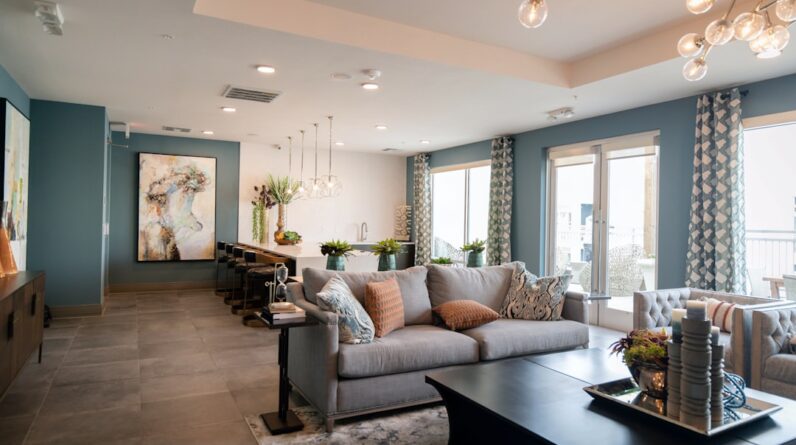
Color and texture are powerful tools in interior design that can dramatically influence the feel of your space. When choosing a color palette, consider how different hues evoke emotions; for instance, soft blues and greens can create a calming effect, while vibrant reds and yellows may energize a room. You might opt for neutral tones as a base and then introduce pops of color through accessories like cushions or artwork.
Texture adds another layer of interest to your design scheme. Mixing materials such as wood, metal, fabric, and glass can create a dynamic visual experience. You could incorporate plush textiles like velvet or wool alongside sleek surfaces like glass or polished metal for contrast.
This interplay of color and texture not only enhances the aesthetic appeal but also invites tactile engagement, making your home feel warm and inviting.
Integrating Storage Solutions
Effective storage solutions are essential for maintaining an organized and clutter-free environment. You may want to assess your belongings and identify areas where storage is lacking. Built-in shelving units or cabinets can provide ample space for books, decor, and everyday items while keeping them out of sight.
Consider using under-bed storage for seasonal clothing or extra linens; this often-overlooked area can be a game-changer in maximizing space. Another innovative approach is to utilize furniture with hidden storage capabilities. Coffee tables with drawers or benches that open up for storage can help keep your living areas tidy without sacrificing style.
Wall-mounted organizers or hooks can also be effective in entryways or kitchens, providing easy access to frequently used items while keeping surfaces clear. By integrating smart storage solutions into your design, you’ll create a more functional living space that feels organized and serene.
Fostering a Sense of Coziness
Creating a cozy atmosphere in your home is about more than just aesthetics; it’s about cultivating an environment where you feel comfortable and at ease. You might start by incorporating soft textiles such as throws and cushions that invite relaxation. Layering different fabrics adds depth and warmth to your space, making it feel more inviting.
Lighting plays a significant role in fostering coziness as well; warm-toned bulbs can create a soft glow that enhances the overall ambiance. You may also want to include personal touches like family photos or cherished mementos that tell your story and make the space uniquely yours. Finally, consider the scent of your home; using candles or essential oil diffusers with comforting fragrances can elevate the cozy factor even further.
By focusing on these elements, you’ll create a sanctuary that feels welcoming and nurturing—a true reflection of your personal style and comfort needs.
FAQs
What are the challenges of open-concept living spaces?
Open-concept living spaces can present challenges such as defining separate functional areas, creating privacy, managing acoustics, and maximizing natural light.
How can interior design services address the challenges of open-concept living spaces?
Interior design services can address the challenges of open-concept living spaces by using furniture arrangement, area rugs, room dividers, different flooring materials, and strategic lighting to define separate functional areas and create a sense of privacy.
What are some design strategies for managing acoustics in open-concept living spaces?
Design strategies for managing acoustics in open-concept living spaces include using sound-absorbing materials such as curtains, rugs, and upholstered furniture, incorporating acoustic panels or ceiling treatments, and strategically placing furniture to minimize sound reverberation.
How can interior design services maximize natural light in open-concept living spaces?
Interior design services can maximize natural light in open-concept living spaces by using light-colored and reflective surfaces, strategically placing mirrors, choosing window treatments that allow for maximum light penetration, and incorporating skylights or light wells where possible.