When embarking on a design project, the first step is to delve into the client’s personality. This foundational understanding shapes every decision you make, from color choices to furniture selection. You need to engage in meaningful conversations that reveal their likes, dislikes, and overall lifestyle.
Are they an extroverted socialite who thrives in vibrant environments, or are they an introverted bookworm who finds solace in serene spaces? By asking open-ended questions and actively listening, you can uncover the nuances of their character that will inform your design approach. Moreover, personality assessments can be a useful tool in this process.
You might consider using frameworks like the Myers-Briggs Type Indicator or the Enneagram to gain deeper insights into your client’s preferences. Understanding whether they lean towards being a thinker or a feeler can guide you in creating spaces that resonate with their emotional and intellectual needs. This personalized approach not only enhances the design but also fosters a sense of trust and collaboration between you and your client.
Key Takeaways
- Understanding the client’s personality is crucial for creating a personalized design that reflects their individuality and preferences.
- Incorporating personal preferences and hobbies into the design adds a unique and meaningful touch to the space.
- Choosing color schemes and textures that resonate with the client’s personality and style is essential for creating a cohesive and personalized design.
- Balancing functionality and aesthetics ensures that the space not only looks great but also serves the client’s practical needs.
- Customizing furniture and decor allows for a truly personalized and one-of-a-kind design that reflects the client’s taste and style.
Incorporating Personal Preferences and Hobbies
Reflecting Hobbies and Interests
Once you have a grasp on your client’s personality, the next step is to incorporate their personal preferences and hobbies into the design. This is where you can truly make the space feel like home. If your client is an avid reader, for instance, consider designing a cozy reading nook complete with built-in bookshelves and comfortable seating. If they enjoy cooking, a spacious kitchen with high-quality appliances and ample counter space will be essential.
Integrating Lifestyle Choices and Values
By integrating these elements, you create a space that reflects their passions and enhances their daily life. Additionally, personal preferences extend beyond hobbies to include lifestyle choices and values. If your client prioritizes sustainability, you might explore eco-friendly materials and energy-efficient appliances.
Adding Personal Touches
If they have a penchant for travel, incorporating souvenirs or artwork from their adventures can add a personal touch that tells their story. By weaving these elements into the design, you not only create a visually appealing space but also one that resonates deeply with your client’s identity.
Choosing Color Schemes and Textures

Color schemes and textures play a pivotal role in setting the mood of a space. As you work with your client, it’s essential to consider their emotional responses to different colors. For instance, warm tones like reds and oranges can evoke feelings of energy and warmth, while cool tones like blues and greens often promote calmness and tranquility.
Engaging your client in discussions about their favorite colors can help you curate a palette that aligns with their personality and preferences. Textures also contribute significantly to the overall aesthetic and feel of a space. You might explore various materials such as soft fabrics, sleek metals, or rustic woods to create depth and interest.
For example, if your client enjoys a cozy atmosphere, incorporating plush textiles like velvet or wool can enhance comfort. Conversely, if they prefer a modern look, sleek surfaces and minimalistic designs may be more appealing. By thoughtfully selecting colors and textures, you can create an environment that not only looks beautiful but also feels inviting and harmonious.
Balancing Functionality and Aesthetics
In any design project, striking a balance between functionality and aesthetics is crucial. While it’s tempting to focus solely on creating visually stunning spaces, practicality must not be overlooked. You need to consider how your client will use each area of their home or office.
For instance, if they have children or pets, durable materials that withstand wear and tear will be essential. Similarly, if they frequently entertain guests, an open layout that facilitates social interaction will enhance the overall experience. To achieve this balance, engage your client in discussions about their daily routines and activities.
Understanding how they live will inform your design choices and help you create spaces that are both beautiful and functional. For example, if your client works from home, incorporating a dedicated workspace that is both stylish and efficient will be key. By prioritizing functionality alongside aesthetics, you ensure that the design serves its purpose while also reflecting your client’s unique style.
Customizing Furniture and Decor
Customizing furniture and decor is an excellent way to infuse personality into your design project. Off-the-shelf items may not always meet your client’s specific needs or aesthetic preferences. By collaborating with artisans or furniture makers, you can create bespoke pieces that perfectly align with your vision.
Whether it’s a custom dining table that accommodates family gatherings or unique shelving units that showcase personal collections, tailored furniture adds a distinctive touch to any space. Moreover, customization extends beyond furniture to include decor elements as well. Consider incorporating personalized artwork or decorative items that resonate with your client’s story.
This could involve commissioning local artists for unique pieces or even creating DIY projects together that reflect their interests. By integrating customized elements into the design, you not only enhance the visual appeal but also create a sense of ownership and pride for your client.
Creating Personalized Art and Accent Pieces
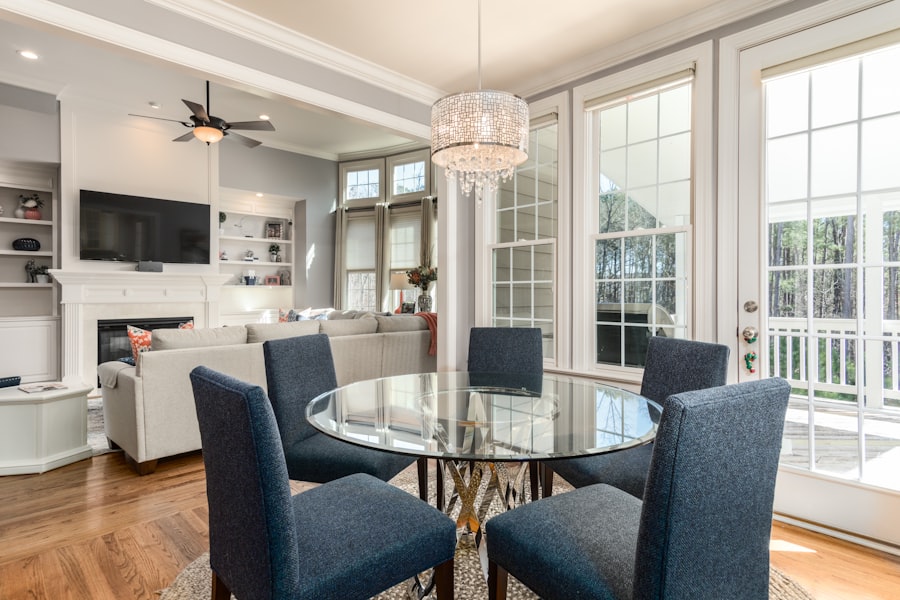
Reflecting Interests and Passions
When working with your client, consider how art can be used to elevate the overall design. This can involve curating a collection of pieces that reflect their interests or commissioning artwork that tells their story. For example, if your client has a passion for nature, incorporating landscape paintings or botanical prints can bring the outdoors inside while adding visual interest.
Accent Pieces that Make a Statement
Accent pieces also contribute significantly to the overall aesthetic of a room. Think about incorporating unique sculptures, decorative vases, or handmade crafts that resonate with your client’s personality. These items serve as conversation starters and add layers of meaning to the space.
Creating an Authentic Environment
By thoughtfully selecting art and accent pieces that reflect your client’s identity, you create an environment that feels authentic and inviting. This attention to detail will make the space feel truly personalized, making your client feel seen and understood.
Infusing Cultural and Personal Heritage
Cultural heritage is an essential aspect of many clients’ identities, and incorporating these elements into your design can create a rich tapestry of meaning within the space. Engage your client in discussions about their cultural background and traditions to understand how these influences can be reflected in the design. This could involve using specific colors or patterns associated with their heritage or incorporating traditional crafts and textiles into the decor.
Additionally, personal heritage can also play a significant role in shaping design choices. If your client has family heirlooms or artifacts that hold sentimental value, consider how these items can be integrated into the overall design scheme. Whether it’s displaying cherished photographs or incorporating family traditions into the decor, honoring their heritage adds depth and significance to the space.
By infusing cultural and personal elements into your design, you create an environment that resonates with your client’s identity on multiple levels.
Incorporating Client’s Feedback and Input
Finally, throughout the design process, it’s vital to incorporate your client’s feedback and input actively. Design is inherently collaborative; therefore, maintaining open lines of communication ensures that your client feels heard and valued. Regular check-ins during various stages of the project allow for adjustments based on their preferences or concerns.
This collaborative approach fosters trust and strengthens the relationship between you and your client. Encouraging feedback also empowers clients to take ownership of the design process. By involving them in decision-making—whether it’s selecting fabrics or choosing artwork—you create a sense of investment in the final outcome.
This not only leads to greater satisfaction but also results in a space that truly reflects their vision and lifestyle. Ultimately, by valuing your client’s input throughout the journey, you create an environment that feels uniquely theirs—a true reflection of who they are. In conclusion, designing spaces that resonate with clients requires a deep understanding of their personalities, preferences, and lifestyles.
By incorporating personal elements such as hobbies, cultural heritage, and customized decor while balancing functionality with aesthetics, you create environments that are not only beautiful but also meaningful. Engaging clients throughout the process ensures that their voices are heard, resulting in spaces that truly feel like home.
FAQs
What is interior design?
Interior design is the art and science of enhancing the interior of a space to achieve a healthier and more aesthetically pleasing environment for the people using the space. It involves planning, researching, coordinating, and managing various elements to create a space that is both functional and beautiful.
What do interior design services offer?
Interior design services offer a range of professional services to help clients create functional and aesthetically pleasing spaces. This can include space planning, furniture selection, color and material selection, lighting design, and overall aesthetic direction.
How do interior design services reflect the client’s personality?
Interior designers work closely with clients to understand their preferences, lifestyle, and personal style. They use this information to create a design that reflects the client’s personality, whether it’s through the use of specific colors, patterns, or furniture styles.
What are some ways interior designers incorporate the client’s personality into the design?
Interior designers can incorporate the client’s personality into the design by selecting furniture and decor that align with the client’s tastes, integrating personal mementos or artwork into the space, and using colors and patterns that resonate with the client’s style.
Why is it important for interior design to reflect the client’s personality?
Reflecting the client’s personality in the design is important because it creates a space that feels personal and comfortable for the client. It also helps to create a sense of connection and ownership over the space, making it more enjoyable and meaningful for the client.