
As you embark on a journey to explore cultural and artistic influences, it is essential to recognize the profound impact these elements have on your surroundings. Culture is not merely a backdrop; it is a living, breathing entity that shapes the way you perceive the world. Artistic influences, whether they stem from historical traditions or contemporary movements, play a crucial role in defining the aesthetic and emotional resonance of a space.
By immersing yourself in the rich tapestry of cultural narratives, you can gain insights that will inform your creative decisions and enhance the overall experience of those who inhabit the space. To truly understand these influences, you must delve into the stories, values, and beliefs that underpin various cultures. Each culture has its unique artistic expressions, from visual arts to music and dance, which reflect its history and social dynamics.
By engaging with these narratives, you can uncover the layers of meaning that inform artistic choices. This understanding will not only enrich your own perspective but also allow you to create spaces that resonate deeply with the people who engage with them. As you navigate this landscape, consider how cultural and artistic influences can be woven into your work, creating a dialogue between the past and present that speaks to the heart of your audience.
Key Takeaways
- Understanding Cultural and Artistic Influences:
- Recognize the impact of cultural and artistic influences on design
- Appreciate the diversity and richness of different cultural traditions
- Researching Cultural and Artistic Elements:
- Conduct thorough research on cultural and artistic elements
- Understand the historical and contemporary significance of these elements
- Incorporating Traditional and Contemporary Art:
- Blend traditional and contemporary art in design
- Create a harmonious balance between the two styles
- Utilizing Cultural Symbols and Iconography:
- Use cultural symbols and iconography thoughtfully
- Respect the cultural significance and meaning behind these symbols
- Balancing Cultural and Artistic Elements with Functionality:
- Ensure that cultural and artistic elements do not compromise functionality
- Integrate these elements seamlessly into the design
- Collaborating with Local Artisans and Craftsmen:
- Engage with local artisans and craftsmen for authentic cultural elements
- Support and promote local craftsmanship and traditions
- Creating a Sense of Cultural Identity:
- Design spaces that reflect and celebrate cultural identity
- Foster a sense of pride and connection to cultural heritage
- Educating Clients on the Significance of Cultural and Artistic Elements:
- Educate clients on the importance of cultural and artistic elements in design
- Advocate for the preservation and appreciation of cultural heritage
Researching Cultural and Artistic Elements
Research is a vital step in your exploration of cultural and artistic elements. It involves more than just gathering information; it requires a commitment to understanding the nuances and complexities of different cultures. You might start by examining historical texts, visiting museums, or engaging with local communities to gain firsthand insights into their artistic practices.
This process will help you identify key themes, motifs, and techniques that are emblematic of specific cultures, allowing you to incorporate them thoughtfully into your work. As you conduct your research, consider the importance of context. The significance of an artistic element can vary dramatically depending on its cultural background and the circumstances surrounding its creation.
For instance, a particular color may hold different meanings in various cultures, influencing how it is perceived and utilized in design. By being mindful of these distinctions, you can ensure that your work is respectful and authentic, avoiding cultural appropriation while celebrating diversity. This thorough research will empower you to create art that not only reflects your vision but also honors the rich heritage of the cultures you draw inspiration from.
Incorporating Traditional and Contemporary Art
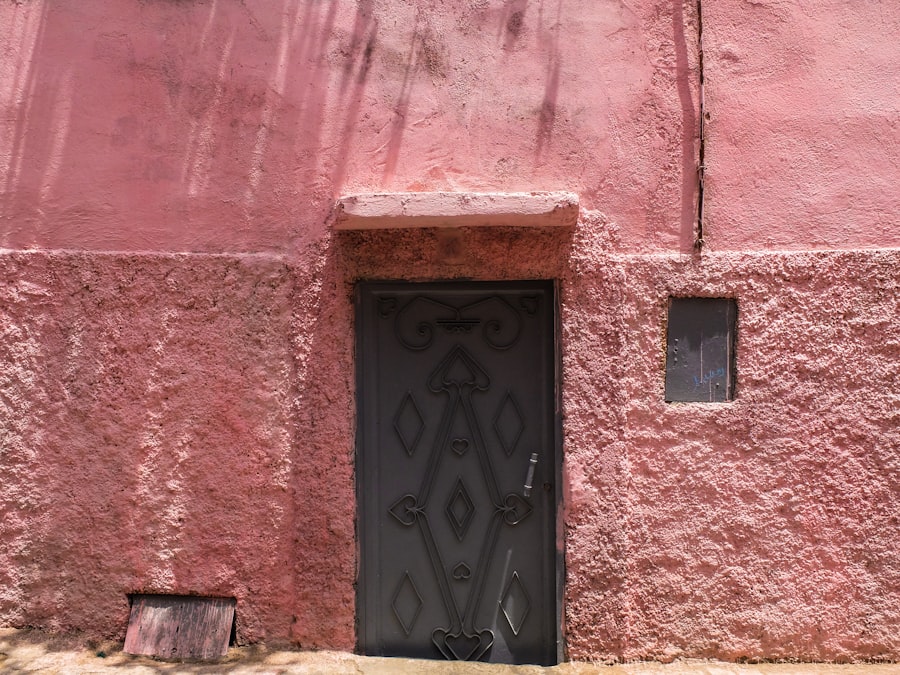
Incorporating both traditional and contemporary art into your work can create a dynamic interplay that enriches the overall aesthetic experience. Traditional art forms often carry deep cultural significance and embody centuries of craftsmanship and storytelling. By integrating these elements into your designs, you pay homage to the past while also providing a foundation for contemporary interpretations.
This fusion allows you to create spaces that are not only visually striking but also steeped in meaning. On the other hand, contemporary art brings a fresh perspective that challenges conventions and invites innovation. By juxtaposing traditional elements with modern techniques or styles, you can create a dialogue between different eras and artistic movements.
This approach encourages viewers to engage with the work on multiple levels, prompting them to reflect on their own cultural identities and experiences. As you navigate this balance, consider how each element can complement the other, creating a cohesive narrative that resonates with your audience while celebrating the richness of both traditional and contemporary art forms.
Utilizing Cultural Symbols and Iconography
Cultural symbols and iconography serve as powerful tools in your artistic arsenal. These elements carry deep meanings and associations that can evoke strong emotional responses from viewers. By thoughtfully incorporating symbols from various cultures into your work, you can create layers of meaning that invite exploration and interpretation.
For instance, a specific motif may represent unity in one culture while symbolizing strength in another. Understanding these nuances allows you to use symbols effectively, enhancing the narrative quality of your art. When utilizing cultural symbols, it is crucial to approach them with sensitivity and respect.
Misappropriation or misrepresentation can lead to misunderstandings or offense, undermining the very message you wish to convey. To avoid this pitfall, take the time to research the origins and meanings of the symbols you wish to incorporate. Engage with cultural experts or community members who can provide insights into their significance.
By doing so, you not only enrich your work but also foster a deeper connection with the cultures you are representing.
Balancing Cultural and Artistic Elements with Functionality
While cultural and artistic elements are essential for creating meaningful spaces, functionality must also be at the forefront of your design considerations. Striking a balance between aesthetics and practicality ensures that your work serves its intended purpose while also resonating with its audience. As you integrate cultural influences into your designs, think about how these elements can enhance usability without compromising their artistic integrity.
For example, when designing a public space that incorporates traditional art forms, consider how these elements can be integrated into functional features such as seating or pathways. This approach not only beautifies the environment but also encourages interaction and engagement with the art itself. By prioritizing functionality alongside cultural expression, you create spaces that are not only visually appealing but also serve as vibrant hubs for community interaction and connection.
Collaborating with Local Artisans and Craftsmen

Collaboration with local artisans and craftsmen can significantly enhance your work by infusing it with authenticity and expertise. These individuals possess invaluable knowledge of traditional techniques and materials that can elevate your designs while honoring cultural heritage. By partnering with them, you not only support local economies but also foster a sense of community ownership over the artistic process.
When collaborating with artisans, approach the partnership as a two-way exchange of ideas and skills. Be open to their insights and suggestions, as they may offer perspectives that challenge your preconceived notions or inspire new directions for your work. This collaborative spirit can lead to innovative solutions that blend traditional craftsmanship with contemporary design sensibilities.
Ultimately, this synergy will result in creations that are not only visually stunning but also deeply rooted in cultural significance.
Creating a Sense of Cultural Identity
Creating a sense of cultural identity through your work is an enriching endeavor that allows individuals to connect with their heritage on a deeper level. By thoughtfully incorporating cultural elements into your designs, you provide spaces where people can celebrate their identities and share their stories. This sense of belonging fosters community cohesion and pride, making your work not just an aesthetic choice but a catalyst for social connection.
To achieve this goal, consider how different cultural elements can be woven together to reflect the diversity within a community. This might involve blending various artistic styles or incorporating symbols from multiple cultures to create an inclusive environment. By embracing this diversity, you create spaces that resonate with a broader audience while honoring individual identities.
Ultimately, this approach cultivates an atmosphere where everyone feels seen and valued, reinforcing the importance of cultural identity in our shared human experience.
Educating Clients on the Significance of Cultural and Artistic Elements
As you navigate the complexities of incorporating cultural and artistic elements into your work, educating clients about their significance becomes paramount. Many clients may not fully understand the depth of meaning behind certain symbols or artistic choices, making it essential for you to articulate these concepts clearly. By sharing insights into the cultural narratives that inform your designs, you empower clients to appreciate the richness of their surroundings.
Consider hosting workshops or presentations where you can discuss the importance of cultural influences in art and design. Use visual aids or case studies to illustrate how specific elements enhance both aesthetic appeal and emotional resonance. This educational approach not only enriches clients’ understanding but also fosters a sense of collaboration as they become active participants in the creative process.
By instilling an appreciation for cultural significance in your clients, you create a shared vision that elevates the final outcome while honoring the diverse narratives that shape our world.
FAQs
What are cultural and artistic elements in interior design?
Cultural and artistic elements in interior design refer to the incorporation of elements such as traditional art, crafts, textiles, and architectural styles from different cultures into the design of a space.
How can interior design services incorporate cultural and artistic elements into a design?
Interior design services can incorporate cultural and artistic elements into a design by researching and understanding the cultural significance of different elements, sourcing authentic cultural artifacts and artworks, and integrating them into the overall design concept.
What are some examples of cultural and artistic elements that can be incorporated into interior design?
Examples of cultural and artistic elements that can be incorporated into interior design include traditional textiles such as rugs and tapestries, handcrafted pottery and ceramics, indigenous artwork, traditional architectural elements, and cultural motifs and patterns.
Why is it important to incorporate cultural and artistic elements into interior design?
Incorporating cultural and artistic elements into interior design helps to create a sense of authenticity and connection to a specific culture or artistic tradition. It also adds depth and richness to the design, making the space more unique and visually interesting.