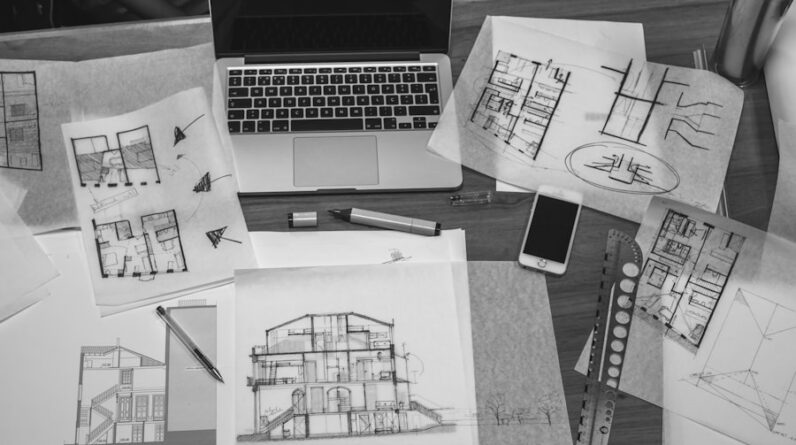
As your family expands, so do your needs and priorities. You may find that the cozy two-bedroom apartment that once felt spacious is now bursting at the seams with toys, clothes, and the myriad of items that come with children. Understanding these evolving needs is crucial for creating a home that not only accommodates your family but also nurtures its growth.
You might start to notice that certain areas of your home are no longer serving their intended purpose, or perhaps you feel the need for more communal spaces where everyone can gather and connect. Recognizing the dynamics of a growing family means being attuned to the various stages of life your children will go through. From infancy to adolescence, each phase brings unique requirements.
For instance, a nursery may need to transition into a playroom, and later into a study area. By anticipating these changes, you can make informed decisions about your living space, ensuring it remains functional and welcoming for years to come. This foresight will not only save you time and money in the long run but also create an environment that fosters family bonding and individual growth.
Key Takeaways
- Growing families require furniture and spaces that can adapt to their changing needs over time.
- Versatile and durable furniture is essential for accommodating the various activities and functions of a growing family.
- Flexible and multi-functional spaces allow for easy transitions between different activities and age groups within the family.
- Incorporating storage solutions helps keep the home organized and clutter-free, making it easier to maintain a functional and inviting space.
- Selecting easy-to-clean and kid-friendly materials ensures that the home remains practical and safe for the entire family.
Choosing Versatile and Durable Furniture
When selecting furniture for your home, versatility and durability should be at the forefront of your mind. As your family grows, you’ll want pieces that can adapt to various uses and withstand the wear and tear of daily life. Consider investing in modular furniture that can be rearranged or expanded as needed.
For example, a sectional sofa can be configured in different ways to suit gatherings or quiet family nights, while extendable dining tables can accommodate everything from casual meals to festive celebrations. Durability is equally important, especially when children are involved. Look for materials that can withstand spills, scratches, and the inevitable roughhousing that comes with having kids.
Fabrics like microfiber or leather are often easier to clean and maintain than traditional upholstery. Additionally, solid wood furniture tends to be more resilient than particleboard alternatives, ensuring that your investment lasts through the years. By prioritizing versatile and durable options, you create a foundation for a home that can grow alongside your family.
Creating Flexible and Multi-functional Spaces

In a growing family, space can often feel limited, making it essential to create flexible and multi-functional areas within your home. Think about how you can maximize each room’s potential by designing spaces that serve multiple purposes. For instance, a guest room can double as a playroom or a home office when not in use by visitors.
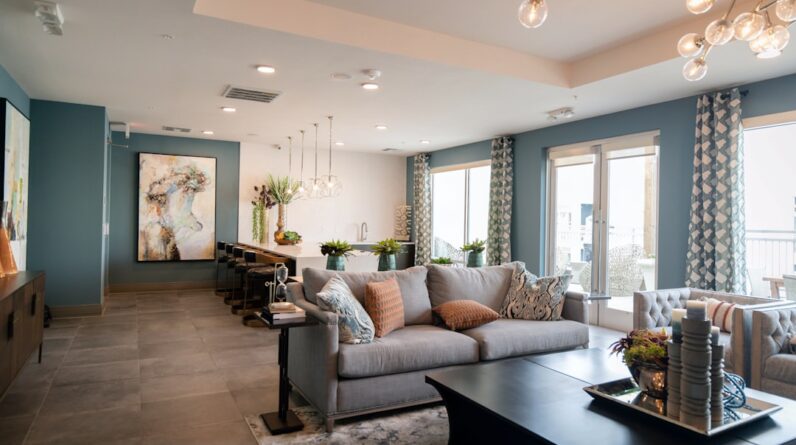
By incorporating foldable furniture or convertible pieces, you can easily transform a room to meet your family’s changing needs. Another approach is to utilize open floor plans that encourage fluid movement between spaces. An open kitchen and living area can foster togetherness while allowing for various activities to occur simultaneously.
You might also consider using room dividers or curtains to create temporary boundaries when privacy is needed. By embracing flexibility in your design, you ensure that your home remains functional and enjoyable for everyone, regardless of how your family’s needs evolve over time.
Incorporating Storage Solutions
As your family grows, so does the amount of stuff you accumulate—clothes, toys, books, and more. Effective storage solutions are vital for maintaining an organized and clutter-free environment. Start by assessing your current storage options and identifying areas where you can improve.
Built-in shelving units or cabinets can provide ample space for books and decorative items while keeping everything tidy. You might also explore creative storage solutions that blend seamlessly with your decor. For example, ottomans with hidden compartments can serve as both seating and storage for toys or blankets.
Wall-mounted shelves can display cherished items while keeping floors clear. Additionally, consider utilizing under-bed storage for seasonal clothing or extra linens. By incorporating smart storage solutions throughout your home, you create a more functional space that allows your family to thrive without feeling overwhelmed by clutter.
Selecting Easy-to-Clean and Kid-Friendly Materials
When designing a home for a growing family, choosing materials that are easy to clean and kid-friendly is essential. Children are naturally curious and often prone to spills and messes, so selecting surfaces that can withstand their antics will save you time and stress in the long run. Opt for stain-resistant fabrics for upholstery and rugs, which can help mitigate the impact of accidents.
In addition to fabrics, consider hard surfaces like tile or laminate flooring that are not only durable but also easy to wipe down. These materials can handle the wear and tear of daily life while providing a safe environment for your children to play. When it comes to countertops, quartz or granite are excellent choices due to their resistance to scratches and stains.
By prioritizing easy-to-clean materials, you create a home that is both practical and inviting for your family.
Embracing Timeless and Adaptable Design Elements
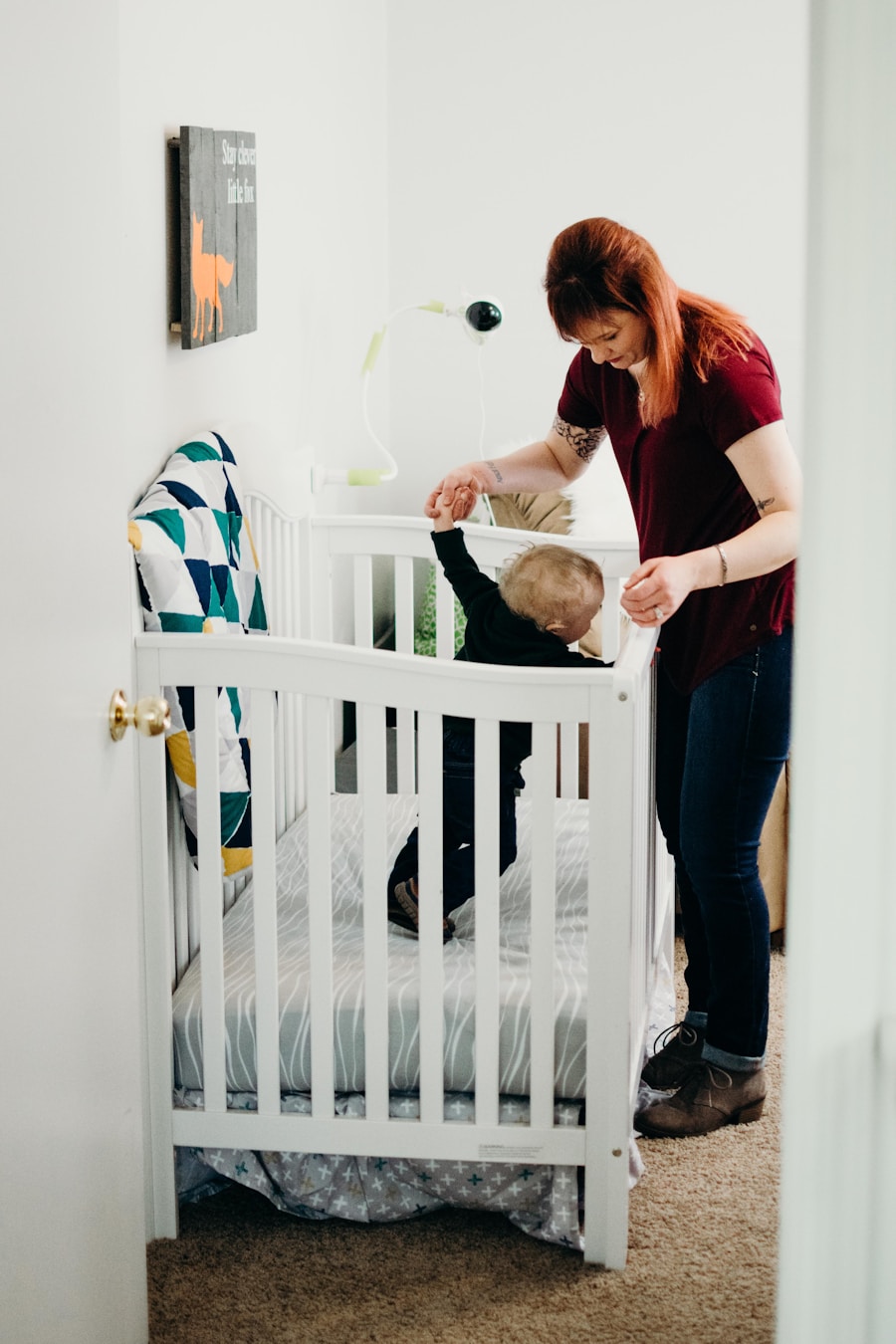
While trends come and go, embracing timeless design elements ensures that your home remains stylish and relevant as your family grows. Classic styles such as neutral color palettes, natural materials, and simple lines can create a foundation that adapts well to changing tastes over time. By investing in quality pieces that stand the test of time, you’ll find it easier to refresh your space with accessories or artwork without needing a complete overhaul.
Additionally, consider incorporating adaptable design elements that allow for personalization as your children grow older. For instance, wall colors can be easily updated with paint or removable wallpaper, allowing you to change the mood of a room without significant investment. Similarly, artwork can be swapped out as your children’s interests evolve.
By focusing on timeless design principles while allowing for flexibility in decor choices, you create a home that feels both enduring and uniquely yours.
Incorporating Technology and Smart Home Features
In today’s fast-paced world, incorporating technology into your home can significantly enhance convenience and safety for your growing family. Smart home features such as programmable thermostats, security systems, and lighting controls allow you to manage your home efficiently while providing peace of mind. For instance, smart locks enable you to monitor who enters your home without needing physical keys—a valuable feature when juggling busy schedules.
Moreover, consider integrating technology into everyday activities to streamline routines. Voice-activated assistants can help manage tasks like setting reminders or playing music while you cook dinner or help with homework. Additionally, smart appliances can simplify chores like laundry or dishwashing, giving you more quality time with your family.
By embracing technology in your home design, you create an environment that supports modern living while enhancing the overall family experience.
Seeking Professional Design Advice and Assistance
As you navigate the complexities of designing a home for a growing family, seeking professional design advice can be invaluable. Interior designers bring expertise in space planning, color theory, and material selection that can help you make informed decisions tailored to your family’s needs. They can provide insights into current trends while ensuring that your design remains functional and timeless.
Working with a professional also allows you to tap into resources you may not have considered on your own. They can recommend reliable contractors for renovations or suggest local artisans for custom furniture pieces that fit perfectly within your vision. By collaborating with an expert, you not only save time but also gain access to creative solutions that enhance the overall aesthetic and functionality of your home.
Ultimately, investing in professional design assistance can lead to a more harmonious living space that truly reflects your family’s unique lifestyle. In conclusion, creating a home that accommodates a growing family involves understanding changing needs, selecting versatile furniture, designing flexible spaces, incorporating smart storage solutions, choosing kid-friendly materials, embracing timeless design elements, integrating technology, and seeking professional advice when necessary. By thoughtfully considering each aspect of your living environment, you can cultivate a nurturing space where every family member feels comfortable and valued as they grow together.
FAQs
What is a design scheme?
A design scheme refers to the overall plan or theme for the interior design of a space, including the choice of colors, materials, furniture, and decor.
How can I create a design scheme that adapts to the changing needs of a growing family or evolving lifestyle?
To create a design scheme that adapts to changing needs, consider using versatile and durable furniture, incorporating flexible storage solutions, choosing neutral or timeless colors, and prioritizing functionality and comfort.
What are some versatile and durable furniture options for a growing family?
Versatile and durable furniture options for a growing family may include modular sofas, extendable dining tables, convertible cribs, bunk beds with trundles, and storage ottomans.
What are flexible storage solutions for a changing family or lifestyle?
Flexible storage solutions may include built-in shelving, adjustable shelving units, storage benches, wall-mounted organizers, and multi-functional furniture with hidden storage compartments.
How can I incorporate neutral or timeless colors into my design scheme?
Incorporate neutral or timeless colors by choosing a neutral color palette for walls and larger furniture pieces, adding pops of color with accessories and accent pieces, and using removable wallpaper or decals for a temporary splash of color.
How can I prioritize functionality and comfort in my design scheme?
Prioritize functionality and comfort by selecting furniture with ergonomic designs, investing in quality mattresses and seating, creating designated activity zones within the space, and allowing for open, flexible layouts that can accommodate various activities.