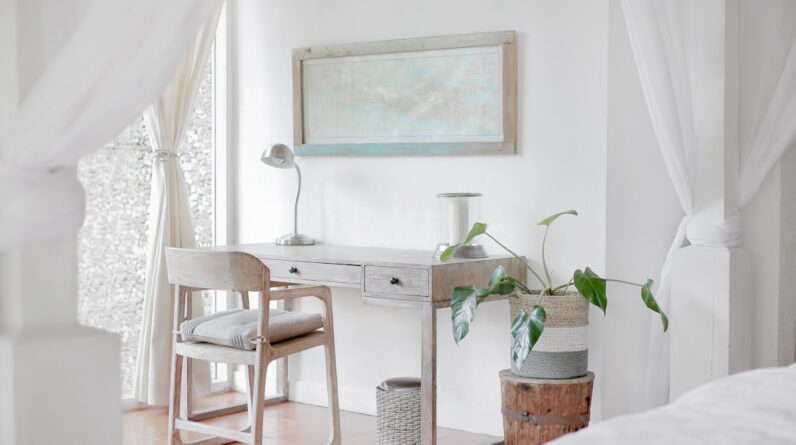
When it comes to establishing a home office, the first and perhaps most crucial step is selecting the right location. You want a space that not only provides you with the necessary privacy to focus but also allows for a seamless transition between your work and personal life. Ideally, you should choose a room or area that is separate from the main living spaces, such as a spare bedroom, basement, or even a quiet corner of your living room.
This separation helps to create a mental boundary between work and home, which can significantly enhance your productivity. Consider the noise levels in your chosen location as well. If you have children or pets at home, a quieter area will help you concentrate better.
Additionally, think about accessibility; you want to ensure that your workspace is easily reachable without being disruptive to others in the household. If possible, try to find a spot with a door that can be closed to minimize distractions. Ultimately, the right location will set the tone for your workday and contribute to your overall efficiency.
Key Takeaways
- Choose a quiet and well-lit area in your home for your office to minimize distractions and maximize productivity.
- Invest in a comfortable and ergonomic chair, a spacious desk, and necessary equipment to create a functional workspace.
- Position your desk near a window to maximize natural light and consider adding task lighting for darker areas of the room.
- Keep your workspace organized and clutter-free by utilizing storage solutions such as shelves, cabinets, and desk organizers.
- Personalize your home office with decor that reflects your style and personality to create a welcoming and inspiring work environment.
Selecting the Right Furniture and Equipment
Once you’ve identified the perfect location for your home office, the next step is to select furniture and equipment that will support your work habits. A comfortable desk and chair are essential; after all, you’ll be spending hours at your workstation. Look for a desk that offers enough surface area for your computer, documents, and any other tools you may need.
An adjustable chair is also vital for maintaining good posture and preventing discomfort during long working hours. In addition to the basics, consider investing in ergonomic accessories such as keyboard trays, monitor stands, and footrests. These items can help you maintain a healthy posture and reduce strain on your body.
Don’t forget about technology; ensure that you have a reliable computer, high-speed internet connection, and any other equipment necessary for your specific job. The right furniture and equipment will not only enhance your comfort but also improve your overall productivity.
Maximizing Natural Light and Proper Lighting
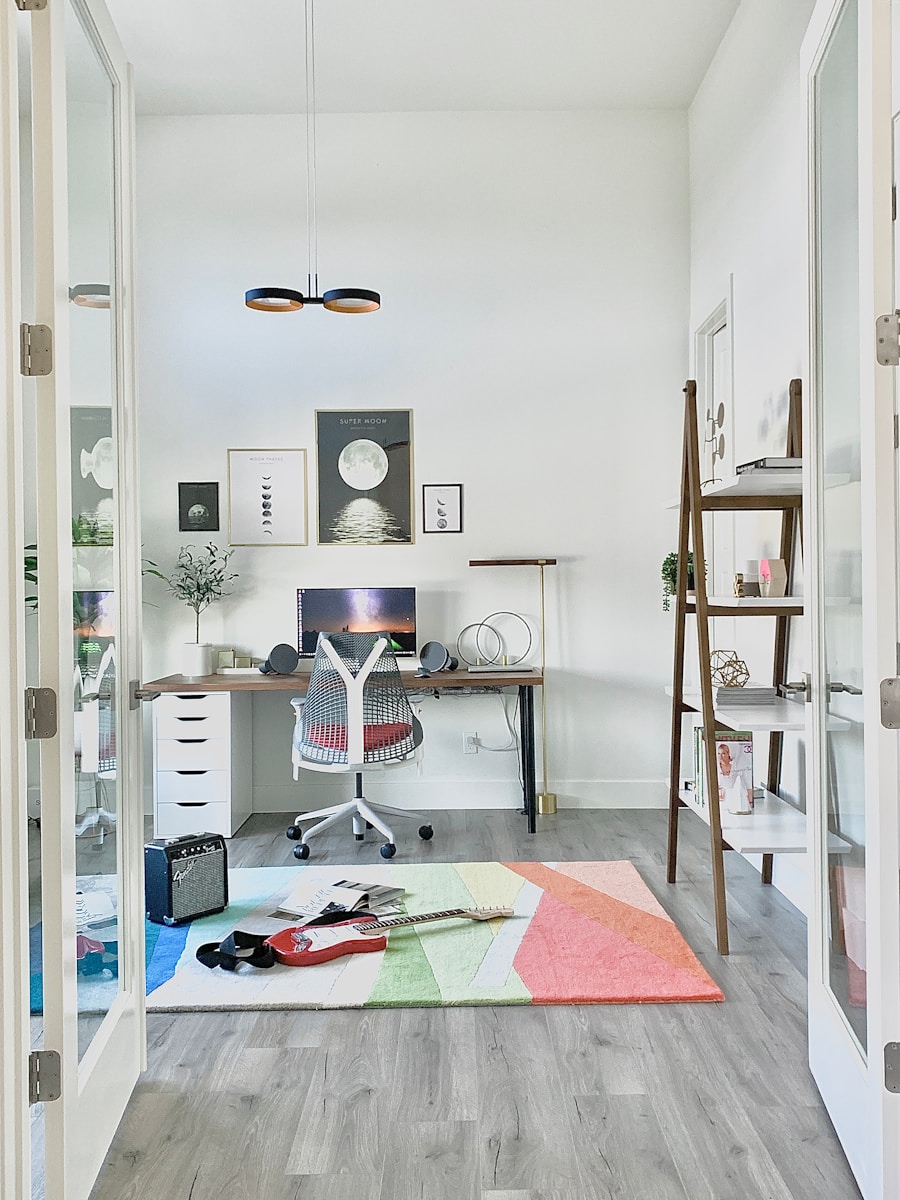
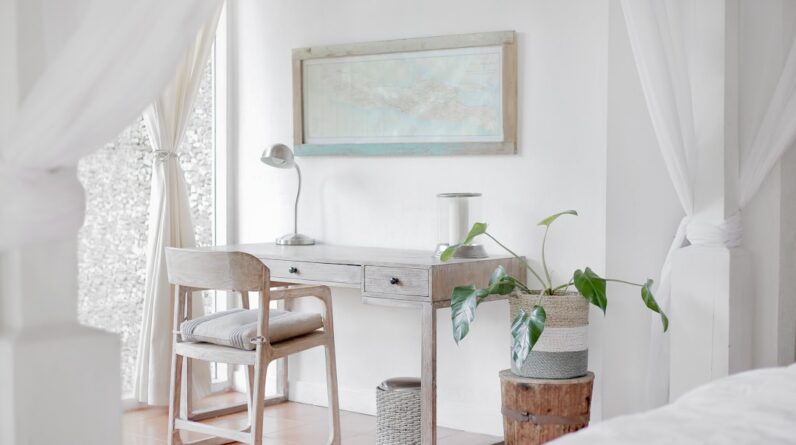
Lighting plays a significant role in creating an inviting and productive workspace. Natural light is particularly beneficial, as it can boost your mood and energy levels throughout the day. When choosing your home office location, try to position your desk near a window if possible.
This way, you can take advantage of sunlight during working hours. However, be mindful of glare on your computer screen; using sheer curtains can help diffuse harsh sunlight while still allowing light to filter in. In addition to natural light, consider incorporating various types of artificial lighting to create a well-lit environment.
A combination of ambient lighting, task lighting, and accent lighting can help you achieve the perfect balance. For instance, desk lamps with adjustable brightness can provide focused light for reading or writing tasks, while overhead lights can illuminate the entire room. Proper lighting not only enhances visibility but also contributes to a more pleasant atmosphere in your home office.
Organizing and Decluttering Your Workspace
An organized workspace is essential for maintaining focus and productivity. Clutter can be distracting and overwhelming, making it difficult to concentrate on your tasks. Start by assessing what items are essential for your daily work routine and what can be stored away or discarded.
Utilize drawer organizers, file cabinets, or shelving units to keep everything in its place. A clean desk not only looks more professional but also helps clear your mind. Consider implementing a system for managing paperwork and digital files as well.
Use labeled folders for physical documents and create a structured filing system on your computer. Regularly review and declutter both your physical and digital spaces to ensure that unnecessary items don’t accumulate over time. By keeping your workspace organized, you’ll find it easier to focus on what truly matters—your work.
Incorporating Personal Touches and Decor
While functionality is key in a home office, personal touches and decor can make the space feel more inviting and reflective of your personality. Consider adding artwork, photographs, or motivational quotes that inspire you. These elements can serve as reminders of your goals and aspirations while also making the environment more enjoyable to spend time in.
Plants are another excellent way to bring life into your workspace. Not only do they improve air quality, but they also add a touch of nature that can enhance your mood and creativity. Choose low-maintenance plants if you’re concerned about upkeep; succulents or snake plants are great options for busy professionals.
By incorporating personal touches into your home office decor, you create an environment that feels uniquely yours—one that motivates you to do your best work.
Creating a Comfortable and Ergonomic Work Environment

Start with a Supportive Chair
Comfort is paramount when setting up your home office, especially if you plan to spend long hours working there. An ergonomic setup is essential for preventing discomfort and promoting good health. Start by ensuring that your chair provides adequate lumbar support; this will help maintain the natural curve of your spine while sitting.
Optimize Your Desk and Monitor
Adjust the height of your desk so that your elbows are at a 90-degree angle when typing. Additionally, consider the positioning of your computer monitor. The top of the screen should be at or just below eye level to prevent neck strain.
Consider Additional Ergonomic Accessories
If you find yourself frequently looking down at documents while typing, invest in a document holder to keep papers at eye level as well. By prioritizing comfort and ergonomics in your workspace design, you’ll create an environment conducive to productivity and well-being.
Incorporating Storage Solutions
Effective storage solutions are vital for keeping your home office organized and clutter-free. Depending on the size of your space, you may need to get creative with how you store supplies and documents. Wall-mounted shelves can save floor space while providing easy access to books or decorative items.
Consider using multi-functional furniture like desks with built-in storage or ottomans that double as storage bins. Don’t overlook vertical space; tall bookshelves or cabinets can help maximize storage without taking up too much room. Use labeled bins or baskets to categorize items such as office supplies, paperwork, or tech accessories.
By incorporating smart storage solutions into your home office design, you’ll ensure that everything has its place, making it easier to maintain an organized workspace.
Considering the Overall Aesthetic and Style of Your Home Office
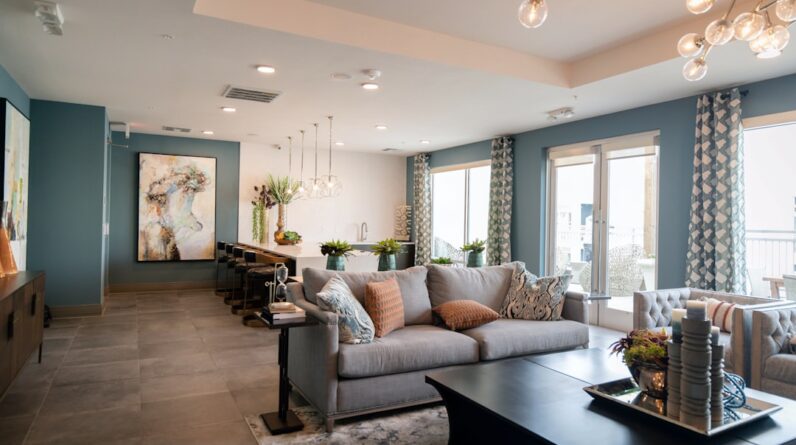
Finally, as you design your home office, think about the overall aesthetic and style you want to achieve. Your workspace should reflect not only your personal taste but also create an atmosphere conducive to productivity. Whether you prefer a modern minimalist look or a cozy traditional vibe, choose colors, materials, and furnishings that align with that vision.
Consider how the design of your home office fits into the rest of your home as well. You want it to feel cohesive with the surrounding spaces while still standing out as a dedicated work area. Pay attention to details such as color schemes, textures, and patterns; these elements can significantly impact how you feel in the space.
By thoughtfully considering the aesthetic of your home office, you’ll create an environment that inspires creativity and focus while seamlessly integrating into your home’s overall design. In conclusion, creating an effective home office involves careful consideration of various factors—from location and furniture selection to lighting and organization. By taking the time to design a space that meets both functional needs and personal preferences, you’ll set yourself up for success in your work-from-home endeavors.
Remember that this is not just about having a place to work; it’s about crafting an environment that fosters productivity, creativity, and comfort every day.
FAQs
What are the key elements to consider when designing a home office?
When designing a home office, it is important to consider factors such as the layout, lighting, storage, and furniture. These elements contribute to creating a functional and comfortable workspace.
How can I optimize the layout of my home office?
To optimize the layout of a home office, consider the placement of the desk, chair, and other furniture to ensure efficient use of space. Additionally, consider factors such as natural light and access to power outlets.
What lighting options are best for a home office?
Good lighting is essential for a home office. Natural light is ideal, so positioning the desk near a window is beneficial. In addition, consider incorporating task lighting, such as a desk lamp, to reduce eye strain.
What are some storage solutions for a home office?
Effective storage solutions for a home office include shelves, cabinets, and drawers to keep the space organized and clutter-free. Consider using vertical storage to maximize space in a smaller home office.
How can I create an aesthetically pleasing home office?
To create an aesthetically pleasing home office, consider incorporating a cohesive color scheme, adding personal touches such as artwork or plants, and selecting furniture and decor that reflects your personal style and enhances the overall ambiance of the space.