In recent years, the conversation surrounding sustainable and eco-friendly design has gained significant momentum. As you become more aware of the environmental challenges facing our planet, you may find yourself drawn to the idea of creating a living space that reflects your values and commitment to sustainability. Sustainable design is not merely a trend; it is a necessary shift towards a more responsible way of living.
By integrating eco-friendly practices into your home, you can contribute to the well-being of the environment while also enhancing your quality of life. Embracing sustainable design means considering the entire lifecycle of the materials and products you choose. From sourcing to disposal, every decision you make can have an impact on the planet.
This approach encourages you to think critically about your consumption habits and the resources you utilize. By prioritizing sustainability in your home, you not only reduce your carbon footprint but also create a healthier living environment for yourself and future generations. As you embark on this journey, you will discover that sustainable design can be both aesthetically pleasing and functional, allowing you to express your personal style while being mindful of the Earth.
Key Takeaways
- Sustainable and eco-friendly design focuses on reducing environmental impact and promoting a healthier living space.
- Choose sustainable materials such as bamboo, reclaimed wood, and recycled glass for a more eco-friendly home.
- Energy-efficient lighting and appliances can help reduce energy consumption and lower utility bills.
- Incorporating indoor plants and natural elements can improve air quality and create a calming atmosphere.
- Install water-saving fixtures and systems to conserve water and reduce water bills in your home.
Choosing Sustainable Materials for Your Home
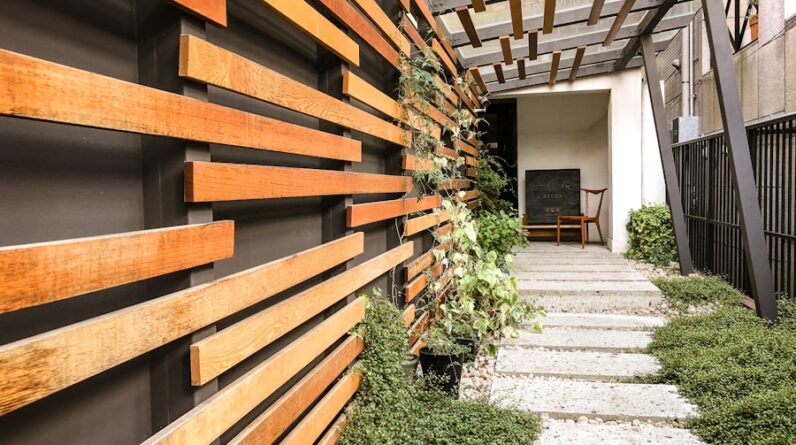
When it comes to sustainable design, the materials you select play a crucial role in minimizing your environmental impact. You might start by exploring options such as reclaimed wood, bamboo, or recycled metal, which are not only eco-friendly but also add unique character to your space. Reclaimed wood, for instance, has a rich history and can bring warmth and charm to any room.
By choosing materials that have been repurposed or sourced sustainably, you contribute to reducing waste and conserving natural resources. In addition to selecting sustainable materials, consider the manufacturing processes behind them. Opt for products that are produced with minimal energy consumption and low emissions.
Certifications such as Forest Stewardship Council (FSC) for wood products or Global Organic Textile Standard (GOTS) for textiles can guide you in making informed choices. By prioritizing these materials, you not only support responsible companies but also ensure that your home is built on a foundation of sustainability.
Energy-efficient Lighting and Appliances
One of the most effective ways to enhance the sustainability of your home is by investing in energy-efficient lighting and appliances. You may already be familiar with LED bulbs, which consume significantly less energy than traditional incandescent bulbs while providing the same level of brightness. By replacing your old light fixtures with energy-efficient options, you can reduce your electricity consumption and lower your utility bills.
Additionally, consider incorporating smart lighting systems that allow you to control brightness and timing through your smartphone or voice commands. When it comes to appliances, look for those with the ENERGY STAR label, which indicates that they meet strict energy efficiency guidelines set by the U.S. Environmental Protection Agency.
These appliances not only save energy but also often come with advanced features that enhance their functionality. For example, energy-efficient refrigerators use less electricity while maintaining optimal cooling performance. By making these upgrades, you can significantly reduce your household’s carbon footprint while enjoying modern conveniences.
Incorporating Indoor Plants and Natural Elements
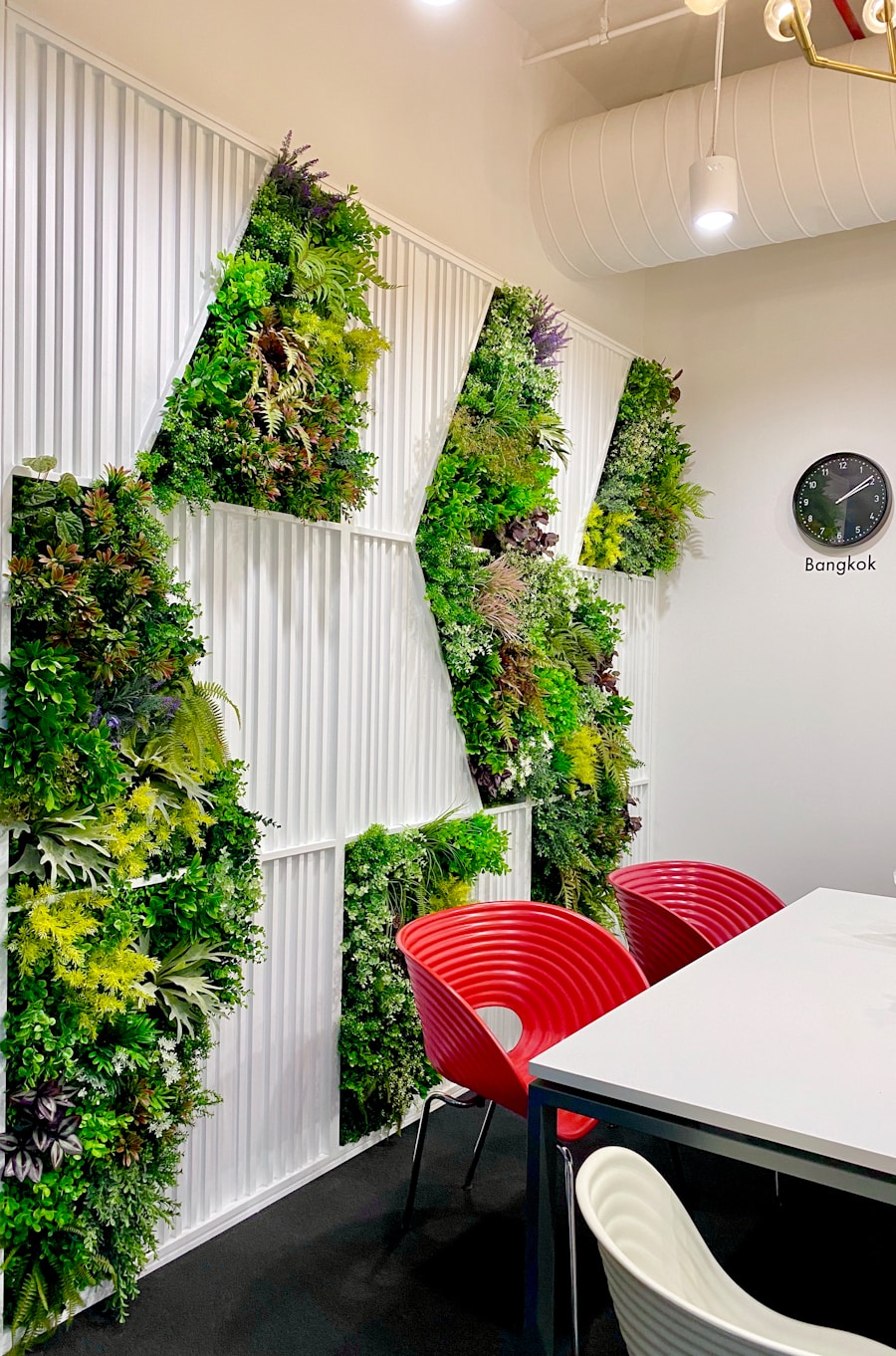
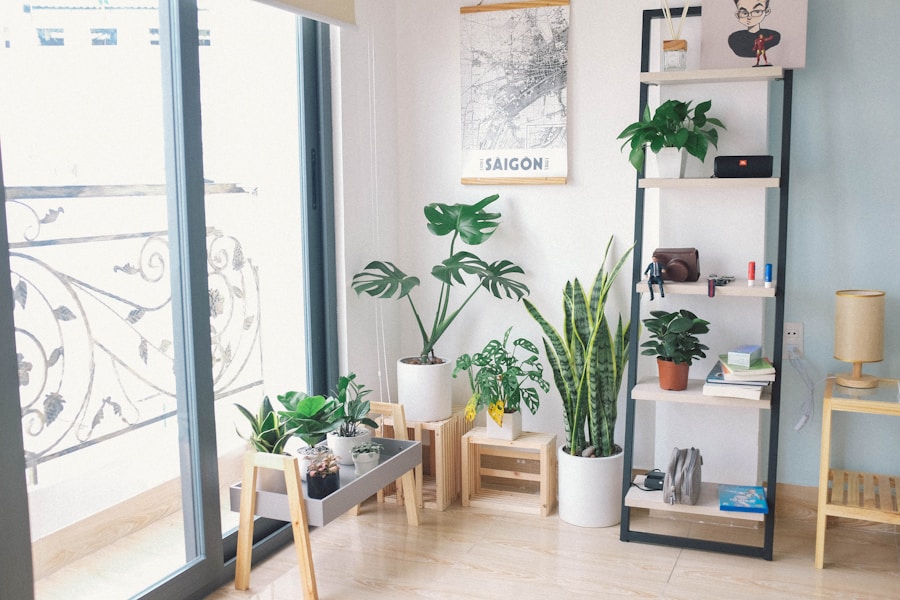
Bringing nature indoors is an essential aspect of sustainable design that can greatly enhance your living space. Indoor plants not only improve air quality by filtering toxins but also create a calming atmosphere that promotes well-being. You might consider incorporating a variety of plants that thrive in your specific environment, such as snake plants or pothos, which are known for their low maintenance needs.
By adding greenery to your home, you create a connection to nature that can uplift your mood and enhance your overall quality of life. In addition to plants, consider using natural elements in your decor. Materials like stone, wood, and clay can add texture and warmth to your space while reinforcing your commitment to sustainability.
You might choose furniture made from sustainably sourced wood or decorative items crafted from recycled materials. By incorporating these elements into your design, you create a harmonious balance between indoor comfort and the beauty of the natural world.
Water-saving Fixtures and Systems
Water conservation is another critical component of sustainable living that you can easily implement in your home. By installing water-saving fixtures such as low-flow faucets, showerheads, and toilets, you can significantly reduce your water consumption without sacrificing performance. These fixtures are designed to maintain water pressure while using less water, making them an excellent choice for eco-conscious homeowners.
Additionally, consider implementing rainwater harvesting systems or greywater recycling systems in your home. These systems allow you to collect rainwater for irrigation or reuse water from sinks and showers for non-potable purposes. By taking these steps, you not only conserve water but also reduce the strain on local water supplies.
As you make these changes, you’ll find that being mindful of water usage can lead to both environmental benefits and cost savings on your utility bills.
Sustainable Furniture and Decor
Sustainable Materials Matter
When it comes to furnishing your home, choosing sustainable furniture and decor is essential for creating an eco-friendly environment. Look for pieces made from responsibly sourced materials or those that utilize recycled components. For instance, furniture crafted from reclaimed wood not only reduces waste but also adds a unique touch to your space with its distinct character and history.
Durability is Key
In addition to material choices, consider the longevity and durability of the furniture you select. Investing in high-quality pieces that stand the test of time reduces the need for frequent replacements, ultimately minimizing waste. You might also explore second-hand options or vintage shops for unique finds that align with your sustainable values.
Curating a Sustainable Collection
By curating a collection of sustainable furniture and decor, you create a stylish yet environmentally conscious home that reflects your personal taste.
Designing for Natural Ventilation and Daylight
Maximizing natural ventilation and daylight in your home is another key aspect of sustainable design that can enhance comfort while reducing energy consumption. You may want to consider strategically placing windows and vents to promote cross-ventilation, allowing fresh air to circulate throughout your space without relying on mechanical systems. This approach not only improves indoor air quality but also creates a more pleasant living environment.
Incorporating large windows or skylights can also help bring natural light into your home, reducing the need for artificial lighting during the day. Natural light has been shown to improve mood and productivity, making it an essential element in any sustainable design plan. As you design your space, think about how you can optimize these features to create a bright and airy atmosphere that connects you with the outdoors.
Tips for Maintaining a Sustainable and Eco-friendly Home
Maintaining a sustainable and eco-friendly home requires ongoing commitment and mindfulness in your daily routines. Start by establishing habits that promote sustainability, such as recycling regularly and composting organic waste. You might also consider reducing single-use plastics by opting for reusable bags, containers, and utensils whenever possible.
Another important aspect of maintaining sustainability is staying informed about new technologies and practices that can further enhance your eco-friendly lifestyle. Regularly assess your energy consumption and look for ways to improve efficiency, whether through upgrading appliances or adjusting habits like turning off lights when leaving a room. By remaining proactive in these efforts, you can ensure that your home continues to reflect your commitment to sustainability while providing a comfortable and inviting space for yourself and others.
In conclusion, embracing sustainable and eco-friendly design is not just about making individual choices; it’s about fostering a lifestyle that prioritizes the health of our planet while enhancing your own well-being. By thoughtfully selecting materials, incorporating natural elements, and implementing energy-efficient practices, you can create a home that aligns with your values and contributes positively to the environment. As you embark on this journey towards sustainability, remember that every small change counts and collectively makes a significant impact on our world.
FAQs
What are sustainable and eco-friendly design elements?
Sustainable and eco-friendly design elements are features and materials that are environmentally responsible and resource-efficient. These elements are designed to minimize the negative impact on the environment and promote a healthier, more sustainable way of living.
What are some examples of sustainable and eco-friendly design elements for the home?
Examples of sustainable and eco-friendly design elements for the home include energy-efficient appliances, LED lighting, low-flow water fixtures, recycled or reclaimed materials, non-toxic paints and finishes, and passive solar design.
How can I integrate sustainable and eco-friendly design elements into my home?
You can integrate sustainable and eco-friendly design elements into your home by choosing energy-efficient appliances, using recycled or reclaimed materials for flooring and furniture, installing low-flow water fixtures, and incorporating passive solar design principles.
What are the benefits of integrating sustainable and eco-friendly design elements into my home?
The benefits of integrating sustainable and eco-friendly design elements into your home include reduced energy and water consumption, lower utility bills, improved indoor air quality, and a smaller carbon footprint. Additionally, sustainable design elements can enhance the overall aesthetic and value of your home.