When embarking on a design project, the first step is to gain a deep understanding of your client’s needs and lifestyle. This process involves engaging in meaningful conversations to uncover their preferences, daily routines, and aspirations for their living space. You should ask questions that delve into how they use their home, what activities are most important to them, and any specific challenges they face in their current environment.
By doing so, you can tailor your design approach to create a space that truly reflects their personality and enhances their quality of life. Moreover, it’s essential to consider the dynamics of the household. Are there children or pets that require special considerations?
Is the client working from home, necessitating a dedicated office space? Understanding these nuances allows you to create a functional layout that accommodates all aspects of their lifestyle. By taking the time to listen and observe, you can ensure that your design not only meets their aesthetic desires but also serves their practical needs, resulting in a harmonious living environment.
Key Takeaways
- Understanding the client’s needs and lifestyle is crucial for creating a personalized and functional design.
- Incorporating functional and versatile furniture allows for flexibility and adaptability in the space.
- Utilizing space-efficient and multi-purpose design elements maximizes the use of available space.
- Selecting durable and low-maintenance materials ensures longevity and ease of upkeep for the design.
- Creating a harmonious color scheme ties the design together and creates a cohesive look and feel.
Incorporating Functional and Versatile Furniture
Maximizing Space with Multi-Purpose Pieces
Once you have a clear understanding of your client’s lifestyle, the next step is to incorporate functional and versatile furniture into the design. This type of furniture is not only aesthetically pleasing but also serves multiple purposes, making it ideal for modern living. For instance, consider selecting a sofa bed for a guest room that can double as a cozy living area during the day.
The Benefits of Modular Furniture
This approach maximizes space while providing comfort and utility. Additionally, modular furniture pieces can be a game-changer in achieving versatility. You might choose items that can be rearranged or reconfigured based on the occasion or need.
Adaptable Furniture for Everyday Life and Special Occasions
For example, a dining table that expands for gatherings or collapses for everyday use can adapt to various situations seamlessly. By prioritizing functional furniture, you ensure that your client’s home remains adaptable and efficient, catering to both everyday life and special occasions.
Utilizing Space-efficient and Multi-purpose Design Elements

In today’s world, where living spaces are often limited, utilizing space-efficient and multi-purpose design elements is crucial. You should focus on creating layouts that maximize every square foot while maintaining an open and inviting atmosphere. This might involve using built-in shelving or wall-mounted storage solutions that free up floor space while providing essential storage.
Moreover, consider incorporating furniture that serves dual purposes. For instance, an ottoman with hidden storage can provide extra seating while keeping clutter at bay. You might also explore the use of foldable or stackable furniture that can be easily stored away when not in use.
By integrating these space-efficient elements into your design, you create a home that feels spacious and organized, allowing your clients to enjoy their environment without feeling overwhelmed by their belongings.
Selecting Durable and Low-maintenance Materials
When it comes to selecting materials for your design project, durability and low maintenance should be at the forefront of your decision-making process. Clients often seek materials that can withstand the test of time while requiring minimal upkeep. For instance, opting for high-quality fabrics that are stain-resistant can be particularly beneficial in homes with children or pets.
This choice not only enhances the longevity of the furnishings but also ensures that your clients can enjoy their space without constant worry about wear and tear. Additionally, consider materials that are easy to clean and maintain. For example, quartz countertops offer the beauty of natural stone without the need for regular sealing, making them an excellent choice for busy kitchens.
Similarly, choosing flooring options like luxury vinyl or tile can provide both aesthetic appeal and practicality, as they are resistant to scratches and spills. By prioritizing durable and low-maintenance materials, you create a home that remains beautiful and functional for years to come.
Creating a Harmonious Color Scheme
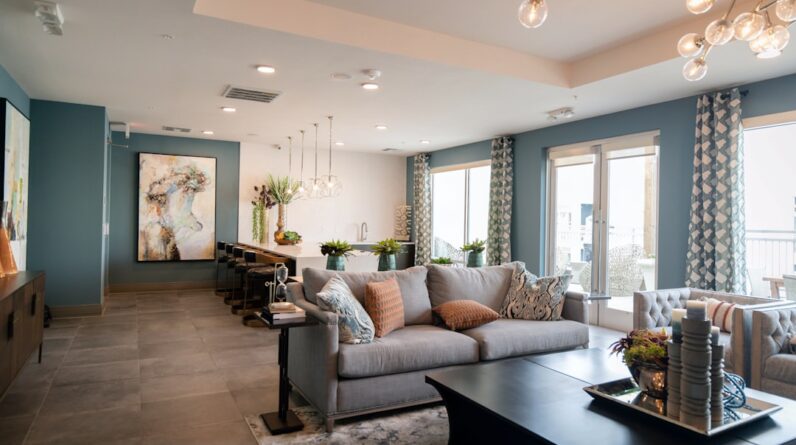
A well-thought-out color scheme can significantly impact the overall ambiance of a space. When working with clients, it’s essential to create a harmonious palette that reflects their personality while promoting a sense of tranquility and cohesion throughout the home. Start by discussing their favorite colors and any existing elements they wish to incorporate into the design.
This collaborative approach ensures that the final result resonates with them on a personal level. As you develop the color scheme, consider the psychological effects of different hues. Soft neutrals can create a calming atmosphere, while bold colors can energize a space.
You might choose to use accent walls or decorative elements to introduce pops of color without overwhelming the overall design. By carefully curating a harmonious color palette, you enhance the aesthetic appeal of the home while creating an environment that feels inviting and comfortable.
Balancing Natural and Artificial Lighting

Lighting plays a pivotal role in shaping the mood and functionality of any space. As you design your client’s home, it’s crucial to strike a balance between natural and artificial lighting sources. Begin by assessing the layout of windows and how they interact with sunlight throughout the day.
You may want to maximize natural light by using sheer window treatments or strategically placing mirrors to reflect light deeper into the room. In addition to natural light, consider how artificial lighting can complement the overall design. Layering different types of lighting—ambient, task, and accent—can create depth and versatility within a space.
For instance, pendant lights over a dining table can provide focused illumination while wall sconces add warmth and character to living areas. By thoughtfully balancing natural and artificial lighting, you create an inviting atmosphere that enhances both functionality and aesthetics.
Incorporating Storage Solutions
Effective storage solutions are essential for maintaining an organized and clutter-free home. As you work with your clients, it’s important to identify areas where storage can be integrated seamlessly into the design. Built-in cabinetry or shelving units can provide ample storage while enhancing the overall aesthetic of the space.
You might also explore under-bed storage options or multi-functional furniture pieces that offer hidden compartments for stowing away items. Additionally, consider utilizing vertical space for storage by incorporating tall bookshelves or wall-mounted organizers. This approach not only maximizes available space but also draws the eye upward, creating an illusion of height in smaller rooms.
By prioritizing innovative storage solutions, you empower your clients to keep their homes tidy and functional without sacrificing style.
Integrating Technology for Convenience and Efficiency
In today’s fast-paced world, integrating technology into home design is more important than ever. As you work with your clients, consider how smart home devices can enhance convenience and efficiency in their daily lives. From smart thermostats that optimize energy usage to automated lighting systems that adjust based on occupancy, technology can significantly improve comfort and functionality.
Moreover, think about how technology can be seamlessly integrated into the design without compromising aesthetics. For instance, you might choose to conceal wiring for audio-visual equipment within custom cabinetry or opt for smart appliances that blend seamlessly with kitchen decor. By thoughtfully incorporating technology into your design, you create a modern living environment that caters to your clients’ needs while enhancing their overall experience at home.
In conclusion, designing a home that meets your client’s needs requires careful consideration of various elements—from understanding their lifestyle to integrating technology for convenience. By focusing on functional furniture, space-efficient designs, durable materials, harmonious color schemes, balanced lighting, effective storage solutions, and modern technology, you can create a living space that is not only beautiful but also practical and tailored to their unique way of life. Your role as a designer is to weave these elements together into a cohesive narrative that reflects your client’s personality while enhancing their everyday experience in their home.
FAQs
What is the role of an interior designer?
An interior designer is responsible for creating functional and aesthetically pleasing interior spaces for clients. They consider factors such as layout, color scheme, furniture selection, and lighting to achieve the desired look and feel of a space.
How do interior designers balance aesthetics and practicality in their designs?
Interior designers balance aesthetics and practicality by carefully considering the functionality of a space while also incorporating elements of design that enhance its visual appeal. This may involve selecting furniture that is both stylish and comfortable, choosing durable materials that are also visually appealing, and optimizing the layout for both beauty and usability.
What are some strategies interior designers use to achieve a balance between aesthetics and practicality?
Interior designers may use strategies such as space planning to ensure efficient use of space, selecting multi-functional furniture pieces, incorporating storage solutions to maintain a clutter-free environment, and choosing durable and easy-to-maintain materials that also contribute to the overall design aesthetic.
Why is it important for interior designers to balance aesthetics and practicality?
Balancing aesthetics and practicality is important because it ensures that the design not only looks good but also functions well for the people using the space. A well-balanced design enhances the overall experience of the space and contributes to the well-being and satisfaction of its occupants.