How Do Interior Designers Use Scale And Proportion In Their Designs?
When you step into a beautifully designed space, you might wonder what makes it feel just right. One key factor that interior designers consider is scale and proportion. These two concepts work in harmony to create visually pleasing environments that are not only functional but also inviting. In this article, you’ll explore the fascinating world of scale and proportion, and how they contribute to exceptional interior designs.
Understanding Scale in Interior Design
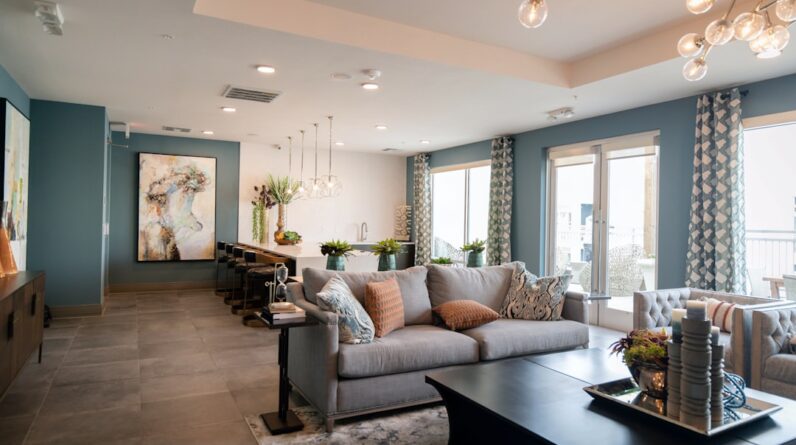
Scale refers to the size of objects within a space in relation to one another and to the overall dimensions of the room itself. It’s about the relationship between the items you choose for your interior and how they fit within the context of the space. For instance, a large sofa might look magnificent in a spacious living room, while it could overwhelm a small apartment if placed there.
As you delve deeper into the concept of scale, consider how it can affect your perception of a room. Larger-scale items can create a sense of grandeur, while smaller-scale furnishings may promote a more intimate feel. Interior designers carefully select the scale of each piece to ensure balance and harmony throughout the space, allowing you to experience a seamless flow as you move from one area to another.
Unraveling Proportion
While scale deals with size, proportion refers to the relationship between the different elements within a space. Proportion considers the dimensions of objects in relation to one another. Think of it this way: if an oversized armchair sits next to a tiny side table, the relationship between their sizes might feel off, leading to discomfort in the overall design.
When you look more closely at proportion, you’ll find that it encompasses more than just furniture. It applies to architectural features, artwork, and even color palettes. Effective proportion is essential for creating a cohesive look that is easy on the eyes and invites relaxation. As you explore various designs, pay attention to how objects relate to one another and how that relationship affects your experience in the space.
The Harmonious Dance of Scale and Proportion
Scale and proportion often work together like an exceptional duet in an orchestra, each element enhancing the other. Consider a space filled with a mix of various furniture sizes. A large, dramatic piece might serve as a focal point, while smaller items can add interest and detail without being overpowering. When designers strike the right balance between scale and proportion, they create a visually stunning environment that resonates with you on an emotional level.
The concept of harmony in design isn’t just about aesthetic appeal; it also impacts how you use the space. For instance, an office designed with appropriately scaled desks and chairs can promote productivity, while a living room that balances larger and smaller elements invites relaxation and conversation. As you think about your own spaces, consider how the balance of scale and proportion can enhance your everyday experiences.

The Importance of Context
The context in which design elements are placed is critical in determining how scale and proportion function within a space. Factors such as ceiling height, room shape, and surrounding architectural features all influence design choices. If you live in a studio apartment, for instance, your selection of furniture and decor will differ dramatically from someone residing in a sprawling house with high ceilings.
Designers also take into account the cultural context of a space, as style preferences can vary from one region to another or from one generation to the next. Understanding the context allows you to create a design that feels cohesive and appropriate. That way, your environment tells a coherent story that aligns with your tastes while accommodating the principles of scale and proportion.
Visual Weight and Balance
When selecting elements for your interior, consider the visual weight of items. This concept relates to how heavy or light an object appears, regardless of its actual physical weight. For example, a large, dark-colored sofa might carry more visual weight than a similarly sized light-colored one. This concept becomes especially important when designing a space with various sizes, colors, and materials.
Balancing visual weight helps to avoid an off-center look that might make you feel uneasy in the space. For instance, if you have a heavy-looking piece of furniture on one side of the room, you’ll want to add a contrasting item that can counterbalance that weight. This doesn’t mean you need to match item for item—rather, it’s about creating a sense of equilibrium that feels natural and pleasing.
Creating Focal Points
In any design, creating focal points is essential, and scale and proportion play a critical role in achieving this. A focal point draws your attention and can dramatically influence how you perceive a space. Whether it’s a piece of artwork, an architectural feature, or a grand piece of furniture, a well-chosen focal point can anchor the room.
Interior designers often manipulate scale and proportion to emphasize these focal points. A grand chandelier can become the star of the room while smaller accents lead the eye toward it. To make the most of your space, consider how you might introduce focal points and how the scale and proportion of those elements can enhance your chosen design narrative.

The Rule of Thirds in Interior Design
Many designers apply the “Rule of Thirds,” a concept borrowed from photography and art. This guideline suggests that dividing a space into three equal sections—both horizontally and vertically—can help achieve balance and proportion. When placing furniture or artwork, designers often aim to align these elements along the intersections or lines of the grid.
This rule encourages you to think about how items are arranged within your living space. Rather than placing a sofa perfectly centered against a wall, you might consider angling it slightly or grouping it with other elements to create dynamic visual interest. By breaking away from rigid symmetry, the Rule of Thirds fosters movement and energy within the design, inviting you to explore and engage with your surroundings.
Scale and Proportion in Color Selection
While scale and proportion are frequently associated with the physical dimensions of objects, they also extend into the realm of color selection. Color can significantly affect how you perceive scale—the right hue can make a room seem larger or smaller. Lighter colors often create a sense of openness, while darker shades may encase you, making the space feel cozier.
When designing, consider how colors interact with one another in terms of scale and proportion. A bold, large-scale print on a sofa can become a statement piece that influences the entire room’s feel. In contrast, smaller patterns used in accessories can steer the attention without overwhelming the space. As you think about your interiors, envision how the color palette coordinates with your choices in scale and proportion.
Furniture Arrangement and Flow
The way furniture is arranged affects not only the aesthetic appeal but also the flow of the space. When arranging furniture, it’s essential to consider scale and proportion to ensure that movement through the area is unobstructed. You should be able to navigate the room comfortably without feeling crowded or confined.
Consider the space around furniture pieces. A large sectional may require ample surrounding space for easy access, while smaller, multi-functional pieces can maximize room flow. Interior designers expertly consider these factors to create layouts that promote a sense of ease and comfort. When arranging your own space, visualize how you’ll use it; this can guide your decisions about scale, proportion, and placement.
Layering for Depth and Interest
Layering is another fantastic technique that helps to play with scale and proportion in an interior design. When you layer different elements, such as textures, colors, and patterns, you create depth and visual intrigue. This not only enhances the aesthetic appeal but can also establish a tactile experience in the space.
For example, when designing a living room, consider layering different textiles—such as a large area rug, throw pillows, and blankets—that have varying sizes and textures. A large, plush rug can anchor the room while smaller, patterned accents add personality and warmth. This layering effect invites exploration, encouraging you to interact with the space in a way that feels natural and comfortable.
The Role of Architectural Elements
Architectural features should never be overlooked when considering scale and proportion. Windows, doors, and even built-in shelving all contribute to the character of a space. Designers must assess these elements as part of the design process to ensure that furniture and other decor complement rather than conflict with them.
For instance, tall ceilings might afford you the luxury of higher furniture or statement-making artwork. Conversely, in a space with lower ceilings, you may want to choose lower-profile furniture to avoid a cramped feeling. Paying attention to the architectural canvas allows you to create a design that feels fluid and harmonious, respecting the existing proportions and scale within the room.
The Psychology of Scale and Proportion
It’s fascinating how the principles of scale and proportion can tap into the psychology of a space. Different scales can evoke various emotions and feelings. For instance, a room filled with oversized furniture may communicate a sense of grandeur and luxury, while an intimate setting with smaller, carefully chosen pieces fosters warmth and comfort.
As you immerse yourself in your space, think about how it makes you feel and whether that aligns with your intentions. Are you seeking productivity, relaxation, or something else? By understanding how scale and proportion influence psychology, you can better design spaces that fulfill your needs on both a functional and emotional level.
Practical Tips for Using Scale and Proportion
Now that you have a deeper understanding of scale and proportion, you’re likely eager to apply these concepts in your own spaces. Here are some practical tips to guide you:
-
Measure Your Space: A critical first step is to know the dimensions of your room. This information can help you select pieces that fit well.
-
Consider Furniture Height: Keep ceiling height in mind when choosing furniture. Taller items can create a sense of elegance, while lower-profile pieces can make a room feel more casual.
-
Mix and Match: Don’t be afraid to mix different scales. Play with large pieces and smaller accessories for a more dynamic design.
-
Visualize Layouts: Before settling on a final arrangement, visualize how it will feel. You can sketch ideas or even use interior design software to help you decide.
-
Trust Your Instincts: Ultimately, your personal feelings about a space matter most. Trust your instincts and the emotional responses that different arrangements prompt within you.
Conclusion
Understanding how interior designers use scale and proportion is vital to creating spaces that are not just functional, but also beautiful and emotionally resonant. By considering these principles, you can enhance your own interiors, creating harmony, balance, and a sense of comfort. As you explore design choices, remember that it’s not merely about following trends but about creating an environment that reflects who you are.
So, as you embark on your design journey, play with scale and proportion to discover what feels right in your space. Share your thoughts, clap for this article if you found the information helpful, and drop a comment to let me know your ideas! Don’t forget to subscribe to my Medium newsletter for more updates on all things design!