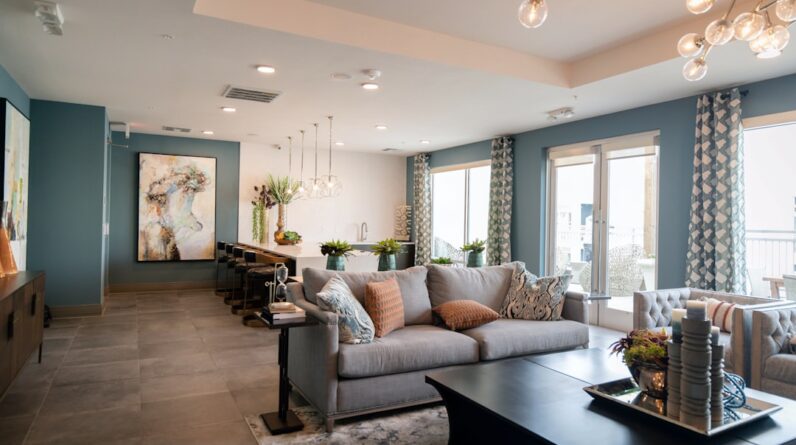
In contemporary design, open spaces have emerged as a fundamental element that shapes how you experience your environment. These areas foster a sense of freedom and connectivity, allowing for fluid movement and interaction among inhabitants. When you step into an open space, you often feel an immediate sense of relief and possibility, as the absence of walls and barriers invites creativity and collaboration.
This design philosophy reflects a broader cultural shift towards valuing transparency and community, where the boundaries between different functions of living—such as cooking, dining, and socializing—are blurred. Moreover, open spaces can significantly enhance the functionality of a home or office. They allow for natural light to permeate throughout the area, creating a warm and inviting atmosphere.
You may find that the interplay of light and space can elevate your mood and productivity. In addition, open layouts can make smaller areas feel larger, providing a sense of expansiveness that is often lacking in more traditional designs. This approach not only caters to aesthetic preferences but also aligns with modern lifestyles that prioritize flexibility and adaptability in living environments.
Key Takeaways
- Open spaces in contemporary design promote a sense of freedom and connection with the environment.
- Privacy is essential for creating a comfortable living environment and maintaining personal boundaries.
- Finding the right balance between openness and privacy is crucial for a harmonious living space.
- Design elements such as room dividers and curtains can be used to create privacy in open spaces.
- Flexible and multi-functional furniture can be incorporated to provide privacy and adapt to different needs.
The Role of Privacy in Creating a Comfortable Living Environment
While open spaces are celebrated for their liberating qualities, privacy remains an essential component in crafting a comfortable living environment. You may appreciate the need for personal space, where you can retreat from the hustle and bustle of daily life. Privacy allows you to recharge, reflect, and engage in activities without the constant presence of others.
It is this balance between openness and seclusion that ultimately defines your experience within a space. Incorporating privacy into your living environment can also enhance your sense of security. When you feel that your personal space is respected, you are more likely to relax and enjoy your surroundings.
This is particularly important in shared living situations or open-plan designs, where the lack of physical barriers can sometimes lead to feelings of exposure or discomfort. By thoughtfully considering how to integrate privacy into your design choices, you can create a sanctuary that nurtures both your social interactions and your need for solitude.
Finding the Right Balance Between Openness and Privacy

Striking the right balance between openness and privacy is crucial in contemporary design. You may find that too much openness can lead to a chaotic environment, while excessive privacy can create feelings of isolation. The key lies in understanding how these two elements can coexist harmoniously within your space.
This balance allows you to enjoy the benefits of both worlds—an inviting atmosphere that encourages socialization while still providing areas for personal retreat. To achieve this equilibrium, consider how different zones within your space can serve distinct purposes. For instance, you might designate certain areas for communal activities, such as a spacious living room or kitchen, while creating more intimate nooks for quiet reflection or work.
By using furniture arrangements, room dividers, or even changes in flooring materials, you can delineate these spaces without sacrificing the overall openness of your design. This thoughtful approach ensures that you can enjoy the vibrancy of an open layout while still feeling secure in your personal sanctuary.
Utilizing Design Elements to Create Privacy in Open Spaces
Incorporating specific design elements can effectively enhance privacy within open spaces without compromising their airy feel. You might consider using strategic placement of furniture to create natural barriers that delineate different areas. For example, a well-placed bookshelf or a sofa can act as a visual divider, subtly guiding movement while providing a sense of enclosure.
This method allows you to maintain an open flow while still enjoying pockets of privacy. Another effective strategy is to use architectural features such as partial walls or screens. These elements can provide separation without completely closing off spaces, allowing light to filter through while still offering a degree of seclusion.
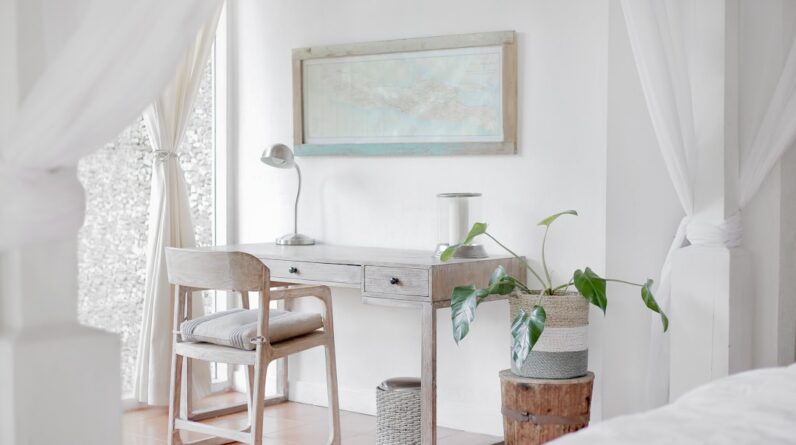
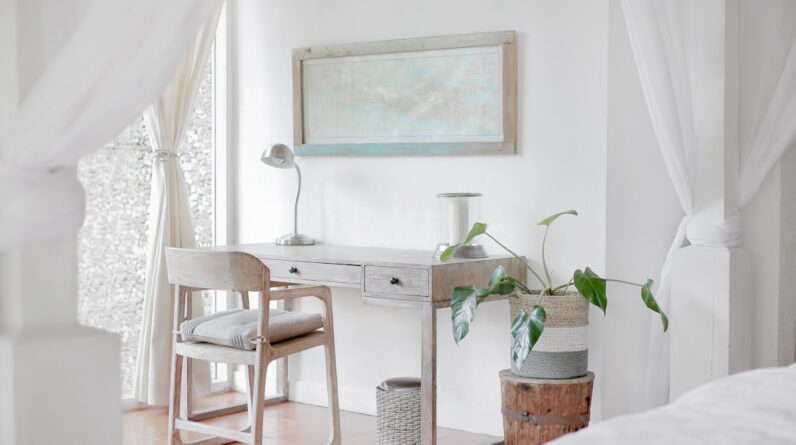
You may also explore the use of curtains or sliding panels that can be opened or closed as needed, giving you control over your environment based on your current needs. By thoughtfully integrating these design elements, you can create a dynamic space that adapts to your lifestyle while ensuring that privacy remains a priority.
Incorporating Flexible and Multi-functional Furniture for Privacy
The rise of flexible and multi-functional furniture has revolutionized how you can approach privacy in open spaces. With innovative designs that serve multiple purposes, you can maximize both functionality and comfort in your living environment. For instance, consider investing in modular furniture that can be rearranged to create different configurations based on your needs.
A sofa that transforms into a bed or a coffee table with hidden storage can provide versatility while also allowing for moments of privacy when required. Additionally, furniture pieces with built-in screens or partitions can offer an extra layer of separation without overwhelming the space. You might find that a stylish room divider not only enhances the aesthetic appeal but also creates distinct zones for relaxation or work.
This adaptability is particularly beneficial in smaller homes or apartments where every square foot counts. By choosing furniture that prioritizes flexibility, you empower yourself to curate an environment that meets your evolving needs for both openness and privacy.
The Use of Natural Elements to Create Privacy in Open Spaces

Integrating natural elements into your design can significantly enhance privacy while maintaining an open atmosphere. Plants are an excellent choice for creating visual barriers without obstructing light or airflow. You might consider using tall potted plants or vertical gardens to define spaces within an open layout.
These natural features not only provide privacy but also contribute to improved air quality and a calming ambiance. In addition to plants, incorporating water features or natural materials like wood and stone can further enhance the sense of tranquility in your space. You may find that the soothing sounds of water or the warmth of natural textures create an inviting environment that encourages relaxation and reflection.
By thoughtfully incorporating these elements, you can cultivate a harmonious balance between openness and privacy that resonates with your personal style and well-being.
Implementing Technology to Enhance Privacy in Open Spaces
As technology continues to evolve, it offers innovative solutions for enhancing privacy in open spaces. Smart home systems allow you to control various aspects of your environment with ease, including lighting, sound, and even window treatments. You might consider installing automated blinds that can be adjusted at the touch of a button, providing instant privacy when needed while still allowing for openness during social gatherings.
Additionally, soundproofing technology can play a crucial role in creating a comfortable living environment within open spaces. Acoustic panels or sound-absorbing materials can help minimize noise pollution from adjacent areas, allowing you to enjoy peace and quiet even in bustling environments. By leveraging these technological advancements, you can create a space that feels both modern and private, catering to your lifestyle needs while embracing the benefits of contemporary design.
Considering the Psychological Impact of Open Spaces and Privacy in Design
The psychological impact of open spaces and privacy cannot be overstated in contemporary design. You may find that the way your environment is structured influences not only your mood but also your overall well-being. Open spaces often promote feelings of freedom and creativity; however, they can also lead to overstimulation if not balanced with areas for retreat.
Understanding this dynamic is essential for creating a space that nurtures both social interaction and personal reflection. Moreover, the need for privacy is deeply rooted in human psychology. When you have access to private areas within an open layout, it fosters a sense of control over your environment—an essential aspect of mental well-being.
You may feel more at ease knowing that you have spaces where you can escape from external pressures or distractions. By thoughtfully considering these psychological factors in your design choices, you can create an environment that supports both connection and solitude, ultimately enhancing your quality of life. In conclusion, navigating the interplay between open spaces and privacy is crucial in contemporary design.
By understanding their importance and implementing thoughtful strategies—such as utilizing design elements, incorporating flexible furniture, integrating natural features, leveraging technology, and considering psychological impacts—you can create a harmonious living environment that caters to both your social needs and personal sanctuary desires. Embracing this balance will not only enhance your daily experiences but also contribute to a more fulfilling lifestyle overall.
FAQs
What is the importance of open spaces in contemporary design?
Open spaces in contemporary design are important for creating a sense of openness, connectivity, and flow within a space. They can also promote natural light, ventilation, and a feeling of spaciousness.
Why is privacy important in contemporary design?
Privacy is important in contemporary design to provide individuals with a sense of security, comfort, and personal space. It also allows for the separation of different functions within a space and can contribute to a sense of tranquility and relaxation.
How can open spaces and privacy be balanced in contemporary design?
Open spaces and privacy can be balanced in contemporary design through the use of architectural elements, furniture placement, and strategic design techniques. This can include the use of partitions, screens, landscaping, and thoughtful layout planning to create zones of privacy within an open space.
What are some design strategies for incorporating privacy in open spaces?
Design strategies for incorporating privacy in open spaces can include the use of sliding doors, room dividers, curtains, and furniture arrangements to create separate areas within a larger space. Additionally, the use of landscaping, such as hedges or trees, can provide natural privacy barriers in outdoor open spaces.
How does contemporary design address the need for both open spaces and privacy?
Contemporary design addresses the need for both open spaces and privacy by prioritizing flexibility and adaptability in design solutions. This can involve the use of movable partitions, multifunctional furniture, and adaptable layouts to allow for the seamless transition between open and private spaces as needed.