You may have noticed a significant shift in the way spaces are designed, particularly in urban environments. The rise of industrial interior design can be traced back to the late 20th century when abandoned warehouses and factories began to be repurposed into trendy lofts and studios. This movement was not merely about aesthetics; it was a response to the need for affordable living spaces in cities where real estate prices were skyrocketing.
As you explore this style, you’ll find that it celebrates the raw, unrefined beauty of materials and structures, showcasing elements like exposed brick, steel beams, and concrete floors. As you delve deeper into industrial design, you’ll discover that it embodies a sense of history and authenticity. The charm of this style lies in its ability to tell a story through its elements.
Each scratch on a metal surface or crack in a wall adds character and depth to the space. This design philosophy encourages you to embrace imperfections, allowing you to create an environment that feels lived-in and genuine. The rise of industrial interior design has not only transformed individual homes but has also influenced commercial spaces, with many restaurants and cafes opting for this aesthetic to create a unique atmosphere that attracts patrons.
Key Takeaways
- Industrial interior design has risen in popularity due to its raw and unfinished aesthetic, reminiscent of old factories and warehouses.
- Contemporary design has influenced industrial interior design by adding sleek and modern elements to the raw and rugged industrial style.
- Blending industrial and contemporary elements involves combining raw materials and clean lines with modern furniture and accessories.
- Incorporating raw materials and clean lines is key to achieving an industrial-contemporary look, using materials such as metal, wood, and concrete.
- Embracing minimalism and functionality is essential in industrial-contemporary design, focusing on simplicity and practicality in furniture and decor.
The Influence of Contemporary Design
The Emphasis on Simplicity and Functionality
As you delve into contemporary design, you’ll find that it places a strong emphasis on functionality. This style often incorporates modern technology and sustainable practices, making it a popular choice for those who value both aesthetics and environmental responsibility.
Influence on Daily Life and Architectural Styles
The influence of contemporary design can be seen in various aspects of daily life, from furniture choices to architectural styles. In your journey through contemporary design, you may find that it often serves as a counterpoint to more traditional styles.
Creating Visually Striking and Functional Spaces
This juxtaposition creates a dynamic interplay between the two styles, allowing you to create spaces that are both visually striking and highly functional. By understanding the principles of contemporary design, you can enhance your own living or working environment, making it feel more spacious and inviting while still retaining the character that industrial elements provide.
Blending Industrial and Contemporary Elements
As you consider how to blend industrial and contemporary elements in your space, think about the unique characteristics each style brings to the table. Industrial design thrives on its ruggedness, while contemporary design emphasizes sleekness and minimalism. By thoughtfully combining these two styles, you can create an environment that feels both modern and timeless.
For instance, pairing a minimalist sofa with an industrial coffee table made from reclaimed wood can create a striking focal point in your living room. When blending these styles, it’s essential to maintain a cohesive vision throughout your space. You might choose to incorporate industrial lighting fixtures—such as pendant lights with exposed bulbs—while keeping your walls painted in soft, neutral tones typical of contemporary design.
This approach allows you to highlight the beauty of raw materials without overwhelming the senses. As you experiment with different combinations, remember that balance is key; too much of one style can overshadow the other, so aim for harmony in your choices.
Incorporating Raw Materials and Clean Lines
Incorporating raw materials into your design is one of the hallmarks of industrial style. You might consider using materials like reclaimed wood, metal, and concrete to create an authentic atmosphere that speaks to the history of the space. These elements not only add texture but also evoke a sense of warmth and character that can make your home feel inviting.
For example, a reclaimed wood dining table can serve as a stunning centerpiece while also providing a conversation starter for guests. On the other hand, clean lines are essential in contemporary design. You may want to focus on furniture pieces that feature geometric shapes and smooth surfaces.
This contrast between the ruggedness of raw materials and the sleekness of clean lines can create a visually appealing environment. When designing your space, think about how these elements interact with one another; for instance, pairing a sleek metal chair with a rough-hewn wooden table can create an intriguing visual dialogue that enhances the overall aesthetic.
Embracing Minimalism and Functionality
Minimalism is a core principle of contemporary design that emphasizes simplicity and functionality. As you embrace this philosophy in your own space, consider decluttering and removing unnecessary items that do not serve a purpose or bring you joy. This approach not only creates a more serene environment but also allows the beauty of your industrial elements to shine through.
You might find that by simplifying your decor, you can better appreciate the unique textures and forms present in your space. Functionality is equally important when merging industrial and contemporary styles. You may want to choose furniture pieces that are not only aesthetically pleasing but also serve multiple purposes.
For example, an industrial-style coffee table with built-in storage can help keep your living area organized while adding character to the room. By prioritizing functionality alongside minimalism, you can create a space that is both beautiful and practical, allowing you to enjoy your surroundings without feeling overwhelmed by clutter.
Finding the Balance Between Old and New
Integrating Vintage and Modern Elements
You may want to incorporate vintage or antique pieces that reflect the history of industrial design while also integrating modern elements that provide a fresh perspective. For instance, an antique metal filing cabinet can serve as both a functional storage solution and a nod to the industrial past, while sleek modern artwork can add a contemporary touch to your walls.
Curating a Unique Environment
As you navigate this balance, consider how each piece contributes to the overall narrative of your space. You might find that certain vintage items resonate more with your personal style than others, allowing you to create a unique environment that reflects your tastes.
Achieving a Harmonious Blend
By thoughtfully curating your collection of old and new elements, you can achieve a harmonious blend that feels cohesive and intentional.
Industrial and Contemporary Color Palettes
Color plays a vital role in defining the atmosphere of any space. In industrial design, you’ll often find muted tones such as grays, browns, and blacks that reflect the raw materials used in construction. These colors can create a moody yet sophisticated backdrop for your space.
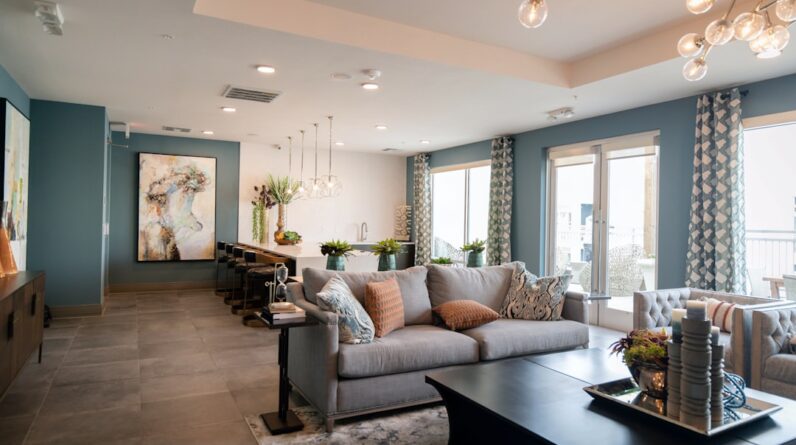
On the other hand, contemporary design often embraces brighter hues or monochromatic schemes that evoke a sense of freshness and clarity. As you explore color palettes for your own home or office, consider how these two styles can complement each other. You might choose to incorporate an industrial color palette as a base while adding pops of color through accessories or artwork typical of contemporary design.
For example, pairing an industrial gray wall with vibrant throw pillows or abstract paintings can create an eye-catching contrast that enlivens the space. By carefully selecting colors that resonate with both styles, you can create an environment that feels balanced and inviting.
Tips for Achieving a Harmonious Marriage of Styles
To achieve a harmonious marriage of industrial and contemporary styles in your space, start by establishing a clear vision for what you want to accomplish. Consider creating a mood board that showcases elements from both styles—this will help guide your decisions as you curate your space. As you select furniture pieces and decor items, keep in mind the importance of scale; mixing large industrial elements with smaller contemporary pieces can create visual interest without overwhelming the room.
Another tip is to focus on texture when blending these styles. You might incorporate soft textiles like cushions or rugs alongside hard surfaces like metal or concrete to create depth and warmth in your space. Additionally, don’t shy away from experimenting with different layouts; sometimes rearranging furniture can reveal new possibilities for how these styles interact with one another.
By being open to exploration and creativity, you can craft an environment that beautifully marries industrial charm with contemporary elegance. In conclusion, blending industrial and contemporary interior design offers endless possibilities for creating unique spaces that reflect your personal style while embracing both history and modernity. By understanding the principles behind each style and thoughtfully incorporating their elements into your home or workspace, you can achieve an aesthetic that is both visually stunning and functionally sound.
Whether you’re drawn to raw materials or clean lines, remember that balance is key—allowing each style to shine while working together harmoniously will result in an environment you’ll love for years to come.
FAQs
What is contemporary interior design?
Contemporary interior design refers to the current trends and styles in interior design. It often features clean lines, minimalism, and a focus on open spaces and natural light.
What is industrial interior design?
Industrial interior design draws inspiration from old factories and industrial spaces. It often features raw materials such as exposed brick, metal, and reclaimed wood, as well as a focus on open floor plans and high ceilings.
How do contemporary and industrial interior design styles merge?
The marriage of contemporary and industrial interior design combines the clean lines and minimalism of contemporary design with the raw and rugged elements of industrial design. This can be achieved by incorporating industrial materials and textures into a contemporary space, or by adding contemporary elements to an industrial space.
What are some key elements of the marriage of contemporary and industrial interior design?
Key elements of this design marriage include exposed brick walls, metal accents, reclaimed wood furniture, industrial lighting fixtures, and a neutral color palette with pops of bold color.
What are some tips for achieving the marriage of contemporary and industrial interior design in a space?
To achieve this design style, consider incorporating industrial elements such as metal shelving, concrete floors, and exposed ductwork, while also incorporating contemporary elements such as sleek furniture, clean lines, and modern artwork. It’s important to find a balance between the two styles to create a cohesive and harmonious space.