In the quest for maximizing space, innovative furniture and storage solutions have become essential in modern living. You may find that traditional furniture often takes up more room than necessary, leaving little room for movement or personal expression. However, the rise of multifunctional furniture has transformed how you can utilize your living area.
For instance, consider a coffee table that doubles as a storage unit or a bed with built-in drawers. These pieces not only serve their primary function but also provide additional storage, allowing you to keep your space organized and clutter-free. By integrating such innovative designs into your home, you can create a more efficient living environment that feels both spacious and inviting.
Moreover, vertical storage solutions are gaining popularity as they help you make the most of your wall space. Shelving units that reach up to the ceiling can store books, decorative items, or even kitchen supplies, drawing the eye upward and creating an illusion of height in your space. You might also explore modular furniture that can be rearranged or expanded based on your needs.
This flexibility allows you to adapt your living area for different occasions, whether hosting friends or enjoying a quiet evening at home. By embracing these innovative storage solutions, you can transform even the smallest of spaces into a functional and aesthetically pleasing haven.
Key Takeaways
- Maximize space with innovative furniture and storage solutions
- Choose multifunctional furniture that serves multiple purposes
- Create a sense of spaciousness in small apartments with open floor plans
- Design to maximize natural light and create a sense of openness
- Use eco-friendly and space-saving materials in design
Multifunctional Design: Furniture that serves multiple purposes
Maximizing Space without Sacrificing Style
These versatile pieces allow you to maximize the utility of your space without sacrificing style or comfort. By investing in multifunctional furniture, you can create a dynamic living environment that adapts to your lifestyle. Additionally, multifunctional design encourages creativity in how you arrange your space.
Encouraging Creativity and Organization
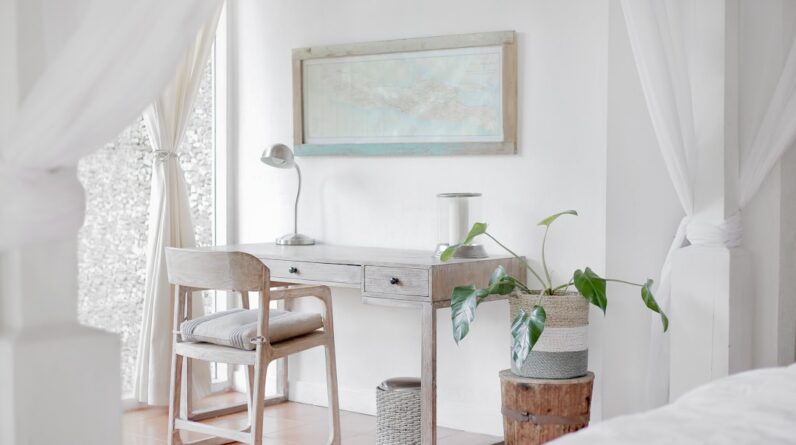
You might find that a simple ottoman can serve as both seating and storage, or a wall-mounted desk can provide a workspace without taking up valuable floor area. This approach not only enhances the functionality of your home but also promotes a sense of order and organization.
A Harmonious Balance of Form and Function
As you explore various multifunctional options, consider how each piece can contribute to your overall design aesthetic while meeting your practical needs. The result is a harmonious blend of form and function that elevates your living experience.
Open Floor Plans: Creating a sense of spaciousness in small apartments
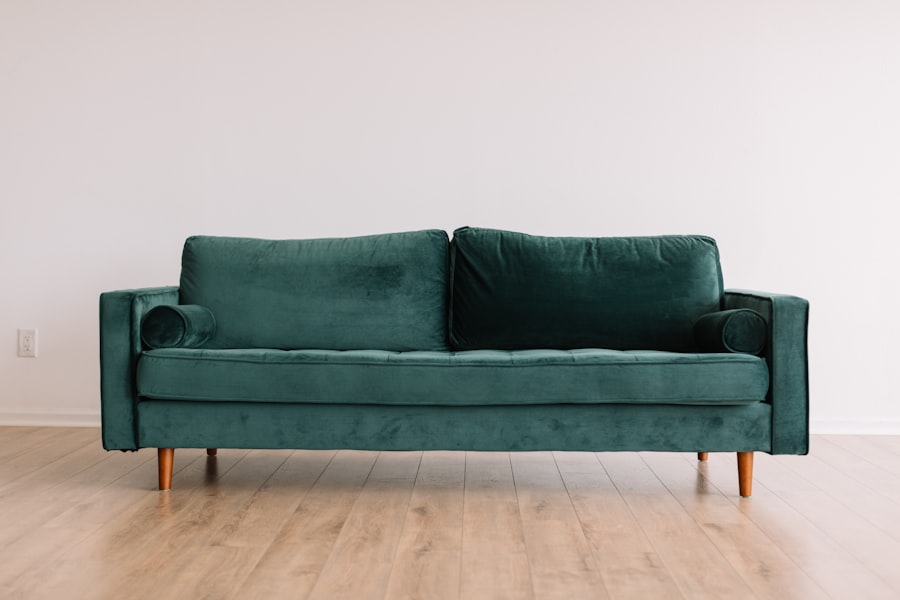
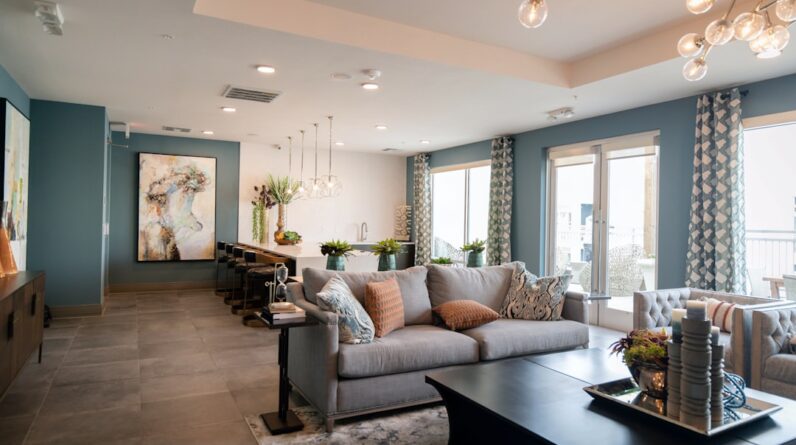
Open floor plans have become increasingly popular in small apartments, as they create an illusion of spaciousness that traditional layouts often lack. By removing walls and barriers between living areas, you can foster a sense of flow and connectivity throughout your home. This design choice allows natural light to permeate every corner, making even the smallest spaces feel airy and expansive.
You may find that an open layout encourages social interaction, as it invites family and friends to gather without feeling confined to separate rooms. In addition to enhancing the sense of space, open floor plans offer flexibility in how you arrange your furniture. You can experiment with different layouts to find what works best for your lifestyle, whether it’s creating distinct zones for cooking, dining, and relaxing or opting for a more fluid arrangement that encourages movement.
To further enhance the openness of your apartment, consider using area rugs or furniture placement to define different spaces without the need for physical barriers. This approach allows you to maintain a cohesive design while maximizing the functionality of your home.
Utilizing Natural Light: Designing to maximize natural light and create a sense of openness
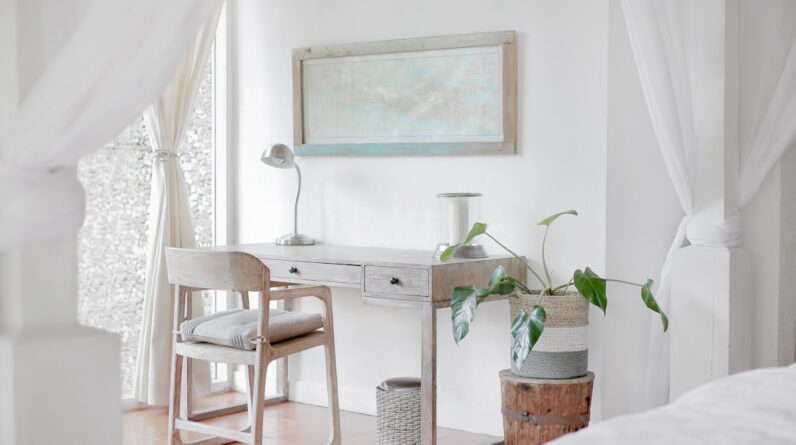
Natural light plays a crucial role in how you perceive space within your home. By designing with natural light in mind, you can create an environment that feels more open and inviting. Large windows, skylights, and strategically placed mirrors can all contribute to maximizing the amount of sunlight that enters your living area.
You might consider using sheer curtains or blinds that allow light to filter through while maintaining privacy. This simple adjustment can dramatically change the ambiance of your space, making it feel brighter and more expansive. In addition to enhancing the aesthetic appeal of your home, natural light has numerous psychological benefits.
Exposure to sunlight can improve your mood and increase productivity, making it essential to incorporate it into your design strategy. When planning your layout, think about how you can position furniture to take advantage of available light sources. For example, placing a reading nook near a window can create a cozy spot bathed in sunlight, while also making the room feel larger by drawing attention to the view outside.
By prioritizing natural light in your design choices, you can cultivate an uplifting atmosphere that enhances both comfort and functionality.
Sustainable Materials: Using eco-friendly and space-saving materials in design
As awareness of environmental issues grows, incorporating sustainable materials into your design has become increasingly important. You may find that eco-friendly options not only benefit the planet but also contribute to creating a more efficient living space. For instance, reclaimed wood furniture not only adds character but also reduces waste by repurposing materials that would otherwise end up in landfills.
Similarly, bamboo is an excellent choice for flooring or cabinetry due to its rapid growth and renewability. In addition to being environmentally friendly, sustainable materials often come with space-saving benefits. Many modern designs prioritize lightweight materials that are easy to move and rearrange, allowing you to adapt your space as needed without feeling weighed down by bulky items.
When selecting materials for your home, consider how they align with both your aesthetic preferences and your commitment to sustainability. By choosing eco-friendly options, you can create a stylish and functional living environment while contributing positively to the world around you.
Smart Technology Integration: Incorporating technology to optimize space and functionality
In today’s digital age, smart technology integration has become an integral part of optimizing space and functionality in small homes. You may find that smart home devices not only enhance convenience but also help you manage your living environment more efficiently. For example, smart thermostats can learn your habits and adjust heating or cooling accordingly, saving energy while maintaining comfort.
Similarly, smart lighting systems allow you to control brightness levels remotely or set schedules based on your daily routine. Moreover, technology can help you maximize storage solutions through apps that track inventory or remind you when it’s time to declutter. Smart furniture options are also emerging on the market; think about beds with built-in charging stations or desks with integrated organizational features.
By incorporating these technological advancements into your home design, you can create a seamless blend of functionality and modern convenience that enhances your overall living experience.
Customization and Personalization: Designing for individual needs and preferences in small spaces
When it comes to small spaces, customization and personalization are key elements in creating an environment that truly reflects who you are. You may find that off-the-shelf solutions often fall short of meeting your specific needs or preferences. By opting for custom furniture or tailored design solutions, you can ensure that every piece serves a purpose while fitting perfectly within your unique space constraints.
Whether it’s a built-in bookshelf designed to fit an awkward corner or a custom sofa that maximizes seating without overwhelming the room, personalized design allows you to make the most of what you have. Additionally, personalization extends beyond just furniture; it encompasses color schemes, decor choices, and even layout decisions. You might choose colors that evoke calmness or energize the space based on how you want to feel in each area of your home.
Incorporating personal touches—such as artwork or family photos—can also make small spaces feel more inviting and reflective of your personality. By embracing customization and personalization in your design approach, you create a living environment that is not only functional but also deeply meaningful.
Community Spaces: Creating shared spaces within apartment buildings to compensate for limited individual space
In urban environments where individual living spaces may be limited, community spaces within apartment buildings have emerged as vital extensions of home life. These shared areas provide opportunities for social interaction and foster a sense of belonging among residents. You may find amenities such as rooftop gardens, communal lounges, or co-working spaces that encourage collaboration and connection among neighbors.
By designing these communal areas thoughtfully, apartment buildings can enhance the overall living experience for everyone involved. Moreover, community spaces offer practical benefits by providing additional resources that residents might lack in their individual units. For instance, shared kitchens allow for larger gatherings without requiring everyone to squeeze into their own apartments.
Fitness centers or yoga studios within the building promote health and wellness while eliminating the need for costly gym memberships elsewhere. As you navigate life in an apartment setting, embracing community spaces can enrich your experience by creating opportunities for engagement and support among fellow residents while compensating for any limitations in personal space.
FAQs
What is contemporary design?
Contemporary design refers to the current trends and styles in interior and product design. It often incorporates modern materials, clean lines, and a minimalist approach.
What are the challenges of small apartment living?
Challenges of small apartment living include limited space for storage, lack of privacy, and the need to maximize functionality in a small area.
How does contemporary design address the challenges of small apartment living?
Contemporary design addresses the challenges of small apartment living by utilizing space-saving furniture, multifunctional pieces, and innovative storage solutions. It also focuses on creating open and airy spaces to make small apartments feel more spacious.
What are some examples of contemporary design solutions for small apartment living?
Examples of contemporary design solutions for small apartment living include modular furniture that can be rearranged to fit different needs, built-in storage solutions, and the use of light colors and natural light to create a sense of openness.