Biophilic design is an innovative approach that seeks to reconnect people with nature through the built environment. It draws on the innate human affinity for the natural world, a concept known as biophilia. This design philosophy integrates natural elements into architectural and interior spaces, creating environments that foster a sense of well-being and harmony.
By incorporating features such as natural light, greenery, water elements, and organic materials, biophilic design aims to enhance the quality of life for occupants while promoting a deeper connection to the environment. At its core, biophilic design is about more than just aesthetics; it is a holistic approach that considers the psychological and emotional impacts of our surroundings. You may find that spaces designed with biophilic principles can evoke feelings of tranquility and inspiration.
This design philosophy encourages the use of natural forms, patterns, and textures, allowing you to experience a sense of calm and rejuvenation in your daily life. As urbanization continues to rise, the need for biophilic design becomes increasingly important, offering a remedy to the disconnection many feel from nature in modern living.
Key Takeaways
- Biophilic design is an approach to architecture and interior design that seeks to connect people with nature.
- The benefits of biophilic design include improved mental well-being, increased productivity, and reduced stress levels.
- Incorporating biophilic design elements can be as simple as adding natural light, plants, and natural materials to a space.
- Biophilic design in residential spaces can create a calming and rejuvenating environment for homeowners.
- Biophilic design in commercial spaces can lead to happier and more productive employees, as well as a more welcoming atmosphere for customers.
The Benefits of Biophilic Design
The benefits of biophilic design extend far beyond mere visual appeal. One of the most significant advantages is its positive impact on mental health. Research has shown that exposure to natural elements can reduce stress, anxiety, and depression.
When you incorporate biophilic design into your environment, you may notice an improvement in your mood and overall well-being. Natural light, for instance, can enhance your circadian rhythms, leading to better sleep patterns and increased productivity during waking hours. Moreover, biophilic design can enhance creativity and cognitive function.
When you are surrounded by nature-inspired elements, your brain is stimulated in ways that promote innovative thinking and problem-solving. This is particularly beneficial in workspaces where creativity is essential. By integrating biophilic principles into your environment, you can create a space that not only looks good but also fosters a more productive and engaged mindset.
Incorporating Biophilic Design Elements

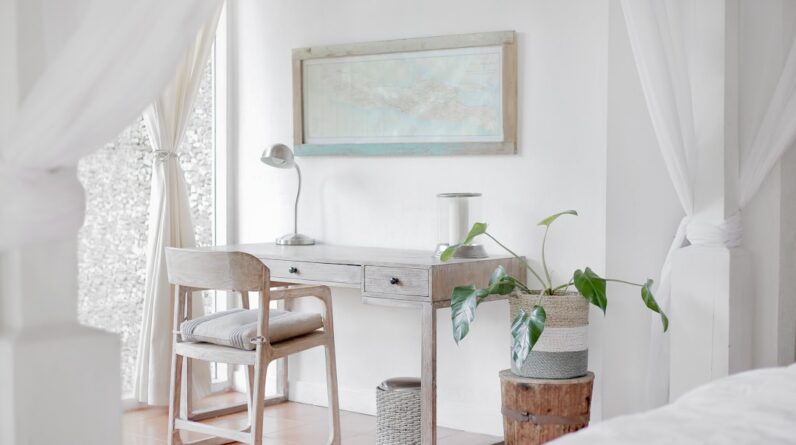
Incorporating biophilic design elements into your space can be both exciting and rewarding. Start by considering how you can bring nature indoors. This could involve adding indoor plants, which not only purify the air but also create a vibrant atmosphere.
You might choose low-maintenance options like succulents or ferns if you have a busy lifestyle. Additionally, using natural materials such as wood, stone, or bamboo can help create a warm and inviting environment that resonates with the essence of nature. Another effective way to embrace biophilic design is through maximizing natural light.
You can achieve this by using large windows or skylights that allow sunlight to flood your space. If you live in an area with limited sunlight, consider using mirrors strategically to reflect light and create an illusion of openness. Water features, such as fountains or aquariums, can also be incorporated to introduce soothing sounds and movement into your environment.
By thoughtfully selecting these elements, you can create a harmonious balance between indoor and outdoor spaces.
Biophilic Design in Residential Spaces
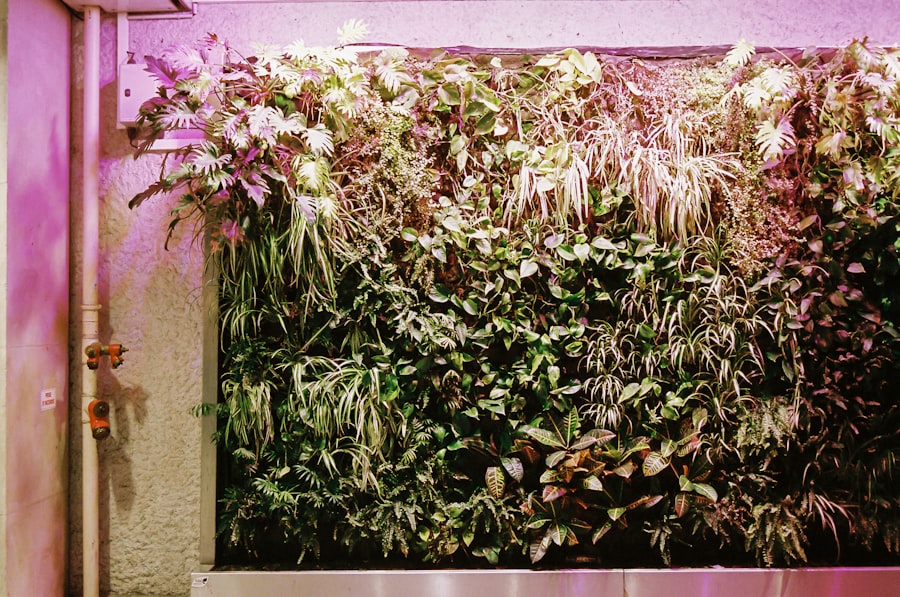
In residential spaces, biophilic design can transform your home into a sanctuary that promotes relaxation and connection with nature. Imagine waking up in a bedroom filled with natural light streaming through large windows adorned with plants. You might choose to create an indoor garden or a green wall in your living room, providing a lush backdrop that enhances your daily life.
The use of natural materials in furniture and decor can further enhance this connection, making your home feel more grounded and serene. Outdoor spaces also play a crucial role in residential biophilic design. You can create inviting outdoor areas that encourage you to spend time outside, whether it’s through a well-designed patio or a garden filled with native plants.
Incorporating elements like seating areas surrounded by greenery or pathways lined with flowers can make your outdoor space an extension of your home. By fostering this connection between indoor and outdoor environments, you create a holistic living experience that nurtures both body and mind.
Biophilic Design in Commercial Spaces
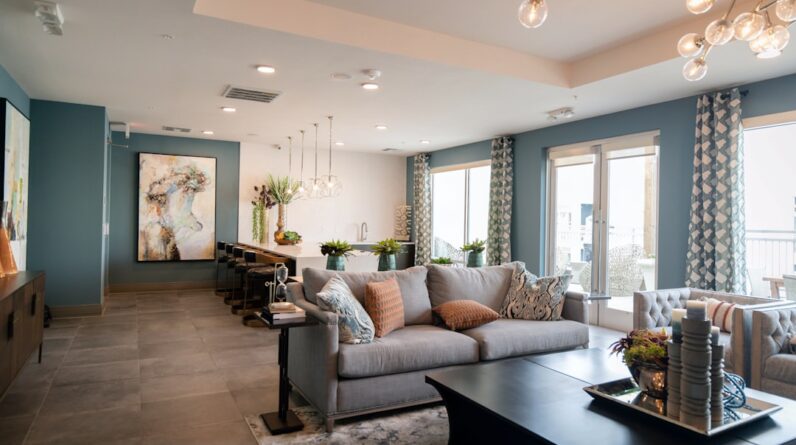
Biophilic design is equally impactful in commercial spaces, where it can significantly enhance employee satisfaction and productivity. In offices, for instance, incorporating natural elements such as plants, water features, and ample daylight can create an inviting atmosphere that encourages collaboration and creativity. You may find that employees are more engaged and motivated when they work in environments that prioritize their well-being through biophilic principles.
Retail spaces also benefit from biophilic design by creating immersive shopping experiences that resonate with customers on an emotional level. Imagine walking into a store where natural light floods the space, complemented by greenery and organic materials. This not only enhances the aesthetic appeal but also fosters a sense of comfort and connection for shoppers.
By integrating biophilic elements into commercial designs, businesses can cultivate environments that attract customers while promoting employee well-being.
Biophilic Design and Sustainability
Sustainability is at the heart of biophilic design, as it encourages practices that respect and preserve the natural environment. By incorporating sustainable materials and energy-efficient solutions into your designs, you contribute to a healthier planet while enhancing your living or working space. For instance, using reclaimed wood or recycled materials not only reduces waste but also adds character to your environment.
Moreover, biophilic design promotes biodiversity by encouraging the use of native plants in landscaping and interior spaces. These plants require less water and maintenance while providing habitats for local wildlife. When you embrace biophilic principles in your designs, you are not only creating beautiful spaces but also fostering ecological balance and sustainability for future generations.
Biophilic Design and Wellness
The relationship between biophilic design and wellness is profound. Numerous studies have demonstrated that environments rich in natural elements can lead to improved physical health outcomes. For example, exposure to nature has been linked to lower blood pressure, reduced heart rates, and enhanced immune function.
When you incorporate biophilic design into your surroundings, you are actively promoting a healthier lifestyle. Additionally, biophilic design encourages physical activity by creating inviting spaces for movement and interaction with nature. Whether it’s through walking paths in parks or staircases adorned with greenery in office buildings, these elements inspire you to engage with your environment actively.
By prioritizing wellness through biophilic design, you create spaces that nurture both mental and physical health.
The Future of Biophilic Design
As we move forward into an increasingly urbanized world, the future of biophilic design looks promising. Architects and designers are recognizing the importance of integrating nature into their projects to create healthier living environments. You may see more buildings featuring green roofs, vertical gardens, and natural ventilation systems as sustainability becomes a priority in construction practices.
Moreover, advancements in technology are enabling innovative ways to incorporate biophilic elements into our lives. Virtual reality experiences that simulate nature or smart home systems that optimize natural light are just a glimpse of what’s possible. As awareness grows about the benefits of biophilic design for both individuals and communities, it is likely to become a standard practice in architecture and urban planning.
In conclusion, embracing biophilic design offers numerous benefits for individuals and communities alike. By reconnecting with nature through thoughtful design choices, you can enhance your well-being while contributing to a more sustainable future. Whether in residential or commercial spaces, the principles of biophilia have the power to transform environments into nurturing sanctuaries that promote health, creativity, and harmony with the natural world.
FAQs
What is biophilic design in interior design?
Biophilic design in interior design is an approach that incorporates natural elements and patterns into the built environment to create a connection to nature. This can include the use of natural materials, natural light, and indoor plants to improve the well-being and productivity of the occupants.
What are the benefits of biophilic design in interior design?
Biophilic design has been shown to have numerous benefits, including improved air quality, reduced stress levels, increased productivity, and overall well-being. It can also help to create a more sustainable and environmentally friendly space.
How can biophilic design be incorporated into interior design?
Biophilic design can be incorporated into interior design through the use of natural materials such as wood and stone, the inclusion of indoor plants, the use of natural light and views of nature, and the incorporation of natural patterns and textures.
What are some examples of biophilic design elements in interior design?
Examples of biophilic design elements in interior design include living walls, indoor gardens, natural materials such as wood and stone, water features, natural light, and views of nature. These elements can help to create a more calming and rejuvenating environment.
Is biophilic design a sustainable approach to interior design?
Yes, biophilic design is considered a sustainable approach to interior design because it focuses on creating a connection to nature and using natural elements and materials. This can help to reduce the environmental impact of the built environment and create healthier, more sustainable spaces.