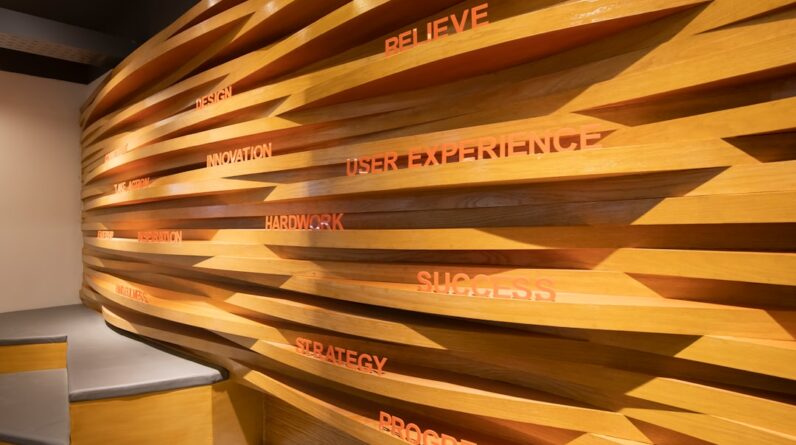
Collaboration is the cornerstone of any successful project, whether in the realm of design, business, or community initiatives. When you engage in collaborative efforts, you harness the diverse skills and perspectives of each participant, creating a rich tapestry of ideas that can lead to innovative solutions. This synergy not only enhances creativity but also fosters a sense of ownership among team members.
You may find that when everyone contributes their unique insights, the final outcome is often more robust and well-rounded than what any individual could have achieved alone. Moreover, collaboration cultivates an environment of trust and respect. As you work alongside others, you learn to appreciate their strengths and understand their challenges.
This mutual respect can lead to stronger relationships, which are essential for long-term success. When you collaborate effectively, you create a culture where feedback is welcomed and valued, allowing for continuous improvement. In this way, collaboration becomes not just a means to an end but a vital process that enriches both the project and the people involved.
Key Takeaways
- Collaboration is essential for successful design projects
- Finding the right balance between functionality and aesthetics is crucial
- Understanding each other’s expertise leads to a more cohesive design process
- Clear communication and planning are key to a smooth project execution
- Incorporating sustainable design practices is important for the environment and future generations
Finding the Right Balance
Finding the right balance in collaboration is crucial for achieving optimal results. You must navigate the delicate interplay between individual contributions and collective goals. It’s essential to ensure that everyone has a voice while also steering the group toward a unified vision.
This balance can be challenging to strike, especially when team members have differing opinions or priorities. However, by fostering an inclusive atmosphere where all ideas are considered, you can create a space that encourages creativity while maintaining focus on the project’s objectives. Additionally, balancing roles and responsibilities is key to effective collaboration.
You should assess each team member’s strengths and weaknesses to assign tasks that align with their expertise. This not only enhances productivity but also boosts morale, as individuals feel empowered to contribute in ways that showcase their skills. When you achieve this equilibrium, you create a dynamic team capable of tackling challenges head-on while remaining aligned with the overarching goals of the project.
Designing for Functionality and Aesthetics
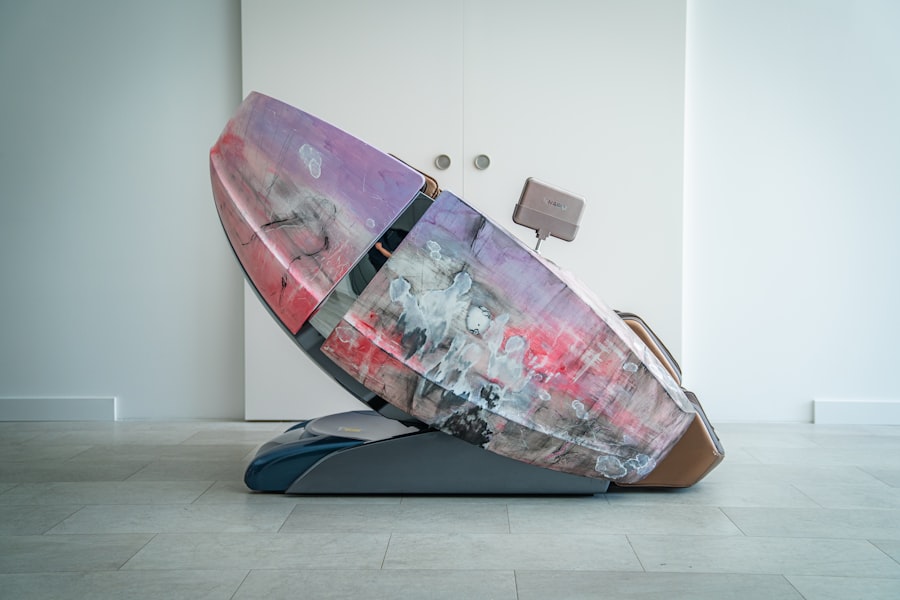
In any design endeavor, striking a balance between functionality and aesthetics is paramount. You want your project to not only look appealing but also serve its intended purpose effectively. This dual focus requires careful consideration of how each element interacts with others within the design.
For instance, when creating a space, you must think about how the layout facilitates movement and usability while also ensuring that it remains visually engaging. By prioritizing both aspects, you can create environments that are not only beautiful but also practical. Moreover, understanding your audience is essential in this process.
You should consider who will be using the space or product and what their needs are. By incorporating user feedback into your design process, you can ensure that your final product resonates with its intended audience. This approach not only enhances user satisfaction but also elevates the overall quality of your work.
Ultimately, when you successfully blend functionality with aesthetics, you create designs that are both impactful and memorable.
Understanding Each Other’s Expertise
A successful collaborative effort hinges on recognizing and valuing each participant’s expertise. You should take the time to understand what each team member brings to the table, as this knowledge can significantly enhance the project’s outcome. By acknowledging individual strengths, you can delegate tasks more effectively and foster an environment where everyone feels appreciated for their contributions.
This understanding also allows for more informed decision-making, as you can draw on the collective knowledge of the group. Furthermore, embracing each other’s expertise encourages a culture of learning and growth. As you collaborate with individuals from different backgrounds or fields, you have the opportunity to expand your own skill set and knowledge base.
This exchange of ideas can lead to innovative solutions that might not have emerged in a more siloed environment. By fostering an atmosphere where expertise is shared and celebrated, you not only enhance the quality of your project but also contribute to the professional development of everyone involved.
Clear Communication and Planning
Effective communication is vital in any collaborative effort. You must establish clear channels for sharing ideas, feedback, and updates throughout the project lifecycle. This clarity helps prevent misunderstandings and ensures that everyone remains aligned with the project’s goals.
Regular check-ins and updates can facilitate open dialogue, allowing team members to voice concerns or suggest improvements as needed. By prioritizing communication, you create a transparent environment where everyone feels informed and engaged. In addition to communication, meticulous planning is essential for keeping the project on track.
You should outline specific milestones and deadlines to guide your team through each phase of the project. This structured approach not only helps manage expectations but also allows for better resource allocation. When everyone understands their roles and responsibilities within the timeline, it becomes easier to navigate challenges as they arise.
Ultimately, clear communication combined with thoughtful planning lays the groundwork for a successful collaborative experience.
Incorporating Sustainable Design

The Importance of Sustainable Design
Sustainable design goes beyond aesthetics; it encompasses materials selection, energy efficiency, and waste reduction strategies. By prioritizing sustainability in your design process, you contribute to a healthier planet while also appealing to an increasingly eco-conscious audience.
Long-term Benefits of Sustainable Design
Moreover, embracing sustainable practices can enhance your project’s long-term viability. You should explore innovative materials and technologies that minimize environmental impact while maximizing functionality.
Practical Applications of Sustainable Design
For instance, using recycled materials or energy-efficient systems not only reduces waste but can also lead to cost savings over time. By integrating sustainability into your design philosophy, you position yourself as a forward-thinking collaborator who values both quality and responsibility.
Respecting Budget and Timeline
Respecting budget constraints and timelines is crucial for maintaining trust within a collaborative team. You must be mindful of financial limitations while striving to achieve your project goals. Open discussions about budgetary concerns can help ensure that everyone is on the same page regarding resource allocation and spending priorities.
By being transparent about financial considerations from the outset, you foster an environment where team members feel comfortable voicing concerns or suggesting alternatives. Similarly, adhering to timelines is essential for keeping the project moving forward efficiently. You should establish realistic deadlines based on the scope of work and available resources while allowing for flexibility when unexpected challenges arise.
By respecting each other’s time commitments and working collaboratively to meet deadlines, you demonstrate professionalism and accountability within the team. Ultimately, honoring budgetary constraints and timelines strengthens relationships among team members and contributes to a successful project outcome.
Showcasing the Final Result
Once your collaborative project reaches completion, it’s time to showcase the final result. Celebrating your achievements not only highlights the hard work put in by each team member but also serves as an opportunity to reflect on what was learned throughout the process. You should consider organizing an event or presentation where everyone can share their contributions and insights gained during the project.
This recognition fosters a sense of pride among team members and reinforces the value of collaboration. Additionally, showcasing your work can open doors for future opportunities. Whether through social media, exhibitions, or community events, sharing your final product allows others to see the fruits of your labor and understand the collaborative effort behind it.
This visibility can lead to new partnerships or projects down the line as others recognize the value of what you’ve created together. Ultimately, celebrating your success not only honors individual contributions but also emphasizes the power of collaboration in achieving remarkable outcomes.
FAQs
What is interior design collaboration with architects?
Interior design collaboration with architects is the process of working together to create a cohesive and functional design for a building’s interior spaces. This collaboration involves combining the expertise of both architects and interior designers to ensure that the overall design of the building is seamless and harmonious.
Why is interior design collaboration with architects important?
Collaboration between architects and interior designers is important because it ensures that the design of a building’s interior spaces is integrated with the overall architectural design. This collaboration results in a cohesive and functional design that meets the needs and preferences of the building’s occupants.
What are the benefits of interior design collaboration with architects?
The benefits of interior design collaboration with architects include a more cohesive and integrated design, improved functionality of interior spaces, and a better overall user experience. Additionally, collaboration between architects and interior designers can result in cost savings and a more efficient design process.
How do architects and interior designers collaborate on a project?
Architects and interior designers collaborate on a project by working together to develop a design concept, coordinating the layout and flow of interior spaces, selecting materials and finishes, and ensuring that the interior design complements the overall architectural design. This collaboration involves regular communication and coordination throughout the design and construction process.
What are some examples of interior design collaboration with architects?
Examples of interior design collaboration with architects include designing a building’s lobby, common areas, and tenant spaces, as well as coordinating the design of interior finishes, lighting, and furniture with the overall architectural design. This collaboration can also extend to the design of custom millwork, built-in cabinetry, and other interior elements.