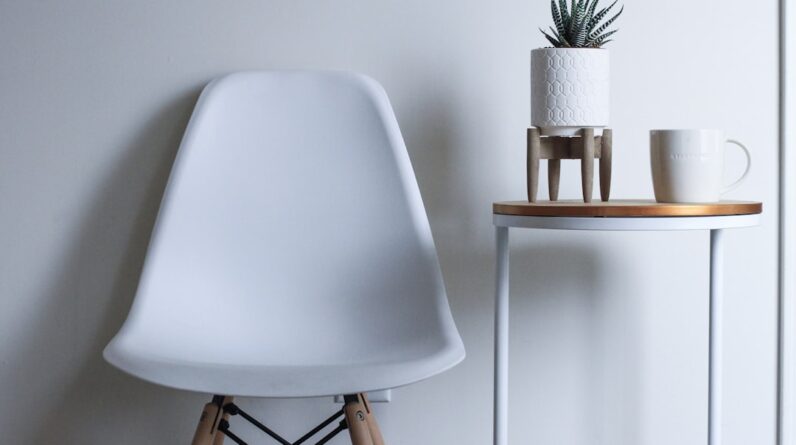
As you step into a space, you may not always realize how deeply your emotions are intertwined with the environment around you. The connection between interior design and emotions is profound, influencing your mood, behavior, and overall well-being. Every element in a room—from the layout to the furnishings—can evoke specific feelings, whether it’s tranquility, excitement, or even nostalgia.
By understanding this connection, you can create spaces that not only look aesthetically pleasing but also resonate with your emotional needs. When you think about it, your surroundings can significantly impact your mental state. A cluttered room may leave you feeling anxious and overwhelmed, while a well-organized space can promote clarity and focus.
The colors, shapes, and materials you choose play a crucial role in shaping your emotional experience. By being mindful of these elements, you can design environments that foster positive feelings and enhance your quality of life.
Key Takeaways
- Interior design can have a significant impact on emotions and well-being.
- Color plays a crucial role in evoking specific emotions in interior design.
- Creating a sense of comfort and security is essential for emotional well-being in interior design.
- Texture and materials can evoke emotional responses and add depth to interior spaces.
- Personal touches can create a meaningful emotional impact in interior design.
The Role of Color in Evoking Emotions in Interior Design
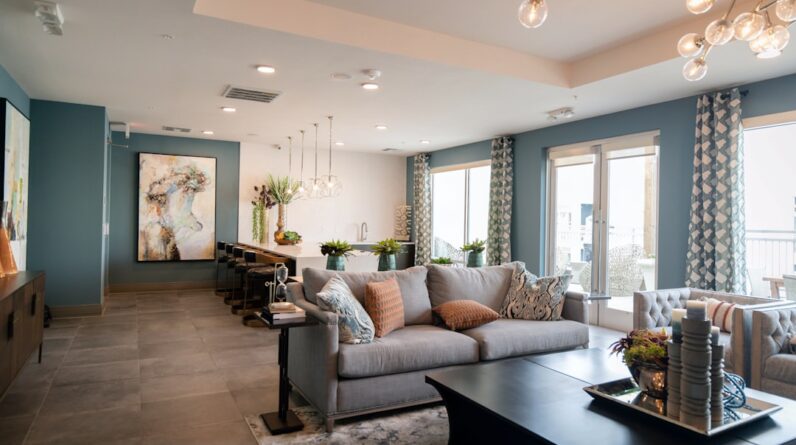
Color is one of the most powerful tools in interior design, capable of evoking a wide range of emotions. When you walk into a room painted in soft blues or greens, you might feel a sense of calm wash over you. These cooler tones are often associated with tranquility and relaxation, making them ideal for spaces meant for unwinding, such as bedrooms or reading nooks.
On the other hand, vibrant reds and yellows can stimulate energy and creativity, making them suitable for workspaces or areas where social interaction occurs. As you consider the colors in your own space, think about how they make you feel. Do certain shades bring back memories or inspire specific emotions?
By selecting colors that resonate with your personal experiences and emotional needs, you can create an environment that feels uniquely yours. Additionally, layering colors through accents and accessories can add depth to your design while still maintaining an emotional connection.
Creating a Sense of Comfort and Security Through Interior Design
Comfort and security are fundamental emotional needs that can be addressed through thoughtful interior design. When you enter a space that feels safe and inviting, it allows you to relax and be yourself. To achieve this sense of comfort, consider incorporating soft furnishings like plush sofas, cozy blankets, and inviting pillows.
These elements not only enhance the aesthetic appeal of a room but also create a tactile experience that promotes relaxation. Moreover, the layout of your space plays a significant role in how secure you feel within it. Open floor plans can foster a sense of freedom and flow, while more enclosed spaces may provide a feeling of safety and intimacy.
By thoughtfully arranging furniture to create cozy nooks or gathering areas, you can cultivate an environment that encourages connection and comfort among family and friends.
Using Texture and Materials to Evoke Emotional Responses
Texture is another essential aspect of interior design that can evoke emotional responses. The tactile quality of materials can influence how you feel when you interact with your environment. For instance, smooth surfaces like glass or polished wood may convey sophistication and modernity, while rough textures such as reclaimed wood or woven fabrics can evoke warmth and authenticity.
By mixing different textures in your design, you can create a rich sensory experience that resonates on an emotional level. When selecting materials for your space, consider how they align with the feelings you want to evoke. Natural materials like stone or wood can instill a sense of grounding and connection to nature, while synthetic materials may offer a more contemporary feel.
By thoughtfully curating the textures in your environment, you can enhance the emotional atmosphere and create spaces that feel both inviting and inspiring.
Incorporating Personal Touches for a Meaningful Emotional Impact
Your home should reflect who you are and what matters most to you. Incorporating personal touches into your interior design is an effective way to create a meaningful emotional impact. This could include displaying cherished photographs, artwork that resonates with your experiences, or souvenirs from travels that hold special memories.
These elements not only add character to your space but also serve as constant reminders of what brings you joy. Additionally, personal touches can foster a sense of belonging and identity within your home. When you surround yourself with items that tell your story, it creates an emotional connection to the space.
This connection can be particularly important during challenging times when having a comforting environment can provide solace and strength.
The Importance of Lighting in Creating Emotional Atmospheres
Lighting is often an overlooked aspect of interior design, yet it plays a crucial role in shaping emotional atmospheres. The right lighting can transform a space from cold and uninviting to warm and welcoming. Natural light is particularly effective at enhancing mood; it has been shown to boost energy levels and improve overall well-being.
When designing your space, consider maximizing natural light through large windows or strategically placed mirrors that reflect sunlight. In addition to natural light, artificial lighting can also be tailored to evoke specific emotions. Soft, warm lighting creates an intimate atmosphere perfect for relaxation or social gatherings, while bright, cool lighting can enhance focus and productivity in workspaces.
By layering different types of lighting—ambient, task, and accent—you can create dynamic environments that adapt to various moods and activities throughout the day.
Balancing Minimalism and Clutter for Emotional Well-being
The balance between minimalism and clutter is essential for maintaining emotional well-being in your living space. While minimalism promotes simplicity and clarity, excessive clutter can lead to feelings of overwhelm and anxiety. Striking the right balance involves being intentional about what you keep in your space.
Consider decluttering regularly to create an environment that feels open and inviting. However, minimalism doesn’t mean sacrificing personality or warmth in your design. You can achieve a minimalist aesthetic while still incorporating meaningful items that bring you joy.
By curating your belongings thoughtfully and allowing only those that resonate with you to remain in your space, you create an environment that feels both serene and personal.
How to Design Spaces for Relaxation, Inspiration, and Productivity
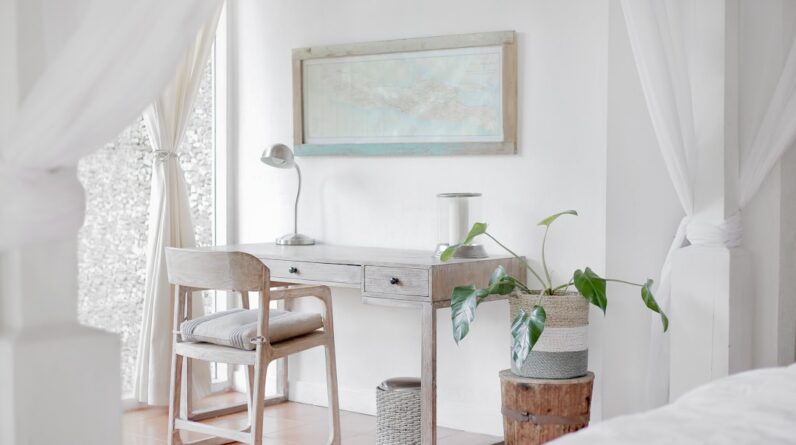
Designing spaces tailored for relaxation, inspiration, and productivity requires careful consideration of various elements that contribute to each emotional state. For relaxation areas like bedrooms or reading corners, prioritize comfort through soft furnishings, calming colors, and soothing textures. Incorporate elements like plants or water features to enhance tranquility further.
For spaces meant to inspire creativity—such as art studios or home offices—consider incorporating vibrant colors and dynamic layouts that encourage free thinking. Allow for flexibility in furniture arrangements to adapt to different creative processes. Finally, productivity-focused spaces should prioritize functionality with organized layouts, adequate lighting, and minimal distractions to foster concentration.
By understanding the emotional connections tied to interior design elements such as color, texture, lighting, and personal touches, you can create spaces that not only look beautiful but also nurture your emotional well-being. Your home should be a sanctuary that reflects who you are while providing comfort, inspiration, and productivity—ultimately enhancing your quality of life.
FAQs
What is interior design for emotional impact?
Interior design for emotional impact is the practice of creating spaces that evoke specific emotions and feelings in the people who inhabit them. It involves using design elements such as color, lighting, texture, and layout to create a certain atmosphere and mood within a space.
How does interior design for emotional impact affect people?
Interior design for emotional impact can affect people in various ways, such as influencing their mood, behavior, and overall well-being. A well-designed space can evoke feelings of calm, happiness, or productivity, while a poorly designed space can lead to feelings of stress, discomfort, or unease.
What are some key elements of interior design for emotional impact?
Key elements of interior design for emotional impact include color psychology, lighting design, use of natural elements, spatial layout, and incorporation of personal touches. These elements are used to create a cohesive and harmonious environment that resonates with the emotions and needs of the occupants.
How can interior design for emotional impact be applied in different spaces?
Interior design for emotional impact can be applied in various spaces, including residential homes, offices, retail stores, healthcare facilities, and hospitality venues. Each space requires a unique approach to design in order to create the desired emotional impact for its specific purpose and users.
What are some examples of emotional impact in interior design?
Examples of emotional impact in interior design include using warm and inviting colors in a living room to promote a sense of comfort and relaxation, incorporating natural elements such as plants and wood to create a connection to nature, and using strategic lighting to enhance the mood and atmosphere of a space.