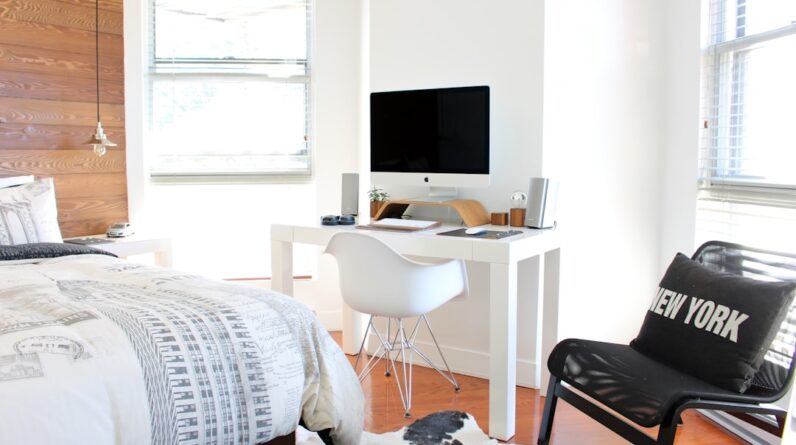
In today’s fast-paced world, the concept of sensory environments has gained significant attention. You may find yourself surrounded by a multitude of stimuli that can either enhance or detract from your experience in a space. Sensory environments are designed to engage the five senses—sight, sound, touch, taste, and smell—creating a holistic experience that can influence your mood, behavior, and overall well-being.
By understanding how these elements interact, you can appreciate the profound impact they have on your daily life. When you step into a sensory-rich environment, you might notice how certain sounds can evoke memories or how specific colors can alter your emotional state. For instance, a calm blue hue may instill a sense of tranquility, while vibrant reds and yellows can energize and stimulate.
The interplay of these sensory elements can create a space that feels welcoming and engaging or one that feels overwhelming and chaotic. By recognizing the importance of sensory environments, you can begin to appreciate how thoughtfully designed spaces can enhance your experiences and improve your quality of life.
Key Takeaways
- Sensory environments impact our experiences and emotions
- Multi-sensory experiences engage all senses for a holistic experience
- Texture and materials play a crucial role in creating sensory environments
- Color and lighting can influence mood and perception
- Sound and acoustics are important considerations in sensory design
Creating a Multi-Sensory Experience
Defining the Purpose of the Space
The first step in creating a multi-sensory experience is to identify the purpose of the space. Is it a calming retreat, an interactive learning environment, or a vibrant social hub? Each purpose will dictate the sensory elements you choose to incorporate.
Engaging the Senses in Harmony
As you design the experience, think about how to engage each of the senses in a harmonious way. For example, in a wellness center, you could combine soothing sounds of nature with soft lighting and comfortable seating to create an atmosphere conducive to relaxation. You might also consider incorporating tactile elements, such as soft fabrics or natural materials, to enhance the overall experience.
Weaving Together the Sensory Threads
By weaving together these sensory threads, you can create an environment that resonates with individuals on multiple levels, making their experience more memorable and impactful.
Incorporating Texture and Materials
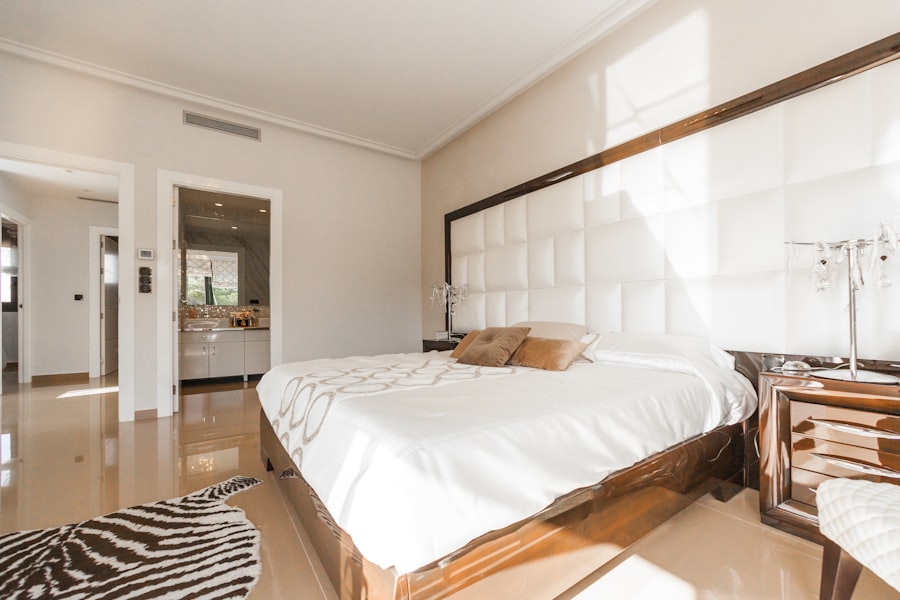
Texture plays a crucial role in shaping your perception of a space. When you enter a room, the materials used in its design can significantly influence how you feel and interact with the environment. You may find that soft textiles invite you to sit down and relax, while hard surfaces may create a sense of formality or distance.
By thoughtfully selecting materials that align with the intended atmosphere, you can enhance the sensory experience for everyone who enters. Consider how different textures can evoke various emotions or responses. For instance, smooth surfaces may convey cleanliness and modernity, while rough textures can evoke a sense of warmth and authenticity.
You might also explore the use of natural materials like wood, stone, or plants to create a connection with nature, which can be particularly grounding in urban settings. By incorporating a variety of textures into your design, you can create layers of sensory engagement that invite exploration and interaction.
Utilizing Color and Lighting
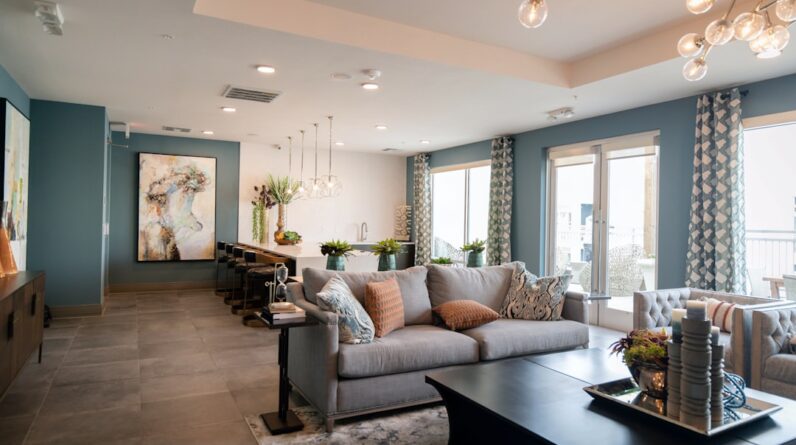
Color and lighting are powerful tools in creating an inviting sensory environment. The colors you choose can significantly impact your mood and perception of space. For example, warm colors like oranges and yellows can create an energetic atmosphere, while cooler tones like blues and greens tend to promote calmness and relaxation.
As you select colors for your environment, consider how they will interact with one another and the emotions they may evoke in those who experience them. Lighting is equally important in shaping the ambiance of a space. Natural light can enhance your mood and well-being, while artificial lighting can be adjusted to create different atmospheres throughout the day.
You might experiment with various lighting techniques—such as dimmable lights or accent lighting—to highlight specific areas or features within the space. By thoughtfully combining color and lighting, you can create an environment that not only looks appealing but also feels inviting and comfortable.
Designing for Sound and Acoustics
Sound is often an overlooked aspect of sensory environments, yet it plays a vital role in shaping your experience within a space. The acoustics of a room can either enhance or detract from your enjoyment. For instance, in a bustling café, you may appreciate the lively chatter and clinking of cups as part of the atmosphere; however, in a quiet library, those same sounds could be disruptive.
As you design your space, consider how sound will interact with the environment and how it can be manipulated to create the desired effect. You might explore various sound-absorbing materials to minimize unwanted noise or incorporate soundscapes that align with the purpose of the space. For example, in a meditation room, gentle sounds like flowing water or soft music can create a serene atmosphere conducive to relaxation.
On the other hand, in an educational setting, interactive sound elements can stimulate engagement and learning. By paying attention to sound design and acoustics, you can create an environment that supports your goals while enhancing the overall sensory experience.
Implementing Aromatherapy and Scents
The sense of smell is one of the most powerful triggers for memory and emotion. Aromatherapy can be an effective way to enhance your sensory environment by incorporating specific scents that promote relaxation, focus, or even creativity. You may find that certain fragrances evoke pleasant memories or feelings of comfort, making them ideal for use in various spaces.
When implementing aromatherapy in your design, consider using essential oils or natural scents that align with the purpose of the environment. For instance, lavender is known for its calming properties and could be perfect for a spa or relaxation area. In contrast, citrus scents like lemon or orange can invigorate and energize a workspace or fitness center.
By thoughtfully selecting scents that resonate with your intended atmosphere, you can create an immersive experience that engages your sense of smell and enhances your overall enjoyment of the space.
Considering Accessibility and Inclusivity
Creating sensory environments also means considering accessibility and inclusivity for all individuals. You may encounter spaces that are beautifully designed but fail to accommodate those with sensory sensitivities or disabilities. As you embark on designing such environments, it’s essential to ensure that everyone feels welcome and comfortable.
You might start by incorporating features that cater to diverse needs—such as adjustable lighting for those who are sensitive to bright lights or quiet zones for individuals who may feel overwhelmed by noise. Additionally, consider using clear signage and tactile elements to assist those with visual impairments. By prioritizing accessibility and inclusivity in your design process, you not only enhance the experience for individuals with specific needs but also foster a sense of community where everyone feels valued.
Case Studies and Examples of Successful Sensory Environments
Examining successful case studies can provide valuable insights into how sensory environments are effectively designed and implemented. One notable example is the Sensory Room at the University of California, which was created to provide students with a calming space amidst their busy academic lives. This room incorporates soft lighting, soothing colors, varied textures, and calming scents to create an oasis for relaxation and stress relief.
Another inspiring case study is the design of children’s hospitals that prioritize sensory experiences for young patients. These hospitals often feature interactive art installations, colorful murals, and play areas designed to engage children’s senses while providing comfort during their medical journeys. By observing these successful implementations, you can glean ideas on how to create sensory environments that cater to specific needs while enhancing overall well-being.
In conclusion, understanding sensory environments is essential for creating spaces that engage individuals on multiple levels. By thoughtfully incorporating texture, color, sound, scent, accessibility features, and drawing inspiration from successful case studies, you can design environments that not only look appealing but also foster positive experiences for everyone who enters them. As you embark on this journey of design, remember that every element contributes to the overall sensory experience—making it all the more important to consider how they work together harmoniously.
FAQs
What is interior design for sensory environments?
Interior design for sensory environments is a specialized approach to designing spaces that takes into consideration the sensory experiences of the occupants. This includes considering factors such as lighting, color, texture, sound, and scent to create a harmonious and comfortable environment.
What are the key elements of interior design for sensory environments?
Key elements of interior design for sensory environments include the use of lighting to create ambiance and mood, the selection of colors and textures to evoke certain emotions, the incorporation of sound and music to enhance the atmosphere, and the use of scents to create a specific olfactory experience.
How does interior design for sensory environments benefit occupants?
Interior design for sensory environments can benefit occupants by creating spaces that are more comfortable, calming, and engaging. By considering the sensory experiences of the occupants, designers can create environments that promote well-being, reduce stress, and enhance overall satisfaction.
What are some examples of sensory design elements in interior design?
Examples of sensory design elements in interior design include the use of natural materials such as wood and stone to create a tactile experience, the incorporation of natural light to create a visually stimulating environment, the use of soothing scents such as lavender or eucalyptus, and the integration of sound-absorbing materials to create a peaceful auditory environment.
Who can benefit from interior design for sensory environments?
Anyone can benefit from interior design for sensory environments, but it is particularly beneficial for individuals with sensory processing disorders, autism, dementia, or other sensory sensitivities. It can also benefit individuals in healthcare facilities, schools, workplaces, and public spaces.