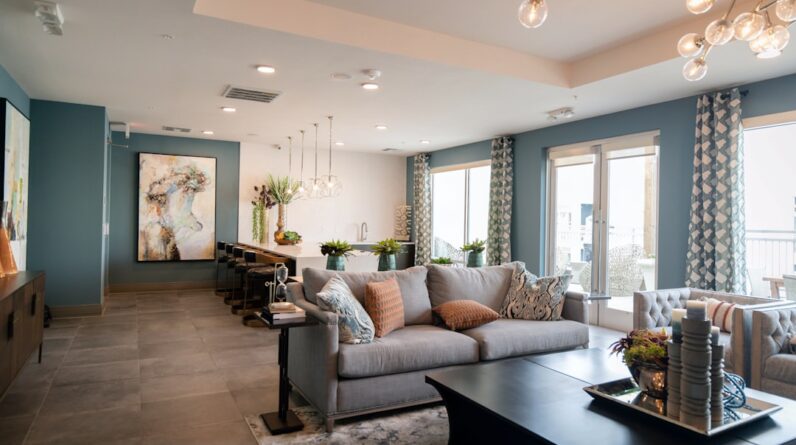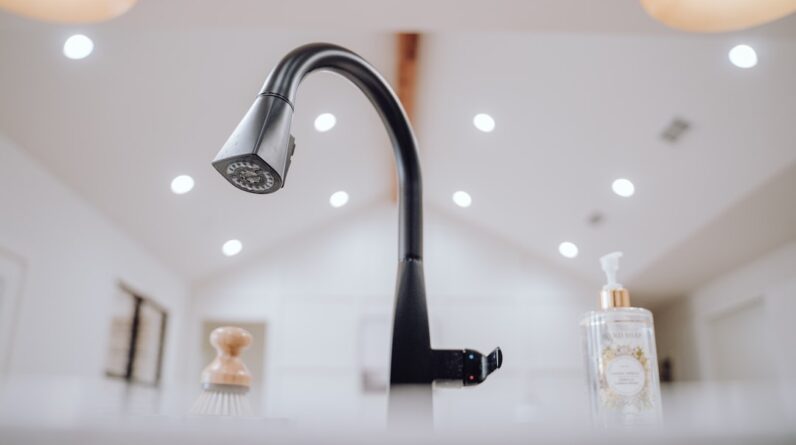
Open-concept design has become a hallmark of modern architecture and interior design, characterized by the absence of walls separating key living areas. This design philosophy promotes a seamless flow between spaces, allowing for greater interaction and connectivity among family members and guests. As you step into an open-concept home, you may immediately notice how the absence of barriers creates a sense of spaciousness and freedom.
The kitchen, dining, and living areas often blend into one another, fostering a communal atmosphere that is both inviting and functional. This design approach is rooted in the idea of maximizing space and light. By eliminating walls, natural light can permeate throughout the area, enhancing the overall ambiance.
You might find that this layout not only makes a home feel larger but also encourages a more social lifestyle. Families can engage in activities together, whether cooking in the kitchen or relaxing in the living room, without feeling isolated from one another. Open-concept design is not just about aesthetics; it reflects a shift in how we live and interact within our homes.
Key Takeaways
- Open-concept design removes physical barriers between different areas of a space, creating a more fluid and connected environment.
- The benefits of open-concept design include improved natural light, better flow of movement, and enhanced social interaction.
- Challenges of open-concept design include noise control, lack of privacy, and difficulty in defining separate functional areas.
- Tips for implementing open-concept design include using area rugs to define zones, incorporating flexible furniture, and utilizing room dividers or screens.
- Furniture and decor for open-concept spaces should be cohesive and visually lightweight to maintain a sense of openness and flow.
Benefits of Open-Concept Design
One of the most significant advantages of open-concept design is its ability to create a sense of community within the home. When you entertain guests or spend time with family, the open layout allows for easy conversation and interaction. You can cook in the kitchen while still being part of the action in the living room, making gatherings more enjoyable and inclusive.
This design fosters a warm environment where everyone feels connected, breaking down barriers that traditional layouts often impose. Another benefit lies in the versatility of open-concept spaces. You have the freedom to rearrange furniture and decor to suit your needs, allowing for a dynamic living environment that can adapt over time.
Whether you want to host a large dinner party or create a cozy movie night, an open layout provides the flexibility to transform your space accordingly. Additionally, this design can enhance the flow of natural light throughout your home, reducing the need for artificial lighting during the day and creating a more inviting atmosphere.
Challenges of Open-Concept Design
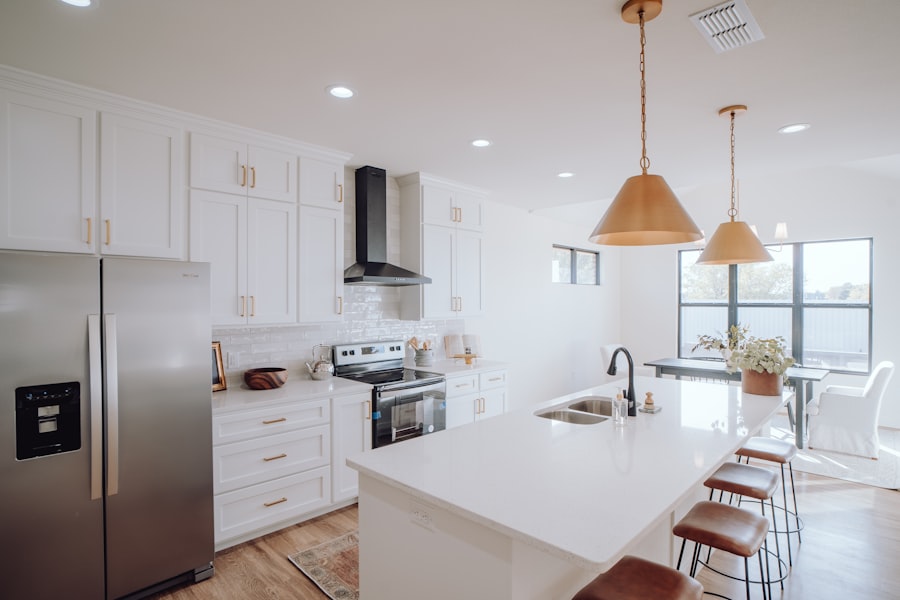
While open-concept design offers numerous benefits, it also presents certain challenges that you should consider before fully committing to this layout. One of the primary concerns is noise control. In an open space, sounds from one area can easily travel to another, which may lead to distractions or disturbances.
For instance, if someone is cooking in the kitchen while others are watching television in the living room, the noise from pots and pans can disrupt the viewing experience. You may need to think creatively about how to manage sound within your home. Another challenge is maintaining organization and cleanliness.
With fewer walls to contain clutter, it can be easy for an open-concept space to feel chaotic if not properly managed. You might find that items from different areas begin to intermingle, leading to visual clutter that detracts from the overall aesthetic. Establishing designated storage solutions and keeping surfaces clear will be essential in maintaining a tidy environment.
Additionally, you may need to invest in decor that complements the open layout while still providing a sense of structure.
Tips for Implementing Open-Concept Design
If you’re considering an open-concept design for your home, there are several tips you can follow to ensure a successful implementation. First and foremost, think about how you want to use your space. Consider your lifestyle and daily activities; this will help you determine how to best arrange your furniture and define different areas within the open layout.
For example, if you enjoy cooking and entertaining, placing the kitchen near the dining area can facilitate social interactions during gatherings. Another important aspect is choosing a cohesive color palette and decor style that flows throughout the space. By selecting complementary colors and materials, you can create a harmonious environment that feels intentional rather than disjointed.
You might also want to incorporate various textures and patterns to add depth and interest without overwhelming the senses. Remember that balance is key; too many contrasting elements can create visual chaos in an open-concept space.
Furniture and Decor for Open-Concept Spaces
When it comes to furnishing an open-concept space, selecting the right pieces is crucial for achieving both functionality and style. You may want to consider multi-functional furniture that serves more than one purpose, such as ottomans with storage or coffee tables that can double as dining surfaces. This approach not only maximizes space but also keeps your environment organized and clutter-free.
In terms of decor, think about how you can use area rugs to define different zones within your open layout. A well-placed rug can visually separate the living area from the dining space while adding warmth and texture to the overall design. Additionally, consider using furniture arrangements that encourage conversation, such as placing sofas facing each other or creating intimate seating areas with chairs and side tables.
By thoughtfully selecting furniture and decor, you can enhance both the aesthetic appeal and functionality of your open-concept home.
Creating Zones in Open-Concept Spaces
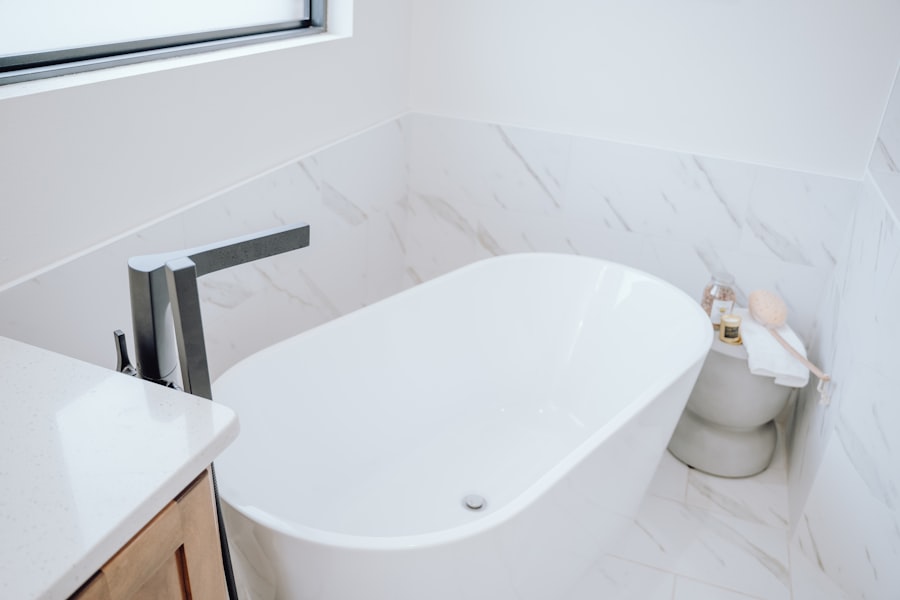
Creating distinct zones within an open-concept space is essential for maintaining functionality while preserving the overall flow of the design. You might start by identifying specific activities that will take place in each area—cooking, dining, relaxing—and then use furniture placement to delineate these zones. For instance, positioning a sofa with its back facing the dining area can create a natural boundary while still allowing for an open feel.
In addition to furniture placement, consider using visual cues such as color changes or decorative elements to define different zones. You could paint one wall a different color or incorporate unique artwork that reflects the purpose of each area. Plants can also serve as natural dividers; strategically placing tall plants can create a sense of separation without obstructing light or sightlines.
By thoughtfully designing these zones, you can enjoy the benefits of an open layout while still enjoying defined spaces for various activities.
Lighting Considerations for Open-Concept Spaces
Lighting plays a pivotal role in enhancing the ambiance of an open-concept space. With fewer walls to contain light sources, it’s essential to layer your lighting effectively to create a warm and inviting atmosphere. You might start with ambient lighting—such as ceiling fixtures or recessed lights—to provide overall illumination throughout the area.
This foundational layer sets the stage for more focused lighting options. Task lighting is equally important in an open-concept design, especially in areas like kitchens and reading nooks where specific activities take place. Pendant lights over an island or under-cabinet lighting can enhance functionality while adding visual interest.
Don’t forget about accent lighting; strategically placed floor lamps or wall sconces can highlight artwork or architectural features, adding depth to your space. By considering various lighting options, you can create a well-lit environment that enhances both comfort and style.
Maintaining Privacy in Open-Concept Spaces
While open-concept designs promote connectivity and openness, maintaining privacy can be a concern for many homeowners. To address this issue, consider incorporating elements that provide visual separation without completely closing off spaces. For example, decorative screens or room dividers can create private areas for work or relaxation while still allowing light to flow through.
Another effective strategy is to use sound-absorbing materials in your decor choices. Soft furnishings like upholstered sofas, curtains, and rugs can help dampen noise levels within an open layout, creating a more serene environment. Additionally, you might explore options like strategically placed plants or bookshelves that act as barriers while adding greenery or character to your space.
By thoughtfully addressing privacy concerns, you can enjoy the benefits of an open-concept design without sacrificing comfort or tranquility. In conclusion, embracing open-concept design offers numerous advantages while also presenting unique challenges that require thoughtful consideration. By understanding how to implement this style effectively—through careful planning of zones, furniture selection, lighting considerations, and privacy solutions—you can create a harmonious living environment that reflects your lifestyle and enhances your home’s overall appeal.
FAQs
What is open-concept design in interior design?
Open-concept design in interior design refers to a floor plan that eliminates walls and barriers between the different functional areas of a space, such as the kitchen, living room, and dining room. This design creates a more spacious and interconnected feel within the home.
What are the benefits of open-concept design?
Open-concept design can create a sense of spaciousness, improve natural light flow, and promote better social interaction and communication within the home. It also allows for more flexible use of space and can make a home feel more modern and inviting.
What are some considerations for open-concept design?
When implementing open-concept design, it’s important to consider the need for proper zoning and visual separation between different functional areas, as well as the potential for noise and privacy concerns. Additionally, careful planning of furniture layout and storage solutions is essential for maintaining a cohesive and organized space.
What are some popular design elements for open-concept spaces?
Popular design elements for open-concept spaces include cohesive flooring and color schemes to create visual continuity, strategically placed furniture to define different areas, and the use of architectural features such as columns or beams to provide subtle separation between spaces. Additionally, incorporating flexible and multifunctional furniture can enhance the functionality of open-concept spaces.