When you think about interior design, you might envision a blend of colors, textures, and furniture styles that reflect your personal taste. However, the world of design is rich with history, and each period has its own unique characteristics that have influenced modern aesthetics. Understanding these period design styles can not only enhance your appreciation for art and architecture but also guide you in creating spaces that resonate with specific historical narratives.
From the grandeur of the Renaissance to the sleek lines of Mid-Century Modern, each era offers a distinct approach to beauty and functionality. As you delve into the various design styles, you will discover how cultural shifts, technological advancements, and artistic movements have shaped the way spaces are conceived and experienced. Each period reflects the values and aspirations of its time, providing a fascinating lens through which to view the evolution of design.
Whether you are looking to renovate your home or simply want to enrich your knowledge, exploring these styles can inspire you to create environments that are not only aesthetically pleasing but also deeply meaningful.
Key Takeaways
- Period design styles encompass a wide range of historical design movements, each with its own unique characteristics and influences.
- Renaissance and Baroque design are known for their grandeur, opulence, and intricate detailing, often incorporating religious and mythological themes.
- Rococo and Neoclassical design emerged as a reaction to the ornate styles of the Baroque period, featuring lighter, more delicate forms and a return to classical motifs.
- Victorian and Edwardian design are characterized by a mix of ornate detailing, rich colors, and a fascination with nature and exotic cultures.
- Art Nouveau and Art Deco design are marked by their emphasis on geometric shapes, stylized forms, and a focus on modernity and luxury.
Renaissance and Baroque Design
The Renaissance period, spanning from the 14th to the 17th century, marked a significant shift in artistic expression and architectural innovation. This era celebrated humanism, emphasizing the importance of individual experience and the beauty of the natural world. As you explore Renaissance design, you will notice a focus on symmetry, proportion, and geometry.
Interiors were often adorned with intricate frescoes, classical columns, and ornate moldings that reflected the grandeur of ancient Rome and Greece. Rich materials such as marble and wood were commonly used, creating an atmosphere of opulence and sophistication. Transitioning into the Baroque period, which followed the Renaissance, you will find an even greater emphasis on drama and extravagance.
Baroque design is characterized by bold colors, elaborate ornamentation, and a sense of movement within spaces. As you walk through Baroque interiors, you might be struck by the use of light and shadow to create depth and emotion. Furniture became more sculptural, often featuring intricate carvings and luxurious fabrics.
This style was not just about aesthetics; it was also a means of showcasing power and wealth, making it a fascinating study in how design can reflect societal values.
Rococo and Neoclassical Design

As you move into the Rococo period of the 18th century, you will encounter a style that is playful and whimsical. Rococo design is known for its lightness, elegance, and intricate detailing. Curved lines, pastel colors, and floral motifs dominate this aesthetic, creating an atmosphere that feels both intimate and inviting.
You may find yourself drawn to the ornate furniture pieces that often feature gilded accents and delicate upholstery. This style was a reaction against the grandeur of Baroque design, favoring a more personal and romantic approach to interiors. In contrast to Rococo’s playful nature, Neoclassical design emerged as a response to the excesses of the previous era.
Drawing inspiration from ancient Greece and Rome, Neoclassicism emphasizes simplicity, symmetry, and a return to classical ideals. As you explore Neoclassical interiors, you will notice a more restrained color palette and an emphasis on clean lines. Furniture is often characterized by straight legs and minimal ornamentation, reflecting a sense of order and rationality.
This style not only represents a shift in aesthetic preferences but also mirrors the Enlightenment’s focus on reason and intellectual pursuits.
Victorian and Edwardian Design
The Victorian era, spanning from 1837 to 1901, was marked by industrialization and social change. As you step into Victorian design, you will be greeted by an eclectic mix of styles that reflect the diverse influences of the time. Rich colors, heavy fabrics, and intricate patterns define this aesthetic.
You might find yourself captivated by the ornate wallpaper designs and plush furnishings that create a sense of warmth and comfort. The Victorian home often featured multiple rooms with specific functions, reflecting the era’s emphasis on family life and social status. Following the Victorian period, the Edwardian era brought about a more relaxed approach to design.
Characterized by lighter colors and simpler forms, Edwardian design sought to create spaces that were both functional and aesthetically pleasing. As you explore this style, you may appreciate the use of natural light and open spaces that encourage a sense of airiness. Furniture became more comfortable and practical, reflecting changing lifestyles and attitudes toward domestic life.
The Edwardian period serves as a bridge between the ornate Victorian style and the more modern sensibilities that would follow.
Art Nouveau and Art Deco Design
Art Nouveau emerged in the late 19th century as a reaction against industrialization and mass production. This style is characterized by its organic forms, flowing lines, and intricate details inspired by nature. As you immerse yourself in Art Nouveau design, you will likely be enchanted by the use of curved shapes and floral motifs that create a sense of harmony with the environment.
Furniture pieces often feature sinuous lines and are crafted from natural materials like wood and glass. This style represents a desire for craftsmanship and individuality in an increasingly mechanized world. In stark contrast to Art Nouveau’s organic forms, Art Deco emerged in the 1920s as a celebration of modernity and luxury.
You will find that Art Deco design is characterized by bold geometric shapes, vibrant colors, and lavish materials such as chrome and glass. As you explore this style, you may be drawn to its glamorous aesthetic that reflects the optimism of the Roaring Twenties. Art Deco interiors often feature striking patterns and symmetrical designs that create a sense of sophistication and elegance.
This period represents a fusion of art and technology, showcasing how design can embody both beauty and innovation.
Mid-Century Modern Design
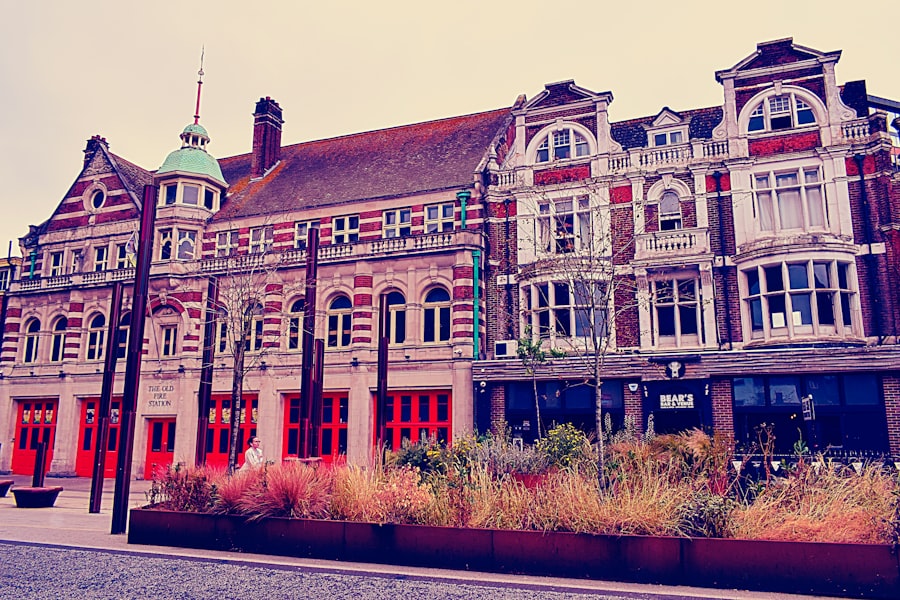
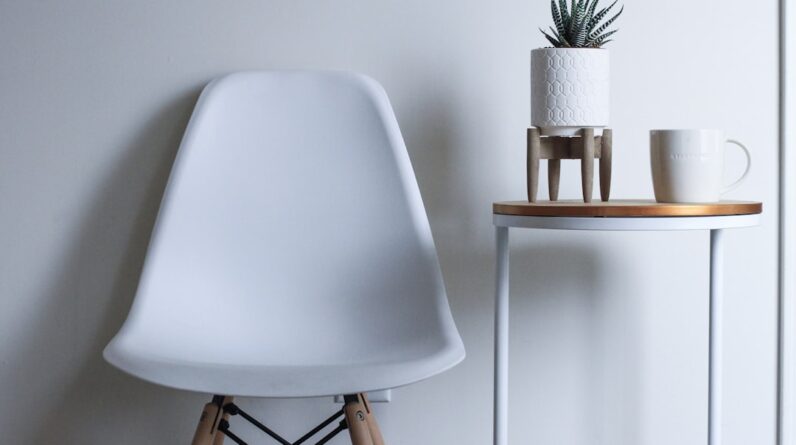
As you journey into the Mid-Century Modern era, which flourished from the 1940s to the 1960s, you will encounter a design philosophy that emphasizes simplicity, functionality, and a connection to nature. This style is characterized by clean lines, organic shapes, and an open floor plan that encourages fluidity between indoor and outdoor spaces. You may find yourself captivated by iconic furniture pieces designed by figures like Charles Eames and Eero Saarinen, which prioritize comfort without sacrificing aesthetics.
Mid-Century Modern design also reflects a cultural shift toward casual living and an appreciation for new materials such as plywood and fiberglass. As you explore this era’s interiors, you’ll notice an emphasis on bright colors paired with neutral tones that create a cheerful yet sophisticated atmosphere. The integration of nature into design is evident through large windows that invite natural light while blurring the boundaries between inside and outside.
This period represents a significant departure from previous styles, embracing innovation while celebrating simplicity.
Industrial and Scandinavian Design
The Industrial design movement emerged in response to urbanization and the rise of factories in the late 19th century. As you delve into this style, you’ll discover an aesthetic that embraces raw materials such as exposed brick, metal beams, and concrete floors. Industrial spaces often feature open layouts with high ceilings that create an airy feel while showcasing structural elements as part of the overall design.
You may appreciate how this style celebrates functionality over ornamentation, resulting in spaces that are both practical and visually striking. In contrast to Industrial design’s ruggedness is Scandinavian design, which emphasizes minimalism, functionality, and warmth. Originating from countries like Sweden, Denmark, Norway, Finland, and Iceland, this style is characterized by clean lines, neutral color palettes, and an emphasis on natural light.
As you explore Scandinavian interiors, you’ll likely be drawn to their cozy yet uncluttered feel—often achieved through thoughtful furniture arrangements and carefully curated decor. The use of natural materials like wood creates an inviting atmosphere that fosters comfort while maintaining simplicity.
Contemporary and Eclectic Design
As you navigate through contemporary design styles today, you’ll find an exciting blend of influences from various periods combined with modern sensibilities. Contemporary design is ever-evolving; it reflects current trends while embracing innovation in materials and technology. You may notice an emphasis on sustainability as designers increasingly prioritize eco-friendly practices in their work.
Open floor plans remain popular in contemporary homes as they promote social interaction while maximizing space. Eclectic design takes this idea further by encouraging personal expression through diverse influences from different eras or cultures. As you explore eclectic interiors, you’ll likely appreciate how they celebrate individuality by combining unexpected elements—such as vintage furniture alongside modern art pieces or global textiles mixed with minimalist decor.
This style invites creativity while allowing you to curate spaces that tell your unique story through thoughtful combinations of color, texture, pattern—and most importantly—your personal experiences. In conclusion, understanding period design styles enriches your appreciation for interior aesthetics while providing inspiration for your own spaces. Each era offers distinct characteristics shaped by cultural shifts throughout history—allowing you to create environments that resonate with both beauty and meaning in today’s world.
FAQs
What are period design styles in interior design?
Period design styles in interior design refer to the various design styles that were popular during specific historical periods, such as Victorian, Art Deco, Mid-Century Modern, and others. These styles are characterized by distinct features, materials, colors, and furniture designs that were prevalent during the respective time periods.
What are some examples of period design styles?
Some examples of period design styles include Victorian, Art Deco, Mid-Century Modern, Industrial, Scandinavian, and Contemporary. Each style has its own unique characteristics and influences from the historical period it represents.
How do period design styles influence interior design?
Period design styles influence interior design by providing a framework for creating cohesive and historically accurate spaces. Designers and homeowners can draw inspiration from specific time periods to create a desired aesthetic and atmosphere within a space.
What are the key features of period design styles?
Key features of period design styles include specific architectural details, furniture designs, color palettes, materials, and decorative elements that were prevalent during the respective historical periods. For example, Victorian design often includes ornate details and rich, dark colors, while Mid-Century Modern design features clean lines and organic shapes.
How can I incorporate period design styles into my home?
You can incorporate period design styles into your home by selecting furniture, decor, and architectural elements that are characteristic of the specific style you want to achieve. This can include using period-appropriate colors, materials, and patterns, as well as integrating historical details and motifs into the design.