Scandinavian design has its roots deeply embedded in the cultural and historical contexts of the Nordic countries, which include Denmark, Sweden, Norway, Finland, and Iceland. Emerging in the early 20th century, this design movement was influenced by a combination of traditional craftsmanship and modernist principles. The aftermath of World War II played a significant role in shaping the aesthetic, as there was a collective desire for simplicity and functionality in a world that had been marred by conflict.
Designers sought to create pieces that were not only beautiful but also practical, reflecting the needs of everyday life. The movement gained momentum during the 1950s and 1960s, when Scandinavian designers began to gain international recognition. Figures such as Hans Wegner, Arne Jacobsen, and Alvar Aalto became synonymous with this style, showcasing their innovative approaches to furniture design and architecture.
Their work emphasized clean lines, organic forms, and a deep respect for materials, which resonated with a global audience. As you explore the origins of Scandinavian design, you will find that it is not merely a style but a philosophy that values simplicity, functionality, and a connection to nature.
Key Takeaways
- Scandinavian design originated in the 1950s and is influenced by the Nordic countries’ natural landscapes, climate, and cultural heritage.
- Key elements of Scandinavian design include simplicity, functionality, minimalism, and clean lines.
- The color palette in Scandinavian design is typically neutral, with an emphasis on whites, grays, and light wood tones, while materials often include natural elements such as wood, leather, and wool.
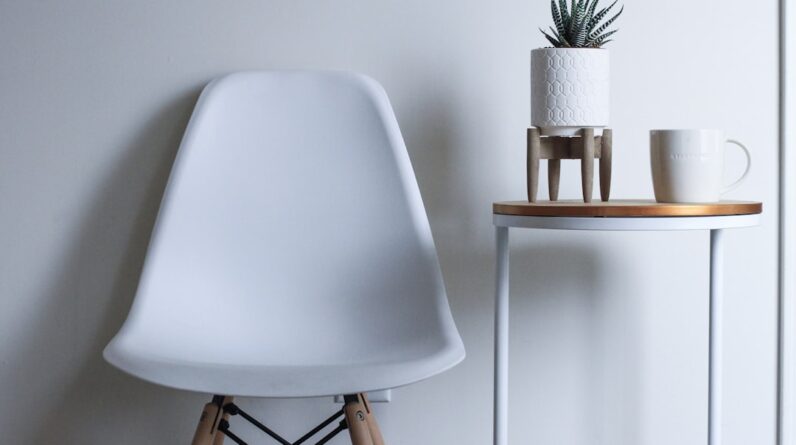
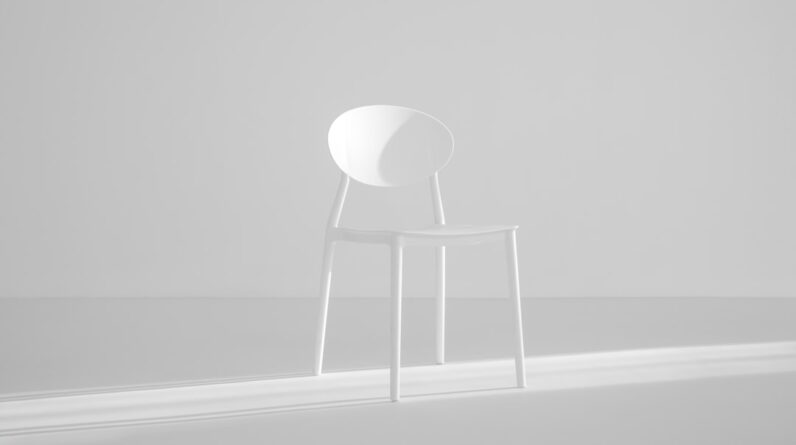
- Furniture and decor in Scandinavian design are characterized by their sleek, modern, and minimalist aesthetic, often featuring clean lines and organic shapes.
- Functionality and minimalism are central to Scandinavian design, with an emphasis on practicality and the use of space, as well as the elimination of unnecessary ornamentation and clutter.
Key Elements of Scandinavian Design
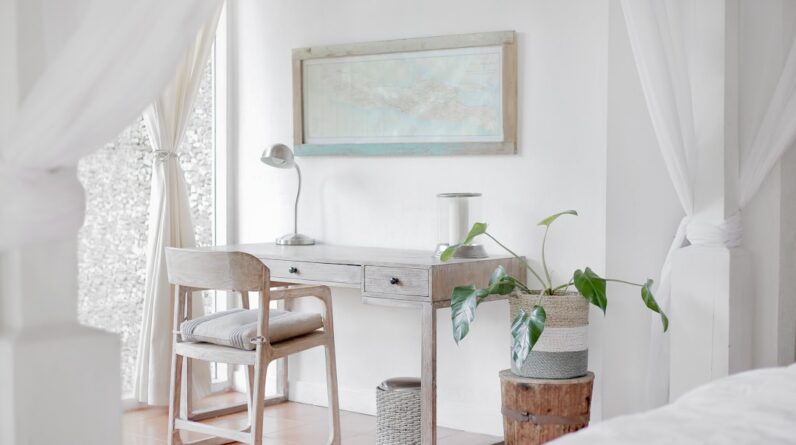
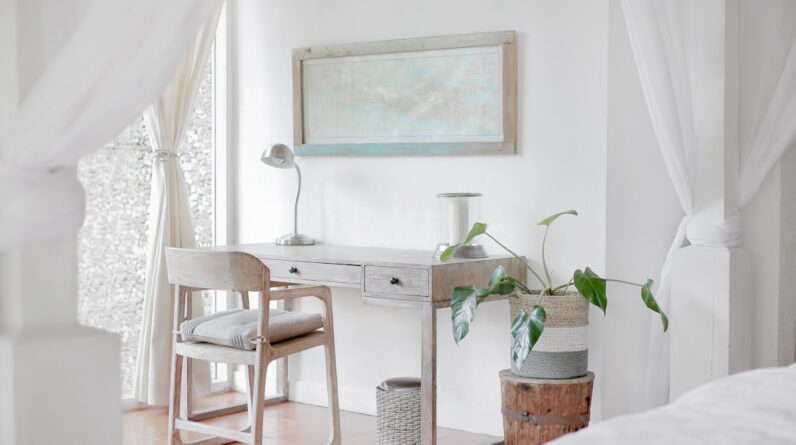
At the heart of Scandinavian design lies a commitment to minimalism and functionality. You will notice that this design ethos prioritizes clean lines and uncluttered spaces, creating an environment that feels open and inviting. The emphasis on simplicity does not mean sacrificing beauty; rather, it celebrates the elegance found in straightforward forms.
Each piece is thoughtfully designed to serve a purpose while contributing to an overall aesthetic that is both harmonious and serene. Another key element is the use of natural materials. Wood, particularly light woods like birch and pine, plays a central role in Scandinavian design.
You may find that these materials not only add warmth to a space but also connect you to the natural world. Textiles such as wool and linen are often incorporated as well, providing comfort and texture without overwhelming the senses. The combination of these elements creates a cohesive look that is both functional and visually appealing, allowing you to appreciate the beauty of everyday objects.
Color Palette and Materials in Scandinavian Design
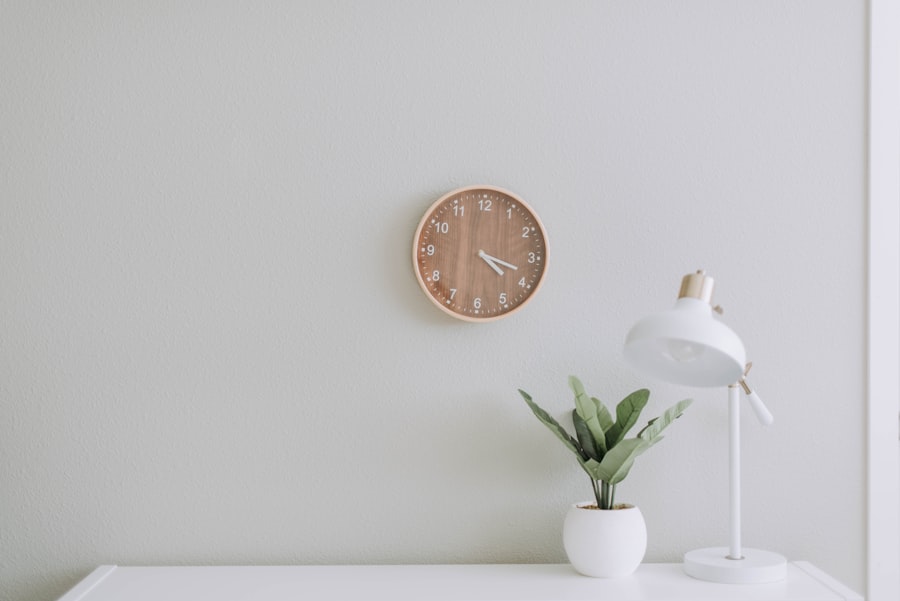
When it comes to color palettes in Scandinavian design, you will often encounter a soothing array of muted tones. Whites, grays, and soft pastels dominate the landscape, creating a tranquil atmosphere that promotes relaxation. These colors reflect the natural light that is so precious in the Nordic regions, where long winters can leave spaces feeling dark and confined.
By utilizing lighter shades, designers aim to maximize brightness and create an airy feel within interiors. In addition to color, the choice of materials is crucial in Scandinavian design. You will find an emphasis on sustainability and quality, with many designers opting for locally sourced materials that have minimal environmental impact.
Natural fibers like cotton and wool are favored for textiles, while stone and metal are often used for accents. This commitment to quality ensures that each piece not only looks good but also stands the test of time. As you delve deeper into this design style, you will appreciate how these choices contribute to an overall sense of harmony and balance.
Furniture and Decor in Scandinavian Design
Furniture in Scandinavian design is characterized by its functional yet stylish approach. You may notice that pieces are often multi-purpose, designed to adapt to various needs within a home. For instance, a coffee table might double as storage or a sofa may transform into a bed for guests.
This versatility is essential in creating spaces that are both practical and aesthetically pleasing. Decorative elements in Scandinavian interiors tend to be minimalistic but thoughtfully curated. You will find that accessories are chosen with care, often reflecting a personal touch or connection to nature.
Items such as handmade ceramics or woven baskets can add warmth without cluttering the space. The overall effect is one of understated elegance, where each piece contributes to the narrative of the home without overwhelming it. As you explore furniture and decor in this style, you will discover how simplicity can lead to profound beauty.
Functionality and Minimalism in Scandinavian Design
Functionality is perhaps the cornerstone of Scandinavian design philosophy. You will quickly realize that every element within a space serves a purpose, whether it’s a piece of furniture or an accessory. This focus on utility ensures that your home remains organized and efficient, allowing you to navigate your daily life with ease.
The idea is not just to create visually appealing spaces but also to enhance your quality of life through thoughtful design. Minimalism plays a significant role in achieving this functionality. By stripping away excess and focusing on what truly matters, you can create an environment that feels calm and centered.
You may find that embracing minimalism allows you to appreciate the beauty of simplicity while reducing distractions in your living space. This approach encourages mindfulness and intentionality in your choices, leading to a more fulfilling home experience.
Incorporating Nature in Scandinavian Design

Nature is an integral part of Scandinavian design philosophy, reflecting the deep connection that Nordic cultures have with their environment. You will often see elements inspired by the natural world incorporated into interiors, from organic shapes in furniture to botanical motifs in textiles. This connection fosters a sense of tranquility and well-being within your home.
Bringing nature indoors can be achieved through various means. You might consider using houseplants as decorative elements or choosing furniture made from natural materials like wood or stone. Large windows that invite natural light can also help blur the lines between indoor and outdoor spaces, creating an airy feel that enhances your connection to nature.
As you explore ways to incorporate these elements into your home, you will find that they not only beautify your space but also promote a sense of peace and harmony.
Tips for Achieving Scandinavian Design in Your Home
If you’re looking to infuse your home with Scandinavian design principles, there are several tips you can follow to achieve this aesthetic effectively. Start by decluttering your space; minimalism is key in creating an environment that feels open and inviting. Consider investing in multifunctional furniture pieces that serve more than one purpose, allowing you to maximize your space without sacrificing style.
Next, focus on your color palette. Opt for light neutrals as your base colors while incorporating soft pastels or muted tones for accents. This approach will help create a serene atmosphere that reflects the essence of Scandinavian design.
Additionally, choose natural materials whenever possible—wooden furniture, woolen textiles, and stone accents can all contribute to an authentic Nordic feel in your home.
The Timelessness of Scandinavian Design
One of the most remarkable aspects of Scandinavian design is its timelessness. You will find that its principles remain relevant regardless of changing trends or fads in the design world. The focus on functionality, simplicity, and connection to nature ensures that these designs endure through generations.
As you embrace this style in your own home, you can feel confident knowing that it will continue to resonate with both you and future inhabitants. Moreover, the adaptability of Scandinavian design allows it to blend seamlessly with other styles. Whether you prefer modern minimalism or rustic charm, you can incorporate elements of Scandinavian design into your existing decor without feeling out of place.
This versatility further solidifies its status as a lasting influence in the world of interior design. As you explore this timeless aesthetic, you will discover how it can enhance your living space while providing comfort and beauty for years to come.
FAQs
What is Scandinavian design in interior design?
Scandinavian design in interior design is a minimalist and functional approach that originated in the Nordic countries of Denmark, Norway, Sweden, and Finland. It is characterized by clean lines, natural materials, and a neutral color palette.
What are the key elements of Scandinavian design in interior design?
Key elements of Scandinavian design in interior design include simplicity, functionality, natural light, clean lines, minimalism, neutral colors, and the use of natural materials such as wood, leather, and wool.
What are some common features of Scandinavian interior design?
Common features of Scandinavian interior design include open floor plans, white walls, light-colored flooring, cozy textiles, natural light, and a focus on creating a sense of warmth and comfort in the space.
How can I incorporate Scandinavian design into my home?
To incorporate Scandinavian design into your home, you can start by decluttering and simplifying your space, using light and neutral colors, incorporating natural materials such as wood and leather, adding cozy textiles like sheepskin rugs and knit throws, and maximizing natural light.
What are some popular Scandinavian furniture pieces?
Popular Scandinavian furniture pieces include the Eames Lounge Chair, the Wishbone Chair, the Panton Chair, the Egg Chair, the Poäng Chair, and the Malm bed frame. These pieces are known for their timeless design, functionality, and comfort.