


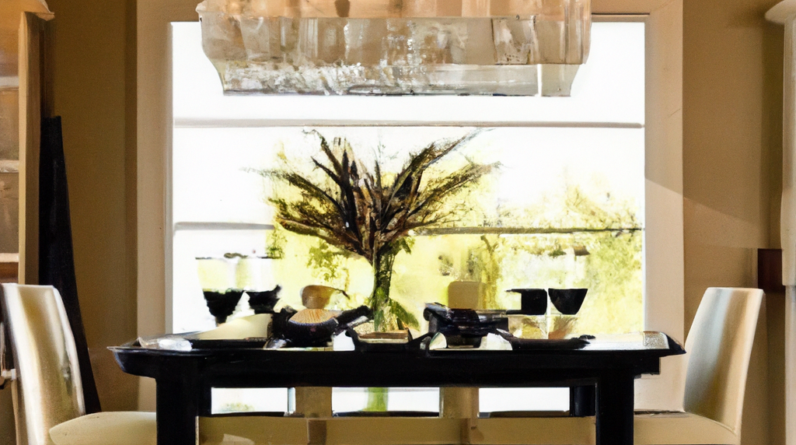
Are you looking to transform your living space into a stylish and functional oasis? Look no further than the Interior Design Service Centennial Colorado. With their expert team of interior designers, they are dedicated to creating spaces that reflect your unique personality and meet your design aspirations. Whether you are revamping your home or embarking on a commercial project, their meticulous attention to detail and unwavering commitment to customer satisfaction will ensure your space is nothing short of extraordinary. Get ready to elevate your living experience with the Interior Design Service Centennial Colorado.
About Centennial, Colorado
Location and Background
Centennial is a city located in the state of Colorado, nestled in the Denver-Aurora-Lakewood metropolitan area. With its prime location just south of Denver, Centennial offers residents and visitors easy access to the bustling city while still maintaining a peaceful and suburban atmosphere. The city was incorporated on February 7, 2001, and has since grown to become a vibrant community with a population of approximately 110,000 residents.
Population and Demographics
Centennial is known for its diverse population, with people from various backgrounds and age groups calling the city home. As of the latest census data, the population of Centennial is composed of a mix of families, young professionals, and retirees. The city boasts a strong sense of community, with numerous neighborhood events and recreational activities that cater to the interests and needs of its residents.
Economic Overview
Centennial thrives economically, with a healthy and diverse business landscape. The city is home to numerous industries ranging from technology and healthcare to retail and hospitality. This diverse economic base provides residents with ample career opportunities and contributes to the overall stability and growth of the city. The favorable business environment in Centennial has also resulted in a steady increase in property values, making it an attractive location for both businesses and homeowners.
Importance of Interior Design
Creating Functional and Aesthetically Pleasing Spaces
Interior design plays a crucial role in creating functional and aesthetically pleasing spaces within homes, offices, and commercial establishments. It involves the art and science of harmonizing elements such as color, lighting, furniture, and decor to create a cohesive and inviting environment. By carefully considering the layout and flow of a space, interior designers can optimize the functionality of a room while also enhancing its visual appeal and overall atmosphere.
Enhancing Property Value
Investing in interior design services can significantly enhance the value of a property. Well-designed and thoughtfully decorated spaces are highly desirable in the real estate market, as they not only attract potential buyers but also increase the perceived value of a property. A well-designed interior can make a lasting impression and set a property apart from others, ultimately leading to a higher resale value and return on investment.
Improving Quality of Life
The design of our surroundings has a significant impact on our overall well-being and quality of life. Interior design can greatly improve our daily lives by creating spaces that promote comfort, productivity, and relaxation. A well-designed home can be a sanctuary, providing a sense of security and tranquility. Similarly, a thoughtfully designed office can boost employee morale and productivity. In both residential and commercial settings, interior design has the power to enhance our everyday experiences and contribute to our overall happiness and satisfaction.

Types of Interior Design Services
Residential Interior Design
Residential interior design focuses on creating functional and aesthetically pleasing spaces within private homes. Whether it’s a single room renovation or a full house redesign, residential interior designers work closely with homeowners to understand their needs, preferences, and lifestyles. From choosing color schemes and furniture to selecting artwork and accessories, residential interior design services are tailored to create personalized and inviting spaces that reflect the homeowner’s unique style.
Commercial Interior Design
Commercial interior design caters to the needs of businesses and organizations, creating spaces that align with their brand identity and corporate goals. From retail establishments to restaurants and offices, commercial interior designers consider factors such as branding, functionality, and user experience when designing the interior spaces. They work closely with clients to ensure that the design not only meets their practical needs but also creates a welcoming and professional environment for their customers, clients, and employees.
Office Interior Design
Office interior design focuses specifically on creating functional and inspiring work environments. From open-plan offices to private cubicles, office interior designers take into account factors such as space utilization, employee productivity, and ergonomic design. They create layouts that promote collaboration, creativity, and well-being, while also reflecting the company’s culture and values. Through the use of furniture, lighting, and color schemes, office interior design aims to optimize the efficiency and overall satisfaction of those working within the space.
Hospitality Interior Design
Hospitality interior design encompasses the design of hotels, resorts, restaurants, and other leisure and entertainment venues. This type of design focuses on creating memorable experiences for guests by incorporating luxurious and inviting elements. Hospitality interior designers consider factors such as ambiance, comfort, and functionality when designing these spaces. By carefully selecting materials, colors, and furnishings, they create environments that evoke a specific atmosphere and cater to the needs and desires of guests.
Retail Interior Design
Retail interior design is all about creating engaging and visually appealing spaces that attract customers and promote sales. Retail designers work closely with store owners to craft layouts that optimize flow and maximize product exposure. They pay attention to details such as aisle width, display placement, and lighting to create an inviting and intuitive shopping experience. By considering the target audience and brand identity, retail interior designers create spaces that reflect the unique personality of the store and enhance the overall shopping experience.
Finding the Right Interior Design Service
Researching Local Interior Designers
When searching for the right interior design service in Centennial, it’s essential to conduct thorough research to ensure you find a reputable and experienced professional. Start by looking for local interior designers who have a strong presence in the Centennial community. Read customer reviews and testimonials to gain insights into their work ethic, communication skills, and overall satisfaction of their previous clients. Take note of any awards or recognition they have received, as this is a testament to their expertise and dedication.
Checking Portfolios and References
A crucial step in finding the right interior design service is reviewing the portfolio of potential designers. Pay close attention to their past projects and assess whether their design style aligns with your vision and preferences. Request references from previous clients and reach out to inquire about their experience working with the designer. This will give you valuable firsthand information about the designer’s professionalism, timeliness, and ability to deliver on their promises.
Understanding the Design Process
Before hiring an interior designer, it’s important to have a clear understanding of their design process. Arrange an initial consultation to discuss your project and objectives. During this meeting, the designer should provide you with a clear overview of how they approach projects, from the initial design concept to the final installation. Take note of their communication style and willingness to involve you in the decision-making process. A good interior designer should be able to explain their design concepts and methods in a way that you can easily understand and collaborate with.
Considering Budget and Timeline
Another crucial factor to consider when choosing an interior design service is your budget and timeline. Clearly communicate your budgetary constraints to potential designers and ensure they can work within your financial limitations. Additionally, discuss your desired timeline for the project and make sure the designer can accommodate your needs. It’s important to find a balance between your expectations and the reality of what can be achieved within your constraints, ensuring a smooth and stress-free design process.

Benefits of Hiring an Interior Designer
Expertise and Experience
One of the key benefits of hiring an interior designer is their expertise and experience in the field. Interior designers undergo extensive training and education to develop their skills and stay updated with the latest trends and techniques. They possess a deep knowledge of design principles, color schemes, space planning, and furniture selection. By leveraging their expertise, interior designers can transform your space into a well-designed and functional environment that meets your specific needs and preferences.
Access to Industry Resources
Interior designers have access to a vast network of suppliers, manufacturers, and industry professionals. This enables them to source high-quality materials, furnishings, and accessories at competitive prices. Designers also have the ability to negotiate favorable pricing on behalf of their clients, ensuring that they get the best value for their investment. By tapping into their extensive network, interior designers can provide access to unique and exclusive pieces that are not readily available to the general public.
Time and Cost Savings
Contrary to popular belief, hiring an interior designer can actually save time and money in the long run. Designing a space involves numerous decisions, from selecting materials to coordinating contractors. An interior designer can streamline the process by providing guidance and recommendations tailored to your needs, ultimately saving you from costly mistakes and time-consuming research. They will manage the project and handle any unforeseen issues that may arise, allowing you to focus on other priorities without the stress and hassle of overseeing the entire process.
Personalized Design Solutions
Interior designers have the ability to create personalized design solutions that perfectly meet your unique needs and preferences. They take the time to understand your lifestyle, functional requirements, and aesthetic preferences, and translate them into a cohesive and visually stunning design. Whether you’re looking for a contemporary, traditional, or eclectic style, an interior designer can curate a space that embodies your individuality and tells your personal story. With their guidance and expertise, you can achieve a tailored and sophisticated design that exceeds your expectations.
Interior Design Trends in Centennial
Incorporating Nature and Sustainability
Centennial, like many cities in Colorado, embraces nature and outdoor activities. The interior design trends in Centennial often reflect this love for the outdoors by incorporating natural elements and sustainable practices. This includes using eco-friendly materials such as bamboo flooring, reclaimed wood furniture, and organic textiles. Natural color palettes inspired by the surrounding landscapes, as well as the use of indoor plants and living walls, are also prevalent trends that bring a touch of the outdoors inside.
Minimalism and Scandinavian Design
Minimalism and Scandinavian design are popular interior design trends in Centennial that emphasize simplicity, functionality, and clean lines. The clean and uncluttered aesthetic of minimalism creates a sense of calm and tranquility, making it ideal for those seeking a peaceful retreat. Scandinavian design, on the other hand, focuses on creating cozy and inviting spaces through the use of natural materials, soft textures, and warm lighting. These design styles are often characterized by neutral color palettes, light-colored woods, and minimal ornamentation.
Bold Colors and Patterns
Centennial’s vibrant personality is also reflected in interior design trends that embrace bold colors and patterns. From accent walls in rich jewel tones to bold geometric wallpaper, these design elements inject personality and visual interest into a space. Bold colors and patterns can be incorporated through furnishings, textiles, and artwork to create a lively and eye-catching environment. This trend allows individuals to showcase their unique style and create spaces that make a bold statement.
Smart Home Technology Integration
As technology continues to advance, Centennial residents are increasingly incorporating smart home technology into their interior design. From voice-activated lighting and thermostats to automated window treatments and entertainment systems, these technological advancements have become an integral part of modern interior design. Smart home technology not only adds convenience but also enhances the overall functionality and energy efficiency of a space. Integrating these technologies seamlessly into the design ensures a harmonious and future-proofed living environment.
Process of Working with an Interior Designer
Initial Consultation
Once you have selected an interior designer, the first step is typically an initial consultation. During this meeting, you will have the opportunity to discuss your project goals, budget, and timeline. The designer will ask you questions to gain a deeper understanding of your needs, preferences, and expectations. It is important to be open and honest during this phase, as it lays the foundation for the design process.
Design Concept Development
After the initial consultation, the interior designer will begin developing design concepts tailored to your specific requirements. They will take into account your preferred style, functional needs, and budget constraints. This phase involves creating mood boards, conceptual drawings, and presenting design inspirations to help you visualize the proposed design direction. Collaboration and feedback during this phase are crucial to ensure that the design accurately reflects your vision.
Space Planning and Layout
Once the design concept is finalized, the interior designer will focus on space planning and layout. They will determine the best placement for furniture, fixtures, and other design elements to optimize the functionality and flow of the space. This phase may involve creating detailed floor plans, 3D renderings, or physical mock-ups to give you a clear understanding of the proposed layout. The designer will work closely with you to ensure that the space meets your unique needs and requirements.
Material and Furniture Selection
Once the space planning is complete, the next step is selecting materials, finishes, and furnishings. The interior designer will present you with options for flooring, wall coverings, paint colors, furniture, lighting, and accessories. They will guide you through the selection process, offering their expertise in sourcing high-quality materials and furnishings that align with your design vision and budget. The designer will create a cohesive and balanced design scheme by carefully considering the colors, textures, and materials used throughout the space.
Installation and Project Management
Once the design selections are finalized, the interior designer will oversee the installation and project management phase. They will coordinate with contractors, vendors, and other professionals involved in the project to ensure a smooth and timely execution of the design plan. The designer will be responsible for scheduling deliveries, overseeing construction or renovation work, and managing any unexpected issues that may arise. During this phase, their role is to ensure that the design is implemented according to the agreed-upon specifications and to make any necessary adjustments along the way.
Costs of Interior Design Services
Hourly Design Fees
Many interior designers charge an hourly fee for their services. The hourly rate can vary depending on factors such as the designer’s experience, location, and the complexity of the project. This fee structure is typically used for smaller-scale projects or when the scope of work is not clearly defined. Hourly design fees are billed based on the actual time spent on the project, including meetings, research, shopping, and administrative tasks.
Flat Fee Contracts
Flat fee contracts are commonly used for larger-scale projects or when the scope of work is well-defined. With this fee structure, the designer charges a fixed fee for the entire project, regardless of the amount of time spent. The flat fee is determined based on a thorough analysis of the project’s specifications, including the size of the space, complexity of the design, and anticipated hours required. This provides the client with a clear understanding of the cost upfront and eliminates any surprises.
Cost-Plus Pricing
Cost-plus pricing is a fee structure where the interior designer charges a percentage markup on the cost of materials, furnishings, and services procured for the project. This allows the designer to pass on any trade discounts they receive from suppliers to the client while still earning a profit. Cost-plus pricing is transparent and ensures that the client pays the actual cost of the items and services purchased, along with the agreed-upon markup. This fee structure is common for procurement-heavy projects, where the designer is responsible for sourcing and managing the purchase of items on behalf of the client.
Estimated Project Expenses
In addition to the design fees, it’s important to consider other project expenses that may be incurred during the design process. These expenses can include the cost of materials, furnishings, contractor fees, permits, and any unexpected costs that may arise during the project. It’s important to discuss these potential expenses with the interior designer and have a clear understanding of how they will be managed and communicated throughout the project.
Choosing the Right Interior Design Style
Traditional
Traditional interior design embraces classic elements and timeless elegance. It is characterized by rich colors, ornate furnishings, and intricate details. Traditional designs often draw inspiration from European and historic styles, incorporating features such as crown molding, chandeliers, and luxurious fabrics. This style evokes a sense of sophistication and refinement, making it ideal for those who appreciate timeless beauty and traditional aesthetics.
Modern
Modern interior design focuses on simplicity, clean lines, and minimalism. It embraces the use of natural light, open floor plans, and streamlined furniture. Modern designs often feature a neutral color palette with pops of bold color or statement artwork for visual interest. This style is perfect for those who prefer a sleek and uncluttered environment that is both functional and visually appealing.
Contemporary
Contemporary design is often confused with modern design, but it has its own distinct characteristics. It refers to the current design trends and incorporates elements from various styles and eras. Contemporary designs tend to be more fluid and adaptable, blending different design elements to create a unique and eclectic look. This style is ideal for those who appreciate a constantly evolving aesthetic and a mix of old and new elements.
Transitional
Transitional interior design strikes a balance between traditional and modern styles. It combines classic and contemporary elements to create a sophisticated and timeless look. Transitional designs often feature neutral color palettes, clean lines, and a mix of traditional and modern furniture. This style is popular among those who want the warmth and familiarity of traditional design while embracing the clean and uncluttered aesthetics of modern design.
Eclectic
Eclectic interior design is all about combining different styles, textures, and colors to create a visually stimulating and unique space. It involves mixing and matching various design elements that may not typically go together, resulting in an eclectic and personalized look. This style allows for individual expression and encourages creativity. It is perfect for those who want to create a space that reflects their personality and showcases their favorite pieces, regardless of their style or origin.
Working with an Interior Designer Remotely
Virtual Consultations
In today’s digital age, working with an interior designer remotely has become increasingly common and accessible. Virtual consultations allow clients to connect with interior designers no matter their location. Through video conferencing platforms and virtual tours, designers can gain a clear understanding of the space and discuss project goals and design preferences. Virtual consultations provide convenience and flexibility, allowing clients to engage with interior designers without the need for in-person meetings.
Digital Design Presentations
Designers can now present their concepts and design proposals digitally, reducing the need for physical presentations. Using advanced software and 3D modeling, interior designers can create visual representations of their design concepts, allowing clients to see and understand the proposed designs from the comfort of their homes. This not only saves time but also provides a more immersive and interactive experience for clients.
Online Shopping and Product Selection
With the rise of e-commerce, interior designers now have access to a vast array of products and materials online. They can create curated product lists and design boards specifically tailored to your project. Through digital platforms, designers can collaborate with clients in real-time, offering an efficient and convenient way to shop for furniture, decor, and materials. Online shopping and product selection simplify the procurement process, ensuring that the design vision is executed seamlessly.
Remote Project Management
With the help of technology, interior designers can effectively manage projects remotely. They can communicate with contractors, suppliers, and other professionals involved in the project through virtual platforms. Remote project management enables designers to oversee the entire design process and ensure that timelines are adhered to, even from a distance. This flexibility allows clients to work with interior designers regardless of their location, opening up opportunities for collaboration beyond geographical boundaries.
In conclusion, Centennial, Colorado, offers a vibrant and diverse community that appreciates the importance of interior design in creating functional and aesthetically pleasing spaces. Whether it’s residential, commercial, or hospitality design, the city boasts a range of interior design services to cater to various needs and preferences. By researching and selecting the right interior designer, residents of Centennial can benefit from their expertise, access to industry resources, and personalized design solutions. The city’s design trends, such as incorporating nature and sustainability, minimalism, bold colors, and smart home technology integration, further enhance the local interior design scene. Working with an interior designer in Centennial in person or remotely offers numerous advantages, such as time and cost savings, access to digital design presentations, and the opportunity to create personalized and unique spaces. Through well-planned design concepts, meticulous project management, and a variety of interior design styles to choose from, Centennial residents can transform their spaces into beautiful and functional environments that uplift their quality of life.