


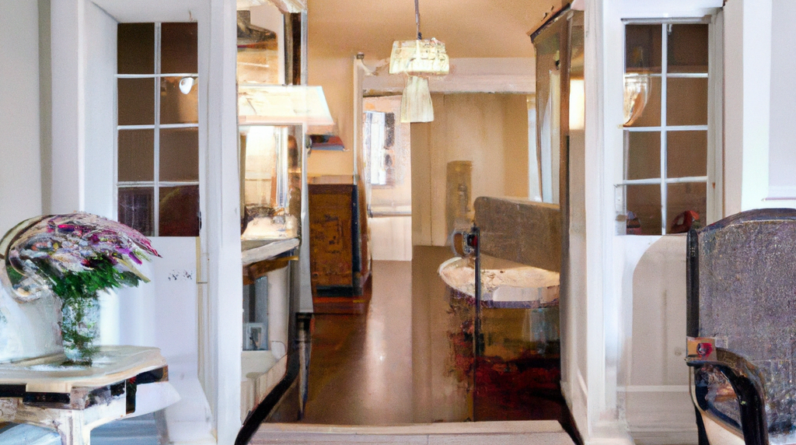
You’ve finally found the key to transforming your living space into the haven you’ve always dreamed of. With the help of our top-notch Interior Design Service in Columbia, South Carolina, achieving the perfect balance between functionality and style is now within your reach. From creating a cozy living room retreat to designing a chic and modern kitchen, our team of experienced professionals is ready to bring your vision to life. Let’s embark on a journey of endless possibilities as we explore the boundless potential of your home together.
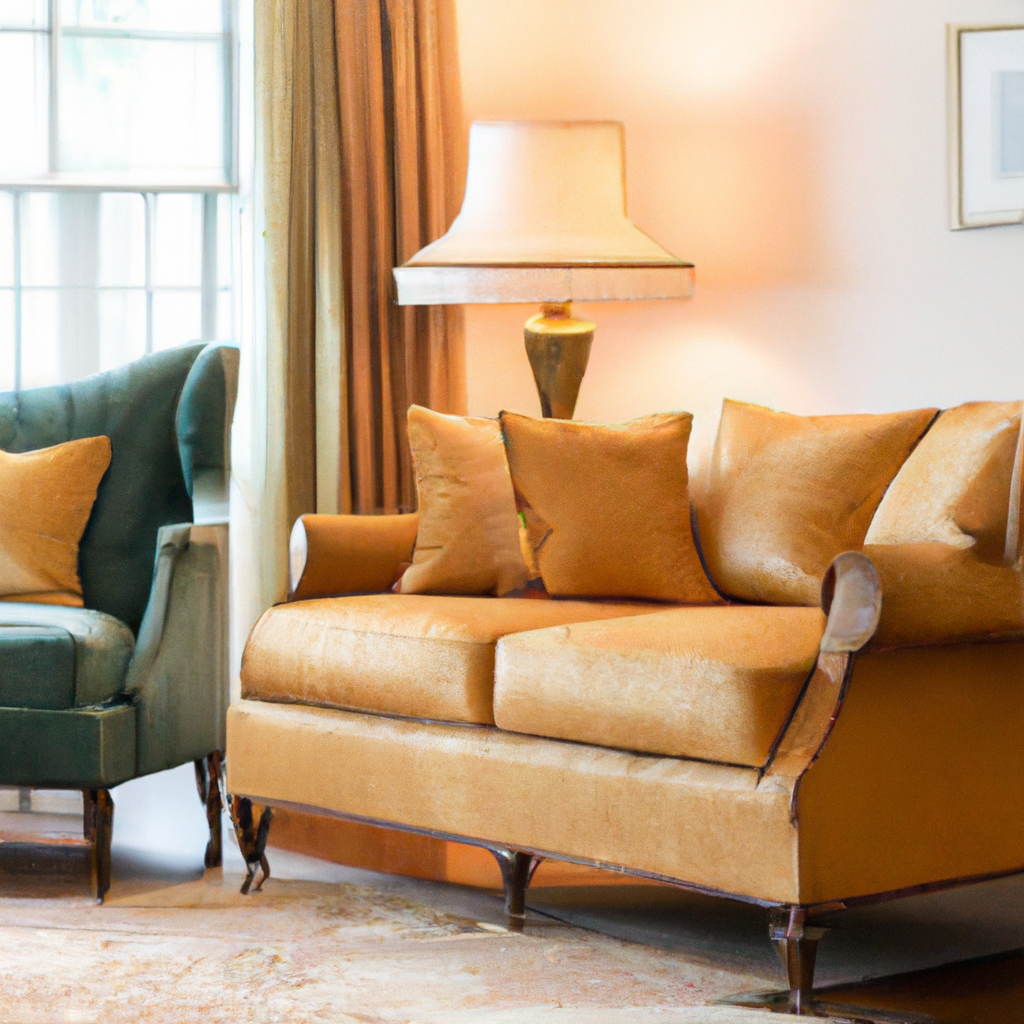
About Columbia South Carolina
Columbia, South Carolina is the capital and largest city of the state. Located in the central part of the state, Columbia is known for its historic charm, vibrant culture, and thriving arts scene. Nestled between the Saluda and Congaree Rivers, the city offers a picturesque setting with a mix of urban and natural landscapes.
Geographical Location
Columbia is situated in the heart of South Carolina, making it a convenient hub for both residents and visitors. The city is positioned at the junction of three major interstate highways, making it easily accessible from anywhere in the region. Additionally, Columbia is just a short drive away from beautiful lakes, such as Lake Murray, and scenic national parks like Congaree National Park.
Climate
The city experiences a humid subtropical climate, characterized by hot and humid summers, mild winters, and an abundance of rainfall throughout the year. This climate provides a comfortable environment for residents and allows for a wide range of outdoor activities to be enjoyed throughout the year.
Population
Columbia has a diverse and growing population, with a mix of individuals from various ethnic and cultural backgrounds. The city is home to over 131,000 residents and serves as a central hub for the surrounding metropolitan area. With its thriving economy and strong education system, Columbia continues to attract individuals and families looking for a vibrant and welcoming community.
Importance of Interior Design
Interior design plays a crucial role in creating inviting and functional spaces. Whether it’s a residential home, a commercial establishment, or a healthcare facility, a well-designed interior can greatly enhance the overall experience and satisfaction of its occupants. Here are a few reasons why interior design is important:
Creating Functional Spaces
One of the key aspects of interior design is to create spaces that are not only visually appealing but also functional and practical. Interior designers carefully analyze the needs and requirements of the clients and design spaces that optimize the use of available resources. They consider factors such as traffic flow, storage solutions, and ergonomic design to ensure that the space is efficient and serves its intended purpose.
Enhancing Aesthetics
Interior design is all about creating visually pleasing environments that reflect the style and personality of the occupants. By carefully selecting colors, textures, furniture, and accessories, interior designers can transform a bland space into a stunning masterpiece. They pay attention to every detail, from wall coverings to lighting fixtures, to create a cohesive and harmonious design that truly elevates the aesthetic appeal of the space.
Adding Value to Properties
Investing in professional interior design services can significantly increase the value of a property. Well-designed spaces not only attract potential buyers or tenants but also command higher rental or selling prices. Whether it’s a residential property, a commercial establishment, or a hospitality venue, a thoughtfully designed interior can make a lasting impression and create a positive perception of the property.
Key Factors to Consider in Interior Design
Before embarking on an interior design project, there are several key factors that need to be taken into consideration. These factors help guide the design process and ensure that the end result aligns with the client’s vision and requirements.
Budget
Determining a realistic budget is essential in any interior design project. It helps set expectations and allows the designer to make informed choices regarding materials, furnishings, and other design elements. By establishing a budget at the outset, both the designer and the client can work together to create a design that meets the desired aesthetic while staying within financial constraints.
Client Preferences
Understanding the client’s preferences and personal style is crucial in creating a design that resonates with their vision. Interior designers spend time discussing the client’s likes and dislikes, their lifestyle, and their overall design goals. This information allows the designer to tailor the design to the client’s unique tastes, resulting in a space that feels personal and reflects their individuality.
Space Constraints
Not all interior spaces are created equal, and many projects come with their own set of space constraints. Whether it’s a small apartment, an awkwardly shaped room, or limited square footage, interior designers are skilled at maximizing space and finding creative solutions. They carefully consider the layout, flow, and functionality of the space to make the most of the available area.
Design Style
Every individual has their own personal design style, whether it’s a preference for sleek and modern aesthetics or a love for traditional and classic elements. The design style needs to be carefully chosen to ensure that it aligns with the client’s preferences and complements the existing architectural features of the space. Interior designers are well-versed in different design styles and can guide clients in selecting the one that best suits their taste.
Functionality
In addition to aesthetics, functionality is a key consideration in interior design. Spaces need to be designed with the specific needs and activities of the occupants in mind. Whether it’s creating a functional kitchen layout, designing ergonomic workstations, or incorporating storage solutions, interior designers prioritize practicality to ensure that the space is not only beautiful but also highly functional.
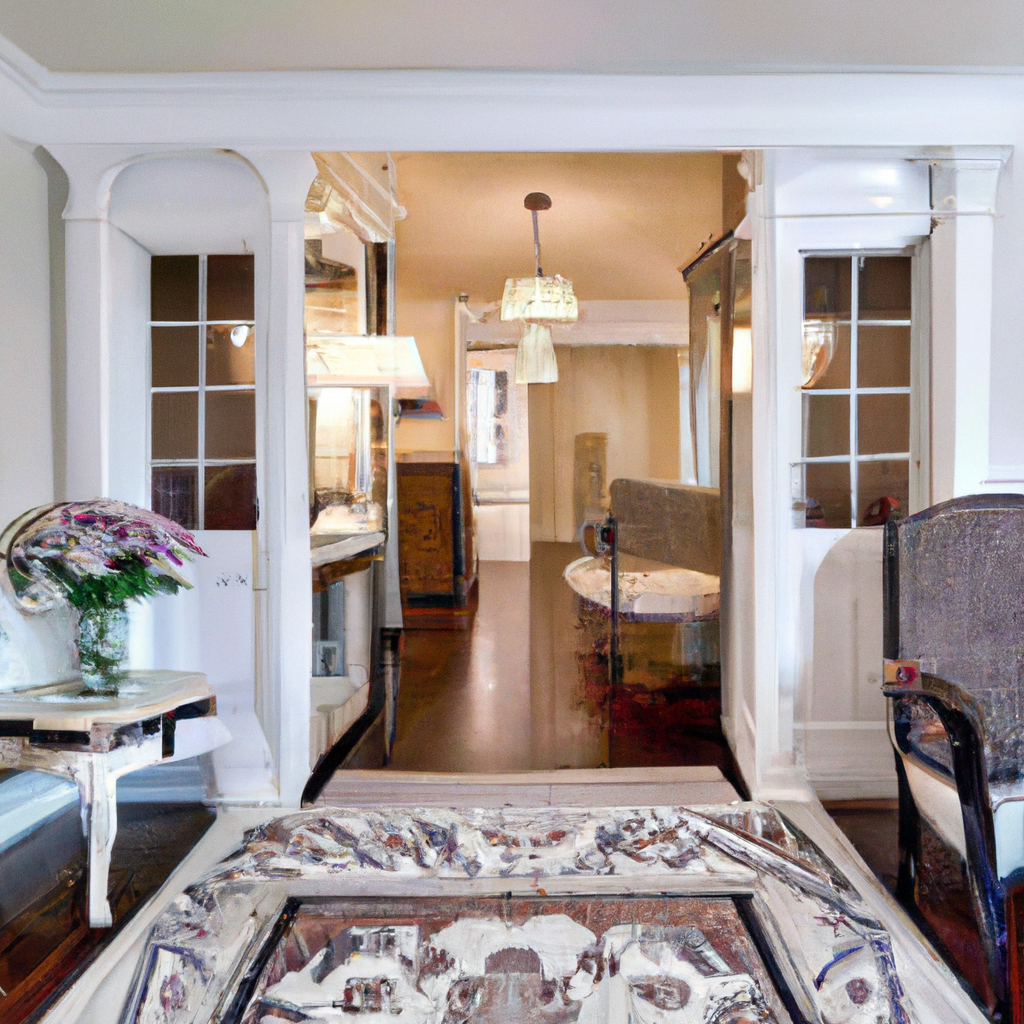
Types of Interior Design Services
Interior design services encompass a wide range of specialties, catering to different types of spaces and industries. Whether it’s a residential home, a commercial establishment, a healthcare facility, a hotel, or a retail store, there are specialized interior design services available to meet the unique needs of each sector. Here are some of the most common types of interior design services:
Residential Interior Design
Residential interior design focuses on creating comfortable and aesthetically pleasing living spaces. Whether it’s a single-family home, an apartment, or a condominium, residential interior designers work closely with homeowners to transform their vision into reality. They consider the occupants’ lifestyle, preferences, and functional needs to create personalized and inviting spaces that feel like home.
Commercial Interior Design
Commercial interior design revolves around creating inspiring and functional spaces for businesses and organizations. It includes a wide range of environments, such as offices, retail stores, restaurants, and educational institutions. Commercial interior designers focus on optimizing productivity, creating a positive brand image, and enhancing the customer experience.
Hospitality Interior Design
Hospitality interior design specializes in creating exceptional spaces for hotels, resorts, restaurants, and other hospitality venues. The primary focus is on creating memorable guest experiences and ensuring that the design aligns with the brand and ambiance of the establishment. Hospitality interior designers pay attention to every detail, from hotel lobbies and guest rooms to restaurant layouts and outdoor spaces.
Healthcare Interior Design
Healthcare interior design focuses on creating safe, healing, and patient-friendly environments within healthcare facilities. It includes hospitals, clinics, dental offices, and assisted living facilities. Healthcare interior designers understand the unique requirements of the healthcare industry, such as infection control, accessibility, and creating comforting spaces for patients, visitors, and healthcare professionals.
Retail Interior Design
Retail interior design revolves around creating engaging and immersive shopping experiences. It includes a wide range of retail spaces, such as clothing boutiques, department stores, and shopping malls. Retail interior designers carefully plan the layout, lighting, and visual merchandising to maximize customer engagement and encourage sales.
Popular Interior Design Styles
Interior design styles are constantly evolving, reflecting changing trends and the unique tastes of individuals. Whether you prefer a modern, classic, contemporary, industrial, or minimalist style, there is a design aesthetic to suit every preference.
Modern
Modern design is characterized by clean lines, minimalism, and a focus on functionality. It embraces simplicity while incorporating the latest advancements in technology and materials. Modern interiors often feature open floor plans, neutral color palettes, and a seamless integration of indoor and outdoor spaces.
Classic
Classic design takes inspiration from timeless architectural styles and incorporates refined details and luxurious materials. It embraces elegance, symmetry, and traditional craftsmanship to create opulent and sophisticated spaces. Classic interiors often feature ornate moldings, rich textures, and a muted color palette.
Contemporary
Contemporary design is sleek, stylish, and constantly evolving. It embraces current design trends while incorporating elements from various styles. Contemporary interiors often feature clean lines, bold accents, and a mix of materials and textures. This style is known for its fluidity and adaptability, allowing for personal interpretation and customization.
Industrial
Industrial design draws inspiration from urban lofts and converted industrial spaces. It embraces raw materials, exposed structures, and unfinished textures to create a rugged and edgy aesthetic. Industrial interiors often feature exposed brick walls, metal accents, and a neutral color palette with pops of bold colors.
Minimalist
Minimalist design focuses on simplicity, functionality, and the concept of “less is more”. It embraces clean lines, open spaces, and a decluttered aesthetic. Minimalist interiors often feature neutral color schemes, sleek furniture, and a curated selection of decorative elements. The emphasis is on creating a peaceful and harmonious environment with a sense of tranquility.
Finding the Right Interior Design Service
When it comes to selecting an interior design service in Columbia, South Carolina, there are several factors to consider to ensure a successful collaboration and a beautifully designed space.
Researching Local Designers
Start by researching local interior designers in Columbia. Look for designers who have experience in the specific type of project you have in mind, whether it’s residential, commercial, or hospitality design. Check out their websites, social media profiles, and online portfolios to get a feel for their aesthetic style and the quality of their work.
Checking Portfolios
Examining the designers’ portfolios is an essential step in the selection process. Take the time to review their past projects and assess whether their design style aligns with your preferences. Look for versatility in their portfolio, as it demonstrates their ability to adapt to different design styles and create unique and personalized spaces.
Reading Client Reviews
Client reviews and testimonials provide valuable insights into the designers’ professionalism, communication skills, and ability to meet deadlines. Look for reviews that mention the overall satisfaction of the clients and their experience throughout the design process. This will give you a better idea of what to expect when working with a particular designer.
Meeting with Designers
Once you have narrowed down your list, schedule meetings with the designers you are considering. This allows you to get a sense of their personality, communication style, and level of enthusiasm for your project. During these meetings, discuss your design goals, budget, and timeline to ensure that the designer understands your vision and can deliver on your expectations.
Comparing Quotes
Obtaining detailed quotes from multiple designers is crucial in order to make an informed decision. Compare the services offered, the estimated project timelines, and the overall cost of the project. Take into consideration factors such as the designer’s expertise, the level of customization, and the quality of materials and furnishings included in each quote. It’s important to find a balance between cost and quality to ensure the best outcome for your project.
Interior Design Trends in Columbia South Carolina
Columbia, South Carolina is a city that embraces a rich cultural heritage and southern charm. When it comes to interior design, there are several trends that have gained popularity in the region. Incorporating these trends in your design project can reflect a contemporary aesthetic while adding a touch of local flair.
Incorporating Southern Charm
The southern charm of Columbia can be reflected in interior design through the use of warm and inviting color palettes, traditional patterns, and classic architectural features. Elements such as exposed brick walls, reclaimed wood accents, and wrought iron details can add a sense of history and character to the space.
Utilizing Natural Materials
A trend that is gaining popularity in Columbia is the use of natural materials. Designers are incorporating elements such as wooden furniture, stone countertops, and live plants to bring a sense of nature indoors. These materials not only add visual interest to the space but also create a calming and organic atmosphere.
Embracing Colorful Accents
While neutral color palettes continue to be popular in interior design, Columbia residents are embracing the use of colorful accents to add personality and vibrancy to their spaces. Bold pops of color through accessories, artwork, or accent walls can create a visually striking impact and reflect the energetic spirit of the city.
Mixing Vintage and Modern Elements
A trend that has gained traction in Columbia is the blending of vintage and modern elements. This approach creates a unique and eclectic design style by combining classic pieces with contemporary furnishings. Mixing old and new adds visual interest and creates a sense of depth and character in the space.
Creating Cozy and Inviting Spaces
In Columbia, there is a focus on creating cozy and inviting spaces that promote relaxation and comfort. Designers are incorporating soft textures, plush furniture, and cozy lighting to create a warm and welcoming ambiance. From inviting reading nooks to cozy seating areas, these spaces are perfect for unwinding after a long day.
Benefits of Hiring an Interior Designer
Hiring an interior designer offers numerous benefits that can make the design process smoother and more enjoyable. Here are some of the advantages of working with a professional designer:
Expertise and Experience
Interior designers have the knowledge and expertise to transform a space into a well-designed and functional environment. They stay updated on the latest design trends, materials, and technologies, ensuring that the final result is both stylish and timeless. Their experience allows them to tackle design challenges and find creative solutions that may not be apparent to the average homeowner.
Saves Time and Effort
Designing a space can be overwhelming and time-consuming for individuals with little to no experience in interior design. Hiring a professional designer saves both time and effort. Designers have established processes and industry connections, which streamline the design process and ensure that everything runs smoothly. They take care of the details, allowing clients to focus on other aspects of their lives.
Access to Resources and Industry Connections
Interior designers have access to a vast network of suppliers, contractors, and other industry professionals. This network enables them to source high-quality materials, furnishings, and accessories at competitive prices. Designers can also recommend trusted contractors and oversee the project to ensure that it is completed to the highest standards.
Designing within Budget
One of the challenges of interior design is managing the budget. Designers have the expertise to create a design plan that maximizes the budget while still achieving the desired aesthetic. They have a keen eye for value and know where to splurge and where to save, making the most of the available resources.
Attention to Detail
Interior designers have a meticulous eye for detail and consider every aspect of the design process. From selecting the right paint color to the placement of furniture, designers carefully curate every element to create a cohesive and visually pleasing space. Their attention to detail ensures that every aspect of the design is well thought out and intentional.
How to Work with an Interior Designer
Once you have selected an interior designer for your project, it’s important to establish a positive and effective working relationship. Follow these tips to ensure a successful collaboration:
Establishing Communication
Open and clear communication is key to a successful design project. Establish a method of communication that works best for both you and the designer, whether it’s through email, phone calls, or in-person meetings. Regularly communicate your design preferences, concerns, and any changes or updates that may arise.
Sharing Design Inspiration
Provide your designer with as much information as possible regarding your design preferences and inspirations. Share images, magazine clippings, or online references that reflect the aesthetic you are hoping to achieve. This will give the designer a better understanding of your style and allow them to incorporate your vision into the design.
Setting Realistic Expectations
During the initial meetings, discuss your budget, timeline, and any constraints or limitations that may impact the design process. Be open and honest about your expectations to ensure that they align with what the designer can realistically deliver. Setting realistic expectations from the beginning will minimize misunderstandings and ensure a smooth process.
Providing Feedback and Collaboration
Interior design is a collaborative process, and your feedback is crucial in shaping the final design. Provide honest feedback on design concepts, materials, and furniture options. Be open to suggestions and trust your designer’s expertise. A good designer will listen to your input and work with you to create a design that reflects your style and preferences.
Reviewing and Approving Design Plans
As the design progresses, your designer will present you with design plans, mood boards, and 3D renderings. Take the time to review these documents and provide your input. Ask questions and seek clarifications if needed. Once you are satisfied with the proposed design, give your approval to proceed with the implementation phase.
Conclusion
Interior design plays a vital role in creating inviting, functional, and aesthetically pleasing spaces. Whether it’s a residential, commercial, or hospitality project, working with a professional interior designer in Columbia, South Carolina can help bring your design vision to life. By considering factors such as budget, client preferences, and space constraints, you can find the right designer who will create a beautiful and personalized space that reflects your unique style. Embrace the latest trends, such as incorporating Southern charm and utilizing natural materials, to infuse your design with a touch of local flair. With the expertise and experience of an interior designer, you can transform your space into a place that truly enhances your quality of life.