


Are you looking to transform your living space into a beautifully designed oasis? Look no further than the Interior Design Service in Murrieta, California. With a focus on creativity, functionality, and personalized style, our team of expert designers is here to help you bring your vision to life. Whether you’re looking to revamp a single room or redesign your entire home, our friendly and professional staff will guide you through the process, ensuring every detail is tailored to your unique taste and needs. Let us turn your house into a place you’ll love to call home with the Interior Design Service Murrieta California.
About Murrieta, California
Location
Murrieta is a city located in southwestern Riverside County, California. Situated between two major metropolitan areas, Los Angeles and San Diego, the city offers a peaceful, suburban lifestyle while still being within easy reach of the bustling city life. With its convenient location near major highways and airports, Murrieta provides easy access to both local and international destinations.
Population
As of the most recent data, Murrieta has a population of approximately 116,000 residents. Over the years, Murrieta has experienced significant growth, making it one of the fastest-growing cities in California. Its growing population contributes to the city’s vibrant and diverse community, fostering a welcoming and inclusive atmosphere for both residents and visitors.
Climate
Murrieta experiences a Mediterranean climate, characterized by hot summers and mild winters. The city enjoys plenty of sunshine throughout the year, with an average of more than 270 sunny days annually. Summers in Murrieta can get quite hot, with temperatures reaching the high 90s Fahrenheit, while winters are generally mild, with temperatures ranging from the 50s to low 70s. The pleasant climate of Murrieta enhances the appeal of its beautiful landscapes and outdoor recreational opportunities.
Introduction to Interior Design
What is Interior Design?
Interior design is the art and science of enhancing the interior spaces of a building to create a functional and aesthetically pleasing environment. It involves the thoughtful arrangement of furniture, colors, materials, lighting, and decorative elements to transform a space into a cohesive and visually appealing design. Interior design goes beyond mere decoration, focusing on creating spaces that are both functional and beautiful, enhancing the well-being and quality of life of those who inhabit them.
Importance of Interior Design
Interior design plays a crucial role in our daily lives. Well-designed spaces have the power to evoke emotions, influence moods, and improve overall productivity and well-being. A thoughtfully designed interior can enhance the functionality of a space, making it more efficient and practical for its intended purpose. Additionally, interior design can create a sense of harmony and balance, promoting relaxation and tranquility.
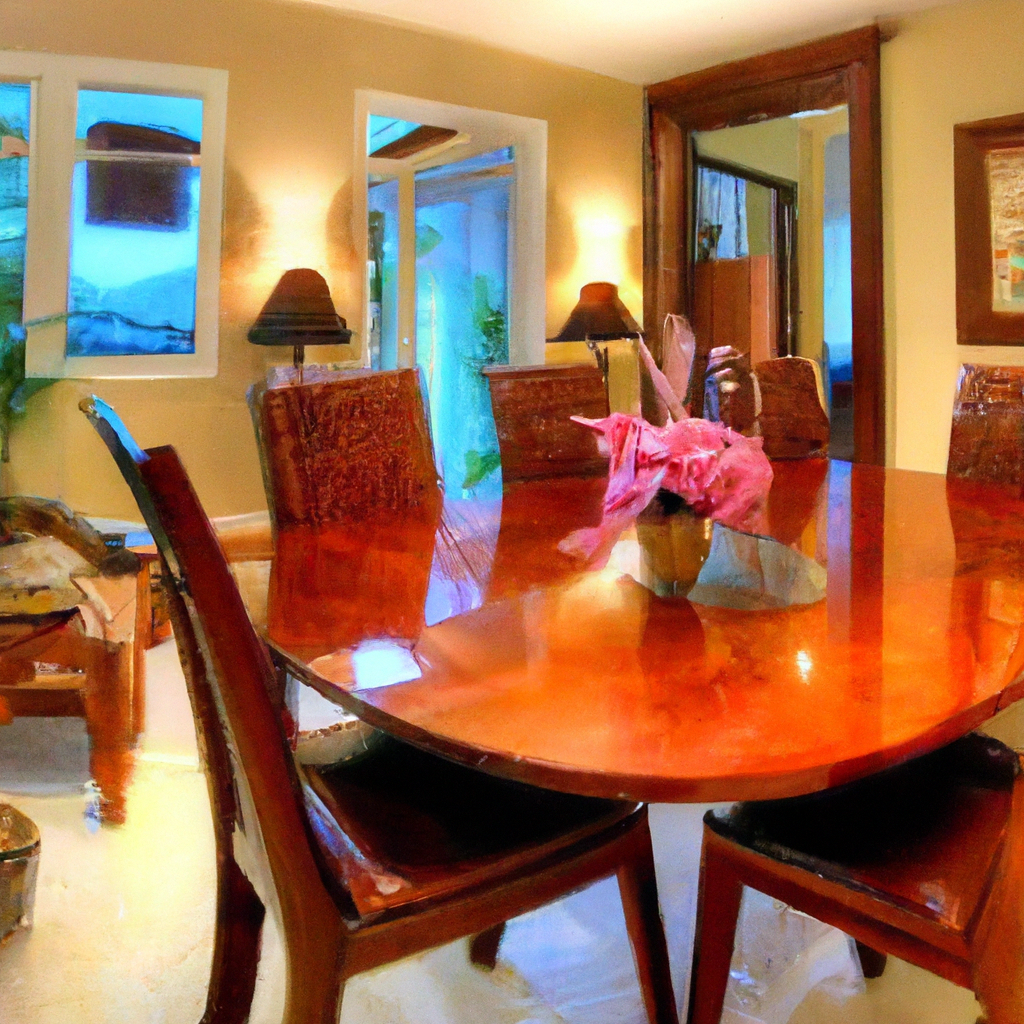
Benefits of Hiring an Interior Design Service
Expertise and Experience
One of the key benefits of hiring an interior design service is the access to professional expertise and experience. Interior designers are trained professionals with a deep understanding of design principles, space planning, and construction knowledge. They have the skills and knowledge to transform a space, ensuring that every aspect of the design is carefully considered and executed.
Time and Cost Savings
Hiring an interior design service can save you valuable time and money. Designers have the experience and resources to efficiently manage projects, ensuring that deadlines are met and budgets are adhered to. They have established relationships with suppliers and contractors, allowing them to negotiate the best prices and quality for materials and services. By overseeing the entire design process, including coordination with contractors and suppliers, interior designers can save you the stress and hassle of managing the project yourself.
Access to Resources and Suppliers
Interior designers have access to a wide range of resources and suppliers, including exclusive partnerships with furniture manufacturers, fabric suppliers, and artisans. They can source unique and high-quality materials and decor items that are not readily available to the general public. By working with an interior design service, you can benefit from their extensive network of industry contacts, ensuring that your design is truly one-of-a-kind.
Aesthetically Pleasing Designs
A major advantage of hiring an interior design service is the assurance of a visually appealing design. Interior designers have a keen eye for detail and a thorough understanding of color palettes, textures, and materials. They can create harmonious and balanced designs that suit your personal style and preferences, resulting in a space that is not only beautiful but also reflects your unique personality.
Increased Property Value
Investing in professional interior design can significantly increase the value of your property. Well-designed spaces are highly desirable in the real estate market and can attract potential buyers or tenants. An interior designer can suggest improvements and enhancements that will maximize the appeal and marketability of your property, ultimately leading to a higher resale value.
Finding the Right Interior Design Service
Research and Referrals
When searching for an interior design service in Murrieta, it is important to conduct thorough research and seek referrals from trusted sources. Ask friends, family, or colleagues who have recently worked with interior designers for their recommendations. Additionally, browse online directories, review websites, and social media platforms to gather a list of potential designers in the area.
Review Portfolios and Previous Work
Once you have compiled a list of designers, review their portfolios and previous work to get a sense of their style and capabilities. Pay attention to the variety and quality of their projects, ensuring that their aesthetic aligns with your personal preferences. Look for designers who have experience working on projects similar to yours, whether it’s residential, commercial, or hospitality design.
Meeting with Potential Designers
Schedule meetings or consultations with potential designers to discuss your project and gauge their suitability for the job. During these meetings, ask questions about their design process, their approach to working with clients, and their availability. This is also an opportunity to assess their communication style, professionalism, and whether you feel comfortable working with them.
Discussing Budget and Timeline
It is important to have open and transparent discussions about your budget and timeline with potential designers. Clearly communicate your budgetary constraints and desired project timeline to ensure that they can work within your parameters. Experienced designers will be able to provide realistic cost estimates and timelines based on the scope of your project.
Checking for Proper Licensing and Insurance
Before making a final decision, verify that the interior design service you choose is properly licensed and insured. Licensing ensures that the designer has met certain professional standards and qualifications, giving you peace of mind that they are trained and knowledgeable in their field. Insurance protects both you and the designer in the event of any unforeseen circumstances or accidents that may occur during the project.

Services Offered by Interior Designers
Space Planning
Space planning is a crucial aspect of interior design, involving the optimization of available space to enhance functionality and flow. Interior designers utilize their expertise to analyze and assess the layout of a space, considering factors such as furniture placement, traffic patterns, and spatial relationships. By carefully planning the arrangement of furniture and fixtures, designers can maximize the efficiency and usability of a room.
Color and Material Selection
Interior designers have a keen eye for selecting colors and materials that complement each other and create visual harmony within a space. They consider factors such as lighting, existing architectural elements, and the desired mood or atmosphere to guide their selection process. By carefully choosing colors and materials, designers can evoke specific emotions and enhance the overall aesthetic of a room.
Furniture and Decor
Choosing the right furniture and decor items is essential for creating a cohesive and stylish interior design. Interior designers have access to a wide range of furniture suppliers and can source unique and high-quality pieces that align with your design vision. They consider factors such as scale, proportion, and functionality to ensure that every piece of furniture and decor enhances the overall design concept.
Lighting Design
Lighting plays a critical role in interior design, affecting the mood, functionality, and aesthetics of a space. Interior designers have a deep understanding of lighting principles and can create customized lighting plans that meet your specific needs. They consider factors such as natural light, artificial lighting fixtures, and the desired ambiance to enhance the overall lighting design of a room.
Window Treatments
Window treatments, such as curtains, blinds, and shades, add both functional and aesthetic value to a space. Interior designers can recommend the most suitable window treatments based on factors such as light control, privacy, and style. They can also assist in selecting fabrics, colors, and patterns that complement the overall design scheme.
Renovation and Remodeling
Interior designers often specialize in renovation and remodeling projects, working closely with contractors and architects to bring your design vision to life. They can assist with space reconfiguration, structural changes, and material selections to transform an existing space into a personalized and functional environment.
Project Management
Interior designers excel in project management, overseeing every aspect of the design process and ensuring that all elements come together seamlessly. They coordinate with contractors, suppliers, and other professionals involved in the project to ensure timely and efficient execution.
Choosing a Design Style
Modern
Modern design is characterized by clean lines, minimalism, and a focus on functionality. It embraces simplicity and often incorporates sleek surfaces, open floor plans, and the use of futuristic materials and technologies. Modern design creates a sense of spaciousness and clean aesthetics.
Contemporary
Contemporary design is a fluid and ever-evolving style that reflects current trends and preferences. It often combines elements from various design periods and emphasizes comfort and functionality. Contemporary design is versatile and can be personalized to suit individual preferences.
Traditional
Traditional design draws inspiration from classic aesthetics and timeless elegance. It is characterized by rich colors, ornate details, and luxurious materials. Traditional design creates a warm and inviting atmosphere, embracing symmetry and formal layouts.
Industrial
Industrial design takes inspiration from urban lofts and factory spaces. It is characterized by exposed brick, raw materials, and a utilitarian aesthetic. Industrial design often incorporates elements such as metal accents, concrete floors, and open ceilings.
Rustic
Rustic design embraces natural materials, earthy colors, and a cozy, lived-in feel. It draws inspiration from rural and farmhouse aesthetics, incorporating elements such as reclaimed wood, stone, and vintage furniture. Rustic design creates a warm and inviting ambiance.
Bohemian
Bohemian design is characterized by a free-spirited and eclectic style. It embraces vibrant colors, global influences, and a mix of patterns and textures. Bohemian design creates a relaxed and artistic atmosphere, showcasing personal collections and unique decor items.
Interior Design Process
Initial Consultation
The interior design process typically begins with an initial consultation, where you discuss your design goals, preferences, and budget with the designer. This is an opportunity for the designer to understand your needs and for you to ask any questions or address any concerns.
Concept Development
Once the designer has a clear understanding of your requirements, they will develop a design concept that incorporates your preferences and reflects the desired style. This concept will serve as a foundation for the rest of the design process.
Design Presentation
The designer will then present the design concept, showcasing visual representations such as mood boards, renderings, or 3D models. This allows you to visualize the proposed design and provide feedback for any necessary adjustments.
Design Implementation
Once the design concept is finalized, the designer will proceed with implementing the design plan. This involves coordinating with contractors, overseeing construction or installation, and managing the procurement of materials and furnishings.
Project Completion
The interior design process concludes with the completion of the project. The designer will conduct a final walkthrough to ensure that all elements of the design have been properly implemented and address any remaining details or concerns. This final step ensures that the design meets your expectations and is ready for you to enjoy.
Interior Design Trends
Color Palettes
Current interior design trends include a shift towards soothing and nature-inspired color palettes. Soft neutrals, earthy tones, and blues and greens reminiscent of natural landscapes are popular choices. These colors create a sense of tranquility and promote relaxation within the space.
Sustainable Design
Sustainable design is becoming increasingly popular as people seek environmentally friendly and socially responsible options. Interior designers are incorporating sustainable materials, energy-efficient fixtures, and eco-friendly practices into their designs, promoting a greener and more sustainable future.
Biophilic Design
Biophilic design focuses on incorporating elements of nature into interior spaces. This can include the use of natural materials, indoor plants, and large windows to enhance the connection between the indoor and outdoor environments. Biophilic design has been shown to improve well-being and productivity.
Smart Home Technology
Advances in technology have transformed the way we interact with our homes. Interior designers are embracing smart home technology, incorporating features such as automated lighting, temperature control, and voice-activated systems. These technologies enhance convenience and efficiency within the home.
Open Floor Plans
Open floor plans continue to remain popular, especially in residential design. This design concept involves the removal of walls or partitions, creating a seamless flow between different living spaces. Open floor plans promote connectivity and maximize natural light within a space.
Multifunctional Spaces
As living spaces become smaller and more versatile, designers are incorporating multifunctional elements into their designs. Furniture with built-in storage, wall beds, and convertible spaces are just a few examples of how designers are maximizing functionality within limited square footage.
Cost of Interior Design Services
Hourly Rates
Some interior designers charge on an hourly basis. The hourly rates can vary depending on factors such as the designer’s experience, location, and scope of the project. Hourly rates typically range from $100 to $200 or more.
Fixed Fee
Another pricing model is based on a fixed fee. The designer will provide a quote for the entire project based on their assessment of the scope and complexity. This fee covers all design services, including consultation, concept development, and project management.
Cost-Plus
Cost-plus pricing involves the designer purchasing the materials, furniture, and decor items for the project. The client pays the cost of the goods, plus an additional agreed-upon percentage to cover the designer’s markup and handling fees.
Percentage of Project Cost
Some designers charge a percentage of the overall project cost as their fee. This percentage can vary depending on the designer and the complexity of the project.
FAQs about Interior Design in Murrieta
What is the average timeline for a design project?
The timeline for a design project can vary depending on factors such as the scope of work, complexity, and availability of materials and contractors. However, as a general guideline, a design project can range from a few weeks to several months.
Do I need to be present during the design process?
While it is not always necessary for clients to be present during the entire design process, it is recommended to be available for consultations, meetings, and design presentations. Your input and feedback are valuable in ensuring that the design reflects your vision and meets your expectations.
Can I use my own furniture and decor?
Absolutely! Many interior designers are more than happy to incorporate your existing furniture and decor items into the design. They can work with you to find ways to integrate your personal pieces into the overall aesthetic and style.
How do I prepare for the initial consultation?
To make the most of your initial consultation, it is helpful to gather inspiration and examples of designs or styles that you like. Create a list of specific goals, preferences, and requirements for your project. Additionally, be prepared to discuss your budget and any time constraints.
Can I make changes to the design plan?
Interior designers understand that design concepts can evolve and that changes may need to be made along the way. Good communication is key, so feel free to provide feedback and discuss any changes or adjustments you would like to make. The designer will work with you to ensure that the final design reflects your vision.