


Are you looking to transform your space into a beautiful and functional oasis? Look no further! Our Interior Design Service in Nashville Davidson Tennessee is here to help you create the home of your dreams. With our expertise and attention to detail, we will work closely with you to understand your style and vision, offering personalized design solutions that perfectly reflect your personality and lifestyle. Whether you are looking to revamp a single room or redesign your entire home, our team of professional designers is dedicated to bringing your ideas to life. Let us take the stress out of the design process and create a space that you will love coming home to.
About Interior Design
Definition of Interior Design
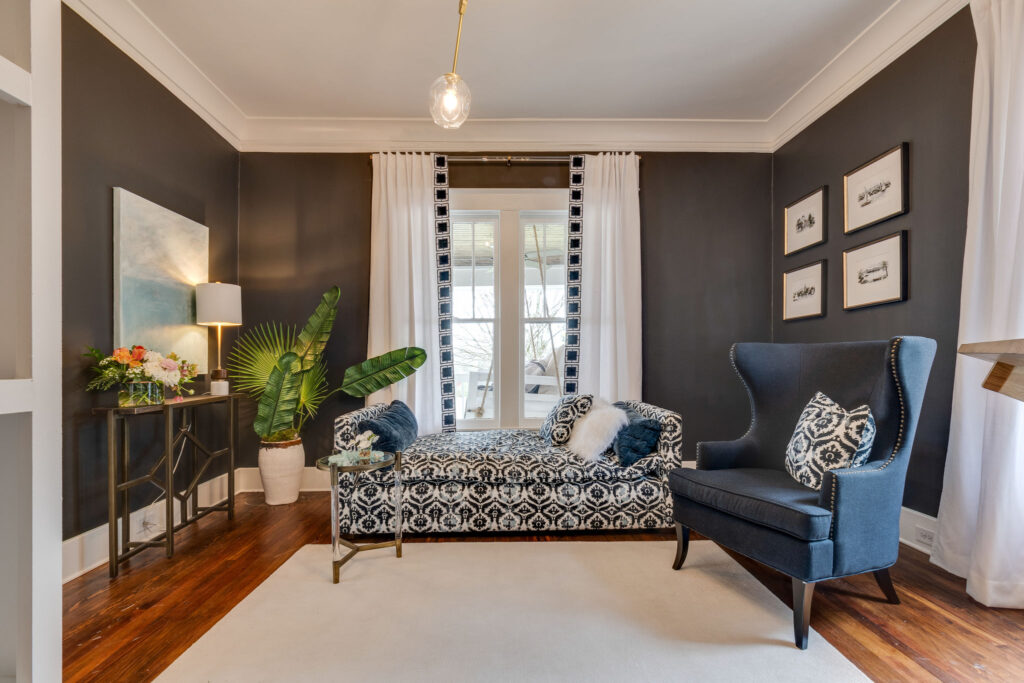
Interior design is the art and science of enhancing the interior of a space to create a more aesthetically pleasing and functional environment for the people using it. It involves the arrangement and selection of furniture, color schemes, lighting, accessories, and other elements to transform a space into a cohesive and visually appealing design.
Role of an Interior Designer
An interior designer plays a crucial role in the process of designing and decorating a space. They have the expertise and knowledge to create functional, visually appealing, and harmonious interiors that meet the needs and preferences of their clients. An interior designer not only considers the aesthetics of a space but also takes into account factors such as safety, accessibility, sustainability, and budget constraints.
Benefits of Interior Design Services
Enhanced Aesthetics
One of the primary benefits of interior design services is the enhancement of the aesthetics of a space. A skilled interior designer has an eye for detail and can create a visually pleasing atmosphere by selecting the right colors, textures, furniture, and accessories. They can transform a dull and uninspiring space into one that is stylish, inviting, and reflects the personality of the occupants.
Improved Functionality
Interior design goes beyond just creating a beautiful space. It also focuses on ensuring that the space functions effectively and efficiently for its intended purpose. An interior designer considers factors such as traffic flow, furniture placement, and storage solutions to optimize the functionality of a space. They can make small changes or structural modifications to improve the usability of a space and make it more practical and convenient.
Optimized Space Utilization
Many spaces have limited square footage, and maximizing the use of the available space is essential. Interior designers are skilled at utilizing space efficiently and effectively. They can create innovative storage solutions, utilize multi-functional furniture, and plan layouts that optimize space utilization. By making the most of every square inch, an interior designer can transform a cramped and cluttered space into one that feels spacious and organized.
Increased Property Value
Investing in interior design services can significantly increase the value of a property. A well-designed and well-executed interior can make a property more desirable to potential buyers or tenants, leading to a higher selling price or rental value. The expertise of an interior designer can make a property stand out in a competitive market and attract more interest, ultimately resulting in a higher return on investment.
Finding the Right Interior Design Service
Understanding Your Needs
Before embarking on the search for an interior design service, it is important to have a clear understanding of your needs and preferences. Consider the purpose of the space, the desired style, and any specific requirements or constraints you may have. This will help you communicate your goals effectively to potential interior designers and ensure that they can deliver a design that meets your expectations.
Researching Local Interior Designers
To find the right interior design service, start by researching local interior designers in the Nashville Davidson area. Look for designers with a strong portfolio and positive reviews from previous clients. Pay attention to their expertise, design style, and project scope to determine if they are a good fit for your project. You can also seek recommendations from friends, family, or professionals in the real estate or construction industry.
Checking Portfolios and References
Once you have identified a few potential interior designers, take the time to review their portfolios. Look for projects that are similar in style or scope to your own to get a sense of their design aesthetic and capabilities. Additionally, don’t hesitate to ask for references from past clients. Hearing about their experiences working with the designer can provide valuable insights into their professionalism, communication skills, and ability to meet deadlines.
Popular Interior Design Styles
Modern
The modern interior design style is characterized by clean lines, minimalism, and a focus on functionality. It embraces simplicity and utilizes sleek furniture, neutral color palettes, and open floor plans to create a sense of spaciousness. Modern design often incorporates avant-garde elements and innovative materials to create a contemporary and timeless look.
Contemporary
Contemporary interior design is similar to modern design but incorporates more flexibility and incorporates current design trends. It embraces a wide range of styles and often combines elements from different eras to create a unique and eclectic look. Contemporary design emphasizes comfort, functionality, and the use of bold colors and patterns.
Traditional
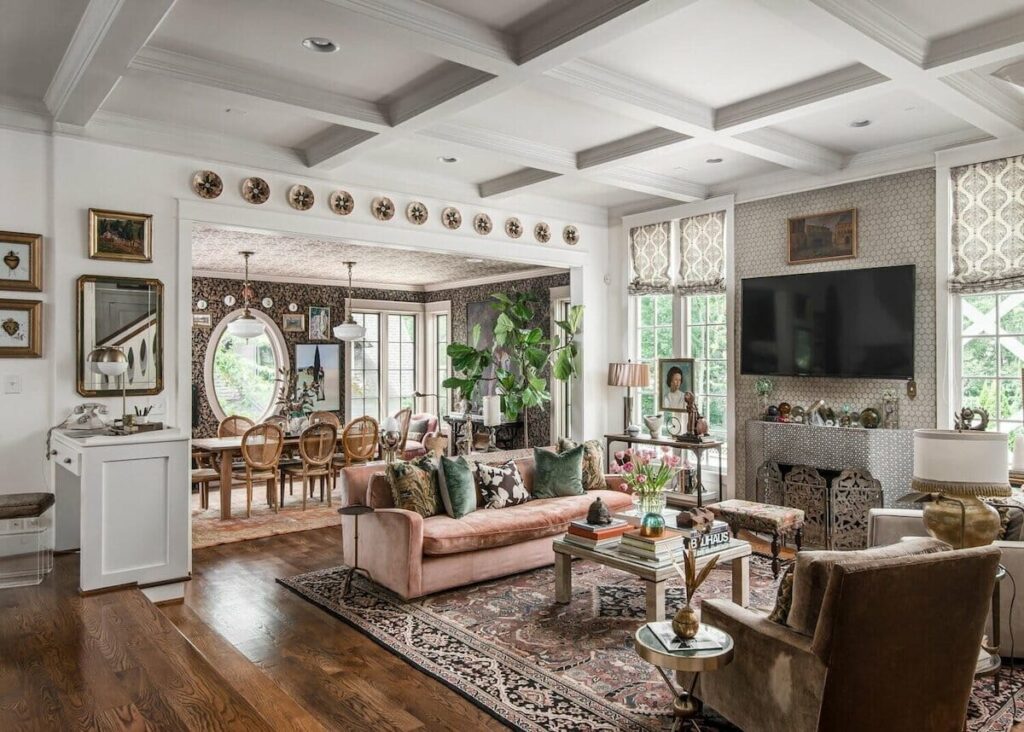
Traditional interior design evokes a sense of elegance and timelessness. It draws inspiration from classical European styles and features ornate detailing, rich colors, and a sense of formality. Traditional spaces often include intricate moldings, antique furniture, and a variety of textures and patterns. Classic design elements and refined aesthetics are key in traditional interiors.
Rustic
Rustic interior design is influenced by the natural beauty of the outdoors. It embraces organic materials, such as wood and stone, and often incorporates elements of nature into the design. Rustic spaces have a warm and inviting feel and often feature exposed beams, natural textures, and earthy color palettes. This style exudes a cozy and comforting atmosphere.
Industrial
Industrial interior design takes inspiration from old factories and warehouses. It embraces raw and unfinished materials, such as exposed brick, concrete, and metal, to create a unique and edgy look. Industrial spaces often feature open floor plans, high ceilings, and a mix of vintage and contemporary furniture. This style has a distinct urban and modern feel.
Minimalist
Minimalist interior design focuses on simplicity and decluttering. It eliminates unnecessary ornamentation and emphasizes clean lines, neutral colors, and a sense of spaciousness. Minimalist spaces often have a serene and calming atmosphere, with a limited number of furniture and accessories. This style aims to create a visually balanced and clutter-free environment.
Interior Design Process
Initial Consultation
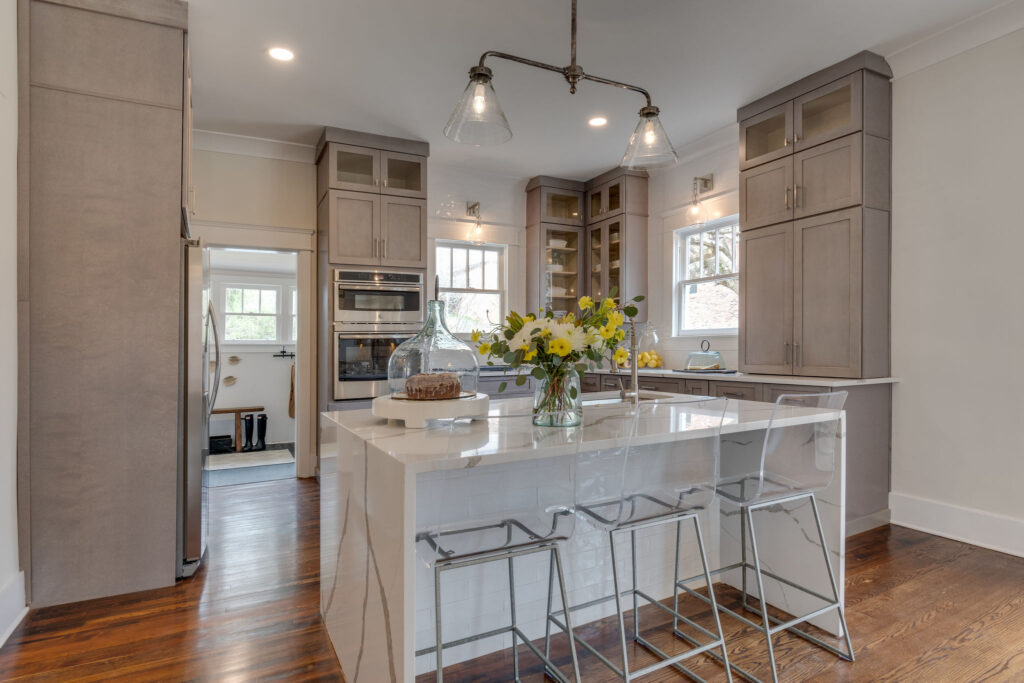
The interior design process typically begins with an initial consultation between the client and the interior designer. During this meeting, the client discusses their needs, preferences, and budget with the designer. The designer assesses the space, takes measurements, and gathers information necessary to understand the scope of the project.
Creating Design Concepts
After the initial consultation, the interior designer begins the creative process by developing design concepts. They create mood boards, sketches, or 3D renderings to communicate their vision for the space. Design concepts include color schemes, furniture layouts, material selections, and overall aesthetics. The client provides feedback, and the designer revises the concepts until a final design is approved.
Developing Detailed Design Plans
Once the design concept is finalized, the interior designer develops detailed design plans and specifications. These plans include technical drawings, material selections, and specifications for finishes, lighting, and plumbing fixtures. Detailed design plans outline every aspect of the project and serve as a guide for construction or installation.
Sourcing Materials and Furnishings
The interior designer takes on the task of sourcing and selecting materials, furnishings, and accessories for the project. They use their knowledge of suppliers, manufacturers, and local vendors to find the best options that fit within the client’s budget and design requirements. The designer coordinates the ordering, delivery, and installation of all materials and furnishings.
Coordination and Project Management
Throughout the interior design process, the designer serves as a project manager, coordinating with contractors, suppliers, and other professionals involved in the implementation of the design. They ensure that the project progresses smoothly, deadlines are met, and the quality of work meets the client’s expectations. The designer oversees all aspects of the project to ensure a successful outcome.
Installation and Styling
The final stage of the interior design process involves the installation and styling of the space. The designer oversees the placement of furniture, accessories, and art, using their expertise to create a cohesive and harmonious look. They pay attention to details, such as lighting and accent pieces, to enhance the overall ambiance. The result is a beautifully styled space that reflects the client’s vision.
Working with an Interior Designer in Nashville Davidson
Choosing a Local Interior Designer
When working with an interior designer in Nashville Davidson, it is important to choose someone who is familiar with the local design scene. Look for designers who have experience working on projects in the area and have a good understanding of the local style preferences and building regulations. A local designer will also have established relationships with suppliers and contractors, which can streamline the design process.
Meeting with the Designer
Once you have chosen a local interior designer, the next step is to schedule a meeting to discuss your project in more detail. This meeting is an opportunity to further communicate your needs, goals, and design preferences to the designer. It allows the designer to gain a deeper understanding of your vision and to ask any additional questions to ensure they have all the necessary information.
Discussing Budget and Timelines
During the meeting with the interior designer, it is crucial to discuss your budget and timelines for the project. Be open and honest about your financial constraints to ensure that the designer can propose a design that fits within your budget. Likewise, discuss your desired timeline for completion and any deadlines that need to be met. This will help the designer plan and manage the project effectively.
Collaborating on Design Ideas
Working with an interior designer is a collaborative process. While the designer brings their expertise and design knowledge to the table, it is important for you to actively participate in the decision-making process. Be prepared to share your ideas, inspiration, and feedback with the designer. This collaboration will result in a design that truly reflects your personal style and preferences.
Cost of Interior Design Services
Hourly Rates
One common pricing structure for interior design services is an hourly rate. The designer charges an hourly fee for their time spent on the project, including meetings, research, design development, and project management. The total cost depends on the complexity and size of the project, as well as the experience and expertise of the designer. Hourly rates can range from $50 to $200 or more.
Flat Fees
Another pricing option is a flat fee. With this structure, the interior designer charges a fixed fee for the entire project, regardless of the number of hours worked. The fee is determined based on the scope of work, including the size of the space, complexity of the design, and the designer’s expertise. Flat fees provide clarity and predictability for the client, but it is important to ensure that the fee covers all aspects of the project.
Cost-Plus
Cost-plus is a pricing structure where the interior designer charges a markup on the cost of materials, furnishings, and labor. This model is often used for projects where the designer handles the purchasing and coordination of all items. The markup covers the designer’s time and expertise in selecting and managing the procurement process. Cost-plus pricing can provide transparency, but it is important to establish a clear agreement on the percentage of markup.
Tips for Successful Interior Design Projects
Clearly Communicate Your Vision
Communication is key to a successful interior design project. Clearly articulate your vision, preferences, and goals to your designer. Provide them with as much information and inspiration as possible, such as photos, magazine clippings, or links to online resources. The more specific you are, the better understanding the designer will have of your style and expectations.
Trust and Collaboration
Trust and collaboration are essential for a successful working relationship with your interior designer. Remember that they are experts in their field and have the knowledge to translate your vision into a well-designed space. Be open to their suggestions and ideas, and trust their judgment. A collaborative and open-minded approach will lead to the best possible outcome.
Setting Realistic Expectations
It is important to set realistic expectations for your interior design project. Understand that the design process takes time, and some unforeseen challenges may arise along the way. Discuss the timeline and any potential delays or obstacles with your designer. By having realistic expectations, you can avoid frustration and allow for a smoother design process.
Maintaining an Open Mind
While it is important to communicate your vision and preferences to your interior designer, it is also important to maintain an open mind during the design process. Designers often have fresh and innovative ideas that can take your project to the next level. Be open to their suggestions and willing to consider alternative design options. You may be pleasantly surprised with the results.
Finding Inspiration for Interior Design
Online Platforms
The internet is a treasure trove of inspiration for interior design. There are countless online platforms dedicated to home decor, design trends, and DIY projects. Websites like Pinterest and Houzz allow you to create virtual mood boards and explore a wide range of design styles and ideas. Social media platforms like Instagram and Facebook also offer a wealth of inspiration from designers and influencers.
Magazines and Books
Magazines and books are a timeless source of inspiration for interior design. Subscribe to design magazines or visit your local bookstore or library to browse through the latest issues. Design books, both coffee table books and informative guides, can provide in-depth knowledge and inspiration for specific design styles or topics. Flip through the pages and bookmark your favorite ideas and designs.
Exhibitions and Showrooms
Attending exhibitions, trade shows, and showrooms can be a great way to find inspiration for interior design. These events often showcase the latest design trends, furniture, materials, and accessories. You can see and touch the actual products, get a sense of their quality, and visualize how they would fit into your own space. Take note of the design elements that resonate with you and discuss them with your designer.
Transforming Your Space with Interior Design
Residential Interiors
Interior design has a significant impact on residential spaces, creating homes that are functional, comfortable, and visually stunning. Whether you are remodeling a single room or redesigning an entire house, an interior designer can help you transform your space into a place that reflects your personality and suits your lifestyle. From selecting furniture and finishes to creating cohesive color palettes, an interior designer can make your dream home a reality.
Commercial Interiors
Commercial spaces, such as offices, retail stores, and restaurants, can greatly benefit from professional interior design services. A well-designed commercial space can enhance the productivity of employees, attract customers, and create a memorable brand experience. An interior designer can optimize the layout, select appropriate furniture and lighting, and create a cohesive design that aligns with the company’s goals and brand identity.
In conclusion, interior design is a multifaceted discipline that encompasses creativity, functionality, and attention to detail. It has the power to transform spaces into havens of beauty and functionality, whether it’s a residential interior or a commercial space. By understanding the benefits of interior design services, finding the right professional, and following the interior design process, you can create a space that is visually appealing, functional, and personalized to your taste. So, why wait? Start your interior design journey today and transform your space into something truly remarkable.


