


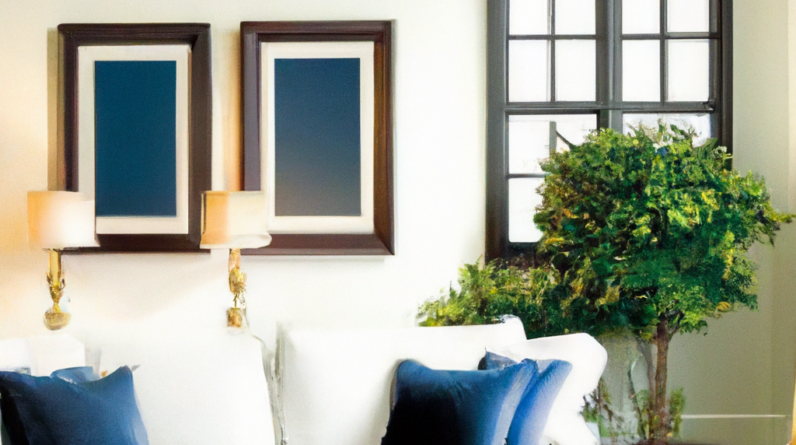
Are you looking to transform your living space into a stylish and harmonious haven? Look no further than the Interior Design Service in Rockford, Illinois. With their expertise and passion for creating beautiful interiors, they can help you achieve the home of your dreams. From selecting the perfect color palette to enhancing the functionality of your space, the Interior Design Service in Rockford, Illinois is your ultimate partner in realizing your vision. With their attention to detail and knack for understanding your unique style, they will guide you through the entire design process, ensuring that every corner of your home reflects your personality. Trust in the professionals at the Interior Design Service in Rockford, Illinois to bring your interior design dreams to life.
About Rockford, Illinois
Location and Overview
Rockford, Illinois is a vibrant city located in the northern part of the state. Situated along the Rock River, it is the third-largest city in Illinois and serves as the county seat of Winnebago County. Known for its natural beauty, Rockford boasts a variety of parks, gardens, and outdoor recreational areas. The city is also home to a thriving arts and cultural scene, with numerous museums, galleries, and performance venues. With its rich history and diverse population, Rockford offers a unique blend of small-town charm and urban amenities.
Historical Background
Rockford has a rich and storied history that dates back to the early 19th century. It was founded in 1834 by Germanicus Kent and Thatcher Blake, who established a fur trading post along the Rock River. The city grew rapidly in the mid-19th century with the development of industries such as manufacturing and agriculture. Rockford became known for its production of furniture, machinery, and textiles, earning it the nickname “Forest City.” Today, the city still bears the influence of its industrial past, with many historic buildings and landmarks that tell the story of its early days.
Economic Profile
Rockford has a diverse and robust economy that encompasses several industries. Manufacturing has long been a cornerstone of the city’s economy, with companies specializing in aerospace, automotive, and healthcare products. The healthcare sector is another major contributor to Rockford’s economy, with several hospitals and medical centers located throughout the city. In recent years, Rockford has also seen significant growth in the technology and service sectors. The city’s strategic location and transportation infrastructure make it an attractive destination for businesses looking to establish a presence in the Midwest.
The Importance of Interior Design
Enhancing Quality of Life
Interior design plays a crucial role in enhancing the quality of life for individuals and families. A well-designed and thoughtfully-decorated space can have a positive impact on one’s physical and mental well-being. By creating a harmonious and comfortable environment, interior design can contribute to a greater sense of happiness and tranquility. Whether it’s a cozy living room, a functional kitchen, or a relaxing bedroom, the design of these spaces can greatly influence how we feel and interact within them.
Creating Functional Spaces
One of the main goals of interior design is to create functional spaces that meet the specific needs and preferences of the occupants. A skilled interior designer can assess the layout and flow of a room, taking into consideration factors such as traffic patterns, furniture placement, and storage options. By maximizing the functionality of a space, interior design can greatly improve the efficiency and convenience of daily activities. Whether it’s designing a home office that promotes productivity or a restaurant layout that optimizes customer experience, interior design is a vital tool in creating spaces that work well for their intended purpose.
Reflecting Personal Style
Interior design is a form of self-expression, allowing individuals to showcase their personal style and taste. Whether you prefer a sleek and modern aesthetic or a cozy and traditional ambiance, interior design can help bring your vision to life. From selecting the right color palette to curating the perfect mix of furniture and accessories, an interior designer can help you create a space that reflects your personality and values. By incorporating elements that resonate with you, interior design can transform a house into a truly unique and personalized home.
Increasing Property Value
Another significant benefit of interior design is its potential to increase the value of a property. Well-executed interior design can greatly enhance the appeal and marketability of a home or commercial space. By creating a visually appealing and functional environment, an attractive property can attract potential buyers or tenants. Additionally, a thoughtfully-designed interior can contribute to a higher perceived value, allowing for better financial returns in the real estate market. Investing in quality interior design is, therefore, a wise choice for property owners looking to maximize their investment and achieve a favorable return.
Types of Interior Design Services
Residential Interior Design
Residential interior design focuses on creating inviting and functional spaces within the home. Whether it’s a single room or an entire house, residential interior designers work closely with clients to understand their needs, preferences, and lifestyle. From selecting furniture and finishes to creating a cohesive color scheme, residential interior design aims to transform living spaces into comfortable and personalized havens.
Commercial Interior Design
Commercial interior design is concerned with creating functional and appealing spaces for businesses, institutions, and organizations. This can include offices, retail stores, restaurants, hotels, and healthcare facilities. Commercial interior designers work closely with clients to understand their branding, operational requirements, and target audience. The goal is to create an environment that reflects the company’s values and enhances the overall customer experience.
Hospitality Interior Design
Hospitality interior design focuses on creating welcoming and visually stunning spaces in the hospitality industry. This can include hotels, resorts, restaurants, bars, and entertainment venues. Hospitality interior designers aim to create environments that evoke a specific mood or atmosphere and provide guests with a memorable experience. They work closely with clients to ensure that the design aligns with the brand identity and meets the functional needs of the space.
Retail Interior Design
Retail interior design is concerned with creating compelling and functional spaces for retail businesses. The goal is to create an environment that attracts customers, promotes sales, and enhances the overall shopping experience. Retail interior designers consider factors such as layout, product placement, lighting, and signage to create an engaging and visually appealing space.
Healthcare Interior Design
Healthcare interior design focuses on creating safe, functional, and comfortable spaces in healthcare facilities. This can include hospitals, clinics, doctor’s offices, and long-term care facilities. Healthcare interior designers work closely with healthcare professionals to ensure that the design meets the unique needs of patients, staff, and visitors. They consider factors such as infection control, accessibility, and patient privacy to create an environment that promotes healing and well-being.

Finding the Right Interior Design Service in Rockford
Researching Local Designers
When looking for an interior design service in Rockford, it’s important to do thorough research to find the right fit for your project. Start by researching local designers online and browsing their websites. Look for designers who have experience in the type of project you have in mind, whether it’s residential, commercial, or hospitality design. Pay attention to their portfolios and client testimonials to get a sense of their style and capabilities.
Checking Portfolios and Reviews
A designer’s portfolio is a great way to assess their skills and design aesthetic. Look for a portfolio that showcases a range of projects and styles, as this demonstrates versatility and creativity. Additionally, read reviews or testimonials from past clients to get a sense of their experience working with the designer. Pay attention to comments about the designer’s communication, professionalism, and ability to meet deadlines.
Interviewing Potential Designers
Once you have narrowed down your list of potential designers, schedule interviews or consultations to get a better sense of their approach and personality. Ask about their design process, timeline, and budget considerations. During the interview, pay attention to how attentive and responsive they are to your questions and concerns. A good designer should listen to your ideas and provide valuable input based on their expertise.
Budget Considerations
Before hiring an interior designer, it’s important to have a clear understanding of your budget. Discuss your budget constraints with potential designers and ask for a detailed breakdown of their fees and expenses. Be honest about what you can afford and ask for recommendations on how to achieve your design goals within your budget. Ensure that you have a written agreement that clearly outlines the scope of the project and the designer’s fee structure.
Understanding the Design Process
Every interior designer follows a unique design process, so it’s important to understand how they approach their work. Ask about their initial consultation and assessment process, as well as how they develop concept designs and select materials and finishes. Inquire about their involvement in the implementation and execution of the design, as well as how they handle any necessary revisions or changes. Understanding the designer’s process will help you gauge their professionalism and ensure a smooth collaboration.
Interior Design Trends in Rockford
Minimalism and Contemporary Designs
In recent years, minimalist and contemporary interior design styles have gained popularity in Rockford. These styles emphasize clean lines, open spaces, and a focus on functionality. Neutral color palettes, sleek furniture, and minimal clutter create a sense of calm and simplicity. This aesthetic is particularly well-suited for smaller spaces or those looking to create a modern and streamlined look.
Eclectic and Bohemian Styles
For those seeking a more eclectic and bohemian aesthetic, Rockford offers a range of interior design options. Bohemian-inspired spaces often feature vibrant colors, textured fabrics, and a mix of vintage and handmade furniture. This style is characterized by its free-spirited and artistic vibe, with a focus on individuality and self-expression.
Sustainable and Eco-Friendly Designs
Rockford residents are increasingly embracing sustainable and eco-friendly interior design options. This includes the use of eco-friendly materials, energy-efficient lighting, and sustainable furniture choices. Designers in Rockford are well-versed in incorporating sustainable practices into their designs, helping clients reduce their environmental footprint while creating beautiful and functional spaces.
Use of Natural Materials
The use of natural materials is another prominent trend in Rockford’s interior design scene. Wood, stone, and other organic materials are often incorporated into design schemes, creating a warm and inviting ambiance. Whether it’s hardwood floors, exposed brick walls, or natural fiber rugs, the use of these materials adds a sense of authenticity and natural beauty to a space.
Bold Colors and Patterns
Rockford embraces bold colors and patterns as a way of adding personality and visual interest to interior spaces. Whether it’s an accent wall in a vibrant hue or a playful patterned wallpaper, these design choices can create a dynamic and energetic environment. Designers in Rockford are skilled at selecting and combining colors and patterns to create a cohesive and visually striking design.
Things to Discuss with an Interior Designer
Project Goals and Vision
When working with an interior designer, it’s essential to communicate your project goals and vision clearly. Share your ideas, inspirations, and desired outcomes with the designer, allowing them to fully understand your vision. Additionally, discuss any specific requirements or challenges you may have, such as budget constraints or functional needs. By establishing clear goals and expectations from the outset, you can ensure a successful collaboration with your designer.
Budget and Timeline
Discussing your budget and timeline is crucial to ensure that the project stays on track. Be transparent with your designer about your budget constraints and ask for their input and recommendations on how to maximize your investment. Additionally, establish a timeline for the project, including any key milestones or deadlines. This will help both you and the designer set realistic expectations and avoid any delays or misunderstandings.
Preferred Design Style
Understanding your preferred design style is fundamental in creating a space that reflects your personality and taste. Share your preferred aesthetic with the designer and provide them with examples or visual references to illustrate your style. By aligning your design preferences with the designer’s expertise and creative vision, you can achieve a design that truly embodies your unique style.
Use of Space and Layout
The effective use of space and layout is key to a successful interior design project. Discuss your lifestyle, daily routines, and the primary function of each space with your designer. By understanding your needs and how you use the space, the designer can ensure that the layout and design choices are optimized for functionality and ease of use. Collaboration and open communication are crucial during this phase to ensure that the designer creates a space that supports your lifestyle.
Functional Requirements
Consider the specific functional requirements of each space when discussing your project with an interior designer. Whether it’s additional storage, improved lighting, or better acoustics, make sure to communicate these needs to the designer. A skilled designer will be able to incorporate these requirements seamlessly into the design, ensuring that the space serves its intended purpose.
The Interior Design Process
Initial Consultation and Assessment
The interior design process typically begins with an initial consultation and assessment. During this phase, the designer will meet with you to discuss your project goals, budget, and timeline. They will also assess the existing space, taking measurements and photographs, and considering any architectural features or constraints. This stage is crucial for the designer to gain a comprehensive understanding of the project and to establish a solid foundation for the design process.
Concept Development and Design Planning
After the initial consultation, the designer will develop a concept and design plan based on the information gathered. This includes creating mood boards, sketches, and 3D renderings to illustrate the proposed design. The designer will present these concepts to you, allowing for feedback and adjustments before moving forward with the final design plan.
Selection of Materials, Furnishings, and Colors
Once the design concept is finalized, the designer will proceed with the selection of materials, furnishings, and colors. They will source and recommend materials that align with the design vision, taking into consideration factors such as durability, functionality, and aesthetics. The designer will also provide guidance on furniture selection, fabric choices, and color schemes, ensuring a cohesive and harmonious design scheme.
Implementation and Execution
Once all design choices have been made, the implementation and execution phase begins. This involves coordinating with contractors, vendors, and suppliers to bring the design to life. The designer will oversee the construction or installation process, ensuring that the project is carried out according to the design plan and timeline. Regular site visits and communication with contractors are crucial during this phase to address any issues or changes that may arise.
Final Reveal and Client Feedback
The final phase of the interior design process is the reveal and client feedback stage. The designer will present the completed project to you, allowing you to see the transformation and make any final adjustments or additions. Your feedback and satisfaction are essential during this stage, as it allows the designer to make any necessary improvements and ensure that the final result meets your expectations.
Working with an Interior Designer in Rockford
Collaboration and Communication
Successful collaboration and open communication are essential when working with an interior designer in Rockford. Professional designers understand the importance of listening to their clients’ needs and preferences, while also providing expert advice and guidance. Be open to input and suggestions from your designer and express any concerns or changes early on in the process. By fostering a collaborative environment, you can ensure that the final design reflects your vision while benefiting from the expertise of the designer.
Trust and Professionalism
Establishing trust and maintaining professionalism is key to a successful working relationship with an interior designer. Trust that the designer has your best interests at heart and that they will strive to deliver an exceptional design. Likewise, expect professionalism from your designer, including timely communication, adherence to deadlines, and transparency regarding budgets and expenses. Establishing clear expectations and maintaining open lines of communication will help build trust and ensure a positive experience.
Flexibility and Adaptability
Flexibility and adaptability are essential qualities for both the client and the interior designer. Design projects can sometimes encounter unforeseen challenges or require adjustments along the way. Being open to suggestions and willing to adapt to changes will help the project progress smoothly. Similarly, a design professional who can adapt to your feedback and evolving needs demonstrates their ability to create a space that exceeds your expectations.
Budget Management
Effective budget management is a critical aspect of any interior design project. Your designer should be able to guide you on how to achieve your desired outcome while staying within your budget constraints. Establish clear communication and transparency regarding costs from the start. The designer should provide detailed estimates and keep you informed of any potential deviations or unexpected expenses. Regular updates on budget status and collaboration on cost-saving measures will ensure a successful project completion.
Post-Project Support
A good interior designer will provide post-project support to ensure your ongoing satisfaction with the design. This can include addressing any lingering issues, providing guidance on maintenance and upkeep, and offering suggestions for further enhancements. Establishing a long-term relationship with your designer can be valuable when it comes to making updates or changes to your space in the future.
Benefits of Hiring an Interior Designer
Expertise and Knowledge
One of the primary benefits of hiring an interior designer is their expertise and knowledge in the field. Designers undergo extensive training and education to develop their skills and stay updated on the latest trends and techniques. They can offer valuable insights and solutions that may not be immediately apparent to the average homeowner or business owner. By leveraging their expertise, you can ensure a well-designed space that maximizes its potential.
Time and Cost Savings
While hiring an interior designer may seem like an additional expense, it can actually save you time and money in the long run. A professional designer has the skills and resources to streamline the design process, ensuring that it progresses efficiently and stays within your budget. They can navigate the myriad of choices and options available, saving you from analysis paralysis and costly mistakes. Additionally, designers often have access to trade discounts and industry resources, allowing them to source materials and furnishings at competitive prices and pass on the savings to you.
Access to Industry Resources
Interior designers have access to a vast network of industry resources, from specialized suppliers to skilled contractors. They can recommend trusted professionals and suppliers who can deliver high-quality work and products. This ensures that your project is completed to the highest standard and with the utmost attention to detail. Having an established network of resources also means that any unforeseen issues or challenges can be efficiently addressed, saving you time and stress.
Personalized and Unique Designs
One of the main advantages of hiring an interior designer is their ability to create personalized and unique designs. Designers approach each project with a fresh perspective and tailor their recommendations to match your individual style and preferences. They have an eye for detail and an understanding of design principles, allowing them to curate a space that is both visually stunning and functional. By working with a designer, you can be confident that your space will be a reflection of your personality and a true representation of your vision.
Stress-Free and Enjoyable Experience
Embarking on an interior design project can be an exciting but overwhelming experience. Hiring an interior designer can alleviate much of the stress and uncertainty that comes with the process. A designer will handle the planning, coordination, and implementation of the project, allowing you to focus on enjoying the transformation. They will be there to guide you through each stage of the process, providing support, and ensuring that the project stays on track. The result is a stress-free and enjoyable experience that culminates in a beautifully designed space.
Conclusion
Choosing to work with an interior designer in Rockford, Illinois can greatly enhance the design and functionality of your home or commercial space. With their expertise and knowledge, interior designers can transform ordinary spaces into captivating and functional environments. Whether you are looking to create a cozy and inviting home, a stylish and engaging retail space, or a serene and comforting healthcare facility, a skilled interior designer can guide you through each step of the design process. By understanding your goals, preferences, and budget, they can create a space that truly reflects your unique style and exceeds your expectations. So, if you’re considering an interior design project in Rockford, don’t hesitate to reach out to a local designer and start turning your vision into reality.