


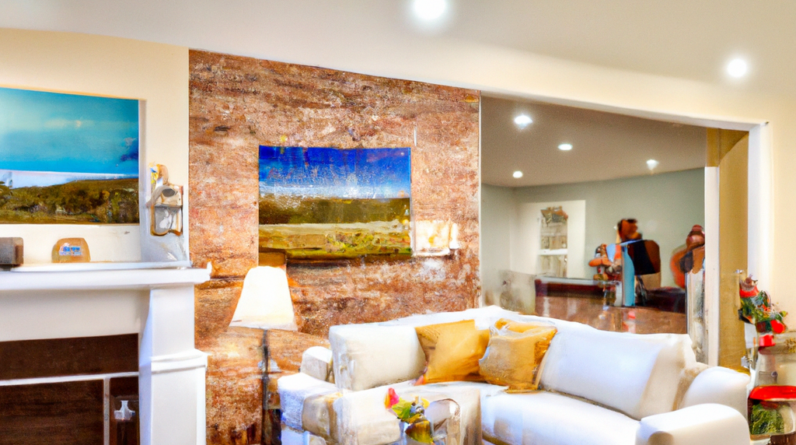
Are you in Santa Clara, California and in need of a top-notch interior design service? Look no further! We have just the solution for you. Our dedicated team of skilled professionals is here to create the perfect space tailored to your unique style and preferences. With years of experience and a passion for design, we take pride in transforming ordinary spaces into extraordinary ones. From selecting the right colors and fabrics to choosing the ideal furniture and accessories, we pay attention to every detail to ensure a stunning end result. Get ready to fall in love with your living spaces all over again, thanks to our exceptional Interior Design Service in Santa Clara, California.
About Santa Clara, California
Santa Clara is a city located in the beautiful state of California. Situated in the heart of Silicon Valley, Santa Clara is known for its thriving tech industry and vibrant community. It is home to the headquarters of numerous tech giants and startups, making it a hub for innovation and entrepreneurship. The city is conveniently located near major freeways, allowing for easy access to the rest of the Bay Area. With its pleasant climate and diverse population, Santa Clara offers a high quality of life for residents and visitors alike.
Location and Geography
Santa Clara is located in Santa Clara County, in the southern part of the San Francisco Bay Area. It is bordered by San Jose to the east, Sunnyvale and Cupertino to the west, and Campbell to the south. The city covers an area of approximately 19.4 square miles, with a mix of residential, commercial, and industrial zones. Its central location within the Bay Area makes it an ideal place to live, work, and explore the surrounding region.
Climate
Santa Clara experiences a Mediterranean climate, characterized by mild, wet winters and warm, dry summers. The city enjoys an average of 300 sunny days per year, with temperatures ranging from the low 40s in the winter to the high 80s in the summer. The coastal influence helps maintain relatively mild temperatures throughout the year. However, residents can expect occasional heatwaves during the summer months, making air conditioning a necessity. Overall, Santa Clara’s climate is conducive to outdoor activities and a comfortable lifestyle.
Economy
Santa Clara is primarily known for its strong presence in the technology sector. It is home to renowned companies such as Intel, Nvidia, and Applied Materials, which provide a significant number of job opportunities for professionals in various fields. The city’s proximity to major tech hubs, including Palo Alto and Mountain View, further enhances its economic prospects. Additionally, Santa Clara benefits from its vibrant retail and hospitality sectors, with major shopping centers and entertainment venues attracting locals and tourists alike.
Population
As of 2020, the population of Santa Clara stands at approximately 129,498 residents. The city has experienced steady growth over the years, fueled by its economic opportunities and desirable location. The population is diverse, consisting of individuals from various ethnic backgrounds and cultures. Santa Clara’s population growth is also attributed to its excellent schools, safe neighborhoods, and family-friendly environment. The city’s commitment to providing quality services and amenities makes it an attractive place to live and raise a family.
Importance of Interior Design
Interior design plays a crucial role in transforming spaces into functional and aesthetically pleasing environments. Whether it’s a residential property, a commercial establishment, or an office space, the impact of interior design cannot be underestimated. Here are some of the key reasons why interior design is important:
Enhancing Aesthetics and Functionality
One of the primary goals of interior design is to create spaces that are visually appealing and functional. By carefully selecting colors, materials, and furniture, an interior designer can transform a plain room into a visually stunning and harmonious space. They consider elements such as lighting, layout, and ergonomics to optimize functionality and create a pleasant ambiance. Properly designed interiors can significantly improve the overall atmosphere and mood of a space, whether it’s a cozy living room or a professional office.
Improving Quality of Life
The spaces we inhabit have a profound impact on our well-being and daily lives. A well-designed home can provide comfort, relaxation, and a sense of sanctuary. Similarly, a thoughtfully designed workplace can promote productivity, collaboration, and employee satisfaction. Interior design focuses on creating environments that cater to individual needs and lifestyles, promoting a better quality of life for occupants. From selecting comfortable furniture to incorporating ample storage solutions, interior designers contribute to making spaces more enjoyable and functional.
Increasing Property Value
Investing in interior design services can have a positive impact on property value. Well-designed spaces are highly sought after in the real estate market. Homebuyers and renters are often willing to pay a premium for properties that have been professionally designed and tailored to their needs. Effective interior design can maximize the potential of a space and highlight its unique features, making it more appealing to potential buyers or tenants. Whether it’s staging a home for sale or renovating a commercial space, interior design can significantly increase the value of a property.
Reflecting Personal Style and Identity
Interior design provides an opportunity for individuals and businesses to express their personal style and identity. Whether it’s through the choice of colors, furniture, or accessories, interior design allows for the creation of spaces that reflect the unique tastes and preferences of the owners. From modern and minimalist to eclectic and bohemian, the possibilities are endless. Interior designers work closely with clients to understand their vision and translate it into a cohesive and personalized design concept. By incorporating elements that resonate with the client’s personality and lifestyle, interior design creates spaces that feel truly individualized.
Finding the Right Interior Design Service in Santa Clara
If you’re looking to transform your space with professional interior design services in Santa Clara, there are several factors to consider. Finding the right interior design service can make all the difference in achieving your desired outcome. Here are some tips to help you find the perfect match:
Researching Local Interior Design Companies
Start by conducting thorough research on interior design companies in Santa Clara. Look for reputable firms with a track record of success and positive customer feedback. Explore their websites, social media profiles, and portfolios to gain a better understanding of their style and approach. Pay attention to their areas of specialization and the types of projects they have completed in the past. Narrow down your choices to a few firms that align with your aesthetic preferences and project requirements.
Considering Expertise and Specialization
Interior design encompasses a wide range of specialties, from residential to commercial design. When choosing an interior design service, consider their expertise and specialization. If you’re looking to renovate your home, opt for a firm with extensive experience in residential interior design. On the other hand, if you’re a business owner seeking to upgrade your office or retail space, look for firms specializing in commercial design. Hiring professionals who have expertise in your specific project type ensures that they understand the unique requirements and challenges associated with it.
Checking Portfolios and Previous Work
A crucial step in the selection process is to review the portfolios and previous work of the interior design companies you are considering. Portfolios showcase the firm’s design style, creativity, and ability to execute projects. Look for variety in their portfolio, as it demonstrates their versatility and adaptability. Pay close attention to their attention to detail, craftsmanship, and the overall aesthetic appeal of their previous projects. This will give you a sense of the quality of their work and whether it aligns with your vision.
Reading Customer Reviews and Testimonials
Customer reviews and testimonials provide valuable insights into the reputation and client satisfaction of an interior design service. Take the time to read reviews on reputable platforms, such as Google or Houzz. Look for consistent positive feedback regarding their level of professionalism, communication, and ability to meet deadlines. Positive testimonials indicate a strong client-designer relationship and a high level of customer service. Conversely, if you come across multiple negative reviews, it may be a red flag to consider other options.
Types of Interior Design Services in Santa Clara
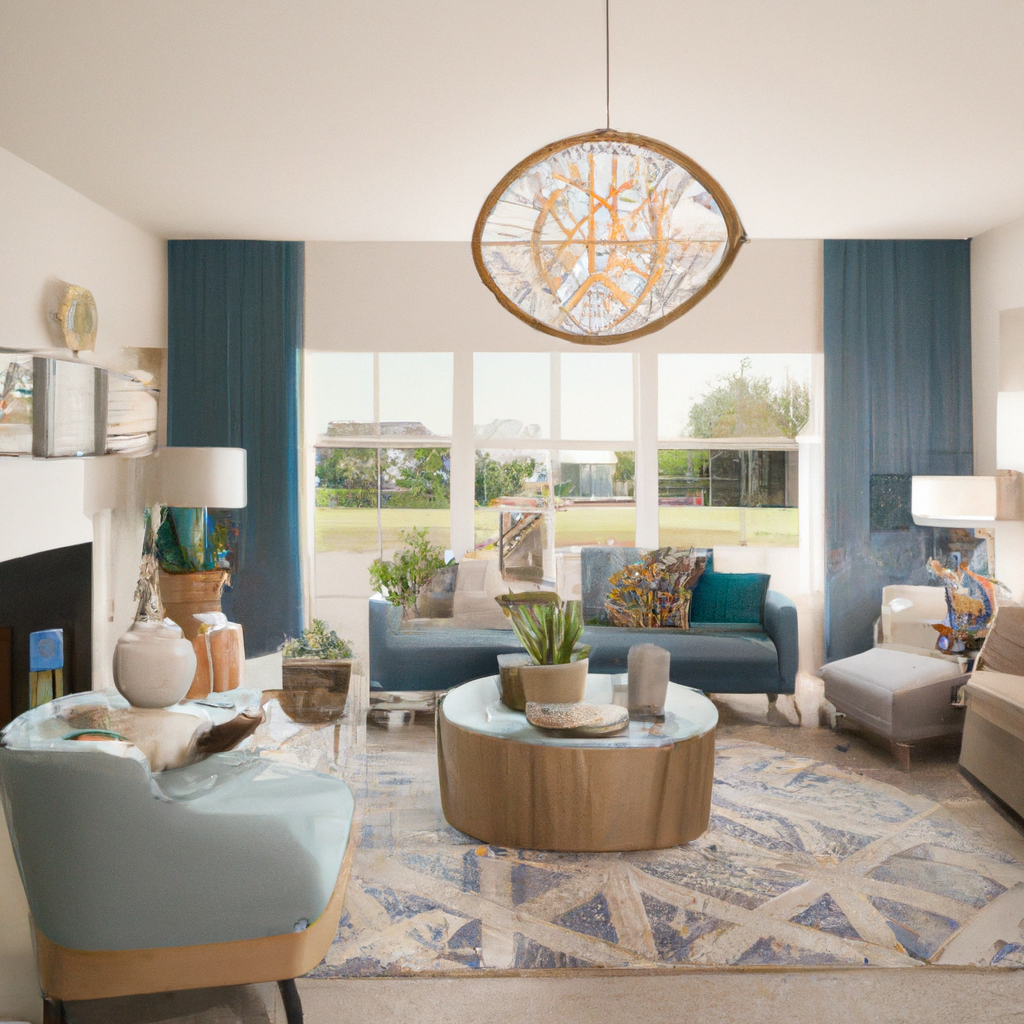
Interior design encompasses a wide range of specialties, each catering to specific types of spaces and industries. When seeking interior design services in Santa Clara, it’s important to choose a firm that aligns with your needs and project requirements. Here are some of the main types of interior design services available in Santa Clara:
Residential Interior Design
Residential interior design focuses on creating functional and aesthetically pleasing living spaces. Whether it’s a single-family home, an apartment, or a condominium, residential interior designers specialize in transforming houses into homes. They work closely with homeowners to understand their vision and design preferences, incorporating elements such as color palettes, furniture selection, and space planning.
Commercial Interior Design
Commercial interior design involves creating engaging and functional spaces for businesses. From retail stores and restaurants to corporate offices and hotels, commercial interior designers optimize spaces to enhance customer experiences and promote productivity. They consider factors such as brand identity, traffic flow, and target audience to create visually appealing and efficient spaces that align with the business’s objectives.
Office Interior Design
Office interior design is a specialized branch of commercial design that focuses specifically on creating dynamic and productive work environments. Office interiors should support employee well-being, collaboration, and creativity. Office interior designers take into account factors such as office layout, lighting, ergonomics, and branding to create spaces that optimize productivity and enhance employee satisfaction.
Hospitality Interior Design
Hospitality interior design revolves around creating inviting and immersive environments for hotels, resorts, and other hospitality establishments. These spaces should provide guests with a memorable and comfortable experience. Hospitality interior designers consider factors such as guest flow, lighting, furnishings, and luxurious touches to create spaces that exude warmth and elegance.
Restaurant Interior Design
Restaurant interior design merges aesthetics and functionality to create captivating dining environments. Designers pay close attention to themes, lighting, seating arrangements, and material selection when designing restaurants. Good restaurant design should enhance the dining experience, create a welcoming atmosphere, and reflect the overall brand identity.
Retail Interior Design
Retail interior design focuses on creating visually compelling and functional spaces for retail stores and boutiques. The design should encourage customers to explore and make purchases. Retail interior designers pay attention to factors like product placement, layout, signage, and branded elements. They create visually appealing displays and optimize the traffic flow to maximize sales and create a positive shopping experience.
Process of Interior Design Service
Working with an interior design service involves a detailed process from initial consultation to final installation. Below is an overview of the typical steps involved in an interior design project:
Initial Consultation
The first step in the interior design process is an initial consultation. During this meeting, you will discuss your vision, goals, timeline, and budget with the interior designer. The designer will ask questions to gain a better understanding of your preferences, lifestyle, and functional requirements. It is important to communicate your expectations clearly during this stage.
Project Planning and Concept Development
Based on the information gathered during the initial consultation, the interior designer will develop a project plan and concept. This includes creating a design concept board, selecting color palettes, and sourcing materials. The concept development phase allows you to visualize the proposed design and make any necessary revisions before moving forward.
Space Planning and Layout Design
Once the design concept is approved, the interior designer will start space planning and layout design. This involves creating floor plans, evaluating traffic flow, and determining the placement of furniture, fixtures, and decorative elements. Space planning ensures that the design is both functional and visually appealing.
Material and Color Selection
Material and color selection is a crucial step in the interior design process. The interior designer will guide you in choosing materials, finishes, and colors that align with your design concept. They will take into consideration factors such as durability, maintenance requirements, and aesthetic preferences. Samples and swatches will be provided for your approval.
Furniture and Fixtures Sourcing
Once the materials and colors are finalized, the interior designer will source furniture and fixtures that fit within the design concept and budget. They have access to a wide range of suppliers and resources, making it easier for you to find the perfect pieces for your space. The designer will present options and provide guidance in selecting the right furniture and fixtures.
Lighting Design
Lighting design is an important aspect of interior design that often goes unnoticed. The interior designer will create a lighting plan that takes into account ambient, task, and accent lighting. They will select fixtures that complement the overall design, enhance functionality, and create the desired ambiance in each space.
Installation and Project Management
During the installation phase, the interior designer will oversee the procurement, delivery, and installation of furniture, fixtures, and materials. They will coordinate with contractors, suppliers, and any necessary tradespeople to ensure a smooth and timely installation process. The designer’s project management skills play a key role in ensuring that the design is executed according to plan.
Final Touches and Styling
The final phase of the interior design process involves adding the finishing touches and styling the space. The designer will accessorize the rooms with artwork, pillows, rugs, and other decorative items to bring the design to life. They will take care of the final details to ensure that every element is in place and the space is ready to be enjoyed.
Benefits of Hiring an Interior Designer
Hiring an interior designer offers numerous benefits that can make the design process smooth, enjoyable, and successful. Here are some of the advantages of working with a professional interior designer:
Professional Expertise and Experience
Interior designers bring a wealth of knowledge and expertise to the table. They have a deep understanding of design principles, space planning, color theory, and materials. Their expertise allows them to create cohesive and functional designs that align with your vision. With their experience and eye for detail, they can transform your space into something truly remarkable.
Access to Industry Resources and Contacts
Interior designers have access to a vast network of industry resources and contacts. This includes suppliers, manufacturers, contractors, and craftsmen. They can source unique materials, furniture, and fixtures that are not easily accessible to the general public. Their connections enable them to deliver high-quality products and services that may not be readily available to individuals without professional connections.
Time and Cost Savings
Working with an interior designer can save you valuable time and money. Design projects involve numerous decisions and coordination with various vendors. An interior designer can streamline the process and handle the logistics, freeing up your time to focus on other important matters. They can also help you avoid costly mistakes by guiding you through the selection process and ensuring that your design stays within budget.
Avoiding Costly Design Mistakes
Interior design involves considering many factors, including layout, scale, proportion, and functionality. Without professional guidance, it is easy to make design mistakes that can be costly to rectify. An experienced interior designer can anticipate potential issues and provide solutions before they become expensive problems. Their attention to detail and design expertise helps eliminate costly errors and ensures a seamless design process.
Efficient Project Management
Interior design projects require coordination with multiple parties, including contractors, suppliers, and tradespeople. Managing these various aspects can be overwhelming and time-consuming. Interior designers excel at project management, overseeing all the moving parts to ensure a smooth and timely execution. They act as a point of contact, effectively communicating with all stakeholders and ensuring that the project stays on track.
Factors Affecting the Cost of Interior Design Services
The cost of interior design services can vary depending on several factors. Before undertaking an interior design project, it’s important to consider these factors and their potential impact on the overall cost. Here are some of the key factors that affect the cost of interior design services:
Scope and Complexity of the Project
The scope and complexity of the project play a significant role in determining the cost of interior design services. Larger projects, such as whole-house renovations or commercial build-outs, require more time and resources, resulting in higher costs. Projects that involve structural changes or extensive customization can also increase the overall cost due to additional labor and materials.
Size of the Space
The size of the space being designed directly influences the cost of interior design services. Larger spaces typically require more furniture, fixtures, and materials, which can increase the overall cost. Designing multiple rooms or a multi-story building also adds to the complexity and time required, affecting the cost. Smaller spaces generally have lower design costs as they require fewer materials and less time to complete.
Type and Quality of Materials
The choice of materials significantly impacts the cost of interior design services. High-quality materials and finishes tend to be more expensive, while more affordable options may be available for those on a tight budget. Custom or specialty materials, such as unique woodwork or imported tiles, can also increase the cost. The interior designer will work with you to strike a balance between aesthetics and budget, presenting options that meet your requirements.
Additional Services Required
Additional services beyond the core interior design scope can add to the cost. These may include architectural drawings, structural engineering, or procurement services. If any specialized consultants or tradespeople are needed for the project, their fees will be factored into the overall cost. It’s important to discuss and clarify these additional services with your interior designer upfront to avoid any unexpected expenses.
Location and Market Rates
The location of the project can influence the cost of interior design services. Areas with higher costs of living or where interior design services are in high demand tend to have higher rates. In contrast, areas with a lower cost of living may offer more affordable design services. It’s important to consider the local market rates when budgeting for your project and consulting with interior design firms in your area.
Trends in Interior Design
Interior design trends are constantly evolving, influenced by cultural shifts, technological advancements, and changing lifestyles. Staying up to date with the latest trends can help you create a space that feels current and timeless. Here are some of the current trends in interior design:
Sustainable and Eco-Friendly Design
As environmental concerns become increasingly important, sustainable and eco-friendly design practices have gained momentum. Interior designers are incorporating environmentally friendly materials, energy-efficient lighting, and sustainable construction methods into their projects. From using recycled materials to incorporating green walls and smart home technology, sustainable design is here to stay.
Minimalist and Scandinavian Influences
Minimalism and Scandinavian design continue to be popular choices for modern interiors. Their clean lines, functional furniture, and light color palettes create serene and uncluttered spaces. Scandinavian design emphasizes natural materials, cozy textures, and a connection to nature. Minimalist design encourages simplicity and a focus on essential elements, creating a sense of calm and tranquility.
Mixing Different Design Styles
Another emerging trend in interior design is the mixing of different design styles. Combining traditional and contemporary elements, or juxtaposing rustic and industrial elements, can create visually interesting and eclectic spaces. Mixing styles allows for more personalized and unique designs, reflecting the diverse tastes and personalities of the inhabitants.
Incorporating Technology and Smart Home Systems
Advancements in technology have revolutionized interior design. From voice-controlled lighting to smart thermostats and automated window coverings, technology is seamlessly integrated into modern spaces. Interior designers are incorporating these smart features to enhance comfort, convenience, and energy efficiency. Technology-driven designs are becoming increasingly popular, offering homeowners greater control and connectivity within their living spaces.
Use of Natural Materials and Textures
Bringing nature indoors is a trend that continues to thrive in interior design. Natural materials such as wood, stone, and rattan add warmth and character to any space. Their organic textures and earthy tones create a sense of connection to the natural world. From exposed brick walls to reclaimed wood furniture, incorporating natural materials is a timeless trend that adds depth and visual interest to a room.
Collaboration between Interior Designers and Clients
Successful interior design projects rely on effective collaboration between the interior designer and the client. When working with an interior designer in Santa Clara, there are several key aspects to consider to ensure a smooth and productive collaboration:
Establishing Clear Communication
Clear and open communication is crucial throughout the design process. This involves effectively expressing your preferences, design goals, and any limitations or concerns you may have. The interior designer should also be proactive in seeking your input and clarification when needed. Regular communication channels, such as in-person meetings, phone calls, and emails, should be established to facilitate ongoing dialogue.
Understanding Client’s Vision and Requirements
The interior designer should make it a priority to fully understand your vision and requirements for the space. This includes your style preferences, functional needs, and any specific features or elements you wish to incorporate. They should listen attentively and ask relevant questions to gain a comprehensive understanding of your expectations. By aligning their design concept with your vision, the interior designer can create a space that truly reflects your personality and lifestyle.
Balancing Functionality and Aesthetics
Interior design is a delicate balance between aesthetics and functionality. The interior designer should prioritize creating a space that not only looks visually appealing but also meets your practical needs. This may involve optimizing storage solutions, considering traffic flow, and selecting furniture and fixtures that offer comfort and usability. By striking the right balance between functionality and aesthetics, the interior designer can create a space that not only looks beautiful but also works well for your lifestyle.
Considering Budget Limitations
Working within a budget is an important aspect of any interior design project. The interior designer should be mindful of your budget limitations and work within the specified financial parameters. They should present design options and select materials that align with your budget while still achieving the desired outcome. Transparency and open communication regarding costs are essential for a successful collaboration.
Involvement in Decision-Making Process
Collaboration in the decision-making process is key to a successful interior design project. While the interior designer is the expert, your input and preferences should be valued and taken into consideration. Participate actively in the selection of materials, furniture, and finishes. Offer feedback and discuss any concerns or changes you may have. A collaborative approach ensures that the final design truly reflects your style and meets your expectations.
Interior Design in the Santa Clara Community
Interior design plays a vital role in the Santa Clara community, contributing to its economic growth, creativity, and aesthetic appeal. Here’s a closer look at how interior design impacts the local community:
Impacting Local Businesses and Establishments
Interior design has a significant impact on local businesses and establishments in Santa Clara. Well-designed commercial spaces attract customers, create a positive impression, and enhance the overall customer experience. Restaurants, retail stores, and hotels that invest in high-quality interior design often enjoy increased foot traffic, higher customer satisfaction, and improved profitability. By creating visually appealing and functional spaces, interior designers contribute to the success and growth of local businesses.
Promoting Creativity and Innovation
Santa Clara, being a hub for innovation and technology, fosters a creative environment. Interior design in the community promotes creativity and innovation by creating spaces that inspire and motivate. Engaging work environments, collaborative office spaces, and inspiring communal areas encourage innovation and productivity among employees. Interior design plays a crucial role in shaping the physical spaces where creativity and innovation thrive.
Enhancing the Overall Aesthetic Appeal
Well-designed interiors contribute to the overall aesthetic appeal of the Santa Clara community. Whether it’s residential neighborhoods, commercial districts, or public spaces, thoughtful interior design adds charm and character to the city. Aesthetically pleasing buildings and interiors create a sense of pride and add to the overall visual appeal of the community. Santa Clara residents and visitors can enjoy beautiful and well-designed spaces that enhance their daily lives.
Contributing to Economic Growth
The interior design industry itself contributes to the economic growth of Santa Clara. Interior design firms employ local professionals and support the local economy through their services. Additionally, by creating enticing and functional spaces, interior design generates business opportunities and attracts investors to the area. The positive impact of interior design on various industries, such as real estate, hospitality, and retail, contributes to the economic growth and prosperity of the Santa Clara community.
In conclusion, Santa Clara, California, is a vibrant city with a strong tech industry and a high quality of life. Interior design plays an essential role in creating visually appealing and functional spaces, enhancing the overall aesthetic appeal of the community. Whether it’s residential or commercial design, interior designers in Santa Clara have the expertise and creativity to transform spaces into something remarkable. By understanding client preferences, managing projects efficiently, and keeping up with the latest design trends, interior designers contribute to economic growth, individual well-being, and the overall attractiveness of the Santa Clara community.