


Are you looking to transform your living space into a harmonious and visually stunning oasis? Look no further than the Interior Design Service Tucson Arizona. With their expertise and passion for design, they bring a touch of elegance and style to any room. From choosing the perfect color palette to selecting furniture and accessories that complement your personal taste, their team of talented designers will work closely with you to create a space that is both functional and beautiful. Whether you are starting from scratch or simply want to refresh your existing décor, the Interior Design Service Tucson Arizona is your go-to destination for all your interior design needs.
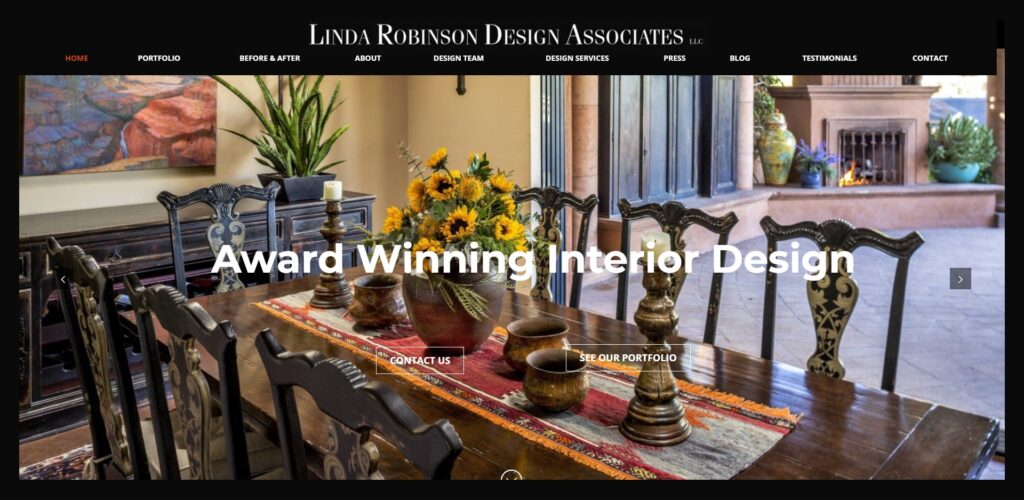
About Tucson, Arizona
Geographical location
Tucson, Arizona is a city located in the southern part of the state, nestled in the Sonoran Desert. It is situated in Pima County and is the second-largest city in Arizona, after Phoenix. With its strategic location, Tucson serves as a gateway to numerous natural wonders, including the Saguaro National Park and Mount Lemmon. The city is surrounded by majestic mountains, such as the Santa Catalina Mountains and the Rincon Mountains, offering breathtaking views and ample opportunities for outdoor activities.
Climate and weather
Tucson experiences a unique desert climate, characterized by hot summers and mild winters. The region is known for its abundant sunshine, with an average of over 300 days of sun per year. Summers in Tucson can be scorching, with temperatures often exceeding 100 degrees Fahrenheit (38 degrees Celsius). On the other hand, winters are relatively mild, with average temperatures ranging from the 60s to the 70s (15-25 degrees Celsius). The dry climate creates a stark beauty, with clear blue skies and vibrant sunsets, making Tucson an appealing location for both residents and visitors.
Population and demographics
Tucson is a diverse and vibrant city, with a population of over 500,000 people. It is home to a rich blend of cultures, including Hispanic, Native American, and Anglo influences. The city attracts a diverse range of individuals, from young professionals to retirees, drawn by its affordable cost of living, cultural amenities, and thriving job market. With its proximity to the University of Arizona, Tucson also boasts a large student population, contributing to its lively and dynamic atmosphere.
Cultural and historical significance
Tucson has a rich cultural and historical background, dating back thousands of years. The area was originally inhabited by indigenous peoples, including the Tohono O’odham and the Pima tribes. The city’s multicultural heritage is celebrated through various festivals, art exhibits, and museums. Tucson is also known for its vibrant culinary scene, influenced by its diverse population. Visitors can enjoy a wide array of cuisines, from traditional Mexican dishes to modern fusion creations.
Economic factors
Tucson’s economy is diverse, with key sectors including aerospace and defense, healthcare, and education. The city is home to several major employers, such as Raytheon Missile Systems, the University of Arizona, and Tucson Medical Center. The presence of these industries contributes to a robust job market and a thriving economy. In recent years, Tucson has also gained prominence as a destination for retirees, drawn by its affordable housing options and favorable tax climate. The city’s economic stability and growth provide a strong foundation for the interior design industry to flourish.
Introduction to Interior Design
Definition and purpose
Interior design is the art and science of enhancing the interior space of a building to create a functional and aesthetically pleasing environment for its occupants. The purpose of interior design goes beyond the mere selection and arrangement of furniture and decor. It involves careful consideration of factors such as space planning, color schemes, lighting, and materials to create spaces that meet the specific needs and preferences of the client. Interior design is an essential aspect of creating harmonious and visually appealing spaces that evoke a desired mood or atmosphere.
Evolution of interior design
Interior design has evolved significantly over the years, reflecting changes in social, cultural, and technological trends. The profession originated as a way to embellish and decorate palaces and religious buildings, but it has now become an essential aspect of residential and commercial spaces. From the ornate designs of the Victorian era to the sleek and minimalistic aesthetics of modernism, interior design has continually adapted to the preferences and lifestyles of different periods.
Importance of interior design in Tucson
In Tucson, interior design plays a crucial role in shaping the way people experience their living and working spaces. The city’s unique climate and natural surroundings provide inspiration for interior designers to incorporate elements of the desert landscape into their designs. Tucson’s vibrant cultural scene also influences interior design choices, with local artisans and artists often incorporated into projects. Good interior design in Tucson takes into account the specific needs of the residents, creates comfortable spaces that are energy-efficient, and reflects the cultural identity of the city.
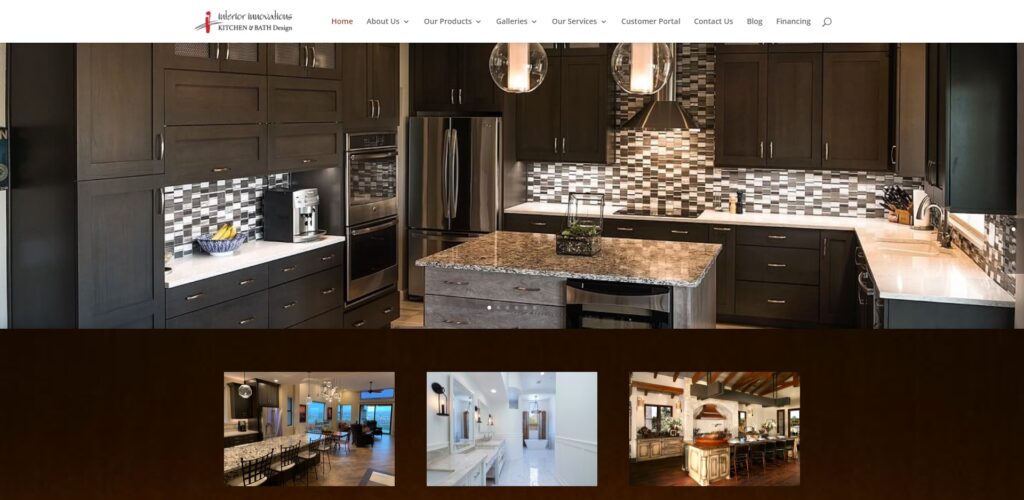
Popular Interior Design Styles
Traditional
Traditional interior design style embraces classic elegance and timeless aesthetics. It draws inspiration from various historical periods, such as the Victorian and Georgian eras, and focuses on symmetry, rich textures, and ornate decor. Traditional interiors often feature dark wooden furniture, intricate patterns, and detailed moldings.
Modern
Modern interior design style emphasizes simplicity, clean lines, and functionality. It emerged in the early 20th century and is influenced by the modernist movement. Modern interiors feature open floor plans, minimal ornamentation, and a neutral color palette. The focus is on using sleek materials, such as glass, metal, and concrete, to create a sense of space and light.
Contemporary
Contemporary interior design style is often confused with modern design, but it has some key differences. While modern design refers to a specific time period, contemporary design represents the current trends and styles. Contemporary interiors incorporate a mix of different elements, such as clean lines, neutral colors, and bold accents. This style allows for flexibility and individual expression.
Rustic
Rustic interior design style embraces the charm and simplicity of rural living. It draws inspiration from nature and often features raw, natural materials, such as wood and stone. Rustic interiors have a cozy and warm feel, with exposed beams, vintage furniture, and earthy color palettes.
Industrial
Industrial interior design style takes inspiration from warehouses and factories, showcasing raw and utilitarian elements. It embraces the beauty of exposed brick walls, metal fixtures, and distressed finishes. Industrial interiors often feature open spaces, high ceilings, and a mix of vintage and modern furniture.
Mid-century modern
Mid-century modern interior design style emerged in the mid-20th century and remains popular today. It is characterized by clean lines, organic shapes, and a focus on functionality. Mid-century modern interiors feature iconic furniture pieces, such as the Eames Lounge Chair, and a mix of natural and vibrant colors.
Minimalist
Minimalist interior design style follows the principle of “less is more.” It embraces simplicity, clean lines, and a clutter-free environment. Minimalist interiors feature a neutral color palette, uncluttered spaces, and furniture with sleek and simple designs.
Bohemian
Bohemian interior design style is characterized by a free-spirited and eclectic approach. It embraces a mix of patterns, textures, and colors inspired by different cultures and eras. Bohemian interiors often feature vintage and handmade furniture, layered textiles, and an abundance of plants.
Scandinavian
Scandinavian interior design style is known for its simplicity, functionality, and focus on natural light. It features a minimalist color palette, predominantly white and neutral tones, and clean lines. Scandinavian interiors often incorporate natural materials, such as wood and leather, and have a cozy and inviting atmosphere.
Eclectic
Eclectic interior design style allows for a mix of different styles, eras, and influences. It is characterized by a playful, individualistic approach and the blending of contrasting elements. Eclectic interiors often feature a variety of colors, patterns, and textures, creating a visually stimulating and unique environment.
Benefits of Hiring an Interior Designer
Expertise and skills
One of the primary benefits of hiring an interior designer in Tucson is accessing their expertise and skills. Interior designers have a deep understanding of design principles, color theory, and spatial planning. They are trained professionals who can bring fresh ideas and creative solutions to transform a space into something truly remarkable.
Space planning and optimization
Interior designers excel in space planning and optimization. They have an eye for proportion and balance, ensuring that every square inch of a room is utilized efficiently. Whether it’s a residential home or a commercial space, interior designers can create layouts that maximize functionality and flow.
Budget management
Contrary to popular belief, hiring an interior designer can actually help you stay within budget. Designers have access to a wide range of resources and suppliers, allowing them to find the best deals on furniture, decor, and materials. They understand the value of each investment and can help prioritize spending to achieve the desired results without overspending.
Access to resources and suppliers
Interior designers have extensive networks of resources and suppliers, which can be invaluable when it comes to finding the perfect furnishings and finishes for a project. They can source unique and high-quality items that may not be readily available to the general public. By leveraging their connections, designers can save clients time and effort in searching for the right products.
Time-saving and stress reduction
Designing and decorating a space can be a time-consuming and overwhelming task. Hiring an interior designer can save you countless hours of researching, shopping, and coordinating. Designers facilitate the entire process, from conceptualization to implementation, allowing clients to focus on other aspects of their lives. By shouldering the responsibility, designers also alleviate stress and ensure a smooth and enjoyable experience.
Finding the Right Interior Design Service
Researching local interior designers in Tucson
When searching for an interior design service in Tucson, it is essential to conduct thorough research. Start by compiling a list of reputable designers in the area. Browse their websites and social media platforms to get a sense of their design aesthetic, portfolio, and services offered.
Portfolio evaluation
Look into the portfolios of the shortlisted designers to get a better understanding of their style and capabilities. Pay attention to the diversity of their work, as well as their ability to tackle different types of projects. A well-rounded portfolio demonstrates versatility and adaptability.
Client testimonials and reviews
Reading client testimonials and online reviews can provide valuable insights into the quality of service and client satisfaction. Look for feedback regarding professionalism, communication, and project outcomes. Positive reviews and recommendations from previous clients can help instill confidence in your decision.
Budget considerations
Establishing your budget early on is crucial. Consider how much you are willing to invest in the project and communicate this to the designers during the initial consultation. It is important to find a designer who can work within your budget without compromising on quality.
Initial consultation
Schedule an initial consultation with the designers on your shortlist. This will give you an opportunity to discuss your project in more detail, gauge their expertise and professionalism, and assess whether you feel comfortable working with them. Use this time to clarify any concerns or questions you may have.
Collaborating with an Interior Designer
Defining your style and preferences
Collaborating with an interior designer starts with defining your style and preferences. Take the time to gather inspiration and create a mood board or visual references that convey the look and feel you desire. Share these with your designer to ensure they understand your vision.
Establishing goals and expectations
Clearly communicate your goals and expectations for the project. Discuss how you intend to use the space, any functional requirements, and the atmosphere you aspire to create. By aligning your goals with those of the designer, you can ensure a shared understanding and a successful collaboration.
Open communication and feedback
Effective communication is paramount throughout the design process. Be open and honest with your designer, providing feedback and expressing any concerns along the way. A good designer will listen attentively, address your feedback, and collaborate with you to achieve the desired outcome.
Material and color selection
Interior designers have extensive knowledge of materials and finishes, and can guide you in selecting the right options for your project. They will consider factors such as durability, aesthetics, and sustainability. Collaborate with your designer to choose materials and colors that align with your style and meet your practical requirements.
Furniture and decor choices
Your designer will assist you in selecting furniture and decor that enhance the overall design concept. They will consider factors such as proportion, scale, and functionality to ensure the pieces selected are both visually appealing and practical. Embrace the opportunity to explore new options and trust your designer’s expertise in sourcing and recommending suitable items.
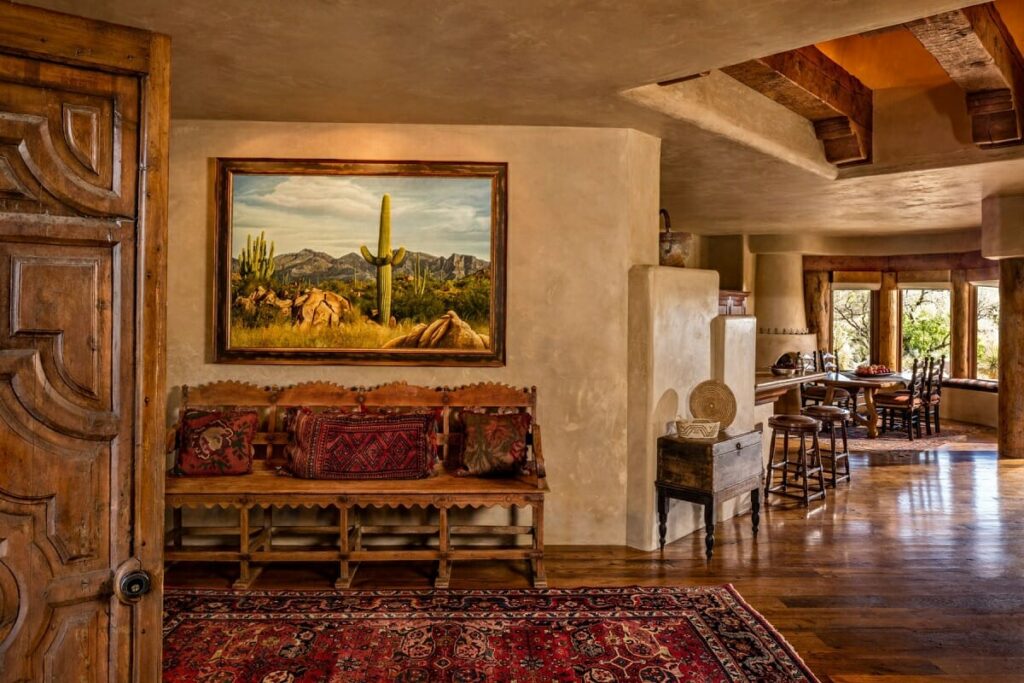
Interior Design Process
Concept development
The interior design process typically begins with concept development. This stage involves brainstorming ideas, creating initial sketches or renderings, and establishing an overall design direction. The designer will work closely with the client to refine the vision and ensure that all requirements are met.
Space planning and layout
Once the concept is finalized, the designer will move on to space planning and layout. This involves arranging furniture, defining zones, and optimizing the flow of traffic within the space. The goal is to create a functional and cohesive layout that maximizes the potential of the space.
Selection of materials and finishes
The selection of materials and finishes is a crucial step in the interior design process. The designer will present various options for flooring, wall treatments, lighting, and other essential elements. They will consider factors such as durability, aesthetics, and sustainability, ensuring that the chosen materials align with the overall design concept.
Furniture and accessory procurement
Once the materials and finishes are selected, the designer will source and procure the necessary furniture and accessories. They will carefully consider each item’s design, quality, and compatibility with the overall design vision. Designers often have access to exclusive trade resources, allowing them to find unique and high-quality pieces.
Implementation and installation
With all the necessary elements in place, the designer will coordinate the implementation and installation. This may involve working with contractors, artisans, and suppliers to ensure the smooth execution of the design plan. Throughout this process, the designer will oversee the project, troubleshoot any issues, and provide guidance as needed.
Final touches and styling
The final touches and styling are essential to bring the design vision to life. The designer will add finishing touches, including artwork, accessories, and textiles, to complete the overall look. Attention to detail is crucial at this stage, as even minor adjustments can greatly impact the overall aesthetic of the space.
Cost of Interior Design Services
Fee structure options
Interior design services may be offered with different fee structures. Common options include flat fee, hourly rate, or a percentage of the project’s total cost. Consult with your designer to determine the most suitable fee structure for your project.
Scope of work and project complexity
The complexity of the project and the scope of work will influence the cost of interior design services. Larger spaces or projects that require extensive renovations may require more time and resources, resulting in a higher cost. Discuss the scope of work with your designer to ensure a clear understanding of the associated costs.
Factors influencing the cost
Other factors that may influence the cost of interior design services include the level of customization, the need for specialized trades or artisans, and the selection of high-end materials or furnishings. It is essential to have open and transparent communication with your designer regarding your budget constraints.
Tips for budget management
To manage your budget effectively, establish a clear budget from the beginning and communicate this to your designer. Be open to alternative solutions or cost-saving options suggested by your designer. Additionally, consider prioritizing your spending on key elements that will have the most significant impact on the overall design.
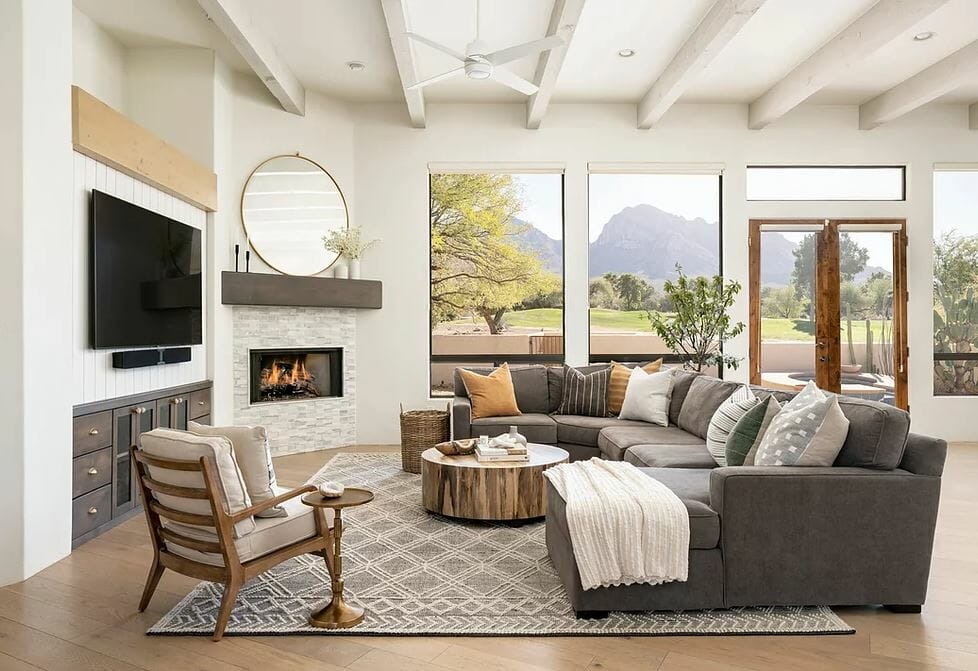
Examples of Interior Design Projects in Tucson
Residential homes
Interior designers in Tucson have worked on a variety of residential projects, ranging from small apartments to luxurious estates. These projects showcase a blend of different styles, from Southwest-inspired designs that embrace the desert landscape to modern and minimalist aesthetics that emphasize simplicity and functionality.
Commercial spaces
Tucson’s thriving economy has led to a demand for well-designed commercial spaces. Interior designers have transformed retail stores, restaurants, and offices into visually appealing and functional environments. These projects often reflect the brand identity and incorporate elements that resonate with Tucson’s vibrant culture.
Hospitality industry
The hospitality industry in Tucson has also benefited from the expertise of interior designers. Hotels, resorts, and Airbnb rentals have undergone stunning transformations, creating memorable experiences for guests. Interior designers focus on creating comfortable and inviting spaces that enhance the overall guest experience.
Healthcare facilities
Interior design plays a crucial role in healthcare facilities, creating calming and healing environments for patients and staff. Tucson’s healthcare facilities have embraced contemporary designs that offer a balance between functionality and aesthetics. These projects prioritize patient comfort, ease of navigation, and a sense of serenity.
Educational institutions
Interior designers have also made their mark in Tucson’s educational institutions. From K-12 schools to universities, these projects aim to create inspiring and engaging spaces for students and educators. Designers focus on flexibility, collaboration, and the incorporation of technology to optimize learning environments.
Future Trends in Tucson’s Interior Design
Sustainable and eco-friendly designs
As environmental consciousness continues to grow, sustainable and eco-friendly designs will become increasingly popular in Tucson. Interior designers will focus on incorporating energy-efficient materials and systems, as well as promoting recycling and the use of natural light and ventilation.
Integration of technology
The integration of technology will play a significant role in the future of interior design in Tucson. Smart home systems, automated lighting, and voice-activated controls will become more prevalent, enhancing convenience and efficiency in residential and commercial spaces.
Flexible and multifunctional spaces
The demand for flexible and multifunctional spaces is on the rise. Tucson’s interior designers will be tasked with creating versatile environments that can adapt to changing needs and accommodate various activities. This includes the use of movable walls, modular furniture, and innovative storage solutions.
Biophilic design
Biophilic design, which focuses on incorporating elements of nature into the built environment, will gain popularity in Tucson. Interior designers will incorporate natural materials, greenery, and natural light to create soothing and sustainable spaces that promote well-being and connection to nature.
Color and pattern trends
Tucson’s interior design will continue to embrace bold and vibrant colors, reflecting the city’s rich cultural heritage. Patterned textiles, tiles, and wallpapers will be used to add visual interest and create statement pieces within a space. Pantone’s color of the year and other emerging color trends will influence the design choices of interior designers.
In conclusion, Tucson, Arizona, with its unique geographical location, vibrant culture, and thriving economy, provides an ideal backdrop for the flourishing interior design industry. Whether it’s residential homes, commercial spaces, or healthcare facilities, the city offers a range of opportunities for interior designers to showcase their expertise. By understanding the benefits of hiring an interior designer, the process of finding the right service, and the collaboration between the designer and client, individuals in Tucson can transform their spaces into beautiful and functional environments that reflect their unique style and meet their specific needs. With future trends focusing on sustainability, technology integration, and flexibility, Tucson’s interior design scene is poised for exciting developments in the years to come.


