


Are you looking to transform your living space into a stylish and functional oasis? Look no further than the Interior Design Service in Washington, District of Columbia. With their expert eye for design and attention to detail, they can help bring your vision to life. From selecting the perfect color palette to sourcing elegant furniture and accessories, their team will work closely with you to create a space that reflects your unique style and meets your practical needs. Whether you’re revamping your home or office, their interior design service in Washington, District of Columbia is here to make your dream space a reality.
About Interior Design in Washington, D.C.
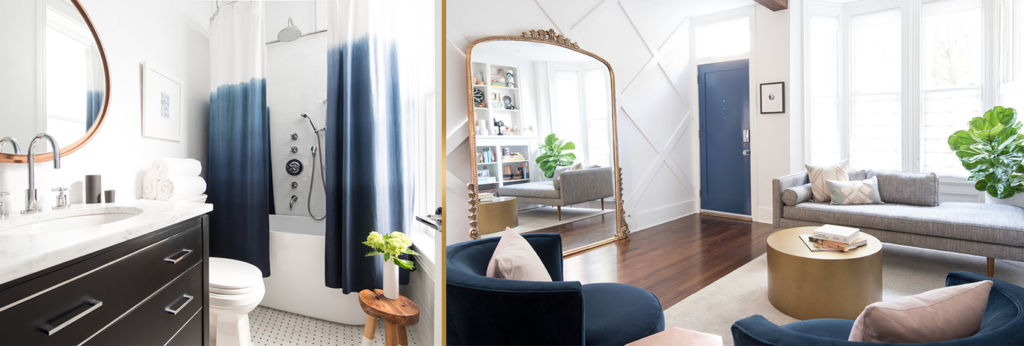
Washington, D.C., the capital of the United States, is known not only for its political significance but also for its thriving interior design industry. Interior design in Washington, D.C. has a rich history, a strong influence on the local culture, and is constantly evolving to meet the demands of the city’s diverse population. Whether it’s residential, commercial, hospitality, or retail spaces, the interior design scene in the District of Columbia is vibrant and offers a range of services to cater to different needs and preferences.
History of interior design in Washington, D.C.
Interior design in Washington, D.C. has a long and illustrious history. The city’s architecture and interior design have been shaped by a variety of styles over the years, including neoclassical, federal, Georgian, and modernist influences. From the historic mansions and government buildings to the contemporary urban developments, Washington, D.C. showcases a wide range of architectural and interior design aesthetics.
Significance of interior design in the District of Columbia
Interior design plays a crucial role in Washington, D.C. not only in enhancing the aesthetics of spaces but also in creating functional and practical designs. The District of Columbia is home to a diverse population, and the interior design industry caters to the unique needs and preferences of the city’s residents and businesses. With its rich history and cultural significance, interior design in Washington, D.C. contributes to the overall identity and character of the city.
Current trends in interior design in Washington, D.C.
Washington, D.C. is a city that embraces both tradition and innovation, and this is reflected in the current trends in interior design. Some of the popular trends in the District of Columbia include the incorporation of sustainable and eco-friendly elements, the blending of modern and traditional styles, maximizing the use of natural light, integrating smart home technology, using bold colors and patterns, and mixing different textures and materials. These trends not only enhance the visual appeal of spaces but also improve functionality and comfort.
Benefits of Hiring an Interior Design Service
When it comes to transforming your space, hiring an interior design service in Washington, D.C. can offer numerous benefits. Let’s explore some of the advantages of working with professionals in the field.
Enhancing the aesthetics of your space
One of the primary benefits of hiring an interior design service is the ability to enhance the aesthetics of your space. Interior designers have a keen eye for design and can bring your vision to life, creating a cohesive and visually appealing environment. They can help you choose color schemes, furniture, fixtures, and decorative elements that align with your personal style and preferences, resulting in a space that truly reflects your personality.
Creating functional and practical designs
In addition to improving the visual appeal of your space, interior designers are experts in creating functional and practical designs. They take into account your needs and lifestyle, ensuring that the layout and organization of the space optimize its usability. With their knowledge of space planning and ergonomics, interior designers can maximize the potential of your space and ensure that it is both aesthetically pleasing and functional.
Saving time and effort
Designing and decorating a space can be a time-consuming and overwhelming task, especially if you have a busy schedule. By hiring an interior design service, you can save valuable time and effort. Interior designers have the expertise and resources to efficiently manage the entire design process, from conceptualization to implementation. They handle everything from sourcing materials to coordinating with contractors, allowing you to focus on other aspects of your life while still achieving the space of your dreams.
Access to professional expertise
Interior designers have a deep understanding of design principles, materials, and construction techniques. By hiring an interior design service, you gain access to their professional expertise and knowledge. They stay up to date with the latest trends and innovations in the industry, ensuring that your space is designed to the highest standards. Their experience and skills enable them to solve design challenges and create unique solutions tailored to your specific needs.
Customization and personalization of spaces
Every individual and space is unique, and hiring an interior design service allows you to customize and personalize your environment. Interior designers take the time to understand your preferences, lifestyle, and goals to create a space that is not only visually appealing but also reflects your personality and meets your specific requirements. Whether it’s selecting bespoke furniture or incorporating sentimental items, interior designers can help you infuse your space with personal touches that make it truly your own.
Types of Interior Design Services
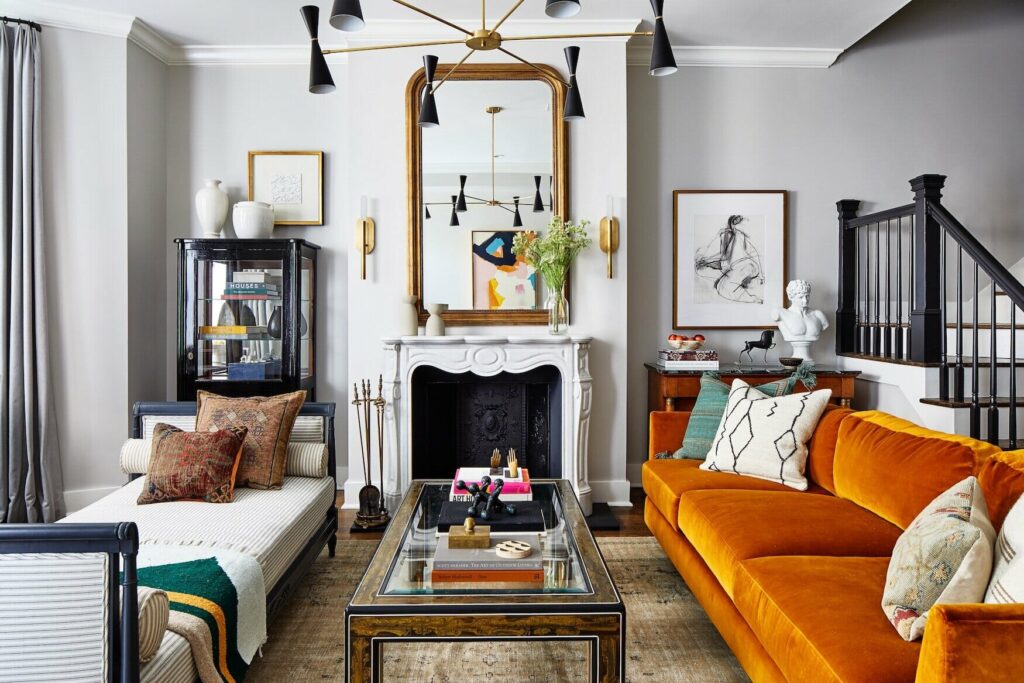
Interior design services in Washington, D.C. encompass a wide range of specialties to cater to different types of spaces and industries. Here are some of the most common types of interior design services available:
Residential interior design
Residential interior design focuses on creating comfortable, functional, and visually appealing spaces within homes, apartments, and other residential properties. Whether it’s a single room or an entire house, residential interior designers work closely with homeowners to understand their lifestyle and design preferences, transforming their spaces into personalized sanctuaries.
Commercial interior design
Commercial interior design revolves around creating engaging and efficient spaces for businesses and organizations. This includes offices, restaurants, retail stores, hotels, and other commercial establishments. Commercial interior designers consider factors such as branding, target audience, and functionality to design spaces that not only visually represent the business but also enhance productivity and customer experience.
Hospitality interior design
Hospitality interior design focuses on creating immersive and welcoming environments for hotels, resorts, restaurants, bars, and other hospitality establishments. Hospitality interior designers have a deep understanding of the specific requirements and challenges of the industry, and they work to create spaces that offer comfort, luxury, and a memorable experience for guests.
Retail interior design
Retail interior design encompasses the design of retail spaces such as boutiques, department stores, and shopping malls. Retail interior designers understand the importance of creating a visually appealing and customer-friendly environment that encourages sales. They pay attention to factors such as product placement, signage, lighting, and flow to optimize the shopping experience.
Healthcare interior design
Healthcare interior design focuses on creating functional and comfortable environments within healthcare facilities such as hospitals, clinics, and medical offices. Healthcare interior designers take into account the unique needs of patients, doctors, and staff, incorporating elements that promote healing, safety, and efficiency. They consider factors such as lighting, acoustics, infection control, and patient privacy in their designs.
Educational interior design
Educational interior design aims to create inspiring and effective learning environments for schools, colleges, and universities. Educational interior designers consider the needs of students, teachers, and administrators, designing spaces that facilitate learning, collaboration, and creativity. They focus on factors such as classroom layout, furniture selection, technology integration, and student engagement to create optimal learning environments.
Factors to Consider when Choosing an Interior Design Service
Choosing the right interior design service in Washington, D.C. is crucial to ensure that your design project is a success. Consider the following factors when making your decision:
Budget
Before hiring an interior design service, it is important to establish a budget for your project. Communicate your budget to potential interior designers to ensure that their services align with your financial constraints. A reputable interior design service will work within your budget to create a design plan that meets your needs and objectives.
Experience and portfolio
When researching interior design services, consider their experience and portfolio of past projects. Look for professionals who have expertise in the type of space you wish to design. Review their portfolio to get a sense of their design style and quality of work. A well-established interior design service with a diverse portfolio indicates their ability to deliver successful design projects.
Communication and collaboration
Effective communication and collaboration are key to a successful design project. Ensure that the interior design service you choose values your input and actively listens to your ideas and concerns. They should be able to effectively communicate their design concepts and progress, and be open to collaborating with you throughout the process.
Style and aesthetic compatibility
Every interior designer has their own unique style and aesthetic. It is important to find an interior design service that aligns with your personal style and vision for your space. Look for designers who have experience working with the design style you prefer, whether it’s modern, rustic, traditional, or eclectic.
Understanding of local building codes and regulations
When working with an interior design service, it is important to ensure that they have a thorough understanding of local building codes and regulations. This knowledge is crucial to ensure that your design project complies with safety standards and legal requirements. Ask potential interior designers about their familiarity with local codes and regulations to avoid any complications during the project.
Finding the Best Interior Design Service in Washington, D.C.
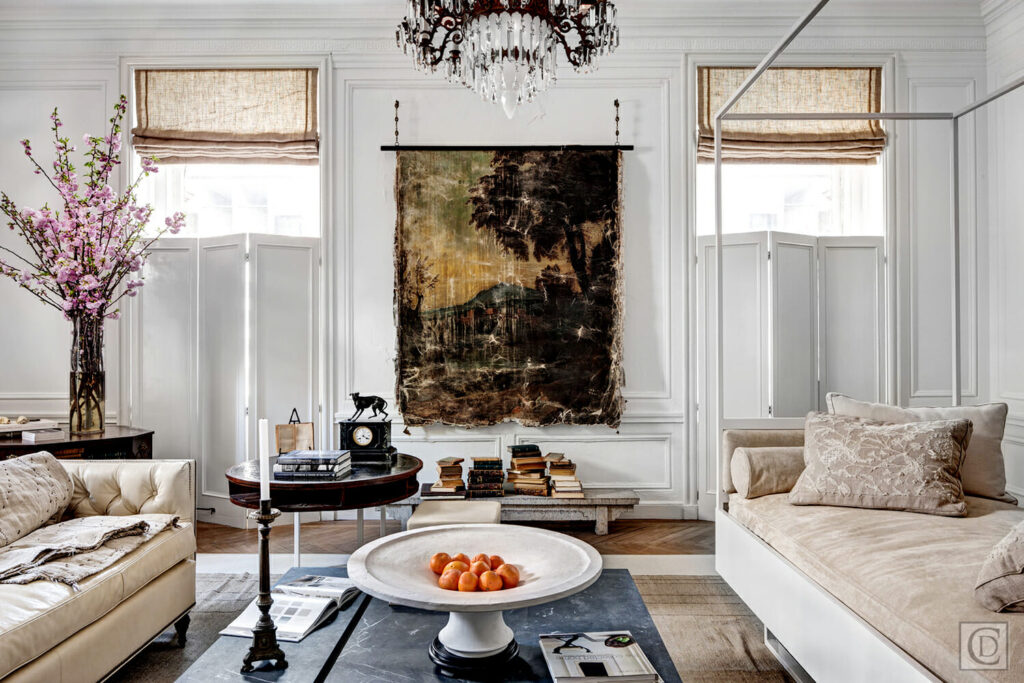
Now that you understand the factors to consider, here are some effective ways to find the best interior design service in Washington, D.C.:
Word-of-mouth recommendations
Reach out to friends, family, and colleagues who have recently worked with an interior design service in the area. Ask for recommendations and inquire about their experience with the designer. Word-of-mouth recommendations provide valuable insights and help you find reliable and trustworthy professionals.
Online directories and platforms
Utilize online directories and platforms that list interior design services in Washington, D.C. Websites such as Houzz, Angie’s List, and Yelp feature reviews and ratings from previous clients, giving you an idea of the reputation and quality of service provided by different interior designers. Take the time to read reviews and assess their suitability for your project.
Social media and design communities
Social media platforms like Instagram, Pinterest, and Facebook can be great sources of design inspiration and a way to discover interior design services in Washington, D.C. Follow local design accounts, join design communities, and engage with posts to connect with professionals in the industry. Designers often showcase their work on social media, allowing you to get a glimpse of their style and expertise.
Local design associations and events
Explore local design associations and events in Washington, D.C. These organizations often host events, such as design fairs and showcases, where you can meet and connect with interior designers. Attending these events gives you the opportunity to see their work in person and engage in conversations to determine if they are the right fit for your project.
Consultations and interviews
Once you have identified potential interior designers, schedule consultations and interviews to better understand their services and approach. During these meetings, discuss your project goals, timeline, and budget. Take the opportunity to ask questions and assess their communication style, professionalism, and compatibility with your vision. Trust your instincts and choose a designer who makes you feel comfortable and confident in their abilities.
Working Process of an Interior Designer
Working with an interior designer involves a series of steps and processes to bring your design project to life. Here is an overview of the typical working process of an interior designer:
Initial consultation and project assessment
The process usually begins with an initial consultation, where you discuss your project goals, vision, and requirements with the interior designer. They will assess the space, take measurements, and gain an understanding of your personal style and preferences. This consultation is an opportunity for you to convey your expectations and for the designer to clarify any doubts or concerns.
Concept development and space planning
After the initial consultation, the interior designer will develop design concepts and space plans based on your requirements and their expertise. They will present these concepts to you, incorporating your feedback and making any necessary revisions. This stage involves creating 2D or 3D renderings, floor plans, and mood boards to help visualize the final design.
Material selection and sourcing
Once the design concept is finalized, the interior designer will assist in selecting suitable materials, finishes, furniture, fixtures, and accessories for your project. They have access to a wide range of resources and suppliers and can help you find the best options that align with your style, budget, and project timeline.
Budgeting and cost estimation
Throughout the design process, the interior designer will help you establish a budget and provide cost estimates for the various elements of the project. They will work with you to prioritize expenses and find cost-effective solutions that meet your financial constraints. Regular budget updates and tracking ensure that the project stays on track financially.
Coordination with contractors and vendors
Interior designers act as a bridge between you, contractors, and vendors involved in the project. They will coordinate with contractors for construction and installation work, as well as manage the procurement and delivery of materials and furnishings. This ensures that the project progresses smoothly and efficiently, with all parties working in harmony.
Project management and timeline tracking
Throughout the project, the interior designer will manage all aspects of the design process, including scheduling, subcontractor coordination, and quality control. They will track the project timeline, making adjustments as necessary to ensure timely completion. Regular site visits and progress updates will keep you informed of the project’s status.
Installation and final touches
Once construction and installation are complete, the interior designer will oversee the placement of furniture, fixtures, and accessories according to the design plan. They will pay attention to every detail, ensuring that the space is properly styled and finished. This stage involves close collaboration between the designer and the client to ensure that the final result meets expectations.
Post-completion evaluation and support
After the project is complete, the interior designer will conduct a post-completion evaluation to ensure that you are satisfied with the final result. They will address any concerns or issues that may arise and provide support or additional services as needed. Building a long-term relationship with the designer allows for ongoing design assistance and future project collaboration.
Interior Design Trends in Washington, D.C.
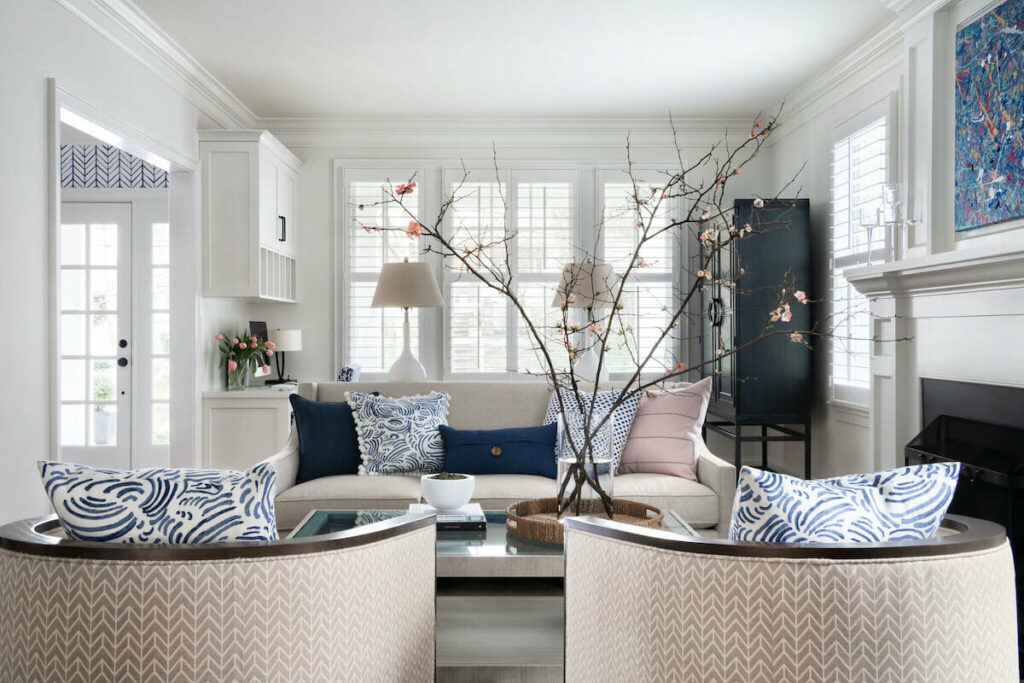
Washington, D.C. is a city that embraces diverse design trends. Here are some of the current interior design trends popular in the District of Columbia:
Incorporating sustainable and eco-friendly elements
As environmental consciousness grows, interior designers in Washington, D.C. are incorporating sustainable and eco-friendly elements in their designs. From energy-efficient lighting to reclaimed materials and low VOC finishes, these designs promote a healthier and more environmentally responsible approach to interior design.
Blending modern and traditional styles
Washington, D.C. is a city known for its rich history and classical architecture. A popular trend in the District of Columbia is to blend modern and traditional styles, combining elements of the past with contemporary design. This fusion creates a unique and timeless aesthetic that pays homage to the city’s heritage while embracing modern sensibilities.
Maximizing the use of natural light
In a city known for its stunning monuments and iconic landmarks, natural light is highly valued in interior design. Designers in Washington, D.C. focus on maximizing the use of natural light through strategically placed windows, skylights, and light-reflecting surfaces. This not only reduces the need for artificial lighting but also creates a sense of openness and connection to the city’s outdoor spaces.
Integrating smart home technology
With the rapid advancement of technology, smart home features are becoming increasingly popular in interior design. Integrating smart home technology allows residents to control various aspects of their environment, such as lighting, temperature, and security, through smartphone apps or voice commands. This trend reflects the city’s progressive nature and desire for convenience and efficiency.
Using bold colors and patterns
Washington, D.C. is a city known for its vibrancy and diversity, and interior designers in the District of Columbia embrace this spirit by using bold colors and patterns. From vibrant accent walls to geometric prints and large-scale artwork, these design choices add visual interest and personality to spaces, making a statement.
Mixing different textures and materials
Combining different textures and materials is another prevalent trend in Washington, D.C. interior design. Designers often juxtapose smooth surfaces with rough textures, blending materials such as wood, metal, glass, and stone to create visual contrast and tactile interest. This layering of textures and materials adds depth and richness to the design, resulting in visually dynamic spaces.
Cost of Interior Design Services
The cost of interior design services in Washington, D.C. can vary depending on various factors. Here are some key points to consider when discussing the cost of your project with an interior design service:
Factors affecting the overall cost
Several factors can influence the overall cost of interior design services. These include the size and complexity of the space, the scope of the project, the level of customization and detailing required, and the expertise and reputation of the interior designer. Higher-end materials and finishes, as well as the inclusion of additional services such as project management and procurement, can also impact the cost.
Hourly rates vs. fixed project fees
Interior designers may charge either an hourly rate or a fixed project fee for their services. Hourly rates are typically used for smaller projects or when the scope of the work is uncertain. Fixed project fees are more common for larger projects with well-defined parameters. Discuss the fee structure with your interior designer to determine the most appropriate arrangement for your project.
Understanding additional expenses
In addition to the interior design service fees, there may be additional expenses to consider. These can include the cost of materials, furnishings, accessories, contractor fees, and any necessary permits or approvals. It is important to have a clear understanding of these additional expenses and include them in your budget to avoid any surprises during the project.
Value-based pricing models
Some interior designers in Washington, D.C. may use value-based pricing models, which take into account the perceived value of their services rather than simply charging based on time or effort. This pricing approach considers factors such as the budget and goals of the client, the unique requirements of the project, and the expertise and reputation of the designer. Value-based pricing allows for a more flexible and tailored approach to pricing that can better align with the client’s expectations and desired outcomes.

Questions to Ask an Interior Design Service
When considering hiring an interior design service in Washington, D.C., it is important to ask the right questions to ensure that they are the right fit for your project. Here are some key questions to consider:
Are you licensed and insured?
Ensure that the interior design service you are considering is licensed and insured. Licensing guarantees that the designer has met the necessary qualifications and standards, while insurance protects both you and the designer in case of any accidents or damages during the project. Request proof of their license and insurance to avoid any potential legal or financial risks.
Can you provide references from past clients?
Ask the interior design service to provide references from past clients. Speaking with these clients can give you valuable insights into the designer’s professionalism, communication, and ability to deliver successful projects. Ask about their overall experience with the designer, the quality of their work, and any challenges they encountered throughout the project.
What is your design process like?
Understanding the interior design service’s design process is essential in ensuring that their approach aligns with your expectations. Ask about their design methodologies, timelines, and how they incorporate client input. A well-defined design process demonstrates the designer’s organizational skills and ability to effectively manage your project.
How do you handle unexpected challenges during a project?
Every project comes with its own set of challenges, and it is important to know how the interior design service handles unexpected situations. Inquire about their problem-solving abilities and their communication procedures when faced with unforeseen issues. A professional and experienced designer will have contingency plans in place and will be able to navigate challenges while keeping you informed and involved.
Can you work within my budget?
Discuss your budget with the interior design service and ask if they have experience working within similar financial constraints. A good interior designer should be able to work with your budget and suggest cost-effective solutions without compromising on the quality and aesthetic appeal of the design. Clear communication about budget expectations will help you determine if the designer can deliver within your financial means.
Conclusion
Interior design in Washington, D.C. is a thriving industry that offers a diverse range of services to cater to various types of spaces and industries. From residential to commercial, hospitality to retail, healthcare to educational, interior design plays a significant role in enhancing the aesthetics and functionality of spaces in the District of Columbia.
By hiring an interior design service, you can benefit from their expertise in creating visually appealing and functional designs that align with your style and preferences. They can save you time and effort by managing the entire design process, accessing professional resources, and providing customization options. When choosing an interior design service, consider factors such as budget, experience, communication, and compatibility to ensure a successful partnership.
In Washington, D.C., where tradition and innovation coexist, interior design trends embrace sustainability, blending styles, maximizing natural light, integrating smart technology, and using bold colors and textures. Interior designers in the District of Columbia are adept at incorporating these trends to create unique and inspiring spaces.
Understanding the cost of interior design services is important for budgeting purposes. Factors such as project complexity, materials, and additional expenses can influence the overall cost. Interior designers may charge an hourly rate or a fixed project fee, and value-based pricing models can also be considered. Asking the right questions, such as licensing, references, design process, problem-solving, and budget considerations, can help you make an informed decision when selecting an interior design service.
In conclusion, interior design in Washington, D.C. offers a multitude of opportunities to transform your space into a personalized and beautiful environment. By hiring a reputable interior design service, you can bring your vision to life and create a space that reflects your style, meets your needs, and enhances your quality of life.


