


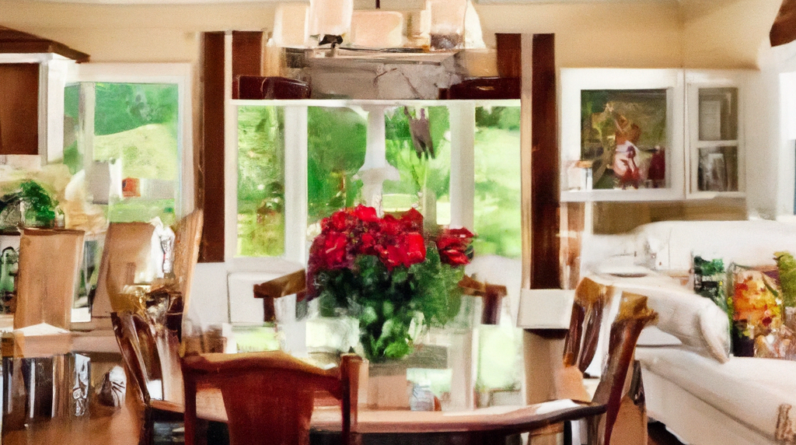
Are you looking for a professional interior design service in Wichita Falls, Texas? Look no further! Whether you need assistance with a residential or commercial project, our team of expert designers is here to help transform your space into a stunning and functional environment. With years of experience and a keen eye for design, we specialize in creating personalized and unique interiors that reflect your taste and lifestyle. From concept development to final implementation, we are dedicated to providing top-notch service and ensuring that every detail exceeds your expectations. Let us elevate your space to new levels of style and comfort with our premier interior design service in Wichita Falls, Texas.
Overview
What is interior design?
Interior design is the art and science of enhancing the interior of a space to create a visually appealing and functional environment. It involves the selection and arrangement of furniture, color schemes, lighting, and other elements to transform a space into a personalized and aesthetically pleasing area.
Importance of interior design
Interior design plays a crucial role in enhancing the overall look and feel of a space. It goes beyond just choosing furniture and paint colors; it involves creating a harmonious balance between functionality and aesthetics. A well-designed interior can have a significant impact on our mood, productivity, and overall well-being. It can also reflect our personal style and make a statement about who we are.
Role of an interior designer
An interior designer is a professional who is trained in the art of interior design. They possess the knowledge and expertise to transform a space into a functional and visually appealing environment. Their role is to understand the client’s needs, preferences, and budget, and translate them into a well-designed space. They have the skills to create floor plans, select furniture and accessories, choose colors and materials, and manage the entire design process.
Finding the Right Interior Design Service
Researching available services
When searching for an interior design service in Wichita Falls, it is essential to do thorough research. Look for reputable designers or firms that have a strong online presence and positive reviews. You can visit their websites, social media pages, and online directories to gather information about their services, portfolios, and client testimonials. This will give you a sense of their style, expertise, and the quality of their work.
Considering budget
Before hiring an interior design service, it is crucial to consider your budget. Determine how much you are willing to invest in the project and communicate it clearly with the designer. Some interior designers offer different packages or pricing options, so it is essential to find one that aligns with your financial capabilities. Keep in mind that while interior design services may have a cost, the benefits and value they provide make it a worthwhile investment.
Reviewing portfolios and previous work
One of the best ways to gauge the capabilities and style of an interior designer is by reviewing their portfolios and previous work. Look for design projects similar to what you have in mind or projects that showcase their versatility. Pay attention to the attention to detail, the quality of materials used, and the overall aesthetic appeal. This will give you a sense of their design approach and whether it aligns with your vision.
Seeking recommendations and referrals
Word-of-mouth recommendations can be invaluable when searching for an interior design service. Reach out to friends, family, colleagues, or neighbors who have recently worked with an interior designer and ask for their feedback. They can provide insights into their experiences, the quality of work, and the professionalism of the designer. Referrals from trusted individuals can help you find designers who are reliable, skilled, and trustworthy.

Services Offered by Interior Designers in Wichita Falls
Residential interior design
Residential interior design focuses on creating functional and visually appealing living spaces within homes. Whether it’s a single room or an entire house, interior designers can bring their expertise to transform the space into a comfortable and personalized environment. They take into consideration the client’s lifestyle, preferences, and budget to create designs that reflect their personality and meet their specific needs.
Commercial interior design
Commercial interior design focuses on creating functional and aesthetically pleasing spaces in commercial settings such as offices, retail stores, hotels, restaurants, and healthcare facilities. Interior designers work closely with business owners to understand their brand identity, target audience, and business objectives. They aim to create spaces that promote productivity, create a positive impression on clients, and enhance the overall customer experience.
Space planning and layout
Space planning and layout are essential aspects of interior design. Interior designers have the expertise to optimize the use of space within a room or an entire building. They carefully consider factors such as traffic flow, functionality, and the needs of the occupants. By strategically arranging furniture and accessories, they can create a well-balanced and efficient layout that maximizes the available space.
Furniture and decor selection
Selecting the right furniture and decor elements is crucial in creating a cohesive and visually appealing interior design. Interior designers have access to a wide range of furniture suppliers, showrooms, and resources. They can help clients choose furniture pieces that not only match their style preferences but also meet their functional needs. Through their expertise and industry connections, interior designers can source high-quality furniture and decor that adds value to the overall design.
Color consultation
Color plays a vital role in interior design as it sets the mood and creates a visual impact within a space. Interior designers have a deep understanding of color theory and can provide valuable insights on color selection. They consider factors such as the purpose of the space, natural light availability, and the client’s preferences to create color schemes that enhance the desired atmosphere and create harmony within the space.
Lighting design
Lighting design is an essential aspect of interior design that can greatly impact the functionality and ambiance of a space. Interior designers have a keen eye for selecting the appropriate lighting fixtures, creating a balance between natural and artificial light, and incorporating lighting control systems. They consider factors such as the purpose of the space, the desired mood, and energy efficiency to create lighting designs that enhance the overall visual appeal and functionality of the space.
Window treatments
Window treatments, such as curtains, blinds, and shades, play a crucial role in controlling natural light, providing privacy, and adding aesthetic value to a space. Interior designers can assist in selecting the right window treatments that not only coordinate with the overall design but also meet the functional requirements. They consider factors such as the window size, room layout, and desired level of privacy to create a cohesive and visually pleasing window treatment solution.
Custom furniture and accessories
For clients looking for unique and personalized design solutions, interior designers can assist in creating custom furniture and accessories. From custom-made cabinetry to bespoke lighting fixtures, interior designers can collaborate with skilled artisans and manufacturers to bring their clients’ visions to life. Custom-designed furniture and accessories add a touch of exclusivity and reflect the client’s individual style and preferences.
Project management
Interior design projects often involve coordinating various contractors, suppliers, and installations. Interior designers take on the role of project managers, overseeing every aspect of the design process. They ensure that timelines are met, materials are sourced, and installations are executed properly. This relieves clients from the stress of managing multiple contractors and allows them to have a hassle-free design experience.
Renovation and remodeling
Interior designers can be invaluable in renovation and remodeling projects. They have the expertise to assess the existing space, identify potential challenges, and propose innovative design solutions. Whether it’s updating a single room or a complete home renovation, interior designers can provide guidance on space planning, material selection, and overall design concepts. Their knowledge and experience ensure that the renovation or remodeling project is executed seamlessly and delivers the desired outcome.
Benefits of Hiring an Interior Designer
Professional expertise and experience
One of the significant benefits of hiring an interior designer is their professional expertise and experience. They have undergone formal training and education in the field of interior design, giving them a deep understanding of design principles, spatial planning, and industry trends. Their experience working on various projects equips them with the knowledge and skills to handle any design challenge and deliver exceptional results.
Budget optimization
While it may seem counterintuitive, hiring an interior designer can help optimize your budget. They have access to a wide range of resources, suppliers, and discounts that are not readily available to the general public. Interior designers have the expertise to create detailed budgets and help prioritize where to allocate funds to achieve the most significant impact. They can guide you on where to invest and where to make cost-effective choices without compromising on quality or design.
Time-saving and efficiency
Designing and decorating a space can be a time-consuming and overwhelming process, especially for those with busy schedules. Hiring an interior designer saves you valuable time and energy. They take care of all the design-related tasks, including researching, sourcing, project managing, and overseeing installations. With their expertise and industry connections, they can ensure a smooth and efficient design process, allowing you to focus on other aspects of your life.
Access to resources and industry connections
Interior designers have access to a vast network of resources, including suppliers, contractors, and artisans. This grants them access to a wide range of quality materials, unique pieces, and specialized services that may otherwise be challenging to find. They collaborate with trusted professionals in the industry, ensuring that the project is executed to a high standard and with attention to detail. Their industry connections can also help streamline the design process and make it more efficient.
Enhanced aesthetic appeal
One of the main goals of interior design is to create aesthetically appealing spaces. Interior designers have an eye for design and can create cohesive and visually stunning interiors. They consider factors such as color palettes, textures, furniture arrangements, and lighting to create a harmonious and balanced design. Their expertise in choosing the right materials, finishes, and accessories ensures that the final result is not only beautiful but also durable and functional.
Increased property value
A well-designed interior can significantly increase the value of a property. When it comes time to sell or rent a space, a professionally designed interior can be a major selling point. Potential buyers or tenants are more likely to be attracted to a space that has been thoughtfully designed and showcases its full potential. Investing in interior design can have a positive impact on the resale value and marketability of a property.

The Process of Working with an Interior Designer
Initial consultation and goal setting
The first step in working with an interior designer is the initial consultation. This is an opportunity for the designer to understand the client’s needs, preferences, and goals for the project. The client can share their vision, budget, and any specific requirements they may have. The designer will ask questions to gather as much information as possible to ensure a clear understanding of the project scope.
Conceptualization and design planning
Based on the information gathered during the initial consultation, the interior designer will begin the conceptualization and design planning phase. They will create a design concept that aligns with the client’s vision and goals. This may include space planning, creating floor plans and layouts, selecting color schemes and materials, and developing a design concept presentation. The designer will present their ideas to the client, allowing for feedback and revisions until a final design plan is agreed upon.
Material and furniture selection
Once the design plan is finalized, the interior designer will assist the client in selecting materials, finishes, and furniture. They have access to a wide range of suppliers and showrooms, making it easier to find the best options that align with the design concept. The designer will consider factors such as quality, durability, and budget while helping the client make informed decisions. They will create a detailed specification sheet outlining the chosen materials and finishes for the client’s reference.
Budget estimation and management
Throughout the design process, the interior designer will work closely with the client to estimate and manage the budget. They will provide detailed cost estimates for materials, furnishings, and any additional services required. The designer will help the client prioritize where to allocate funds and suggest cost-saving alternatives where possible. They will also oversee the purchasing process, ensuring that the project stays within the defined budget.
Project execution and supervision
Once the design plan is finalized and materials are selected, the interior designer will oversee the project execution and supervise the various contractors and suppliers involved. They will manage the procurement process, coordinate deliveries, and ensure that installations are carried out as per the design plan. The designer will also be responsible for troubleshooting any issues that may arise during the construction or installation phase, ensuring that the project stays on track.
Final touches and styling
The final stage of working with an interior designer involves adding the finishing touches and styling the space. This includes selecting and arranging accessories, artwork, and decor items that enhance the overall design. The designer will pay attention to details such as lighting placement, accessory selection, and styling techniques to create a polished and cohesive look. The final result will reflect the client’s personality and taste while maintaining the design vision developed by the interior designer.
Tips for Successful Interior Design Projects
Clear communication and collaboration
Clear and effective communication is key to the success of any interior design project. It is important to establish open lines of communication with your interior designer and keep them updated on any changes or concerns. Be specific about your design preferences, budget constraints, and timeline expectations. Regularly communicate and collaborate throughout the design process to ensure that both parties are on the same page.
Setting realistic expectations
It is important to have realistic expectations when embarking on an interior design project. While interior designers can work wonders with a space, it is essential to understand that some limitations may exist due to factors such as budget, structural constraints, or existing conditions. Work closely with your designer to develop a design plan that aligns with your vision while considering practicality and feasibility.
Provide feedback and be open to suggestions
Interior designers rely on client feedback to ensure that their design vision is being met. Provide timely and constructive feedback during the design process to guide the designer and make adjustments as necessary. At the same time, be open to the suggestions and expertise of the designer. They may suggest design ideas or solutions that you haven’t considered, based on their experience and knowledge.
Establish a timeline and deadlines
Establishing a timeline and setting deadlines is crucial in keeping the project on track. Work with your interior designer to establish a realistic timeline for the project, taking into consideration factors such as construction or installation timeframes. Clearly communicate any deadlines or time constraints that may exist. Regularly communicate with your designer to ensure that the project is progressing as planned and adjust timelines if necessary.
Maintain a flexible budget
While it is important to establish a budget for your interior design project, it is also important to maintain a certain level of flexibility. Unexpected expenses or design changes may arise throughout the process, and having some flexibility in your budget can help accommodate these changes without compromising the overall design vision. Work closely with your interior designer to manage the budget effectively and make informed decisions.
Trust the expertise of the designer
Remember that you hired an interior designer for their expertise and knowledge in the field. Trust their judgment and be open to their design ideas and suggestions. They have the training and experience to create a well-designed space that meets your needs and reflects your personal style. By trusting their expertise, you can have peace of mind knowing that your project is in capable hands.
Cost of Interior Design Services in Wichita Falls
Factors influencing cost
The cost of interior design services can vary depending on several factors. Some of the key factors that influence the cost include the size and complexity of the project, the scope of work, the level of customization required, and the experience and reputation of the interior designer or firm. Larger projects or projects that require extensive renovations or remodeling tend to have higher costs compared to smaller-scale projects.
Hourly rates vs. fixed fee
Interior designers may charge fees based on an hourly rate or a fixed fee structure. Hourly rates are common for smaller projects or projects where the scope of work is not well-defined. These rates typically range from $75 to $200 per hour, depending on the designer’s experience and location. For larger projects, interior designers may choose a fixed fee structure. The fixed fee is determined based on the project’s complexity and estimated number of hours required.
Additional expenses to consider
In addition to the interior designer’s fee, there may be additional expenses to consider when budgeting for an interior design project. These expenses can include furniture and decor purchases, contractor fees, material costs, installation fees, and any other services required for the project. It is important to have a clear understanding of these additional expenses and factor them into your budget to avoid any surprises during the design process.
Finding Reliable Interior Designers in Wichita Falls
Check online directories and platforms
Online directories and platforms can be a great resource for finding reliable interior designers in Wichita Falls. Websites such as Houzz, Angie’s List, and Thumbtack allow you to search for interior designers in your area and read reviews from previous clients. These directories often provide information about the designer’s background, services offered, and contact details, making it easy to get in touch with potential designers.
Read client reviews and testimonials
Reading client reviews and testimonials can provide valuable insights into the reliability and quality of an interior designer’s work. Look for designers who have received positive reviews and feedback from previous clients. Pay attention to factors such as professionalism, communication, attention to detail, and the ability to deliver on time and within budget. Reading reviews can give you confidence in your decision to hire a particular designer.
Interview potential designers
Once you have identified potential interior designers, it is important to schedule interviews or consultations to assess their suitability for your project. During the interview, ask questions about their experience, design process, and approach to design. Share your vision and expectations for the project, and gauge their response and enthusiasm. This will help you determine if they are a good fit for your project and if you feel comfortable working with them.
Verify credentials and certifications
When hiring an interior designer, it is important to verify their credentials and certifications. Look for designers who are members of professional organizations such as the American Society of Interior Designers (ASID) or the International Interior Design Association (IIDA). These memberships demonstrate that the designer adheres to a code of ethics and professional standards. Additionally, verify their education, training, and any certifications they may hold.
Frequently Asked Questions (FAQs)
What is the typical timeline for an interior design project?
The timeline for an interior design project can vary depending on the scope and complexity of the project. Smaller projects such as a single room redesign may take a few weeks to a couple of months to complete. Larger projects, such as a full home renovation, can take several months or longer. It is important to discuss the timeline with your interior designer during the initial consultation to establish realistic expectations and allow for proper planning.
Can I hire an interior designer for a single room?
Yes, you can hire an interior designer for a single room project. Interior designers can work on projects of any scale, from a single room to an entire home or commercial space. Hiring an interior designer for a single room can be a cost-effective way to transform the space and ensure that the design is cohesive with the rest of the home or office.
How should I prepare for an initial consultation?
To make the most of your initial consultation with an interior designer, it is helpful to come prepared. Start by gathering inspiration and ideas for the design, whether it’s through magazines, online platforms, or creating a mood board. Have a clear understanding of your budget and any specific requirements or preferences you may have. This will help the designer understand your vision and goals for the project.
What if I have a limited budget?
Having a limited budget does not mean you cannot work with an interior designer. Interior designers can help you prioritize where to allocate funds and suggest cost-effective alternatives without compromising on design. Be upfront about your budget constraints during the initial consultation and work together to develop a design plan and budget that align with your financial capabilities.
Can I incorporate my own ideas into the design?
Absolutely! Incorporating your own ideas into the design is an important part of the process. Share your vision, preferences, and any ideas or inspiration you may have with your interior designer. They can work with you to bring your ideas to life while providing guidance and expertise to ensure a well-designed and functional space.
Do interior designers provide installation services?
While interior designers typically oversee the installation process, they may not provide the actual installation services themselves. Instead, they work with trusted contractors, suppliers, and installers to ensure that the project is executed according to the design plan. However, some interior designers may offer installation services as part of their overall package, so it is important to clarify this during the initial consultation.
Conclusion
Hiring an interior designer in Wichita Falls can transform your space into a personalized and aesthetically pleasing environment. From residential to commercial projects, interior designers bring their expertise and creativity to create cohesive and functional designs. By conducting thorough research, considering budget constraints, and reviewing portfolios, you can find a reliable interior design service that suits your needs. Working with an interior designer offers numerous benefits, including professional expertise, budget optimization, and time-saving. Clear communication and collaboration, along with trust in the designer’s expertise, are crucial for successful design projects. By following these tips and guidelines, you can embark on an exciting design journey and create the space of your dreams.