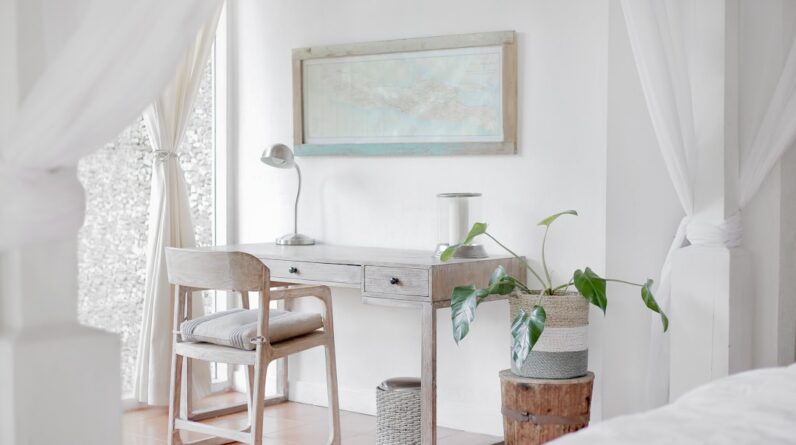
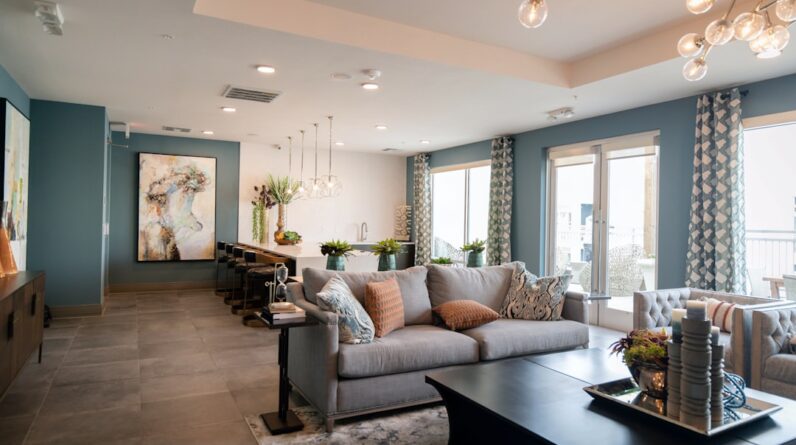
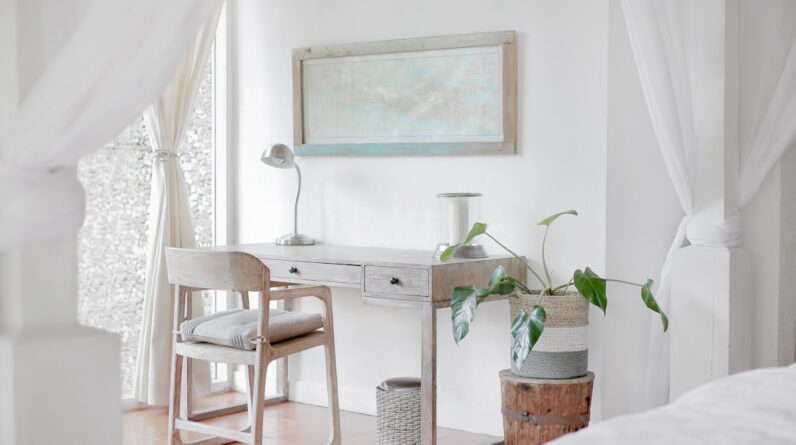
Spatial storytelling in interior design is an innovative approach that transcends mere aesthetics. It involves crafting an environment that communicates a narrative, evoking emotions and experiences through the arrangement of space, materials, and furnishings. As you step into a room, you should feel a sense of connection to the story being told, whether it’s a cozy living room that invites relaxation or a vibrant office space that sparks creativity.
This concept hinges on the idea that every element within a space contributes to a larger narrative, creating an immersive experience for those who inhabit it. To truly grasp spatial storytelling, you must consider how each design choice influences the overall atmosphere. The layout of furniture, the selection of colors, and even the choice of lighting can all serve as narrative devices.
For instance, an open floor plan may suggest a sense of community and collaboration, while a series of intimate nooks can foster privacy and contemplation. By understanding these dynamics, you can begin to appreciate how interior design can be a powerful medium for storytelling, allowing you to engage with spaces on a deeper level.
Key Takeaways
- Spatial storytelling in interior design involves using the layout and design of a space to convey a narrative and evoke emotions.
- Narrative in interior design is important as it helps create a connection between the space and its users, making it more memorable and meaningful.
- Cohesive storytelling through spatial design involves creating a consistent theme and flow throughout the space to guide the user through a narrative experience.
- Elements of design such as furniture, lighting, and materials can be used to convey a story and create a specific atmosphere within a space.
- Cultural and historical references can be incorporated into interior design to add depth and meaning to the space, creating a sense of identity and connection to the past.
The Importance of Narrative in Interior Design
Narrative plays a crucial role in interior design, as it provides context and meaning to the spaces we inhabit. When you walk into a well-designed room, you should feel as though you are stepping into a story that reflects the values, aspirations, and experiences of its inhabitants. This narrative aspect not only enhances the aesthetic appeal but also fosters a sense of belonging and identity.
A thoughtfully designed space can evoke memories, inspire creativity, or even promote well-being, making it essential to consider the narrative behind your design choices. Moreover, incorporating narrative into interior design allows for a more personalized experience. You have the opportunity to infuse your own story into your surroundings, creating an environment that resonates with your unique journey.
Whether it’s through the use of family heirlooms, art that reflects your passions, or colors that evoke specific emotions, every detail can contribute to a cohesive narrative. This personalization not only enriches your experience but also invites others to connect with your story, fostering deeper relationships and shared experiences.
Creating a Cohesive Story Through Spatial Design

To create a cohesive story through spatial design, you must first establish a clear theme or concept that guides your choices. This theme acts as the backbone of your design narrative, ensuring that every element works harmoniously together. As you embark on this journey, consider what emotions or experiences you want to evoke in those who will occupy the space.
By defining your objectives early on, you can make informed decisions about layout, color schemes, and furnishings that align with your overarching narrative. Once you have established your theme, it’s essential to maintain consistency throughout the space. This doesn’t mean that every room must look identical; rather, each area should contribute to the overall story while allowing for individual expression.
For example, if your theme revolves around nature and tranquility, you might incorporate organic materials and earthy tones in one room while using botanical prints and soft textures in another. By weaving these elements together thoughtfully, you create a seamless narrative that guides visitors through the space, inviting them to engage with each area on its own terms while still feeling connected to the larger story.
Using Elements of Design to Tell a Story
The elements of design—line, shape, color, texture, and space—are powerful tools for storytelling in interior design. Each element can convey specific emotions and messages that contribute to the overall narrative of a space. For instance, sharp lines and geometric shapes may evoke a sense of modernity and sophistication, while soft curves and organic forms can create a feeling of warmth and comfort.
As you select these elements for your design, consider how they align with the story you wish to tell. Color is particularly influential in shaping the mood of a space. Warm hues like reds and oranges can energize and stimulate conversation, while cool tones such as blues and greens promote calmness and relaxation.
By strategically using color to enhance your narrative, you can guide the emotional experience of those who enter the space. Similarly, texture adds depth and interest to your design; combining smooth surfaces with rough materials can create a tactile experience that invites exploration and engagement. By thoughtfully integrating these elements into your design, you can craft a compelling story that resonates with those who inhabit the space.
Incorporating Cultural and Historical References in Interior Design
Cultural and historical references can enrich your spatial storytelling by adding layers of meaning and context to your design. When you draw inspiration from different cultures or historical periods, you create an opportunity for dialogue between past and present. This approach not only honors traditions but also allows for a more diverse and inclusive narrative within your space.
As you explore various influences, consider how they can be woven into your design choices to create a richer storytelling experience. For example, incorporating traditional textiles or artifacts from a specific culture can serve as focal points that spark curiosity and conversation. You might choose to display handcrafted pottery from a local artisan or use wallpaper inspired by historical patterns to pay homage to the past while still creating a contemporary environment.
By thoughtfully integrating these references into your design, you invite others to engage with the stories behind each element, fostering appreciation for cultural diversity and historical significance within your space.
The Role of Color and Texture in Spatial Storytelling

Color and texture are vital components of spatial storytelling that significantly influence how we perceive and interact with our surroundings. Color has the power to evoke emotions and set the tone for an entire space; it can energize or calm, inspire or soothe. As you select colors for your design scheme, think about how they align with the narrative you wish to convey.
A vibrant palette may suggest creativity and playfulness, while muted tones can create an atmosphere of sophistication and tranquility. Texture adds another layer of depth to your storytelling by engaging the senses in unique ways. The interplay between different textures—smooth versus rough, soft versus hard—can create visual interest and invite exploration.
For instance, pairing plush fabrics with sleek metals can evoke a sense of modern luxury while also providing tactile contrast that enhances the overall experience of the space. By carefully considering both color and texture in your design choices, you can craft an immersive environment that resonates with visitors on multiple levels.
Implementing Spatial Storytelling in Residential and Commercial Spaces
Implementing spatial storytelling in both residential and commercial spaces requires an understanding of the unique needs and experiences of each environment. In residential design, your goal is often to create a personal sanctuary that reflects individual tastes and lifestyles. This may involve incorporating meaningful artifacts or family heirlooms that tell your story while also considering how each room functions within daily life.
By weaving together personal narratives with functional design elements, you create spaces that are not only beautiful but also deeply meaningful. In commercial spaces, spatial storytelling takes on a different dimension as it aims to engage customers and enhance their experience within the environment. Whether designing a retail store or an office space, consider how the layout and design elements can communicate brand values and foster connections with clients or employees.
For example, an eco-friendly café might incorporate natural materials and greenery to reflect its commitment to sustainability while creating an inviting atmosphere for patrons. By aligning design choices with brand narratives in commercial settings, you can create spaces that resonate with visitors and leave lasting impressions.
The Future of Spatial Storytelling in Interior Design
As we look toward the future of spatial storytelling in interior design, it’s clear that technology will play an increasingly significant role in shaping our experiences within spaces. Innovations such as virtual reality (VR) and augmented reality (AR) offer exciting possibilities for designers to create immersive environments that engage users on multiple sensory levels. Imagine stepping into a virtual room where colors shift based on your mood or where textures come alive through interactive displays—these advancements could revolutionize how we experience spatial storytelling.
Moreover, as society becomes more aware of sustainability and inclusivity, there is an opportunity for interior designers to embrace these values within their narratives. By prioritizing eco-friendly materials and practices while also celebrating diverse cultural influences, designers can create spaces that reflect contemporary values and resonate with broader audiences. The future of spatial storytelling lies in its ability to adapt to changing societal norms while continuing to evoke emotion and connection through thoughtful design choices.
In conclusion, spatial storytelling is an essential aspect of interior design that allows you to create environments rich with meaning and emotion. By understanding how narrative influences design choices—from layout to color selection—you can craft spaces that resonate deeply with those who inhabit them. As technology advances and societal values evolve, the potential for spatial storytelling will only continue to grow, offering exciting opportunities for innovation in this dynamic field.
FAQs
What is interior design spatial storytelling?
Interior design spatial storytelling is the practice of using the layout, design, and decor of a space to convey a narrative or tell a story. It involves creating an environment that evokes a specific mood, theme, or message through the use of spatial elements.
How is interior design spatial storytelling used in practice?
Interior design spatial storytelling can be used in various settings, such as residential homes, commercial spaces, museums, and exhibitions. Designers use elements like furniture arrangement, lighting, color schemes, and decorative objects to create a cohesive narrative within a space.
What are the benefits of incorporating spatial storytelling into interior design?
By incorporating spatial storytelling into interior design, designers can create immersive and engaging environments that resonate with the occupants. This approach can enhance the overall experience of a space, evoke emotional responses, and communicate a specific message or brand identity.
What are some examples of interior design spatial storytelling?
Examples of interior design spatial storytelling include creating a cozy and inviting atmosphere in a coffee shop, using historical artifacts and immersive exhibits in a museum to tell a story, or designing a themed hotel room that transports guests to a different time or place.
What are some key principles to consider when using spatial storytelling in interior design?
Key principles to consider when using spatial storytelling in interior design include understanding the target audience, establishing a clear narrative or theme, maintaining consistency in design elements, and creating a balance between functionality and storytelling. It’s also important to consider the flow of the space and how the narrative unfolds as occupants move through it.