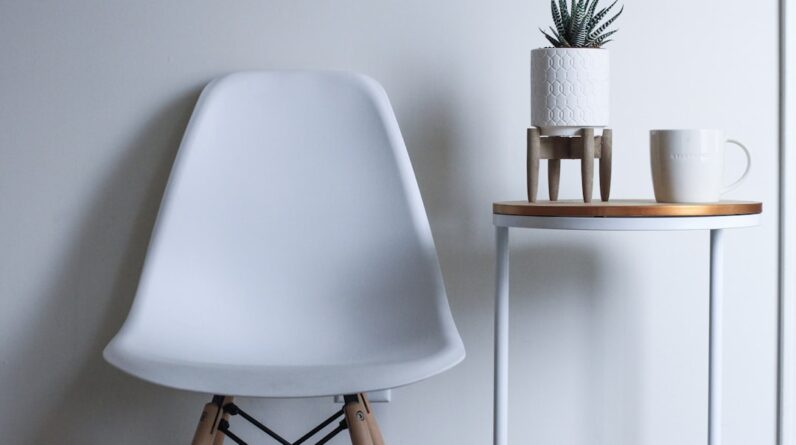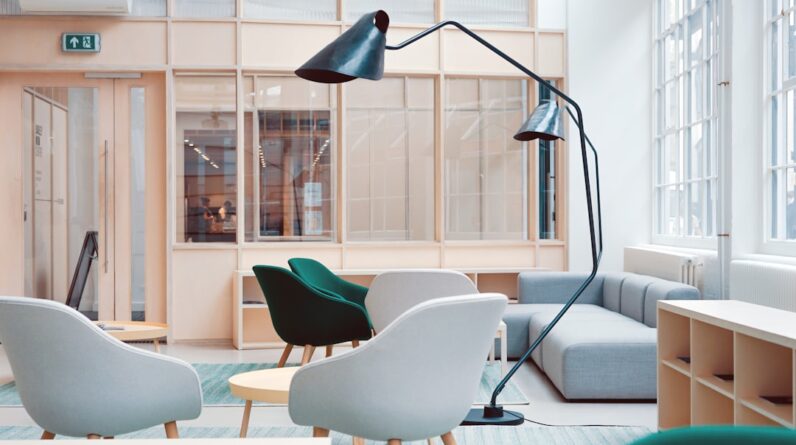
Modern interior design is a dynamic and evolving field that reflects the changing tastes and lifestyles of society. As you delve into this style, you will discover that it emphasizes simplicity, functionality, and a connection to the surrounding environment. The essence of modern design lies in its ability to create spaces that are not only aesthetically pleasing but also practical and comfortable.
This approach often draws inspiration from the early to mid-20th century, particularly the Bauhaus movement, which championed the idea that form should follow function. As you explore modern interior design, you will notice that it often embraces open spaces and a seamless flow between rooms. This design philosophy encourages you to think about how you interact with your environment and how each element within a space contributes to your overall experience.
By prioritizing clean lines, uncluttered spaces, and a harmonious balance between various elements, modern design invites you to create an atmosphere that feels both inviting and sophisticated.
Key Takeaways
- Modern interior design focuses on clean lines, minimalism, and functionality
- Elements of modern interior design include geometric shapes, natural materials, and open spaces
- Popular color schemes for modern interiors include neutral tones, bold accents, and monochromatic palettes
- Furniture and decor for modern interiors often feature sleek designs, minimal ornamentation, and a mix of textures
- Lighting in modern interior design is used to create ambiance, highlight architectural features, and enhance the overall aesthetic
Elements of Modern Interior Design
Embracing Minimalism and Open Spaces
You will find that modern interiors often feature open floor plans, allowing for a sense of spaciousness and freedom of movement. This layout encourages you to think about how each area can be utilized effectively while maintaining an airy feel.
Incorporating Natural Materials
Another essential element is the use of natural materials. In modern design, you will often encounter wood, stone, and metal, which not only add texture but also create a connection to nature. These materials can be incorporated in various ways, from exposed beams to sleek metal accents.
Combining Elements for a Cohesive Atmosphere
Additionally, modern interiors frequently utilize large windows to invite natural light into the space, further enhancing the connection between indoor and outdoor environments. As you consider these elements, think about how they can be combined to create a cohesive and inviting atmosphere in your own home.
Color Schemes for Modern Interiors
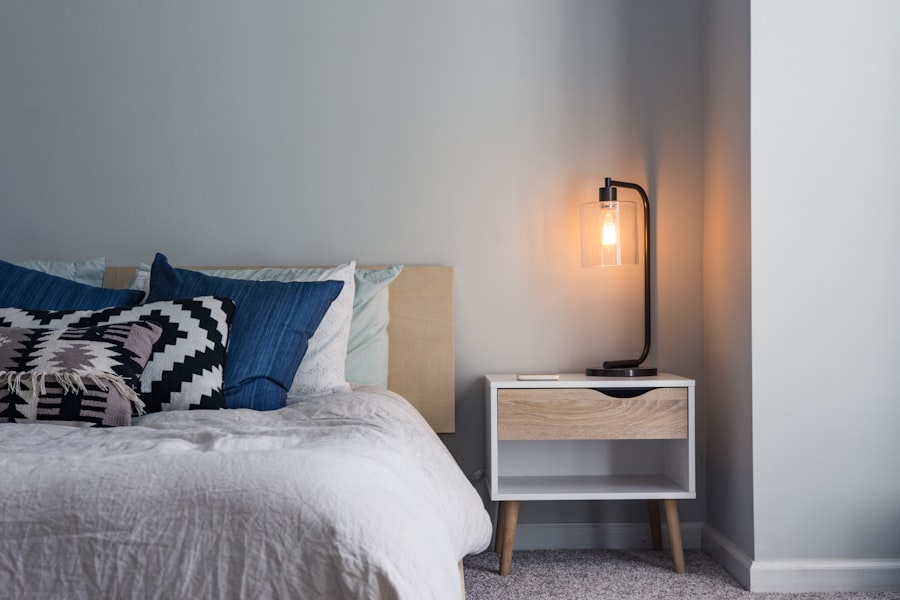
Color plays a crucial role in modern interior design, as it can significantly influence the mood and ambiance of a space. When selecting a color scheme for your modern interior, you may want to consider a palette that is both neutral and bold. Neutral colors such as whites, grays, and beiges provide a calming backdrop that allows other elements in the room to shine.
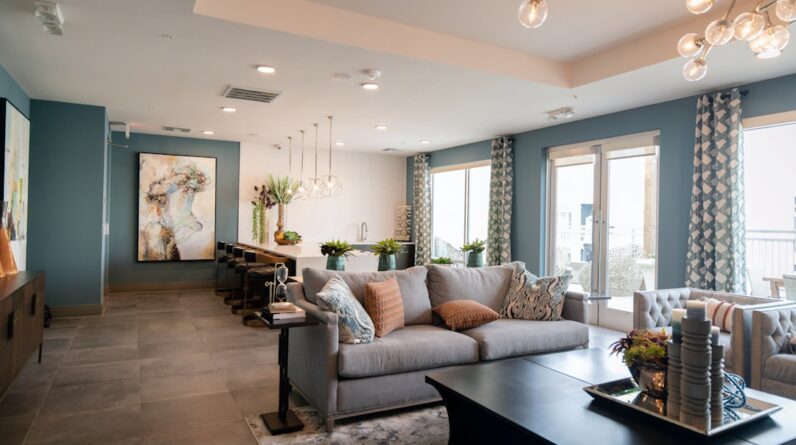
These shades create a sense of tranquility and spaciousness, making them ideal for modern spaces. However, don’t shy away from incorporating bold accent colors into your design. You can use vibrant hues like deep blues, rich greens, or striking reds to add personality and energy to your space.
These pops of color can be introduced through artwork, decorative pillows, or even a statement piece of furniture. By balancing neutral tones with bold accents, you can create a visually engaging environment that reflects your personal style while adhering to modern design principles.
Furniture and Decor for Modern Interiors
When it comes to furniture and decor in modern interiors, you will find that simplicity and functionality are paramount. The furniture pieces you choose should have clean lines and an uncluttered appearance, allowing them to blend seamlessly into the overall design of the space. Opting for multi-functional furniture can also enhance the practicality of your home; for instance, a coffee table with built-in storage or a sofa bed can maximize space without sacrificing style.
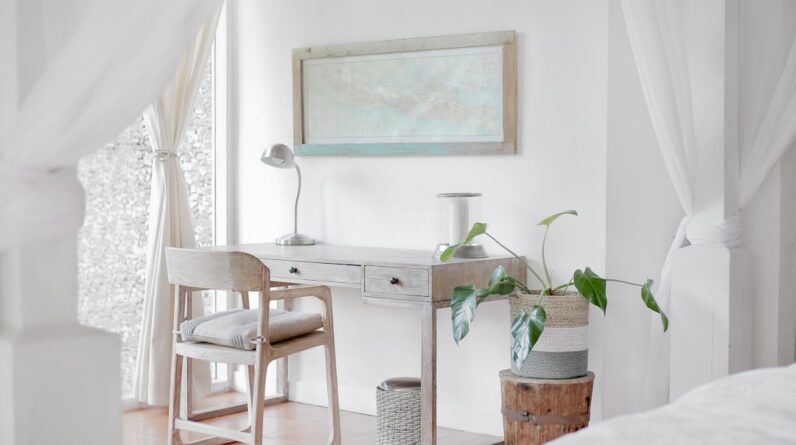
In terms of decor, modern interiors often favor statement pieces that draw attention without overwhelming the room. You might consider incorporating large-scale artwork or sculptural elements that serve as focal points within the space. Additionally, plants can bring life and vibrancy to your home while maintaining a modern aesthetic.
By carefully selecting furniture and decor that align with these principles, you can create an inviting atmosphere that embodies the essence of modern design.
Lighting in Modern Interior Design
Lighting is an essential aspect of modern interior design that can dramatically alter the perception of space. As you explore lighting options for your home, consider both natural and artificial sources. Large windows not only allow natural light to flood your rooms but also create a connection with the outdoors.
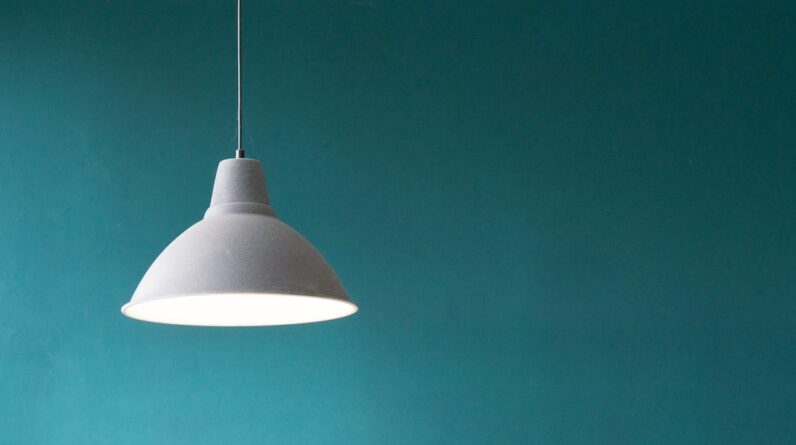
You may want to maximize this effect by using sheer curtains or blinds that can be easily adjusted to control light levels throughout the day. In addition to natural light, artificial lighting plays a vital role in setting the mood within your space. Modern design often incorporates sleek fixtures with minimalist designs, such as pendant lights or recessed lighting.
You might also consider using dimmers to adjust the intensity of light according to your needs. Layering different types of lighting—ambient, task, and accent—can create depth and dimension in your interiors while ensuring that each area is well-lit and functional.
Incorporating Technology into Modern Interiors
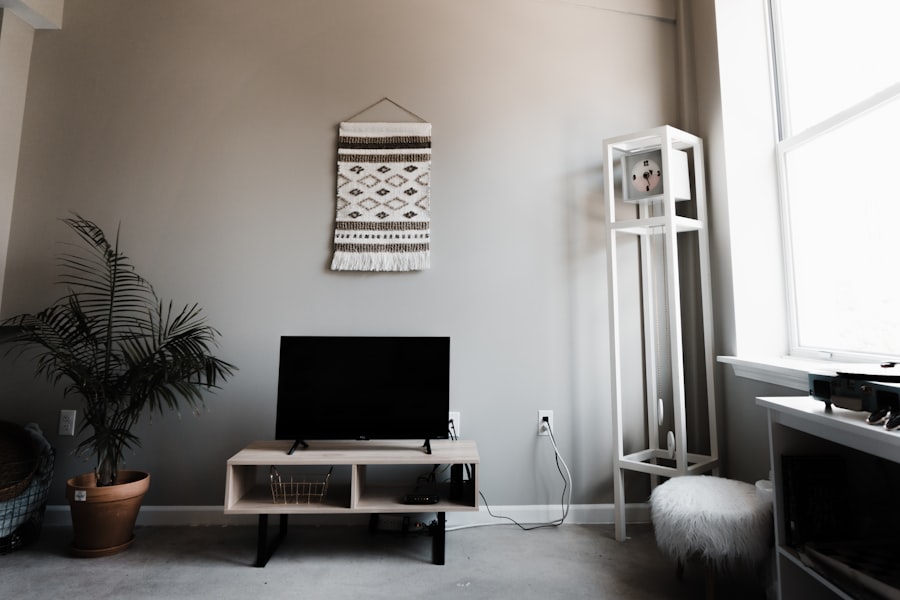
In today’s fast-paced world, technology has become an integral part of our lives, and modern interior design reflects this reality. As you think about incorporating technology into your home, consider how it can enhance both functionality and aesthetics. Smart home devices such as thermostats, lighting systems, and security cameras can be seamlessly integrated into your design without compromising style.
You may also want to explore innovative furniture options that incorporate technology. For instance, desks with built-in charging stations or coffee tables with wireless charging capabilities can streamline your daily routines while maintaining a clean look. By thoughtfully integrating technology into your modern interiors, you can create a space that is not only stylish but also equipped for contemporary living.
Creating a Minimalist Aesthetic in Modern Interiors
Minimalism is at the heart of modern interior design, encouraging you to embrace simplicity and intentionality in your choices. To achieve a minimalist aesthetic in your home, start by decluttering your space and removing items that do not serve a purpose or bring you joy. This process allows you to focus on the essentials and creates an environment that feels open and serene.
When selecting furniture and decor for a minimalist look, prioritize quality over quantity. Choose pieces that are well-crafted and timeless rather than trendy items that may quickly go out of style. Additionally, consider incorporating negative space into your design; this means leaving areas intentionally empty to allow the eye to rest and appreciate the beauty of each element within the room.
By embracing minimalism in your interiors, you can cultivate a peaceful sanctuary that promotes relaxation and mindfulness.
Tips for Achieving a Cohesive Modern Interior Design
Achieving a cohesive modern interior design requires careful planning and attention to detail. One effective strategy is to establish a clear vision for your space before making any decisions. Consider creating a mood board that reflects your desired color palette, furniture styles, and decor elements.
This visual guide will help you stay focused on your goals as you curate each aspect of your home. Another important tip is to maintain consistency throughout your design choices. This means selecting materials, colors, and finishes that complement one another rather than clash.
For example, if you choose warm wood tones for your furniture, consider incorporating similar hues in your decor or flooring. Additionally, pay attention to scale; ensure that furniture pieces are proportionate to the size of the room to create balance and harmony. By following these tips and embracing the principles of modern interior design, you can transform your home into a stylish sanctuary that reflects your unique personality while providing comfort and functionality for everyday living.
FAQs
What are modern interiors?
Modern interiors refer to a design style that is characterized by clean lines, minimalism, and a focus on function. It often incorporates elements such as open floor plans, large windows, and a neutral color palette.
What are some key features of modern interiors?
Some key features of modern interiors include sleek and simple furniture, minimalistic decor, and a focus on open and airy spaces. Additionally, modern interiors often incorporate natural materials such as wood, stone, and metal.
What are some popular color schemes for modern interiors?
Popular color schemes for modern interiors include neutral colors such as white, black, and gray, as well as pops of bold, vibrant colors. These colors are often used to create contrast and add visual interest to the space.
How can I incorporate modern interior design into my home?
To incorporate modern interior design into your home, consider using clean lines and simple furniture, incorporating natural materials, and keeping the space clutter-free. Additionally, consider using a neutral color palette with pops of bold color for added visual interest.
What are some common materials used in modern interior design?
Common materials used in modern interior design include wood, metal, glass, and concrete. These materials are often used to create a sleek and minimalist look, while also adding texture and visual interest to the space.