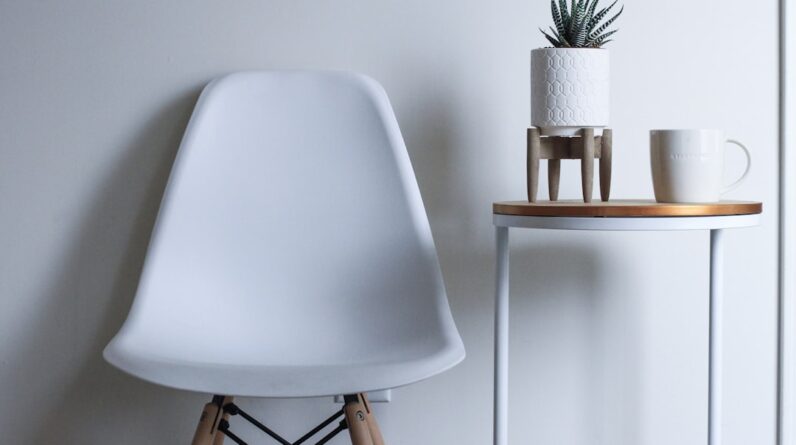
The arrangement of furniture in your living room plays a crucial role in defining the space’s overall atmosphere and functionality. It is often the first area guests see when they enter your home, making it essential to create an inviting and comfortable environment. A well-thought-out furniture layout can enhance the flow of movement, encourage conversation, and even improve the aesthetic appeal of the room.
When you take the time to arrange your living room thoughtfully, you not only elevate its visual charm but also create a space that reflects your personality and lifestyle. Moreover, the way you position your furniture can significantly impact how you and your family interact within the space. A cozy arrangement can foster intimate gatherings, while a more open layout may encourage a lively atmosphere.
By considering how you use the room daily, you can create a setting that meets your needs, whether it’s for entertaining guests, enjoying family movie nights, or simply relaxing with a good book. Ultimately, the importance of living room furniture arrangement lies in its ability to transform a mere collection of items into a cohesive and functional living space.
Key Takeaways
- Proper living room furniture arrangement is important for creating a functional and visually appealing space.
- Factors to consider when arranging living room furniture include the size and shape of the room, traffic flow, and the focal point.
- Different layout options for living room furniture include the traditional, L-shaped, U-shaped, and floating arrangements.
- Tips for maximizing space in a small living room include using multifunctional furniture, utilizing vertical space, and keeping the room clutter-free.
- Creating a focal point in living room furniture arrangement can be achieved through the use of a fireplace, artwork, or a statement piece of furniture.
Factors to Consider When Arranging Living Room Furniture
When it comes to arranging your living room furniture, several factors should guide your decisions. First and foremost, consider the size and shape of the room. A spacious area allows for more flexibility in layout options, while a smaller room may require more strategic planning to maximize space.
Take measurements of your furniture and the room itself to ensure that everything fits comfortably without overcrowding. This will help you visualize how different arrangements will work and allow you to create a balanced look. Another critical factor is the purpose of the living room.
Think about how you typically use the space. Do you often host gatherings, or is it primarily a family retreat? Your lifestyle will dictate the arrangement that best suits your needs.
For instance, if you frequently entertain guests, you might want to create a conversational layout with seating that encourages interaction. On the other hand, if relaxation is your priority, consider positioning furniture for comfort and ease of access to entertainment options like a television or bookshelves.
Different Layout Options for Living Room Furniture
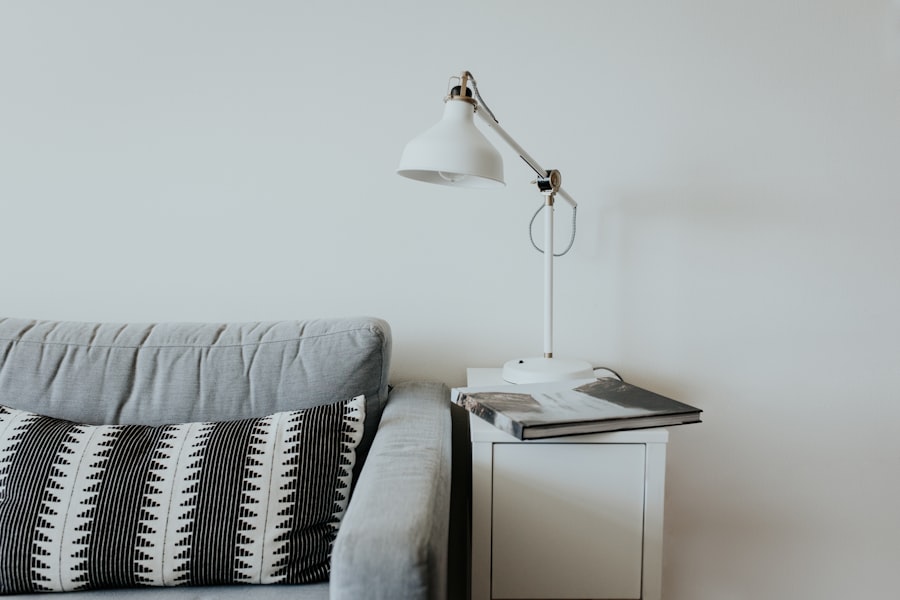
There are various layout options available for arranging living room furniture, each offering unique benefits depending on your space and preferences. One popular choice is the traditional layout, which typically features a sofa facing a focal point, such as a fireplace or television. This arrangement promotes conversation and creates a cozy atmosphere.
You can enhance this layout by adding accent chairs or ottomans to provide additional seating without overwhelming the space. Another option is the open layout, which works particularly well in larger living rooms or open-concept homes. In this arrangement, furniture is placed to define different areas within the room while maintaining an airy feel.
For example, you might position a sofa to separate the living area from a dining space or reading nook. This approach allows for versatility and can make the room feel more expansive while still providing distinct zones for various activities.
Tips for Maximizing Space in a Small Living Room
If you’re working with a small living room, maximizing space becomes essential for creating a functional and inviting environment. One effective strategy is to choose multi-functional furniture pieces that serve more than one purpose. For instance, consider a coffee table with built-in storage or an ottoman that can double as extra seating when needed.
These versatile items can help you keep clutter at bay while ensuring that your living room remains practical. Additionally, think vertically when arranging your small living room. Utilizing wall space for shelves or tall bookcases can draw the eye upward and create an illusion of height in the room.
This not only provides additional storage but also helps to keep the floor area open and airy. You might also consider using lighter colors for walls and furniture to enhance the sense of space, as darker hues can make a small room feel even more confined.
Creating a Focal Point in Living Room Furniture Arrangement
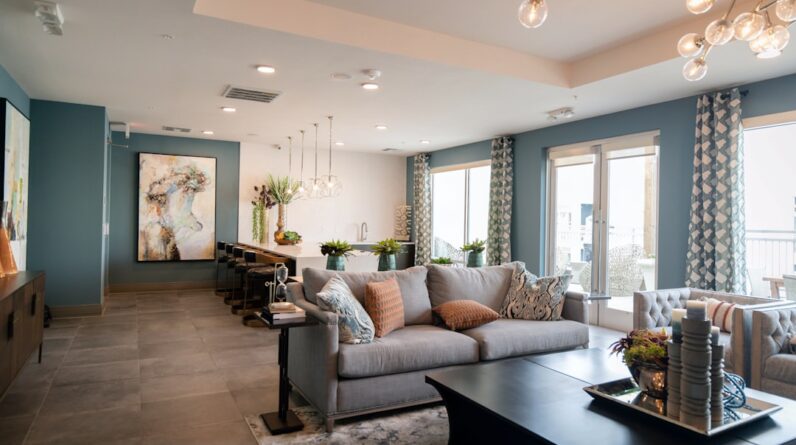
Establishing a focal point in your living room is vital for creating visual interest and guiding the arrangement of your furniture. A focal point can be anything from a striking piece of artwork to an elegant fireplace or even a large window with a beautiful view. Once you’ve identified your focal point, arrange your furniture around it to draw attention and create harmony within the space.
For example, if your focal point is a fireplace, consider positioning your sofa directly across from it to encourage conversation and warmth. You can also use accent chairs or side tables to frame this central feature, enhancing its prominence in the room. By thoughtfully arranging your furniture around the focal point, you create an inviting atmosphere that encourages relaxation and social interaction.
Balancing Function and Style in Living Room Furniture Arrangement

Striking a balance between function and style is essential when arranging your living room furniture. While aesthetics are important for creating an appealing environment, practicality should not be overlooked. Consider how each piece of furniture contributes to both the look and usability of the space.
For instance, while a stylish coffee table may catch your eye, ensure it also provides enough surface area for drinks and snacks during gatherings. Incorporating personal touches through decor can enhance both function and style in your living room arrangement. Decorative pillows, throws, and artwork can add character while also making the space more comfortable and inviting.
By blending functional elements with stylish decor, you create a cohesive look that reflects your personality while ensuring that the living room remains practical for everyday use.
Common Mistakes to Avoid in Living Room Furniture Arrangement
When arranging your living room furniture, it’s easy to fall into common pitfalls that can detract from the overall effectiveness of your layout. One frequent mistake is pushing all furniture against the walls in an attempt to create more space. While this may seem logical, it can actually make the room feel disconnected and less inviting.
Instead, try pulling furniture away from the walls to create a more intimate setting that encourages conversation. Another common error is neglecting traffic flow when arranging furniture. Ensure there are clear pathways for movement throughout the room so that people can navigate easily without bumping into furniture pieces.
Aim for at least 18 inches of walking space between larger items like sofas and coffee tables to maintain comfort and accessibility. By avoiding these mistakes, you can create a more harmonious and functional living room arrangement.
Final Touches to Complete the Living Room Furniture Arrangement
Once you’ve arranged your living room furniture thoughtfully, it’s time to add those final touches that will elevate the space from ordinary to extraordinary. Start by incorporating decorative elements such as throw pillows, blankets, and area rugs that complement your color scheme and style preferences. These accessories not only add warmth but also provide opportunities for personal expression within the design.
Lighting is another crucial aspect that can dramatically change the ambiance of your living room. Consider using a combination of overhead lighting, floor lamps, and table lamps to create layers of light that enhance both functionality and mood. Finally, don’t forget about greenery; adding plants or fresh flowers can bring life into your space while improving air quality.
With these final touches in place, your living room will be transformed into an inviting haven that reflects your unique style and meets your functional needs perfectly.
FAQs
What are some tips for arranging living room furniture?
Some tips for arranging living room furniture include creating a focal point, considering traffic flow, and balancing the room with the right furniture proportions.
How can I create a focal point in my living room furniture arrangement?
You can create a focal point in your living room by arranging furniture around a fireplace, a large window with a view, or a piece of artwork. This helps to anchor the room and draw attention to a specific area.
What should I consider when arranging living room furniture for traffic flow?
When arranging living room furniture, it’s important to consider the flow of traffic in the room. Leave enough space for people to walk around and avoid blocking doorways or pathways.
How can I balance the proportions of furniture in my living room arrangement?
To balance the proportions of furniture in your living room, consider the size and scale of each piece. Mix larger and smaller items to create visual interest and avoid overcrowding the space with oversized furniture.
What are some common living room furniture arrangement mistakes to avoid?
Common living room furniture arrangement mistakes to avoid include pushing all the furniture against the walls, overcrowding the space with too much furniture, and neglecting to create a focal point in the room.