Interior design is a multifaceted discipline that transcends mere decoration; it is an art form that harmonizes aesthetics with functionality. At its core, interior design involves the thoughtful arrangement of space, color, texture, and furnishings to create environments that are not only visually appealing but also conducive to the activities that take place within them. The process begins with understanding the needs and preferences of the inhabitants, as well as the architectural features of the space.
Designers must consider factors such as lighting, scale, and flow to ensure that each element contributes to a cohesive whole. This foundational knowledge is essential for creating spaces that resonate with their users, fostering comfort and well-being. Moreover, interior design is deeply influenced by cultural, historical, and social contexts.
It reflects the values and lifestyles of the people who inhabit a space, making it a dynamic field that evolves over time. Designers often draw inspiration from various sources, including art, nature, and technology, to craft environments that tell a story or evoke a particular mood. Understanding the basics of interior design also involves recognizing the importance of sustainability and eco-friendly practices in today’s world.
As awareness of environmental issues grows, designers are increasingly tasked with creating spaces that not only look good but also minimize their ecological footprint. This holistic approach to design ensures that interiors are not only beautiful but also responsible and enduring.
Key Takeaways
- Interior design involves the art and science of enhancing the interior of a space to achieve a healthier and more aesthetically pleasing environment.
- Traditional interior design styles are characterized by rich colors, ornate furniture, and classic patterns, reflecting a sense of history and elegance.
- Modern and contemporary interior design focuses on clean lines, minimalism, and a mix of materials, creating a sleek and sophisticated look.
- Eclectic and bohemian interior design embraces a mix of patterns, textures, and colors, creating a free-spirited and unconventional style.
- Minimalist and Scandinavian interior design prioritize simplicity, functionality, and natural elements, creating a clean and serene atmosphere.
Exploring Traditional Interior Design Styles
Defining Traditional Interior Design
Traditional interior design styles are characterized by their timeless elegance and adherence to classic principles of design. Rooted in historical influences, these styles often feature rich colors, ornate details, and a sense of symmetry that evokes a feeling of grandeur. Elements such as crown molding, wainscoting, and antique furnishings are hallmarks of traditional design, creating spaces that feel both inviting and sophisticated.
Key Elements of Traditional Design
The use of luxurious materials like silk, velvet, and mahogany further enhances the opulence associated with this style. Traditional interiors often incorporate heirloom pieces and family artifacts, imbuing the space with a sense of history and personal significance. In addition to aesthetics, traditional interior design emphasizes comfort and functionality. Rooms are designed to be lived in, with an emphasis on creating cozy nooks and inviting gathering spaces.
Creating Warm and Inviting Spaces
The layout often encourages social interaction, with furniture arranged to facilitate conversation and connection. Color palettes in traditional design tend to be warm and muted, featuring deep hues like burgundy, navy, and forest green, which contribute to a sense of warmth and intimacy. Patterns play a significant role as well; floral prints, damasks, and plaids are commonly used in upholstery and drapery to add depth and interest.
A Celebration of Craftsmanship
Ultimately, traditional interior design celebrates craftsmanship and attention to detail, resulting in spaces that are both beautiful and enduring.
Embracing Modern and Contemporary Interior Design

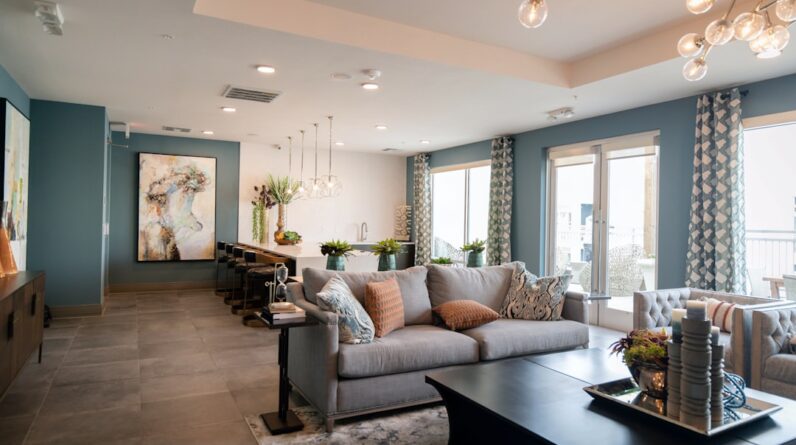
Modern and contemporary interior design represents a departure from traditional aesthetics, embracing simplicity and minimalism as guiding principles. Modern design emerged in the early 20th century as a response to ornate styles, favoring clean lines, open spaces, and functional forms. This style often incorporates materials such as glass, steel, and concrete, creating an industrial yet polished look.
The color palette tends to be neutral, with whites, grays, and blacks dominating the scene; however, bold accent colors may be introduced through artwork or decorative elements to inject personality into the space. Contemporary design is often confused with modern design; however, it is more fluid and reflective of current trends. It evolves continuously, incorporating elements from various styles while maintaining an emphasis on simplicity and functionality.
This approach allows for greater flexibility in design choices, enabling homeowners to curate spaces that reflect their unique tastes while remaining stylishly relevant. Open floor plans are a hallmark of contemporary design, promoting a sense of spaciousness and connectivity between different areas of the home. Additionally, contemporary interiors often prioritize sustainability by incorporating eco-friendly materials and energy-efficient technologies.
This commitment to both aesthetics and environmental responsibility makes modern and contemporary design appealing to a wide range of individuals seeking stylish yet practical living spaces.
Delving into Eclectic and Bohemian Interior Design
| Aspect | Metrics |
|---|---|
| Color Palette | Rich and vibrant colors, mixed with earthy tones |
| Textiles | Layered rugs, patterned fabrics, and textured materials |
| Furniture | Mix of vintage, antique, and modern pieces |
| Decorative Elements | Global-inspired accents, plants, and eclectic artwork |
| Lighting | Mix of natural light, pendant lights, and floor lamps |
Eclectic and bohemian interior design styles celebrate individuality and creativity by blending diverse influences into a harmonious whole. Eclectic design is characterized by its fearless mixing of patterns, colors, textures, and styles from different eras and cultures. This approach allows for personal expression and the creation of unique spaces that tell a story about the inhabitants’ journeys and experiences.
The key to successful eclectic design lies in balance; while the elements may be varied, they should work together cohesively to create an inviting atmosphere. Accessories such as vintage finds, artisanal crafts, and global artifacts play a crucial role in achieving this eclectic aesthetic. Bohemian design shares similarities with eclecticism but leans more towards a relaxed and carefree vibe.
It draws inspiration from various cultures around the world, incorporating rich textiles, layered patterns, and an abundance of plants to create a warm and inviting environment. The use of natural materials like wood and stone adds an organic touch to bohemian spaces. Color palettes tend to be vibrant and saturated, reflecting the free-spirited nature of this style.
Furniture is often mismatched yet comfortable, encouraging a laid-back lifestyle where relaxation takes precedence over formality. Ultimately, both eclectic and bohemian designs invite creativity and self-expression into the home, allowing individuals to curate spaces that resonate with their personal identities.
Mastering Minimalist and Scandinavian Interior Design
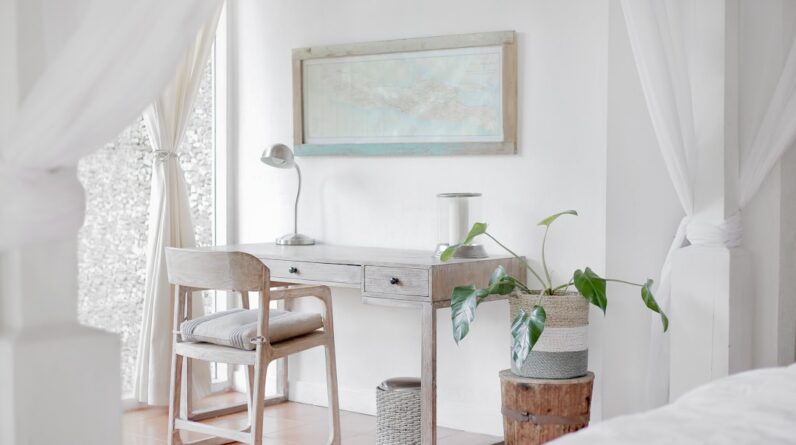
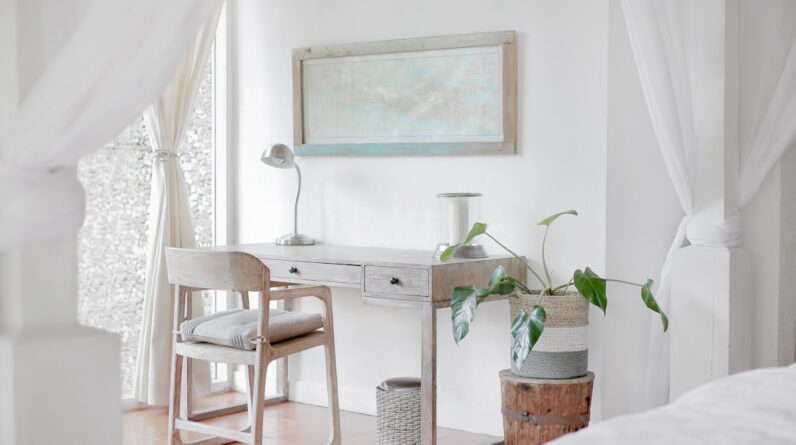
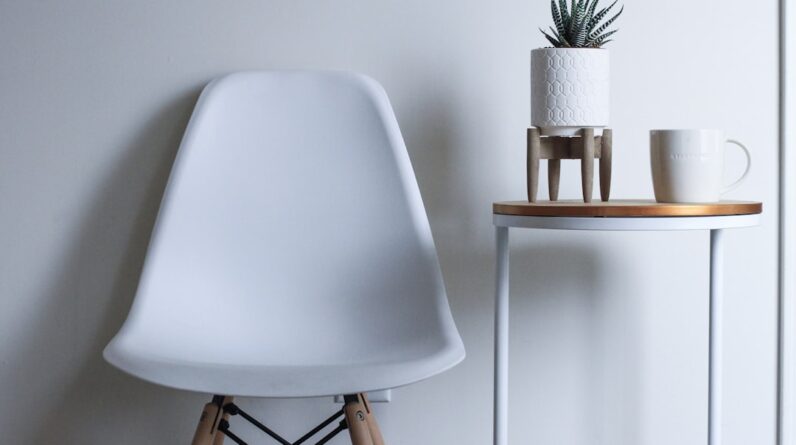
Minimalist interior design is rooted in the philosophy of “less is more,” emphasizing simplicity and functionality while eliminating unnecessary clutter. This style promotes open spaces filled with light and airiness, creating an environment that feels calm and serene. Minimalist interiors often feature neutral color palettes dominated by whites, grays, and earth tones, allowing for a sense of tranquility that can be both refreshing and rejuvenating.
Furniture pieces are typically sleek and unadorned, focusing on clean lines without excessive ornamentation. The goal is to create spaces that foster mindfulness by reducing distractions and promoting clarity. Scandinavian interior design shares many principles with minimalism but incorporates warmth through natural materials and textures.
Originating from the Nordic countries, this style emphasizes functionality while celebrating craftsmanship. Scandinavian interiors often feature wooden elements—such as exposed beams or hardwood floors—that add warmth to the otherwise minimalist aesthetic. Light is another crucial component; large windows allow natural light to flood the space while soft textiles like wool throws or linen curtains create an inviting atmosphere.
The color palette remains predominantly neutral but may include pops of muted colors inspired by nature. By blending minimalism with warmth and comfort, Scandinavian design creates harmonious environments that promote well-being while remaining stylishly understated.
Incorporating Industrial and Urban Interior Design

Characteristics of Industrial Interior Design
Industrial interior design draws inspiration from repurposed warehouses and factories, celebrating raw materials and utilitarian aesthetics. This style is characterized by exposed brick walls, concrete floors, metal fixtures, and open spaces that reflect an urban sensibility. The use of reclaimed materials adds character to industrial interiors while promoting sustainability through recycling efforts.
Urban Interior Design: A Blend of Industrial and Contemporary Elements
Urban interior design takes cues from industrial aesthetics but often incorporates more contemporary elements to create vibrant living spaces within metropolitan areas. This style embraces eclecticism by blending various influences—from modern art to vintage furnishings—resulting in dynamic environments that reflect the energy of city life. Large windows are common in industrial spaces, allowing for ample natural light while enhancing the connection between indoor environments and the bustling city outside.
Key Features of Urban Interiors
Urban interiors frequently feature bold color accents or statement pieces that serve as focal points amidst a backdrop of neutral tones or industrial finishes. Additionally, urban design prioritizes functionality; multi-purpose furniture solutions are common in smaller living spaces where maximizing square footage is essential. By merging industrial roots with contemporary flair, urban interior design creates lively environments that celebrate both individuality and community.
Navigating the World of Global and Cultural Interior Design
Global interior design encompasses a rich tapestry of influences drawn from diverse cultures around the world. This style celebrates the beauty of cultural heritage by incorporating traditional motifs, textiles, colors, and craftsmanship into modern living spaces. From Moroccan tiles to Indian textiles or Japanese minimalism—global design invites homeowners to explore various cultural narratives through their interiors.
The key lies in curating pieces that resonate personally while honoring their origins; this approach fosters appreciation for global diversity while creating unique environments. Cultural interior design goes beyond mere aesthetics; it serves as a bridge connecting individuals to their roots or experiences abroad. By integrating elements from different cultures into one’s home—whether through art pieces or furniture—individuals can create spaces that reflect their identities while promoting cross-cultural understanding.
This style encourages storytelling through decor; each item can evoke memories or convey messages about heritage or travel experiences. Ultimately, navigating the world of global and cultural interior design allows individuals to celebrate diversity within their homes while fostering connections across borders through shared appreciation for beauty in all its forms.
FAQs
What are interior design classes?
Interior design classes are educational courses that teach students the principles and techniques of designing and decorating interior spaces. These classes cover topics such as color theory, space planning, furniture design, and architectural detailing.
What can I expect to learn in interior design classes?
In interior design classes, students can expect to learn about design principles, drawing and drafting techniques, materials and finishes, lighting design, and the history of interior design. They may also learn about sustainable design practices and how to use design software.
Who can take interior design classes?
Interior design classes are typically open to anyone interested in learning about interior design, regardless of their background or experience. Some classes may have prerequisites or be geared towards specific levels of expertise, so it’s important to check the requirements before enrolling.
Where can I take interior design classes?
Interior design classes are offered at many colleges, universities, and design schools. They may also be available through online platforms and continuing education programs. Additionally, some professional organizations and industry associations offer specialized interior design classes.
What are the benefits of taking interior design classes?
Taking interior design classes can provide individuals with the knowledge and skills needed to pursue a career in interior design or to enhance their own personal design projects. These classes can also help students build a portfolio and network with industry professionals.