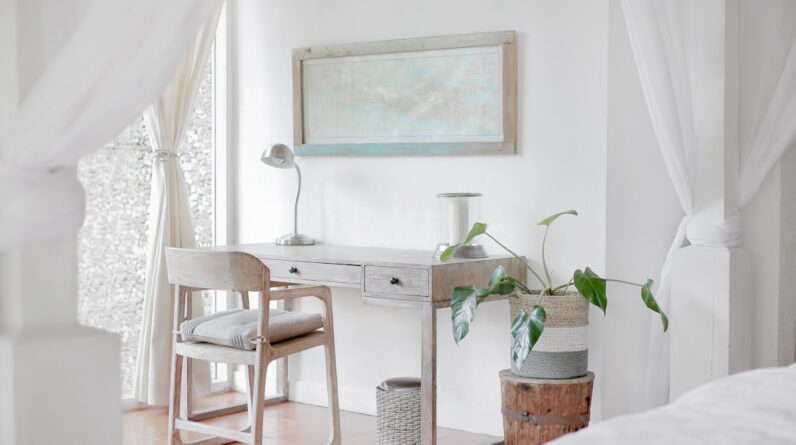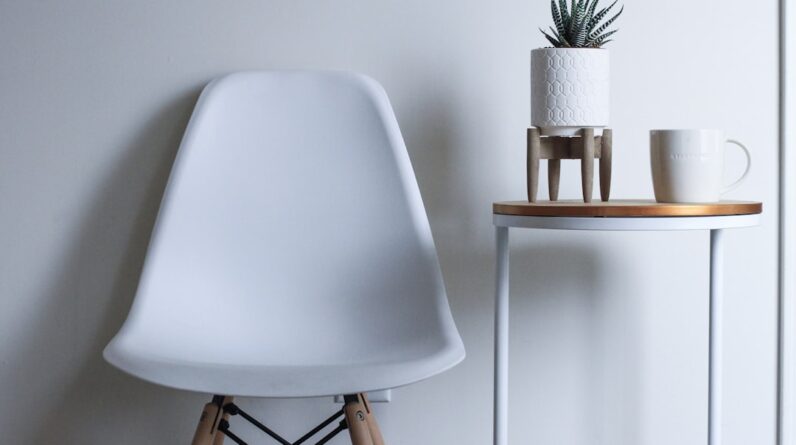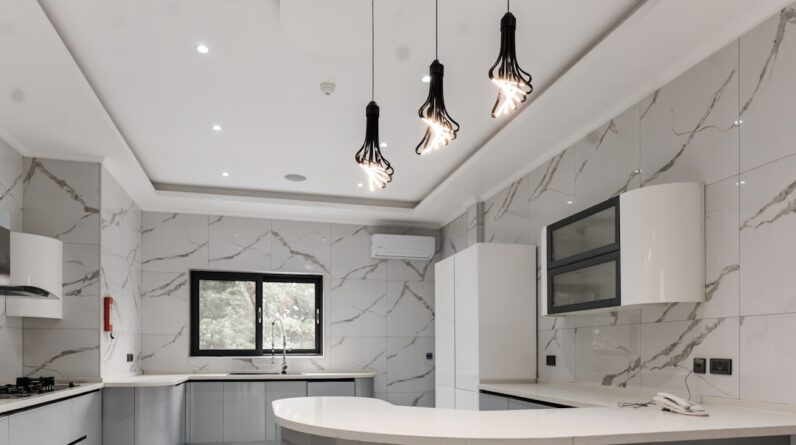
Interior design styling is an intricate art that transcends mere decoration; it is a holistic approach to creating spaces that resonate with the inhabitants’ lifestyle and preferences. At its core, interior design is about understanding how people interact with their environments and how those environments can be tailored to enhance comfort, functionality, and aesthetic appeal. This discipline encompasses a wide range of elements, including spatial arrangement, color theory, texture, and the selection of furnishings and accessories.
A successful interior designer must possess a keen eye for detail and an understanding of how various components work together to create a cohesive look. This foundational knowledge allows designers to craft spaces that not only look beautiful but also serve the practical needs of their users. Moreover, the principles of interior design styling are rooted in both creativity and functionality.
Designers must consider the flow of a space, ensuring that it is not only visually appealing but also navigable and comfortable. This involves understanding the scale and proportion of furniture in relation to the room’s dimensions, as well as how different elements can complement or contrast with one another. The balance between aesthetics and utility is crucial; a well-designed space should evoke emotion while also being livable.
By mastering these basics, designers can create environments that reflect the personality of the occupants while also adhering to the fundamental principles of design.
Key Takeaways
- Interior design styling involves understanding the basic principles of design, such as balance, harmony, and focal points.
- Choosing the right color palette and textures can greatly impact the overall look and feel of a space.
- Utilizing furniture and accessories strategically can create a sense of balance and harmony in a room.
- Creating focal points and visual interest can draw attention to specific areas and add personality to a space.
- Incorporating personal style and unique touches can make a space feel more personalized and inviting.
Choosing the Right Color Palette and Textures
The Emotional Impact of Colors
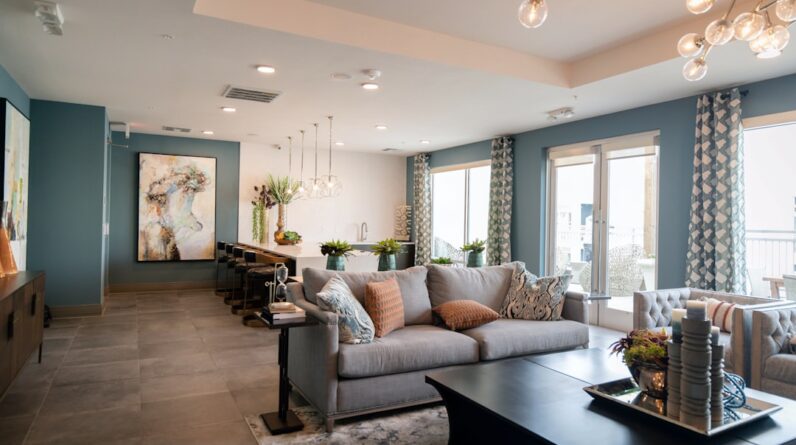
For instance, warm colors like reds and oranges can create a sense of energy and warmth, making them ideal for social spaces such as living rooms or kitchens. In contrast, cooler tones like blues and greens tend to promote calmness and tranquility, making them suitable for bedrooms or relaxation areas.
The Importance of Texture in Interior Design
Textures play an equally important role in interior design, adding depth and interest to a room. The interplay between different materials—such as soft fabrics, sleek metals, and rustic woods—can create a dynamic environment that invites touch and exploration. For example, pairing a plush velvet sofa with a sleek glass coffee table can create a striking contrast that enhances the overall aesthetic.
Creating an Inviting Atmosphere
By thoughtfully combining colors and textures, designers can craft an inviting atmosphere that reflects the personality of the occupants while also providing visual intrigue. Additionally, layering textures through accessories like throw pillows, rugs, and curtains can add warmth and comfort to a space.
Utilizing Furniture and Accessories to Create Balance and Harmony
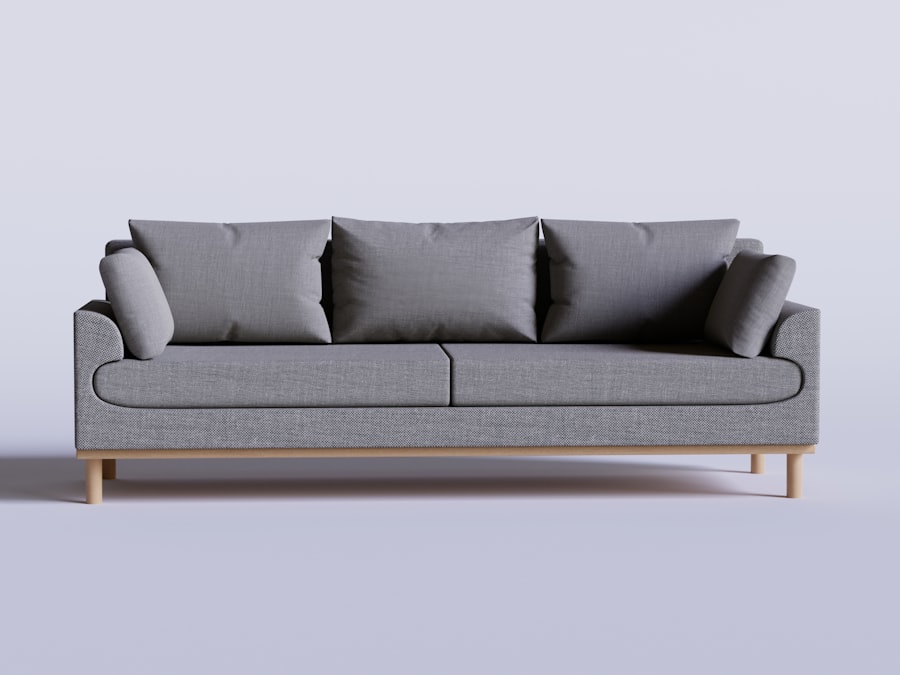
Furniture selection is pivotal in achieving balance and harmony within an interior space. The arrangement of furniture should facilitate movement while also creating intimate areas for conversation or relaxation. Designers often employ the principle of symmetry to establish visual equilibrium; for instance, placing two identical chairs on either side of a fireplace can create a sense of order and tranquility.
However, asymmetrical arrangements can also be effective in creating interest and dynamism within a room. The key lies in understanding how different pieces interact with one another and how they contribute to the overall flow of the space. Accessories serve as the finishing touches that can elevate a room from ordinary to extraordinary.
Items such as artwork, decorative objects, and plants can infuse personality into a space while also enhancing its aesthetic appeal. When selecting accessories, it is crucial to consider scale and proportion; oversized artwork may overwhelm a small room, while tiny trinkets may get lost in a larger space. Additionally, accessories should complement the overall design theme without overwhelming it.
By carefully curating furniture and accessories, designers can create a harmonious environment that feels both cohesive and inviting.
Creating Focal Points and Visual Interest in a Space
| Aspect | Metrics |
|---|---|
| Color Contrast | Number of contrasting colors used |
| Scale and Proportion | Ratio of large to small elements in the space |
| Texture Variation | Number of different textures incorporated |
| Lighting | Number of lighting sources and their placement |
| Furniture Arrangement | Number of focal points created through furniture placement |
Every well-designed room should have a focal point—an element that draws the eye and anchors the space. This could be anything from a striking piece of artwork or an ornate fireplace to an eye-catching piece of furniture or an architectural feature like a large window. Establishing a focal point helps to create visual interest and provides a sense of direction within the room.
Designers often use contrasting colors or unique textures to highlight these focal points, ensuring they stand out against the surrounding elements. By doing so, they guide the viewer’s gaze and create a narrative within the space. In addition to focal points, incorporating layers of visual interest is essential for creating depth in interior design.
This can be achieved through various means, such as varying heights in furniture arrangements or mixing different styles and periods of decor. For instance, juxtaposing modern furniture with vintage accessories can create an eclectic yet harmonious look that tells a story about the occupants’ tastes and experiences. Furthermore, incorporating patterns—whether through textiles or wall treatments—can add another layer of complexity to a room’s design.
By thoughtfully considering focal points and visual interest, designers can craft spaces that are not only aesthetically pleasing but also rich in character.
Incorporating Personal Style and Unique Touches
One of the most rewarding aspects of interior design is the opportunity to infuse personal style into a space. Each individual has unique tastes shaped by their experiences, culture, and preferences; reflecting this individuality in design creates spaces that feel authentic and lived-in. Designers often encourage clients to incorporate personal items—such as family heirlooms, travel souvenirs, or favorite artworks—into their decor.
These unique touches not only add character but also tell a story about the inhabitants’ lives, making the space feel more personal and inviting. In addition to personal items, incorporating unique design elements can further enhance individuality within a space. This could involve selecting statement pieces—such as an oversized sculpture or an intricately designed light fixture—that serve as conversation starters.
Alternatively, custom-made furniture or bespoke textiles can provide an exclusive touch that sets a home apart from others. By blending personal style with thoughtful design choices, individuals can create environments that resonate with their identity while also adhering to the principles of good design.
Maximizing Space and Functionality in a Room
Maximizing Space in Modern Living
In today’s world, where living spaces are often limited in size, maximizing space and functionality has become paramount in interior design. Effective use of space involves not only arranging furniture thoughtfully but also considering multi-functional pieces that serve more than one purpose. For instance, ottomans with hidden storage or sofa beds can provide additional functionality without sacrificing style.
The Importance of Decluttering and Spatial Planning
Designers often emphasize the importance of decluttering; by minimizing excess items and focusing on essentials, they can create an open and airy environment that feels larger than it is. Moreover, spatial planning is crucial for ensuring that each area within a room serves its intended purpose while maintaining flow throughout the space. This involves considering traffic patterns—how people move through the room—and ensuring that pathways are clear and unobstructed.
Creating Functional Zones in Open Spaces
Designers may use zoning techniques to delineate different areas within an open floor plan; for example, area rugs can visually separate living spaces from dining areas while still maintaining an overall sense of cohesion. By prioritizing functionality alongside aesthetics, designers can create spaces that are not only beautiful but also practical for everyday living.
Striking a Balance Between Form and Function
Ultimately, the key to successful interior design lies in finding a balance between form and function. By carefully considering the needs of the space and its occupants, designers can create environments that are both visually appealing and highly functional.
The Importance of Lighting and its Impact on Interior Design
Lighting is often regarded as one of the most critical elements in interior design; it has the power to transform a space dramatically by influencing mood, highlighting features, and enhancing color schemes. A well-lit room feels inviting and warm, while poor lighting can render even the most beautifully designed spaces unwelcoming. Designers typically employ a layered lighting approach that combines ambient lighting (general illumination), task lighting (focused light for specific activities), and accent lighting (highlighting particular features).
This multifaceted strategy ensures that every corner of a room is adequately illuminated while also creating depth and dimension. Furthermore, natural light plays an essential role in interior design; it not only enhances the aesthetic appeal but also contributes to overall well-being by promoting positive mental health. Designers often maximize natural light by strategically placing mirrors to reflect sunlight or using sheer window treatments that allow light to filter through while maintaining privacy.
The choice of light fixtures—ranging from chandeliers to sconces—also impacts the overall ambiance; warm-toned bulbs can create a cozy atmosphere, while cooler tones may lend themselves to more modern or clinical environments. By understanding the importance of lighting in interior design, designers can create spaces that are not only visually stunning but also conducive to comfort and well-being.
FAQs
What is interior design styling?
Interior design styling is the art of arranging and decorating a space to create a visually appealing and functional environment. It involves selecting and arranging furniture, accessories, color schemes, and other elements to enhance the overall aesthetic of a room or space.
What are the key elements of interior design styling?
Key elements of interior design styling include furniture selection and arrangement, color schemes, lighting, textiles, accessories, and overall space planning. These elements work together to create a cohesive and harmonious design.
What are some popular interior design styles?
Some popular interior design styles include modern, contemporary, traditional, transitional, Scandinavian, industrial, bohemian, and mid-century modern. Each style has its own unique characteristics and aesthetic, catering to different preferences and tastes.
What are some tips for interior design styling?
Some tips for interior design styling include considering the function of the space, creating a focal point, balancing different elements, incorporating texture and patterns, utilizing proper lighting, and maintaining a cohesive color scheme. It’s also important to consider the scale and proportion of furniture and accessories within the space.
What are some common mistakes to avoid in interior design styling?
Common mistakes to avoid in interior design styling include overcrowding a space with too much furniture or accessories, neglecting proper lighting, ignoring the function of the space, using too many conflicting patterns or colors, and neglecting the importance of scale and proportion. It’s also important to avoid following trends too closely and instead focus on creating a timeless and personalized design.