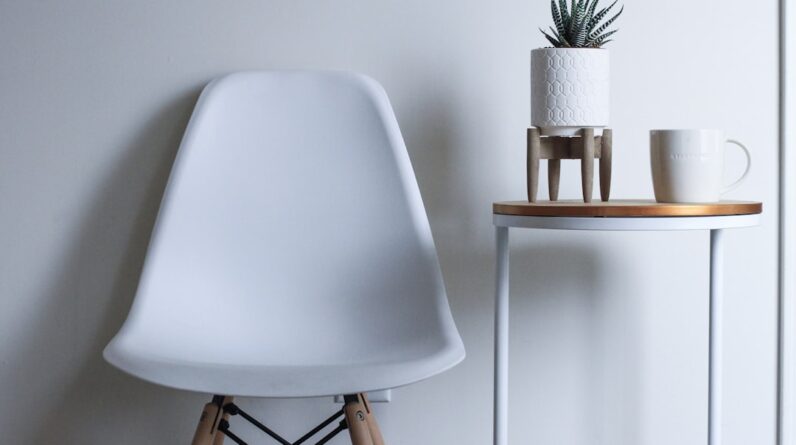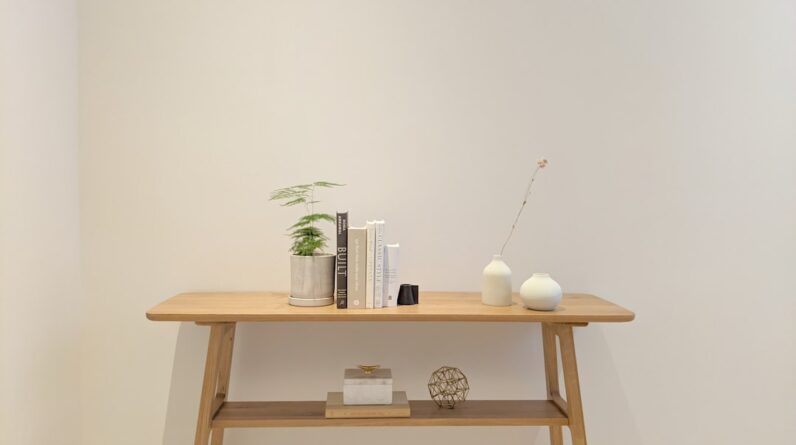
Scandinavian interior design, often referred to as Scandi design, has its roots deeply embedded in the cultural and historical contexts of the Nordic countries, particularly Denmark, Sweden, Norway, Finland, and Iceland. Emerging in the early 20th century, this design philosophy was significantly influenced by the socio-political climate of the time, which emphasized functionality, simplicity, and a connection to nature. The aftermath of World War II saw a shift towards modernism, where designers sought to create spaces that were not only aesthetically pleasing but also practical and accessible to the masses.
This movement was characterized by a rejection of ornate styles and an embrace of clean lines and minimal ornamentation, reflecting the Scandinavian ethos of egalitarianism and democratic design. The post-war period also heralded a renewed appreciation for craftsmanship and local materials, as designers began to explore the rich traditions of their respective countries. Influential figures such as Alvar Aalto and Hans Wegner championed the use of natural materials like wood and leather, which not only highlighted the beauty of the Nordic landscape but also promoted sustainability.
The concept of “lagom,” meaning “just the right amount,” became a guiding principle in Scandi design, advocating for balance and moderation in all aspects of life. This cultural backdrop laid the foundation for what we now recognize as Scandi interior design—a harmonious blend of functionality, simplicity, and a deep respect for nature that continues to resonate with contemporary audiences.
Key Takeaways
- Scandi interior design originated in the 1950s in the Nordic countries, emphasizing simplicity, functionality, and connection to nature.
- Key elements of Scandi interior design include clean lines, minimalism, natural light, and a focus on comfort and functionality.
- Choosing the right color palette is essential in Scandi interior design, with a preference for neutral tones such as whites, grays, and light blues, as well as accents of muted pastels and earthy tones.
- Embracing minimalism and functionality is a core principle of Scandi interior design, focusing on decluttering and maximizing space for a clean and organized look.
- Incorporating natural materials and textures such as wood, stone, and wool adds warmth and depth to Scandi interior design, creating a connection to the natural environment.
- Adding cozy accents with hygge, such as soft blankets, candles, and plush rugs, enhances the comfort and warmth of Scandi interior design.
- Tips for achieving simple elegance in Scandi interior design include prioritizing quality over quantity, incorporating personal touches, and embracing a sense of balance and harmony in the space.
Key Elements of Scandi Interior Design
Functionality Meets Style
Furniture pieces are often designed with practicality in mind, featuring multi-functional capabilities that cater to the needs of modern living. For instance, a sleek coffee table may double as a storage unit, while modular sofas can be rearranged to suit various social gatherings. This emphasis on utility does not come at the expense of style; rather, it enhances the overall aesthetic by creating spaces that feel both inviting and purposeful.
Bright and Airy Environments
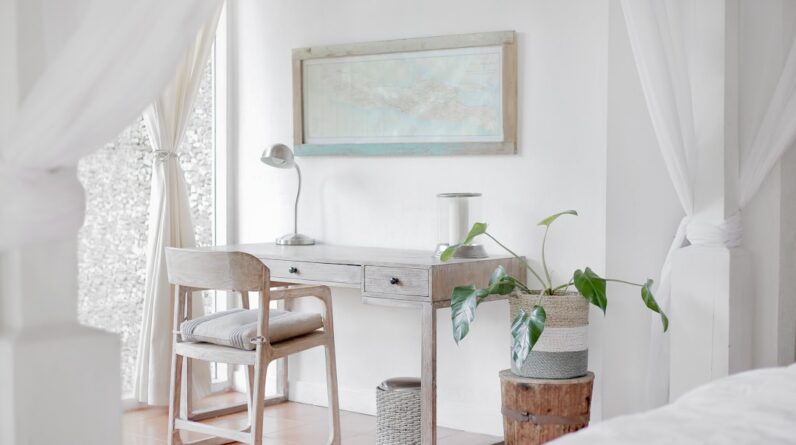
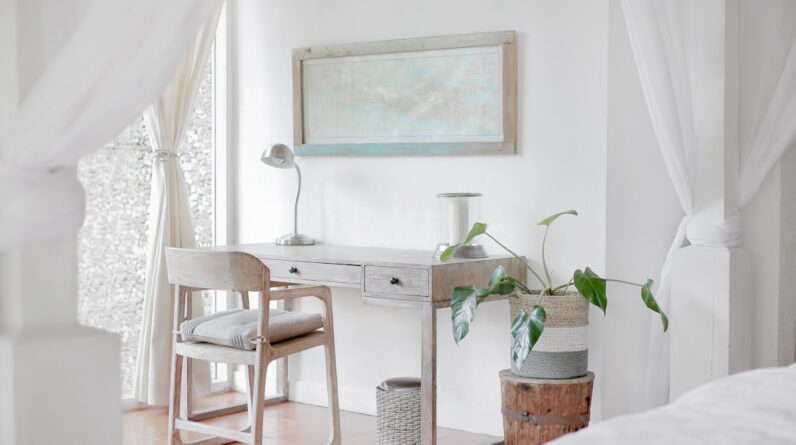
Another defining feature of Scandi design is its affinity for light and airy environments. Large windows are a staple in many Scandinavian homes, allowing natural light to flood in and create a sense of openness. The use of neutral colors further amplifies this effect, as soft whites, grays, and muted pastels reflect light and contribute to a serene atmosphere.
A Sanctuary for Relaxation
Additionally, the careful selection of furnishings—often characterized by organic shapes and smooth textures—complements this ethos by fostering a sense of calm. Together, these elements create interiors that are not only visually appealing but also conducive to relaxation and well-being.
Choosing the Right Color Palette
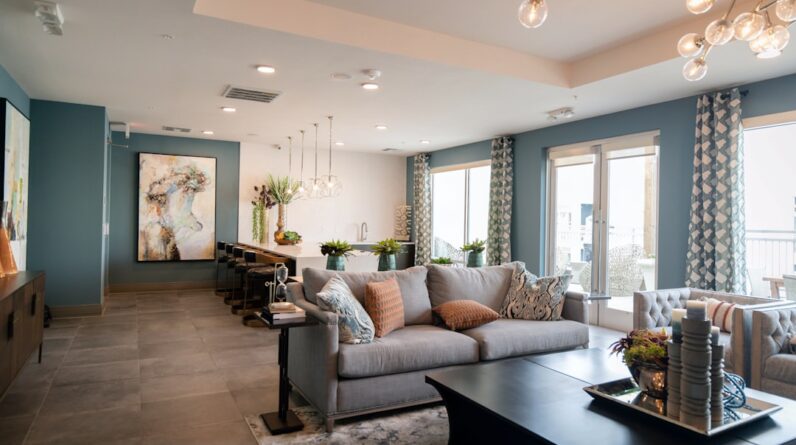
When it comes to selecting a color palette for Scandi interior design, the focus is primarily on creating a soothing and cohesive environment. The predominant colors are often inspired by the natural landscapes of Scandinavia—think soft whites reminiscent of snow-covered fields, muted blues echoing the serene waters of fjords, and earthy tones that reflect the region’s forests. These colors work harmoniously together to evoke a sense of peace and tranquility, making them ideal for creating spaces that feel both welcoming and restorative.
By opting for a limited color palette, designers can achieve a sense of unity throughout a home while allowing individual pieces to stand out without overwhelming the senses. In addition to these foundational colors, accents can be introduced through textiles and decorative elements. For instance, a plush throw blanket in a deep forest green or a set of vibrant cushions can add warmth and personality to an otherwise neutral space.
The key is to maintain balance; while pops of color can enliven a room, they should be used sparingly to preserve the overall calmness that defines Scandi design. By thoughtfully curating a color palette that reflects both personal style and the natural world, homeowners can create interiors that are not only aesthetically pleasing but also deeply connected to their surroundings.
Embracing Minimalism and Functionality
| Aspect | Metric |
|---|---|
| Clutter Reduction | Number of items decluttered |
| Space Utilization | Percentage of space used effectively |
| Functional Design | Number of multi-functional items |
| Simplicity | Number of unnecessary features removed |
Minimalism is a cornerstone of Scandi interior design, promoting an ethos that values quality over quantity. This approach encourages individuals to curate their belongings carefully, keeping only those items that serve a purpose or bring joy. The result is an uncluttered environment that fosters clarity and focus—a stark contrast to the chaos often found in more maximalist styles.
By embracing minimalism, homeowners can create spaces that feel expansive and open, allowing for greater movement and interaction within the home. This philosophy extends beyond mere aesthetics; it also reflects a lifestyle choice that prioritizes mindfulness and intentionality in everyday living. Functionality is equally important in Scandi design, as every piece of furniture or decor must serve a practical purpose while contributing to the overall aesthetic.
This is evident in the design of Scandinavian furniture, which often features clean lines and ergonomic shapes that enhance usability without sacrificing style. For example, dining tables are designed to accommodate gatherings while also being compact enough for everyday use. This duality is what makes Scandi interiors so appealing; they are not just beautiful spaces but also highly functional environments that cater to the needs of modern life.
By marrying minimalism with functionality, Scandi design creates homes that are both visually striking and deeply livable.
Incorporating Natural Materials and Textures
A hallmark of Scandi interior design is its emphasis on natural materials and textures that evoke a sense of warmth and connection to the environment. Wood is perhaps the most prominent material used in Scandinavian homes, celebrated for its durability and timeless beauty. From hardwood floors to handcrafted furniture pieces, wood brings an organic element into spaces that enhances their overall aesthetic appeal.
Additionally, natural fibers such as wool, linen, and cotton are commonly used in textiles—think cozy throws, plush rugs, and soft cushions—that add layers of texture while maintaining a sense of simplicity. Incorporating these materials not only contributes to the visual richness of a space but also aligns with the Scandinavian ethos of sustainability. By choosing locally sourced materials and supporting artisans who prioritize craftsmanship, homeowners can create interiors that reflect their values while minimizing their environmental impact.
Furthermore, the use of natural textures fosters an inviting atmosphere that encourages relaxation and comfort—key components of the Scandi lifestyle. Ultimately, by embracing natural materials in their designs, individuals can cultivate spaces that feel grounded and harmonious with nature.
Adding Cozy Accents with Hygge
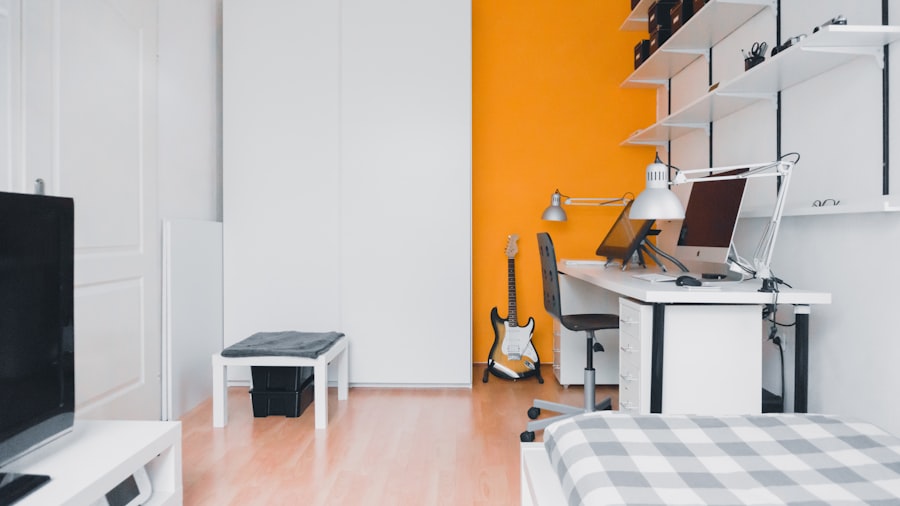
Creating an Intimate Ambiance
Strategically placed candles or warm fairy lights can create an intimate ambiance during colder months, while layered blankets on sofas invite relaxation after a long day. These small details can make a significant difference in creating a cozy atmosphere that promotes relaxation and connection.
Embracing Simplicity and Joy
Hygge encourages individuals to embrace simplicity in their daily lives by fostering moments of joy in everyday activities. This could mean setting up a cozy reading nook with a comfortable chair and a stack of books or creating an inviting dining area where friends can gather over shared meals. By doing so, individuals can cultivate a sense of contentment and well-being in their daily lives.
Cultivating an Atmosphere of Well-being
By prioritizing these small yet meaningful details within their interiors, homeowners can cultivate an atmosphere that promotes well-being and connection—a true reflection of the Scandinavian way of life. By incorporating elements of hygge into their interior design, individuals can create a space that not only looks beautiful but also feels warm and inviting.
Tips for Achieving Simple Elegance in Scandi Interior Design
To successfully achieve simple elegance in Scandi interior design, one must focus on creating spaces that embody both beauty and functionality without unnecessary clutter. Start by selecting key furniture pieces that are timeless in design yet versatile enough to adapt to various needs. Opt for items made from high-quality materials that will stand the test of time; this not only enhances durability but also contributes to an overall sense of sophistication within the space.
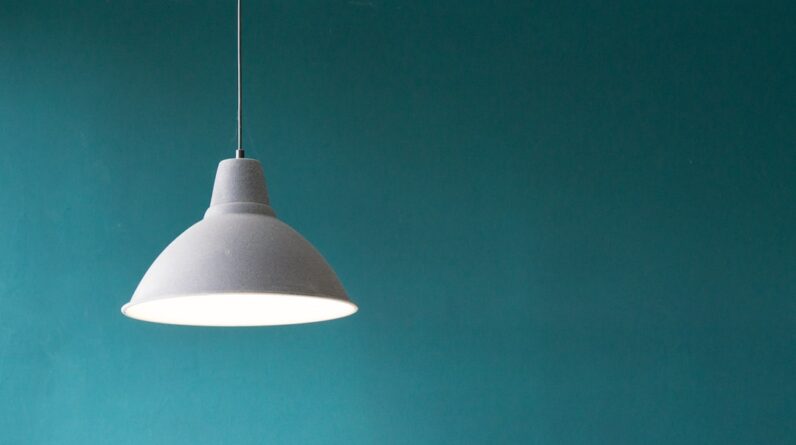
Additionally, consider incorporating statement pieces—such as an eye-catching light fixture or an artful rug—that can serve as focal points while still adhering to the minimalist ethos. Another essential tip is to curate decorative elements thoughtfully; less truly is more in Scandi design. Choose accessories that resonate with your personal style while maintaining harmony with your chosen color palette.
Incorporate plants or greenery to breathe life into your interiors; they not only add visual interest but also promote well-being by improving air quality. Finally, remember that achieving simple elegance is about creating an environment where you feel at ease—one that reflects your personality while embracing the core principles of Scandinavian design: simplicity, functionality, and a deep connection to nature. By following these guidelines, you can transform your home into a serene sanctuary that embodies the essence of Scandi interior design.
FAQs
What is Scandi interior design?
Scandi interior design, short for Scandinavian interior design, is a design style that originated in the Nordic countries of Denmark, Norway, Sweden, and Finland. It is known for its minimalistic and functional approach, as well as its use of natural materials and neutral color palettes.
What are the key characteristics of Scandi interior design?
Key characteristics of Scandi interior design include clean lines, minimalistic furniture, natural light, neutral color palettes, and the use of natural materials such as wood, leather, and wool. It also emphasizes functionality and simplicity in design.
How can I incorporate Scandi interior design into my home?
To incorporate Scandi interior design into your home, you can start by decluttering and simplifying your space. Use neutral colors, natural materials, and minimalistic furniture. Emphasize natural light and add elements of nature, such as plants and wooden accents.
What are some popular Scandi interior design brands?
Some popular Scandi interior design brands include IKEA, HAY, Muuto, Ferm Living, and Marimekko. These brands are known for their modern and minimalist designs that embody the principles of Scandi interior design.
Is Scandi interior design suitable for all types of homes?
Yes, Scandi interior design can be adapted to suit various types of homes, from small apartments to larger houses. Its emphasis on functionality and simplicity makes it a versatile design style that can be applied to different living spaces.