Mindful design is an approach that emphasizes awareness and intention in the creation of spaces. It encourages you to consider not just the aesthetics of a space, but also how it affects your mental and emotional state. At its core, mindful design is about creating environments that promote well-being, comfort, and a sense of belonging.
This philosophy invites you to engage with your surroundings in a more profound way, fostering a connection between the space and your inner self. When you embrace the principles of mindful design, you begin to prioritize elements that enhance your experience. This might involve selecting materials that feel good to the touch or arranging furniture in a way that encourages conversation and connection.
The goal is to create spaces that resonate with your values and needs, allowing you to feel more grounded and present. By focusing on the sensory aspects of design—such as texture, sound, and scent—you can cultivate an environment that nurtures your well-being and inspires creativity.
Key Takeaways
- Mindful design focuses on creating spaces that promote mental and emotional wellbeing through intentional design choices and functionality.
- Creating serene and calm spaces involves minimizing clutter, incorporating comfortable furniture, and utilizing soothing color palettes.
- Incorporating natural elements such as plants, natural materials, and views of nature can help create a sense of tranquility and connection to the environment.
- Utilizing light and color for wellness involves maximizing natural light, using warm and cool color tones strategically, and incorporating lighting that can be adjusted for different moods and activities.
- Designing for mental and emotional wellbeing in both residential and commercial spaces involves creating environments that support relaxation, focus, and positive social interactions.
Creating Serene and Calm Spaces
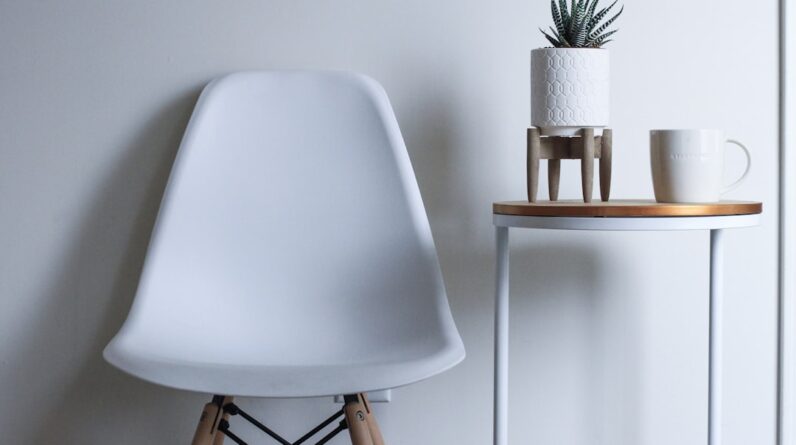
To create serene and calm spaces, you must first consider the layout and flow of the area. A well-thought-out arrangement can significantly impact how you feel when you enter a room. You might want to avoid clutter and opt for open spaces that allow for easy movement.
This openness can foster a sense of tranquility, making it easier for you to relax and unwind. Additionally, incorporating soft lines and gentle curves in furniture and decor can create a more inviting atmosphere, encouraging you to feel at ease. Sound is another crucial element in establishing calmness within a space.
You may want to consider incorporating sound-absorbing materials or even adding elements like water features or soft music to create a soothing auditory backdrop. These sounds can help mask any disruptive noise from outside, allowing you to focus on your thoughts or simply enjoy the peace of your surroundings. By thoughtfully curating both the visual and auditory aspects of your environment, you can create a sanctuary that promotes relaxation and mindfulness.
Incorporating Natural Elements

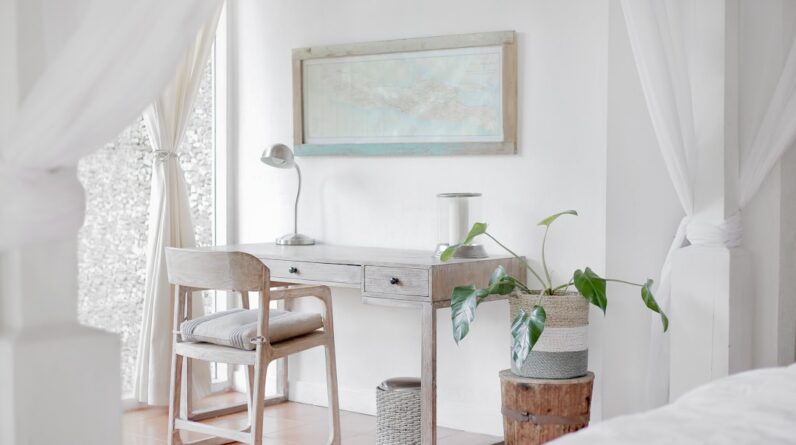
Integrating natural elements into your design can profoundly impact your well-being. Nature has an innate ability to soothe and rejuvenate, making it an essential component of mindful design. You might start by introducing plants into your space, as they not only purify the air but also add a vibrant touch of life.
The presence of greenery can evoke feelings of calmness and connection to the earth, reminding you of the beauty found in the natural world. In addition to plants, consider using natural materials such as wood, stone, or clay in your design. These materials can bring warmth and texture to your space, creating a more inviting atmosphere.
You may find that incorporating large windows or skylights allows natural light to flood in, further enhancing your connection to the outdoors. By blurring the lines between indoor and outdoor spaces, you can create an environment that feels expansive and alive, promoting a sense of peace and well-being.
Utilizing Light and Color for Wellness
Light and color play pivotal roles in shaping your emotional landscape within a space. Natural light is particularly beneficial; it can elevate your mood and enhance your overall sense of well-being. You might want to maximize natural light by using sheer curtains or strategically placing mirrors to reflect sunlight throughout the room.
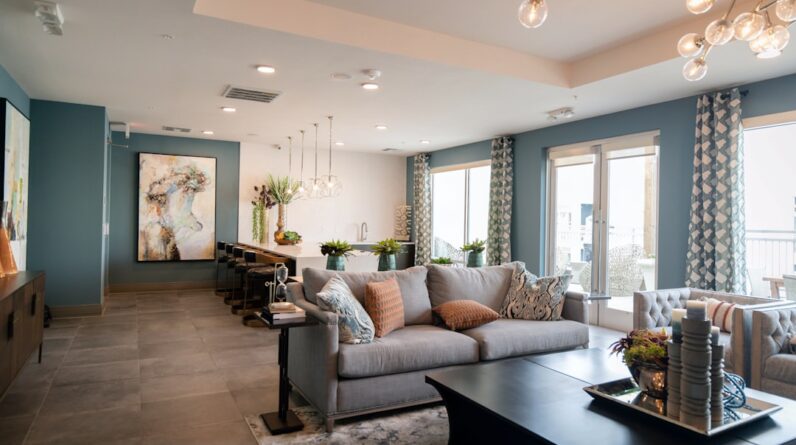
This not only brightens the space but also creates an uplifting atmosphere that encourages positivity. Color is another powerful tool in mindful design. Different colors evoke various emotions; for instance, soft blues and greens can instill a sense of calm, while warm yellows and oranges can inspire energy and creativity.
When selecting colors for your space, consider how they make you feel and how they align with the purpose of each room. By thoughtfully choosing a color palette that resonates with your emotions, you can create an environment that supports your mental health and enhances your daily experiences.
Designing for Mental and Emotional Wellbeing
Designing for mental and emotional well-being involves creating spaces that cater to your psychological needs. This means considering how different areas can support various activities—whether it’s a cozy reading nook for relaxation or a vibrant workspace that fosters creativity. You might find it helpful to designate specific zones within your home or office that encourage different moods or activities, allowing you to transition seamlessly between tasks.
Incorporating elements that promote mindfulness can also enhance your emotional well-being. For example, you could create a meditation corner with comfortable seating, calming decor, and perhaps even a small altar or focal point for reflection. This dedicated space can serve as a reminder to take breaks and reconnect with yourself amidst the busyness of life.
By intentionally designing areas that support mental clarity and emotional balance, you can cultivate an environment that nurtures your overall well-being.
The Role of Functionality in Mindful Design

Functionality is a cornerstone of mindful design; it ensures that spaces are not only beautiful but also practical for everyday use. When designing a space, consider how each element serves a purpose in your daily life. You might want to choose furniture that is both aesthetically pleasing and functional—such as multi-purpose pieces that save space while providing comfort.
This approach allows you to maintain an organized environment while still enjoying the beauty of your surroundings. Moreover, thoughtful storage solutions can contribute significantly to the functionality of a space. By incorporating hidden storage options or utilizing vertical space effectively, you can minimize clutter and create a more serene atmosphere.
This organization not only enhances the visual appeal of your environment but also promotes mental clarity by reducing distractions. Ultimately, when functionality is prioritized alongside aesthetics, you create spaces that are both enjoyable and conducive to well-being.
Mindful Design in Residential Spaces
In residential spaces, mindful design can transform your home into a sanctuary that reflects your values and supports your lifestyle. You might start by assessing each room’s purpose and how it aligns with your daily routines. For instance, creating an inviting living area where family members can gather fosters connection and strengthens relationships.
By designing spaces that encourage interaction, you cultivate an environment where love and support flourish. Additionally, personal touches play a significant role in mindful residential design. Incorporating artwork or decor that resonates with you can evoke positive emotions and memories, making your home feel uniquely yours.
You may also want to consider how each room’s layout affects flow and energy; open spaces can promote communication while cozy corners offer opportunities for solitude and reflection. By thoughtfully curating each aspect of your home, you create an environment that nurtures both body and soul.
Mindful Design in Commercial Spaces
Mindful design is equally important in commercial spaces, where the environment can significantly impact employee productivity and customer experience. In offices, creating open layouts with designated quiet zones allows for collaboration while also providing areas for focused work. You might also consider incorporating biophilic design elements—such as indoor plants or natural materials—to enhance employee well-being and reduce stress levels.
For retail spaces, mindful design can influence customer behavior and satisfaction. Thoughtfully arranged displays that encourage exploration can create a more enjoyable shopping experience. Additionally, using calming colors and lighting can help customers feel more at ease while browsing products.
By prioritizing the emotional experience of both employees and customers through mindful design principles, businesses can foster environments that promote productivity, creativity, and overall satisfaction. In conclusion, mindful design is about creating spaces that resonate with your values while promoting well-being on multiple levels. By incorporating principles such as serenity, natural elements, light, color, functionality, and emotional support into both residential and commercial environments, you can cultivate spaces that enhance quality of life for yourself and others around you.
Embracing this approach allows you to engage more deeply with your surroundings, fostering a sense of connection that enriches everyday experiences.
FAQs
What is mindful design?
Mindful design is an approach to creating spaces that prioritize the well-being and serenity of the occupants. It involves incorporating elements that promote mindfulness, such as natural light, biophilic elements, and a sense of openness.
What are the key principles of mindful design?
Key principles of mindful design include creating spaces that promote relaxation, reducing clutter, incorporating natural elements, and fostering a sense of connection to the environment.
How does mindful design promote wellness?
Mindful design promotes wellness by creating spaces that reduce stress, promote relaxation, and foster a sense of connection to nature. This can have a positive impact on mental and physical well-being.
What are some examples of mindful design elements?
Examples of mindful design elements include natural materials, such as wood and stone, ample natural light, indoor plants, calming color palettes, and open, uncluttered spaces.
How does mindful design impact contemporary spaces?
Mindful design has a significant impact on contemporary spaces by creating environments that prioritize the well-being of the occupants. It can result in spaces that feel more inviting, calming, and conducive to relaxation and focus.