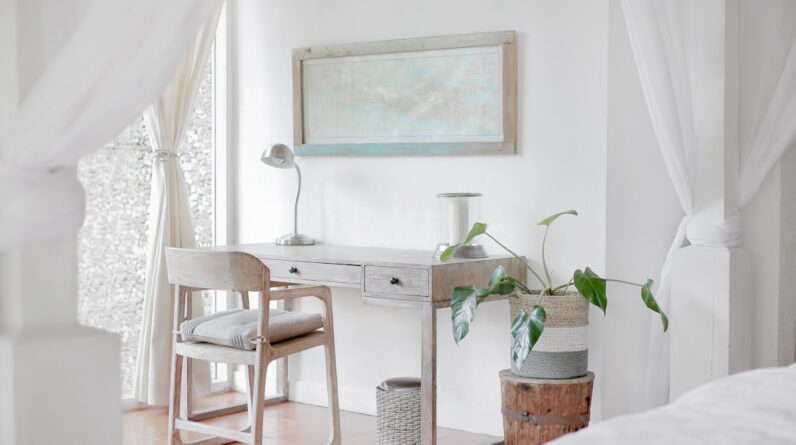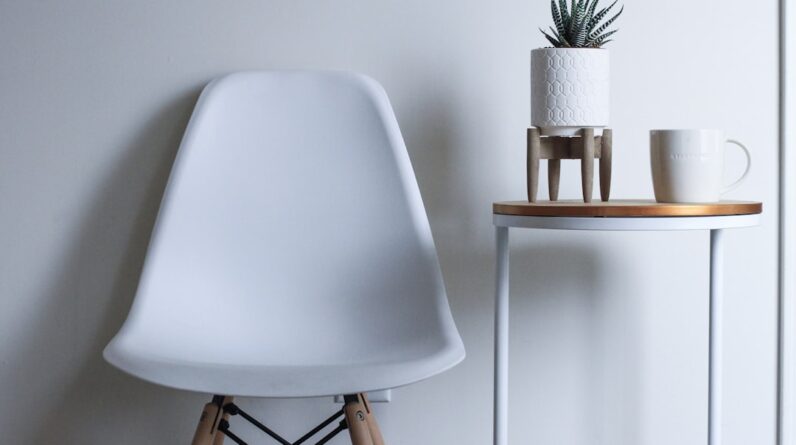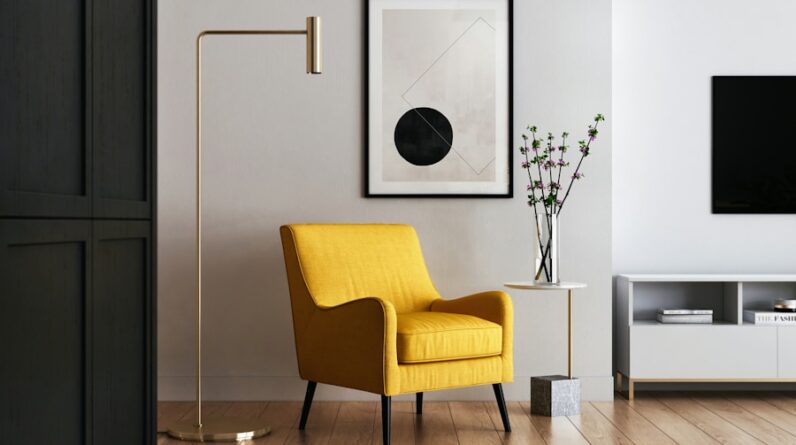
Minimalism in interior design has roots that stretch back to the early 20th century, emerging as a reaction against the ornate and elaborate styles that dominated previous eras. You may find it fascinating that this movement was influenced by various art movements, particularly the Bauhaus and De Stijl, which emphasized simplicity, functionality, and the beauty of form. As you delve into the history of minimalism, you’ll discover that it was not merely about stripping away excess but rather about celebrating the essence of design.
The idea was to create spaces that were not only aesthetically pleasing but also functional and purposeful. As you explore further, you’ll notice that minimalism gained significant traction in the post-World War II era, particularly in the 1960s and 1970s. This period saw a shift in societal values, with many people seeking simplicity and clarity in their lives amidst the chaos of modernity.
Designers began to embrace clean lines, open spaces, and a limited color palette, which resonated with a growing desire for tranquility and order. The minimalist ethos became a way to reflect a lifestyle that prioritized experiences over possessions, encouraging individuals to curate their environments thoughtfully.
Key Takeaways
- Minimalism in interior design originated in the 1960s as a reaction against the excesses of consumerism and a desire for simplicity and functionality.
- Key principles of minimalist interior design include simplicity, functionality, and a focus on clean lines and uncluttered spaces.
- Minimalist color schemes often feature neutral tones such as white, black, and gray, while materials like glass, metal, and natural wood are commonly used in minimalist interiors.
- Furniture and decor in minimalist design are characterized by sleek and simple designs, with an emphasis on quality over quantity.
- Creating a sense of space and light in minimalist interiors is achieved through the use of open floor plans, natural light, and strategic placement of furniture and decor.
Key Principles of Minimalist Interior Design
When you think about minimalist interior design, several key principles come to mind that can guide your approach. First and foremost is the concept of “less is more.” This principle encourages you to eliminate unnecessary items and focus on what truly matters in your space. By doing so, you create an environment that feels open and uncluttered, allowing for a sense of calm and clarity.
As you begin to apply this principle, consider evaluating each item in your home and asking yourself whether it serves a purpose or brings you joy. Another essential principle is functionality. In minimalist design, every piece of furniture and decor should have a clear purpose.
You might find it helpful to choose multi-functional furniture that maximizes space while minimizing clutter. For instance, a coffee table with built-in storage can serve as both a surface for drinks and a place to stow away magazines or blankets. By prioritizing functionality, you not only enhance the usability of your space but also contribute to the overall minimalist aesthetic.
Minimalist Color Schemes and Materials
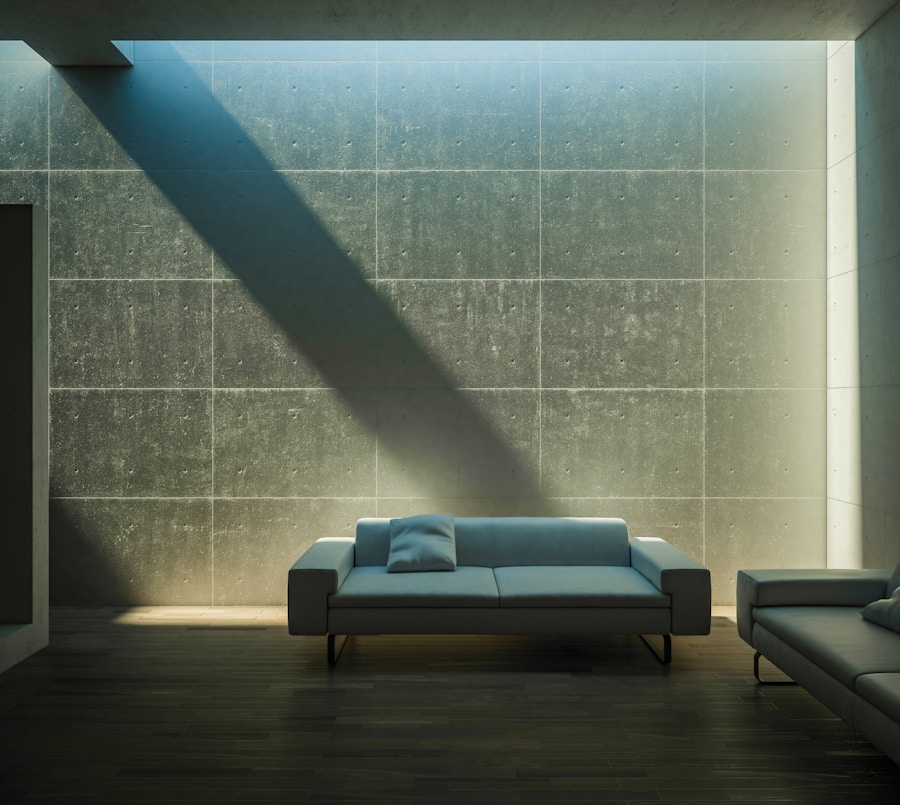
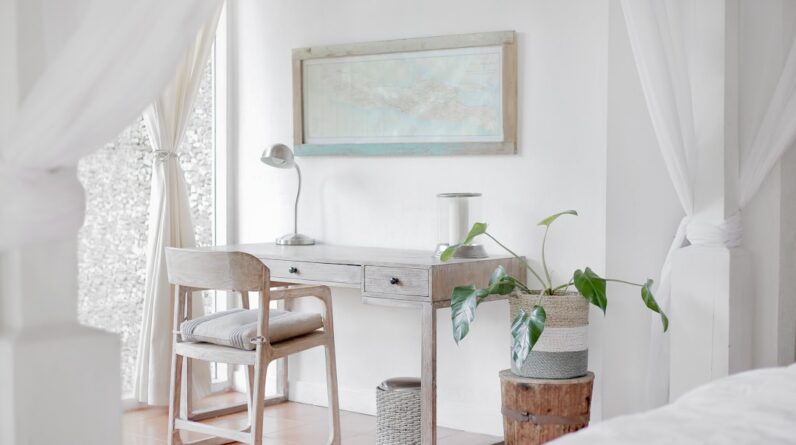
As you embark on your minimalist design journey, color schemes play a crucial role in establishing the desired atmosphere. A minimalist palette typically consists of neutral tones such as whites, grays, and beiges, which create a serene backdrop for your space. You may want to incorporate subtle variations in these shades to add depth without overwhelming the senses.
For instance, pairing a soft white with a warm beige can create a cozy yet airy feel that invites relaxation. In addition to color, the choice of materials is vital in minimalist design. Natural materials like wood, stone, and metal are often favored for their timeless appeal and ability to add texture without cluttering the visual landscape.
You might consider incorporating elements like a reclaimed wood dining table or sleek metal light fixtures to enhance the minimalist aesthetic while maintaining warmth and character. By thoughtfully selecting materials, you can create a harmonious balance between simplicity and sophistication.
Furniture and Decor in Minimalist Design
When it comes to furniture in minimalist interiors, less truly is more. You’ll want to choose pieces that are not only functional but also embody clean lines and simple forms. Opting for furniture with a streamlined silhouette can help maintain an uncluttered look while still providing comfort and utility.
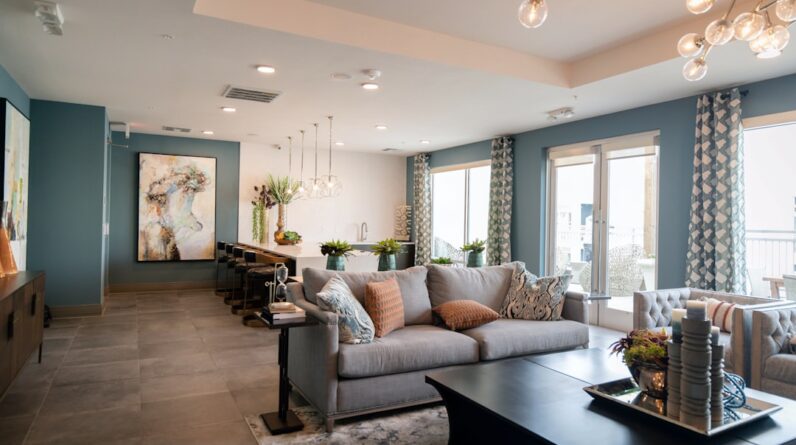
For example, a low-profile sofa with straight edges can serve as a focal point without overwhelming the room. Decor in minimalist design should be approached with intention. Instead of filling your space with numerous decorative items, consider selecting a few statement pieces that resonate with you personally.
A single piece of art or a carefully chosen sculpture can serve as a conversation starter while adding character to your home. As you curate your decor, remember that each item should contribute to the overall aesthetic rather than detract from it. This thoughtful approach will help you achieve a cohesive and inviting minimalist environment.
Creating a Sense of Space and Light in Minimalist Interiors
One of the hallmarks of minimalist design is the ability to create a sense of space and light within interiors. You may find that maximizing natural light is essential in achieving this goal. Large windows or open layouts can help flood your space with sunlight, making it feel more expansive and inviting.
If your home lacks abundant natural light, consider using mirrors strategically to reflect light and create an illusion of depth. In addition to natural light, the use of artificial lighting can significantly impact the ambiance of your minimalist space. You might explore options such as recessed lighting or pendant fixtures that provide soft illumination without being visually intrusive.
Layering different types of lighting—ambient, task, and accent—can also enhance the overall atmosphere while maintaining the simplicity that defines minimalist design.
Minimalist Design for Different Rooms in the Home
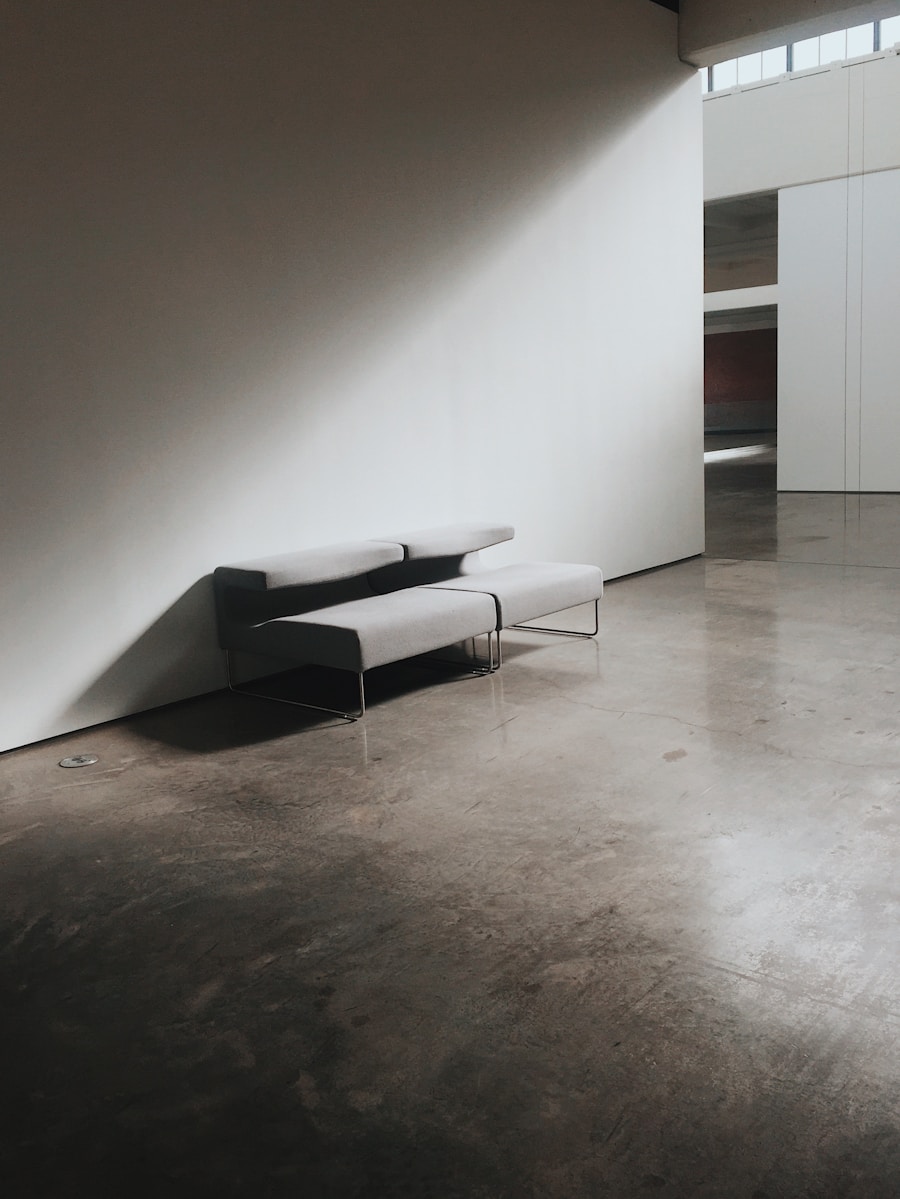
As you apply minimalist principles throughout your home, it’s essential to consider how each room can embody this aesthetic while serving its unique function. In the living room, for instance, focus on creating an inviting yet uncluttered space where you can relax and entertain. A few well-chosen pieces of furniture, such as a simple coffee table and comfortable seating, can set the tone for a serene gathering area.
In the kitchen, minimalism can manifest through streamlined cabinetry and open shelving that showcases only your most essential items. You might find that opting for integrated appliances helps maintain clean lines while maximizing functionality. In bedrooms, consider using neutral bedding and minimal decor to create a tranquil retreat where you can unwind at the end of the day.
By tailoring your minimalist approach to each room’s purpose, you’ll create a cohesive flow throughout your home.
Minimalism and Sustainability in Interior Design
In recent years, there has been an increasing awareness of sustainability within interior design, and minimalism aligns beautifully with this movement. As you embrace minimalism, you may find that it encourages you to make more conscious choices about the materials and products you bring into your home. By prioritizing quality over quantity, you can invest in durable items that stand the test of time rather than succumbing to fast fashion trends.
Moreover, minimalism promotes the idea of reducing waste by encouraging you to keep only what you truly need or love. This mindset not only contributes to a more sustainable lifestyle but also fosters a deeper appreciation for the items you choose to keep. You might consider sourcing second-hand furniture or decor pieces that have history and character while minimizing your environmental impact.
By integrating sustainability into your minimalist design approach, you’ll create a home that reflects both your values and aesthetic preferences.
Incorporating Minimalist Design in Your Home
As you embark on your journey to incorporate minimalist design into your home, start by assessing your current space and identifying areas where clutter may be detracting from its beauty. You might find it helpful to declutter systematically—tackling one room at a time—to avoid feeling overwhelmed. As you sort through your belongings, ask yourself whether each item serves a purpose or brings joy; if not, consider letting it go.
Once you’ve decluttered, focus on selecting key pieces that embody minimalist principles—think clean lines, neutral colors, and functional designs. You may want to invest in high-quality furniture that will last for years while complementing your overall aesthetic. Finally, remember that minimalism is not just about what you remove but also about what you choose to keep; curate your decor thoughtfully to create an inviting atmosphere that reflects your personal style.
By embracing these principles and practices, you’ll find that minimalism can transform not only your living space but also your mindset—encouraging clarity, tranquility, and intentionality in all aspects of life.
FAQs
What is minimalism in contemporary interior design?
Minimalism in contemporary interior design is a design approach that emphasizes simplicity, clean lines, and a clutter-free environment. It focuses on using only the essential elements and eliminating any unnecessary or excessive decorations or furnishings.
What are the key principles of minimalism in contemporary interior design?
The key principles of minimalism in contemporary interior design include using a neutral color palette, incorporating simple and functional furniture, maximizing natural light, and creating a sense of openness and spaciousness. It also involves decluttering and organizing the space to create a calm and serene environment.
How does minimalism in contemporary interior design differ from other design styles?
Minimalism in contemporary interior design differs from other design styles such as traditional or eclectic design by its focus on simplicity, functionality, and a reduction of unnecessary elements. It often features clean, uncluttered spaces and a more restrained use of color and decoration.
What are the benefits of incorporating minimalism in contemporary interior design?
Incorporating minimalism in contemporary interior design can create a sense of calm and tranquility, reduce visual clutter, and promote a more organized and efficient living space. It can also help to highlight the beauty of the essential elements within the space and promote a more mindful and intentional way of living.
How can I incorporate minimalism into my own interior design?
To incorporate minimalism into your own interior design, you can start by decluttering and organizing your space, choosing a neutral color palette, selecting simple and functional furniture, and maximizing natural light. It’s also important to focus on quality over quantity and to carefully consider each element that you bring into the space.